







Date: September 23, 2026
Subject: Revolutionizing the Creator Journey from Concept to Community Management
In the modern digital economy, the title of "YouTuber" has evolved from a simple hobby into a multifaceted career path. Today’s creators are expected to function as researchers, cinematographers, expert editors, data analysts, and community moderators simultaneously. Recognizing the mounting pressure on creators to sustain high-frequency output while maintaining quality, YouTube has unveiled a comprehensive new generation of AI-powered tools at the "Made on YouTube" event, designed to streamline the entire production pipeline.
The Main Facts: A New Era of Studio Intelligence
The cornerstone of YouTube’s latest update is the integration of advanced generative AI into the creator workflow. By leveraging the power of Google’s Gemini models, YouTube is effectively embedding a "personalized production team" directly into the YouTube Studio interface.
Key features announced include:

- Ask Studio Feedback: A sophisticated AI consultant that analyzes video drafts to provide actionable advice on pacing, storytelling structure, and overall viewer retention.
- Dynamic Thumbnail Optimization: A system that generates channel-matched thumbnails and employs dynamic serving, where YouTube automatically tests and presents the most effective image to different audience segments.
- Conversational Editing: A Gemini-powered assistant for Shorts and the YouTube Create app that allows creators to execute complex edits—such as trimming clips, syncing music to beats, and reordering frames—using natural language prompts.
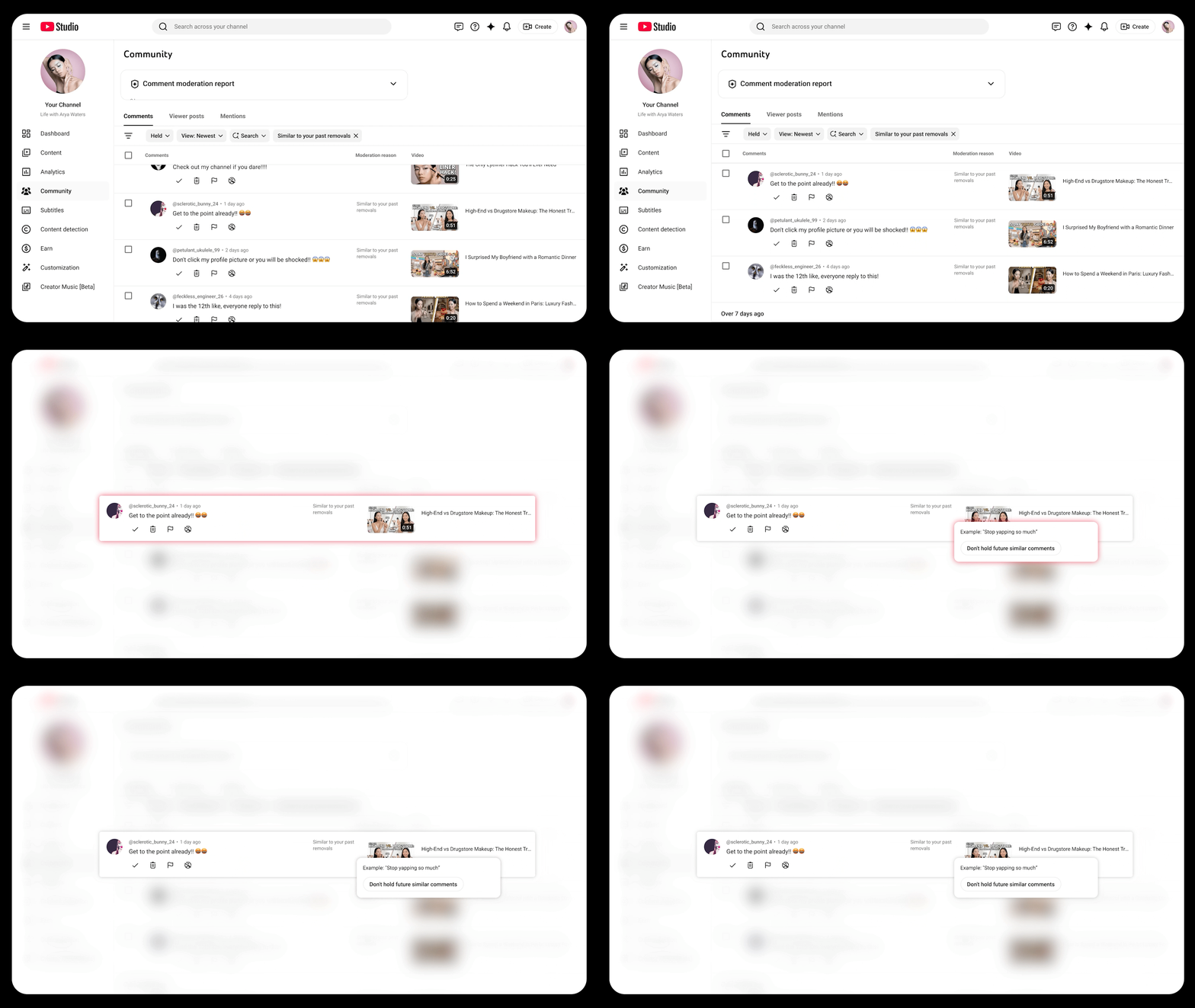
- AI-Driven Community Moderation: An opt-in system that learns a creator’s specific moderation preferences to maintain a healthy comment section automatically.
Chronology: From Experimental A/B Testing to Full Integration
The path to these announcements was paved by several years of iterative testing and infrastructure development.
- 2024: YouTube officially launched A/B testing for titles and thumbnails. The success of this feature was profound, with creators running over 40 million experiments to determine the most effective ways to capture viewer attention.
- Early 2026: YouTube integrated Gemini Omni’s intelligence into the YouTube Create app and Shorts. The reception was immediate, with hundreds of thousands of channels utilizing these AI features daily by August 2026.
- September 23, 2026: The "Made on YouTube" summit marks the transition from simple automation tools to a holistic, AI-partnered ecosystem. This announcement reflects a shift from "AI as a novelty" to "AI as an essential infrastructure" for the professional creator.
Supporting Data: The Rising Tide of AI Adoption
The impetus for this massive shift in tool development is rooted in clear, data-driven trends regarding how creators are working today. According to the first-ever YouTube GenAI Trends Report, the shift is not merely aspirational—it is already the industry standard.
The report reveals that 72% of U.S. video posters between the ages of 14 and 44 have utilized AI-assisted tools to facilitate their content creation or editing processes within the past year. This massive adoption rate signals that creators are actively seeking ways to mitigate the "creator burnout" cycle. By automating tedious, repetitive tasks—such as finding the right beat-sync or moderating toxic comments—YouTube is addressing the primary pain points identified by the creator community, allowing them to redirect their energy toward high-level creative strategy and storytelling.
Official Perspective: Empowering the Creator’s Vision
YouTube’s philosophy, as articulated during the "Made on YouTube" event, emphasizes that AI is meant to be a partner rather than a replacement. The goal is to democratize high-end production techniques that were previously reserved for creators with large teams and significant budgets.

"We aren’t looking to replace the creator’s voice," said a spokesperson for the YouTube Studio team. "We are looking to remove the barriers that prevent that voice from being heard. Whether it is through our new video A/B testing for hooks—where you can soon test up to three different video cuts—or our background-running thumbnail refresher, the objective is to ensure that great content finds its audience, regardless of the creator’s technical resources."
The company highlighted that "Ask Studio" is particularly focused on "classic content," or older videos that may have lost traction. By allowing the AI to review back catalogs and suggest refreshed visual assets, YouTube is providing creators with a way to extend the lifespan and revenue potential of their historical content library.
Implications: The Future of Content Creation and Safety
The rollout of these tools carries significant implications for the future of the platform and the safety of its users.
1. The Rise of the Conversational Editor
The move toward conversational editing suggests that the barrier to entry for high-quality, fast-paced vertical video (Shorts) is about to drop significantly. By allowing creators to "chat" with their editing software to sync music or reorder clips, YouTube is lowering the technical learning curve, enabling a new generation of storytellers to produce professional-grade content with minimal formal training in non-linear editing software.

2. Deepfake Detection and Likeness Protection
Perhaps the most critical, if less "creative," update is the expansion of safety tools. YouTube is currently building upon its existing likeness detection infrastructure by integrating speaking voice detection alongside facial detection. This dual-layer security is designed to combat the rising tide of sophisticated deepfakes. By making these protections accessible directly through the YouTube mobile app, creators can manage their digital identity in real-time, regardless of where they are working.
3. Community Health as a Scalable Asset
Moderation has long been the "hidden cost" of growth on YouTube. As channels scale, managing thousands of comments becomes an insurmountable burden. The new AI-powered moderation tool acts as a learned gatekeeper, adapting to the creator’s specific tone. This ensures that as a channel grows, the community culture remains intact, rather than succumbing to the noise that often accompanies viral success.
4. A Shift in Success Metrics
With the introduction of dynamic thumbnails and video hook A/B testing, the definition of success on YouTube is becoming increasingly empirical. Creators who utilize these data-backed insights will likely see higher click-through rates and longer retention times. This creates a competitive landscape where those who effectively partner with AI will have a significant advantage over those relying solely on intuition.
Conclusion: Returning to the Art of Storytelling
While the technology underpinning these features is complex, the end goal is remarkably simple: to free the creator. By automating the technical, repetitive, and administrative aspects of running a channel—from frame-perfect cuts to comment filtering—YouTube is attempting to return the focus of the creator journey to its original purpose: making incredible videos for an audience.

As these tools roll out over the coming months, the landscape of digital video will undoubtedly change. Creators who embrace this AI-assisted workflow will find themselves with more time, more data, and ultimately, more freedom to experiment with their creative vision. For the audience, this translates to a higher volume of polished, engaging content that feels more personal and better aligned with their interests than ever before. The future of YouTube is not just about the videos being made—it is about the intelligent partnership between the human creator and the machine that powers their reach.