







In the modern digital landscape, the average professional is bombarded with a relentless stream of notifications, emails, and shifting priorities. For years, I treated my digital calendar as a passive repository—a place to log meetings and nothing more. My actual workload, the "deep work" that requires focus and creativity, existed only in my head or on fragmented to-do lists. The result? I would reach the end of the day feeling exhausted, yet perpetually behind, wondering where the hours had vanished.
As a tech journalist who has spent over a decade analyzing the evolution of the Android ecosystem and the devices we rely on, I have tested hundreds of productivity tools. Yet, the most transformative change to my professional life didn’t come from a new app subscription or an AI-powered assistant; it came from a fundamental shift in how I utilize a feature already built into my daily routine: Google Calendar time blocking.
The Anatomy of a Fragmented Workday: Why To-Do Lists Fail
To understand the power of time blocking, one must first recognize the inherent flaw in traditional task management. Most productivity systems are built around the "to-do list" model—a linear collection of objectives, often categorized by urgency or priority. While effective for tracking deliverables, these lists suffer from a critical deficiency: they lack a temporal dimension.
A to-do list tells you what needs to happen, but it ignores the when and, more importantly, the how. When you treat tasks as independent entries in a list, they exist in a vacuum. You are left to fit them into the margins of your day, often leading to the "planning fallacy"—the tendency to underestimate the time required to complete a task.
The Missing Piece in Productivity Systems
When you rely solely on a list, you fall prey to the "reactive trap." A meeting runs over, an urgent email demands a reply, or an unexpected call disrupts your flow. Without a designated structure, these interruptions don’t just delay your work; they shatter your focus.
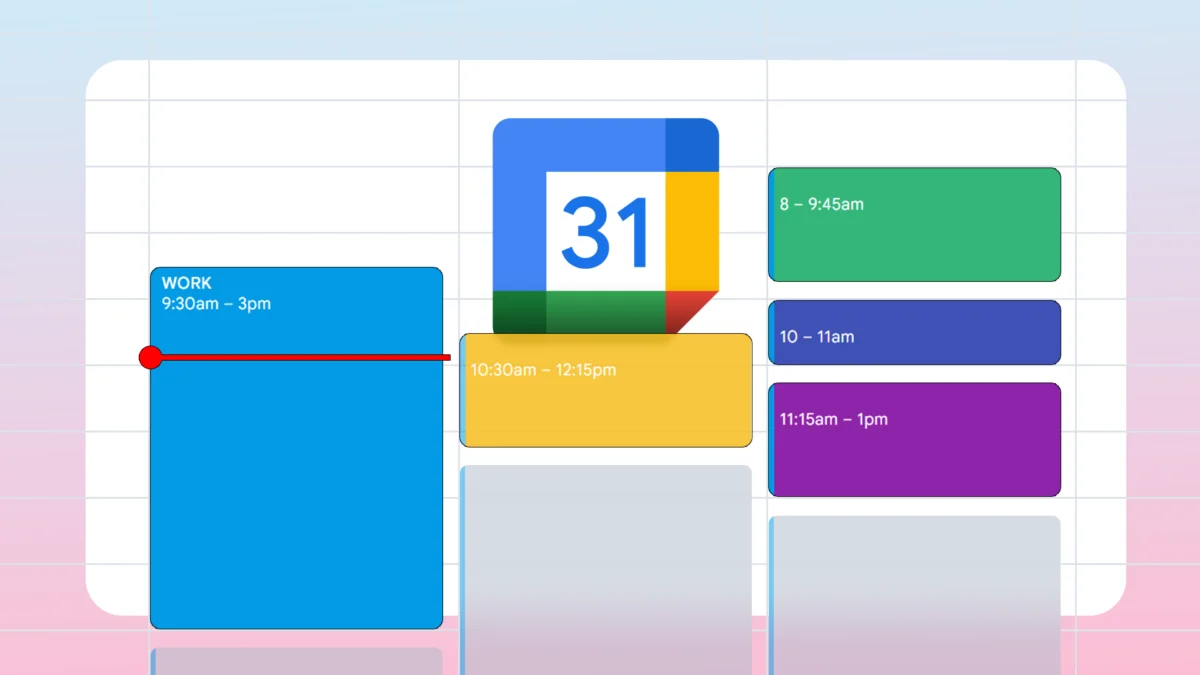
In my experience covering industry events from Mobile World Congress to Qualcomm summits, I have observed that the most efficient industry leaders don’t manage tasks; they manage their attention. Time blocking is the process of assigning specific, non-negotiable windows of time to specific tasks or categories of work. By turning your calendar into a map of your day rather than a simple log of appointments, you move from a reactive state to a proactive one.
The Strategy: Implementing Time Blocking
Time blocking is not about rigid micromanagement; it is about establishing intent. If it is on the calendar, it is a commitment to yourself. If it isn’t, it doesn’t exist.
Planning Intent over Micromanagement
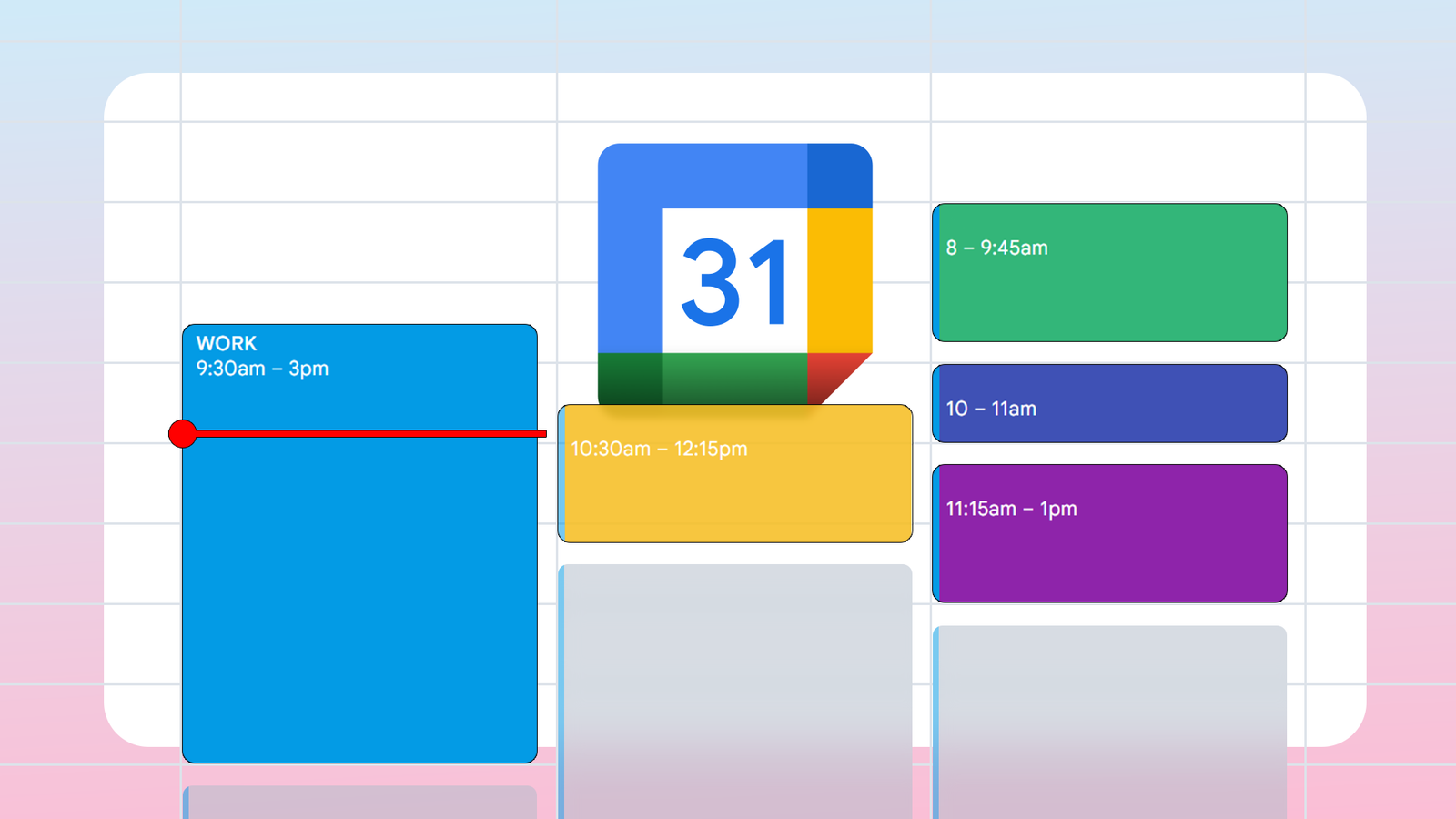
The most effective way to approach this is by planning for "intent" rather than specific micro-tasks. Instead of blocking 9:00 AM to 9:15 AM for "check email," I block a broader, thematic window. For instance, my mornings are now sacred for high-cognitive tasks. I block 90 minutes for writing or deep research because that is when my mental clarity is at its peak.
By using Google Calendar as the central hub, I synchronize my existing commitments (meetings and industry briefings) with these new, self-imposed blocks. This provides a clear, visual representation of my capacity. If I have three hours of meetings, I know exactly how much "deep work" time remains, preventing me from over-committing.
The Role of Google Tasks
While the calendar provides the structure, the Google Tasks integration remains my primary repository for the granular details. I treat the calendar as the "where" and the task list as the "what." Every evening, I perform a "shutdown ritual" where I review my pending tasks and drag them into the calendar for the following day. This practice has two distinct advantages:
- Psychological Relief: I stop worrying about tomorrow’s workload before I sleep because I know it is already mapped out.
- Realistic Expectations: I am forced to acknowledge the finite nature of my time. If I don’t have a slot for a task, it doesn’t get done, which prevents the burnout associated with an impossible daily load.
Supporting Data: Why Structure Beats Spontaneity
The psychological implications of time blocking are supported by principles of cognitive load theory. By deciding what you will do in advance, you eliminate "decision fatigue"—the degradation in the quality of decisions made by an individual after a long session of decision-making.
When you sit down at your desk at 9:00 AM, you shouldn’t be asking yourself, "What should I work on now?" That question alone consumes precious mental bandwidth. With time blocking, the decision was already made the night before. You simply execute.
The Flexibility Factor
Critics often argue that time blocking is too rigid for the modern, fast-paced work environment. However, the true beauty of digital time blocking lies in its fluidity. If an emergency arises, I move the block. If a task takes longer than expected, I drag the end time.
The goal isn’t to be a slave to the calendar, but to have a plan that you can deviate from intentionally. When you deviate from a plan, you are making a conscious choice to prioritize something else; when you have no plan, you are merely drifting.

Implications for the Modern Professional
As we navigate an era of hybrid work and constant digital connectivity, the ability to protect one’s time is becoming the ultimate competitive advantage. My shift to time blocking has yielded several observable benefits:
- Reduced Anxiety: By visualizing my day, I no longer feel the "background hum" of unaddressed tasks.
- Increased Deep Work Capacity: By batching similar tasks (e.g., all administrative emails in one 30-minute block), I avoid the "context switching" tax, which can reduce productivity by up to 40% according to various organizational studies.
- Improved Work-Life Boundaries: I now use recurring blocks for non-negotiables: workouts, meals, and family time. These are protected just as strictly as a meeting with a CEO or a press briefing.
Conclusion: Reclaiming Your Schedule
Time blocking will not grant you more than 24 hours in a day. It cannot conjure extra time out of thin air. However, it does grant you something arguably more valuable: agency.
For those feeling overwhelmed by a chaotic schedule, I recommend a simple experiment. For one week, do not add a single task to your list without also assigning it a corresponding block on your calendar. You will quickly realize how often you overestimate what you can achieve in a day and underestimate the value of focused, uninterrupted time.
By treating your time as a finite resource and your calendar as the tool to protect it, you move from being a passenger in your own work life to being the architect of your daily success. In a world of infinite distractions, the most powerful tool you have is your ability to say "this is what I am doing right now."
About the Author: Dhruv Bhutani has covered the global Android ecosystem and the consumer electronics industry since 2010. With extensive experience testing hundreds of smartphones and smart home devices, his analysis is grounded in the intersection of hardware, software, and human productivity.