










By Financial News Desk
Updated: September 25, 2026 | 18:55 IST
The much-anticipated initial public offering (IPO) of AceVector Limited, the parent company of the iconic Indian ecommerce platform Snapdeal, officially opened for public subscription today. As the company seeks to raise ₹420 crore from the capital markets, the first day of bidding has provided a litmus test for investor appetite in a rapidly evolving Indian digital retail landscape. By the close of market hours on September 25, the issue was subscribed 23%, signaling a cautious yet steady start as the company navigates its transition from a once-dominant marketplace to a specialized value-focused entity.
Main Facts: The Anatomy of the IPO
AceVector, the umbrella entity for Snapdeal, has set a price band of ₹30–₹32 per share for its maiden public issue. At the upper end of this price band, the company is targeting a total valuation of approximately ₹1,741.4 crore ($181.7 million). The offer comprises a fresh issue of shares worth ₹287 crore, alongside an Offer for Sale (OFS) of up to 4.16 crore shares, valued at ₹133 crore.
The primary objective of the fresh capital is to fuel growth in an increasingly competitive market. Specifically, AceVector has earmarked ₹132 crore of the net proceeds for marketing and business promotion for Snapdeal, ensuring the brand remains visible in the tier-2 and tier-3 cities that form its core customer base. Furthermore, ₹50 crore is allocated toward enhancing its technology infrastructure, a critical move as the company seeks to integrate AI-driven logistics and personalized shopping experiences. The remainder of the funds is reserved for potential strategic acquisitions and general corporate purposes.
Chronology of the Bidding Process
The opening day of the IPO witnessed a slow but accelerating momentum.
Morning Session (Up to 14:12 IST):
The early hours of the IPO saw muted interest. By mid-day, the issue had reached an overall subscription rate of just 9%. At this stage, investors had placed bids for 65.11 lakh shares out of the 7.42 crore shares on offer. Retail investors emerged as the early movers, showing the strongest interest with 36% of their quota filled.
Closing Session (As of 17:00 IST):
By the time the Bombay Stock Exchange (BSE) closed its trading window for the day, the narrative had gained some weight. The overall subscription rose to 23%, with 1.72 crore shares bid against the 7.42 crore available. The retail segment remained the primary driver, finishing the day with a 62% subscription rate, having placed bids for 85.74 lakh shares.
The Non-Institutional Investors (NIIs) category—which includes high-net-worth individuals and corporate bodies—showed a bifurcated response. The segment was booked at 42% overall. Interestingly, within this category, those bidding between ₹2 lakh and ₹10 lakh showed higher conviction with a 71% subscription, while the "big-ticket" NII category (bids above ₹10 lakh) was more conservative at 28%.
Institutional Participation: The Crucial Variable
While the retail and NII segments have shown their cards, the "elephant in the room" remains the Qualified Institutional Buyer (QIB) category. With 3.99 crore shares reserved for them—accounting for more than 50% of the total offer—the success of the IPO now hinges entirely on the participation of institutional heavyweights. As of the close of Day 1, the QIB portion remains untouched.
Analysts suggest that institutional investors often prefer to wait until the final day of bidding to gauge the retail sentiment and the broader market trend before deploying capital. Given the volatile nature of the tech-startup space in the public markets, the QIB response will be the ultimate signal of institutional confidence in AceVector’s pivot toward value-focused commerce.
Anchor Investor Confidence
Before the IPO opened to the public, AceVector successfully raised ₹189 crore from anchor investors on September 24. This pre-IPO round serves as a crucial vote of confidence in the company’s business model. Notably, the participation was characterized by selective interest, with Helios Mutual Fund and Taurus Ethical Fund emerging as the primary domestic mutual funds to participate, collectively picking up 93.75 lakh shares. This anchor interest accounts for approximately 15.87% of the total anchor allocation, suggesting that while the appetite exists, it is being met with a measured, long-term valuation approach.
Financial Turnaround and Strategic Context
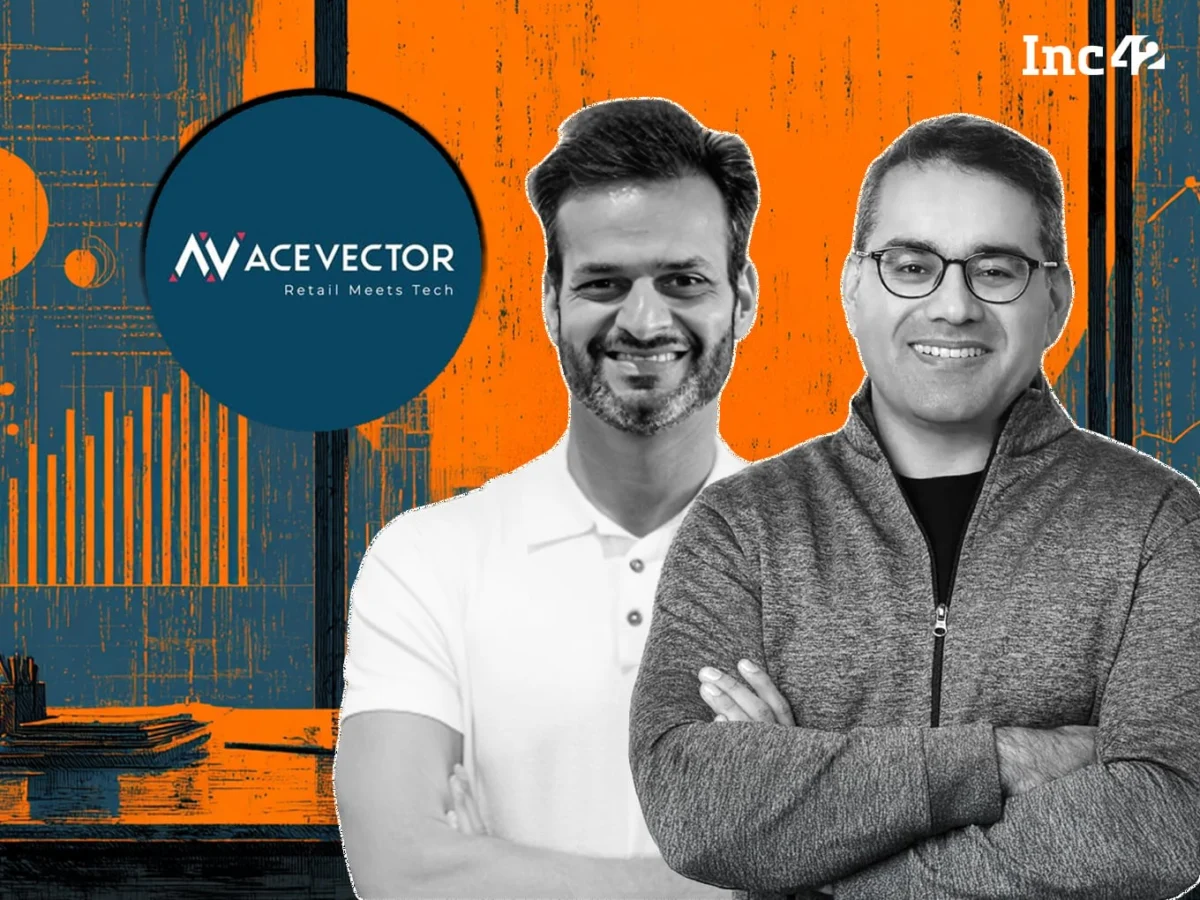
AceVector’s journey to the bourses has been far from conventional. Founded in 2010 by Kunal Bahl and Rohit Bansal, Snapdeal was once the primary challenger to the Amazon-Flipkart duopoly. However, following the high-profile collapse of its merger with Flipkart in 2017, the company underwent a radical strategic shift.
Under the AceVector identity, which was adopted in 2022, the group has diversified its portfolio. Its business segments now include the publicly listed ecommerce enablement platform, Unicommerce, and the consumer brands business, Stellaro Brands. This diversification has been reflected in the company’s recent financial performance, which highlights a significant improvement in efficiency.
For the fiscal year 2026 (FY26), AceVector reported a restated net loss of ₹45.5 crore—a dramatic 64% reduction from the ₹126.3 crore loss recorded in FY25. Simultaneously, operating revenue saw a robust growth of 29.2%, rising to ₹510.3 crore from ₹395 crore in the previous year. This trajectory indicates that the company’s "value-first" strategy, targeting budget-conscious consumers, is beginning to yield tangible financial results.
Market Implications and Future Outlook
The listing of AceVector, expected on October 5 on both the BSE and the National Stock Exchange (NSE), will be a bellwether for the "second wave" of Indian tech IPOs. Unlike the first wave of high-growth, cash-burning startups that entered the market between 2021 and 2022, AceVector represents a "post-pivot" model. The company is betting on profitability and niche market dominance rather than sheer scale-at-all-costs.
Investors are likely evaluating the stock based on several key metrics:
- The "Unicommerce" Effect: As a parent company to a successful listed tech-enablement firm, AceVector benefits from the synergies within its ecosystem.
- Value-Commerce Resilience: With inflation concerns impacting discretionary spending, Snapdeal’s focus on tier-2/3 consumers is seen as a defensive hedge.
- The Valuation Gap: The IPO is priced to invite participation, but the ultimate success depends on whether the market believes in the long-term sustainability of the ecommerce pivot.
As the IPO remains open until Tuesday, September 29, all eyes will be on the QIB participation. Should institutional demand pick up over the next three days, it would validate the management’s long-term vision of transforming a legacy marketplace into a multifaceted, tech-driven retail conglomerate. Conversely, a lukewarm institutional response could lead to a muted listing, potentially impacting the company’s future plans for expansion and acquisition.
For the founders, Bahl and Bansal, this IPO is more than just a capital-raising exercise; it is a validation of a decade-long struggle to reposition their brand in a market that has fundamentally changed since their inception. The road to October 5 will be closely watched by analysts, retail participants, and the startup ecosystem alike.



