







By Tech & Gadgets Desk
Published: October 24, 2026
Introduction and Main Facts
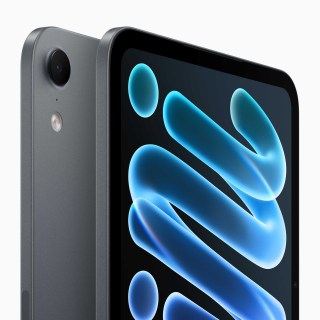
Apple has officially taken the wraps off its highly anticipated iPad mini (2026), introducing a landmark update to its smallest tablet form factor. For the first time in the product line’s history, the iPad mini has transitioned to an OLED display, promising deeper blacks, richer contrast, and enhanced energy efficiency. Under the hood, the device is powered by Apple’s cutting-edge A20 Pro silicon. However, the rollout is not without controversy: Apple has implemented a "binned" chip strategy for the entry-level configurations, meaning buyers of the 128GB and 256GB models will receive a stripped-down version of the processor compared to the top-tier 512GB variant.
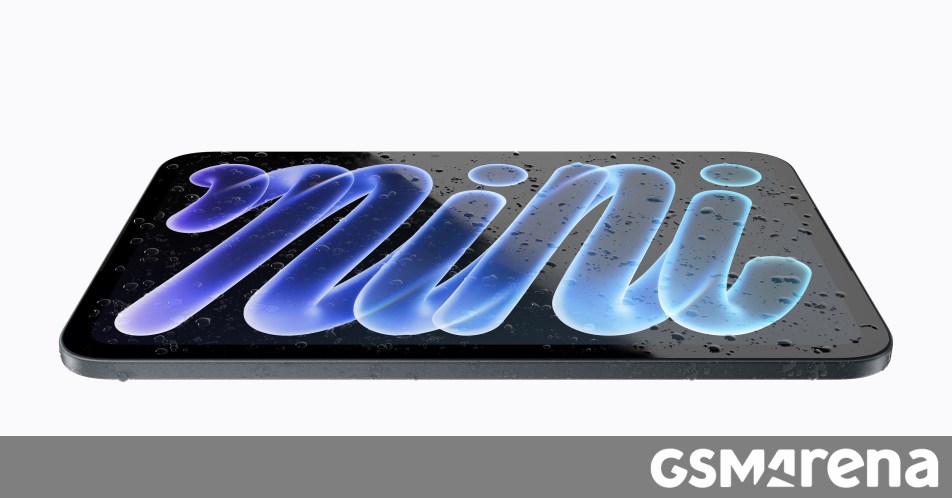
The new tablet also features a redesigned "Acoustic Display" audio system, a significantly slimmer and lighter chassis, IP67 dust and water resistance, Wi-Fi 7 connectivity, and Apple’s custom C2 modem for 512GB cellular models. Starting at $699 for the base 128GB Wi-Fi configuration, the iPad mini (2026) aims to redefine the compact tablet market, even as tech enthusiasts scrutinize the performance tiering introduced by Apple this year.
Chronology of the iPad Mini Line and the 2026 Launch
To understand the significance of the 2026 iPad mini, it is helpful to look back at the trajectory of Apple’s compact tablet line.
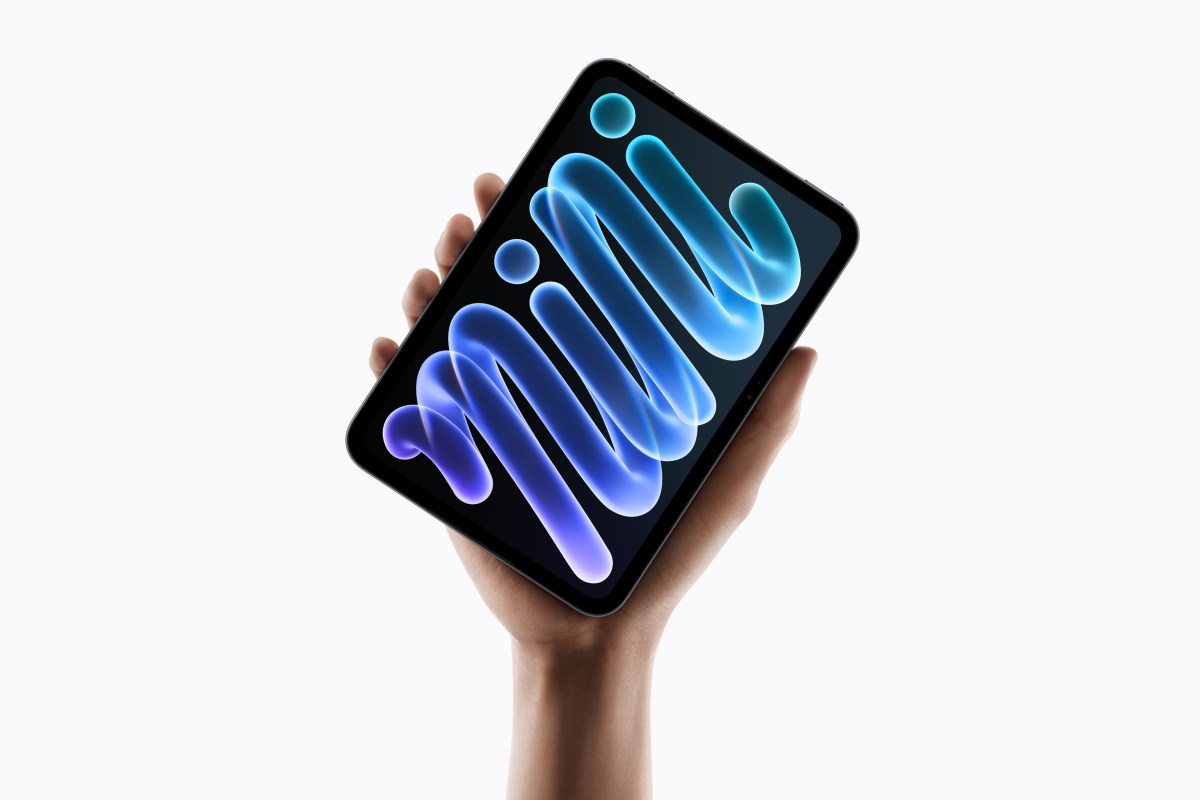
- The Early Years (2012–2019): Launched initially as a more portable alternative to the standard 9.7-inch iPad, the original iPad mini was beloved for its one-handed usability. Over the years, Apple upgraded it with Retina displays and Touch ID, but it largely remained a secondary device with mid-range internals.
- The 2021 Redesign: Apple radically overhauled the form factor with the sixth-generation iPad mini, introducing an all-screen design, flat sides, USB-C, Apple Pencil 2 support, and the A15 Bionic chip. This positioned the mini not just as a casual media consumption device, but as a powerhouse for note-takers, pilots, and creatives.
- The 2024 Iteration: An incremental refresh kept the momentum going, though critics noted that the lack of high refresh rate screens and OLED technology was beginning to make the device feel dated compared to Apple’s iPhone and iPad Pro lineups.
- The Road to October 2026: Rumors surrounding an OLED iPad mini began circulating in earnest late last year. Industry insiders correctly predicted that Apple would transition away from LCD technology. On October 24, 2026, Apple formally announced the device via a press release, setting pre-orders for October 28 and retail availability for November 6, 2026.
Supporting Data, Specifications, and Hardware Deep Dive
The 2026 iPad mini is a masterclass in engineering compactness, but it comes with a complex web of internal trade-offs that consumers must navigate.
Display Technology
The device is built around an 8.5-inch Super Retina XDR OLED display with a resolution of 2,316 x 1,512 pixels. It boasts a peak brightness of 1,200 nits, significantly brighter than its predecessors, and features thinner bezels that maximize screen real estate within a smaller footprint. Apple is also offering an optional nano-texture glass configuration for users who work in brightly lit environments and require glare reduction.
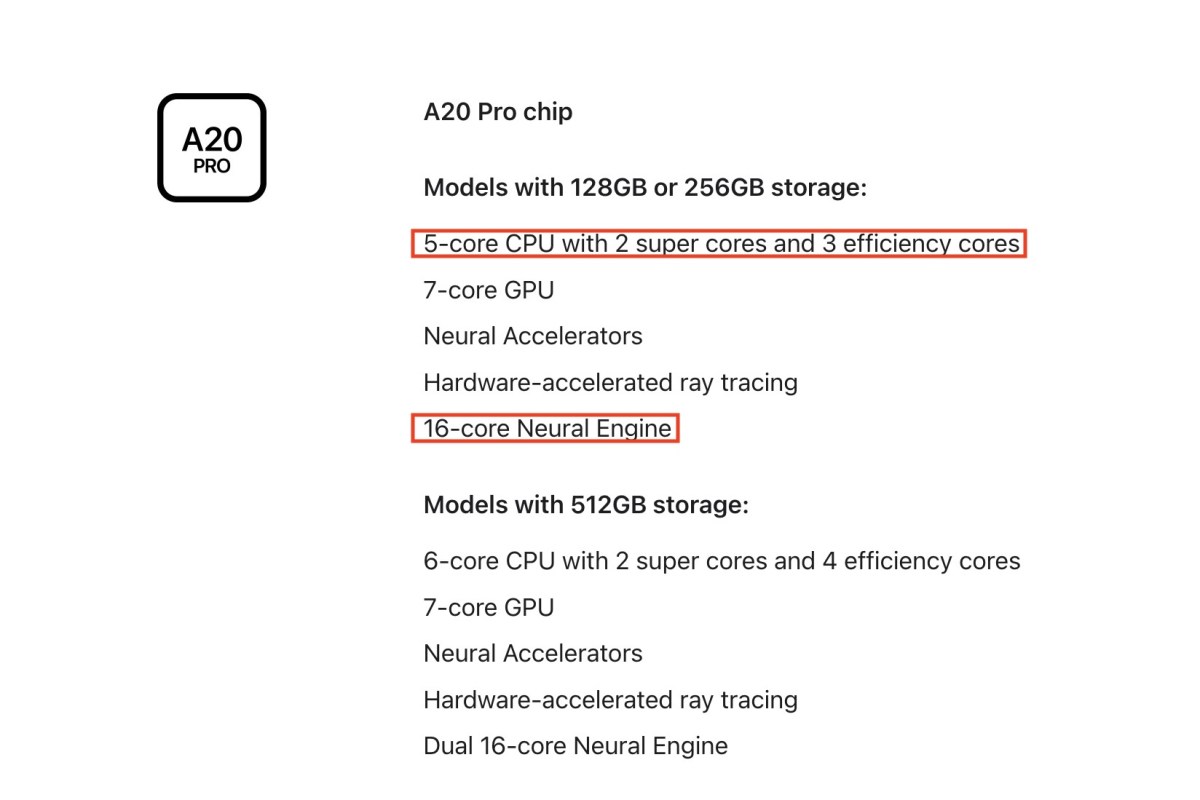
Notably, Apple has opted to retain a 60Hz refresh rate, withholding its ProMotion (120Hz) technology from the mini lineup for another generation. The display fully supports both the Apple Pencil Pro and the budget-friendly Apple Pencil (USB-C), paired with a landscape-oriented 12MP Center Stage front-facing camera.
The A20 Pro Chip Controversy
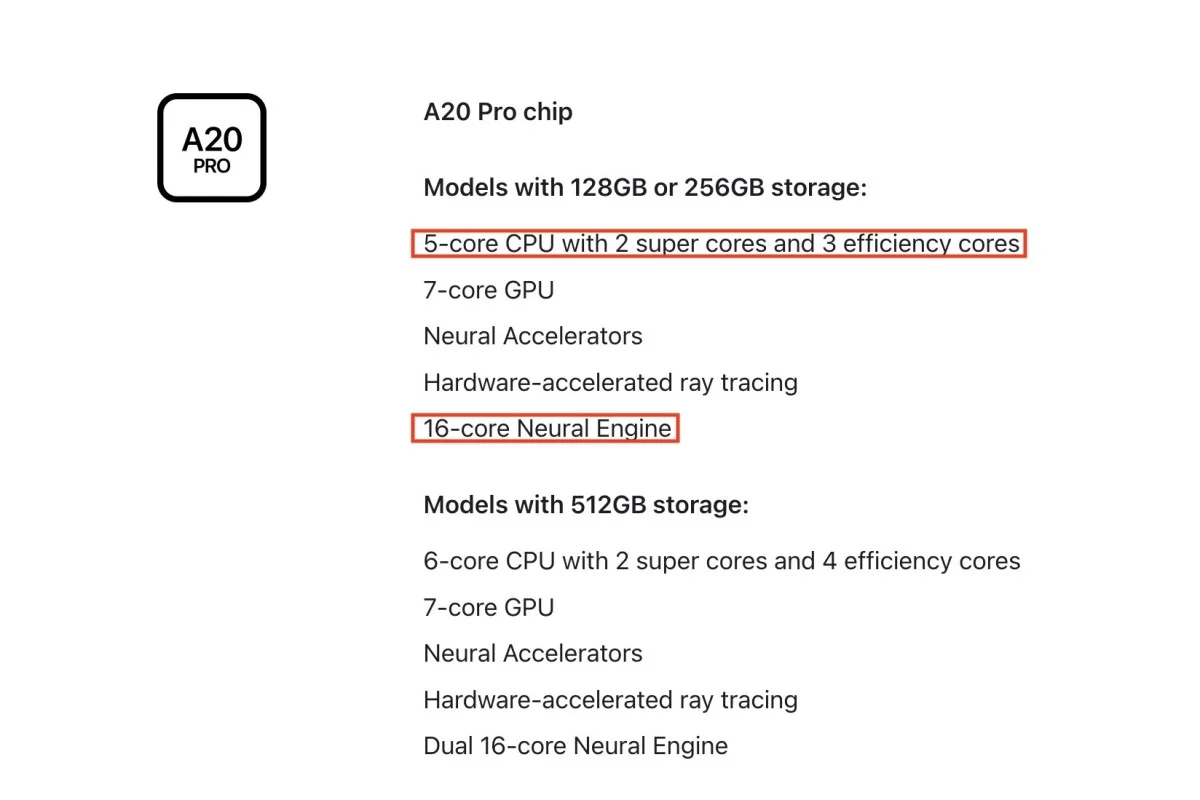
While the inclusion of the A20 Pro chip sounds like a uniform win, Apple’s specification sheet reveals a significant differentiator based on storage capacity:
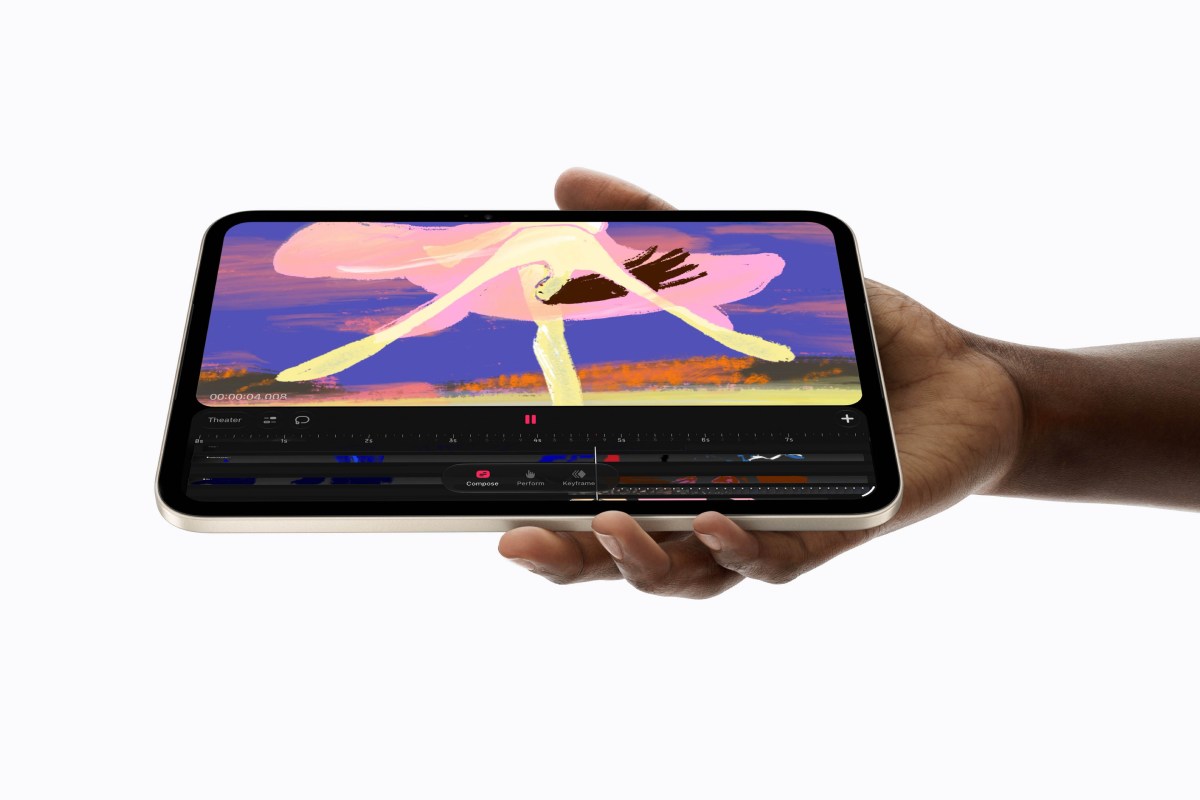
- 128GB and 256GB Models: These configurations feature a binned CPU with five cores (compared to the full six cores on the 512GB model). Specifically, the lower storage tiers sacrifice one efficiency core and deliver only half the Neural Processing Unit (NPU) power of the top-end model.
- 512GB Model: Receives the unbinned, fully powered A20 Pro chip with all six CPU cores and maximum NPU capabilities.
Aside from these processing and NPU discrepancies, all other hardware specifications—including RAM allocations and GPU capabilities—remain consistent across the lineup.
Audio: "Acoustic Display" Technology
In a novel hardware shift, Apple has moved the dual speakers directly under the display, utilizing an "Acoustic Display" setup. This configuration leverages the screen itself as a sound-emitting surface, which Apple claims yields punchier bass and higher overall volume. Additionally, custom tweeters are hidden discreetly between the glass and the aluminum enclosure to ensure crystal-clear highs.
Design, Durability, and Connectivity
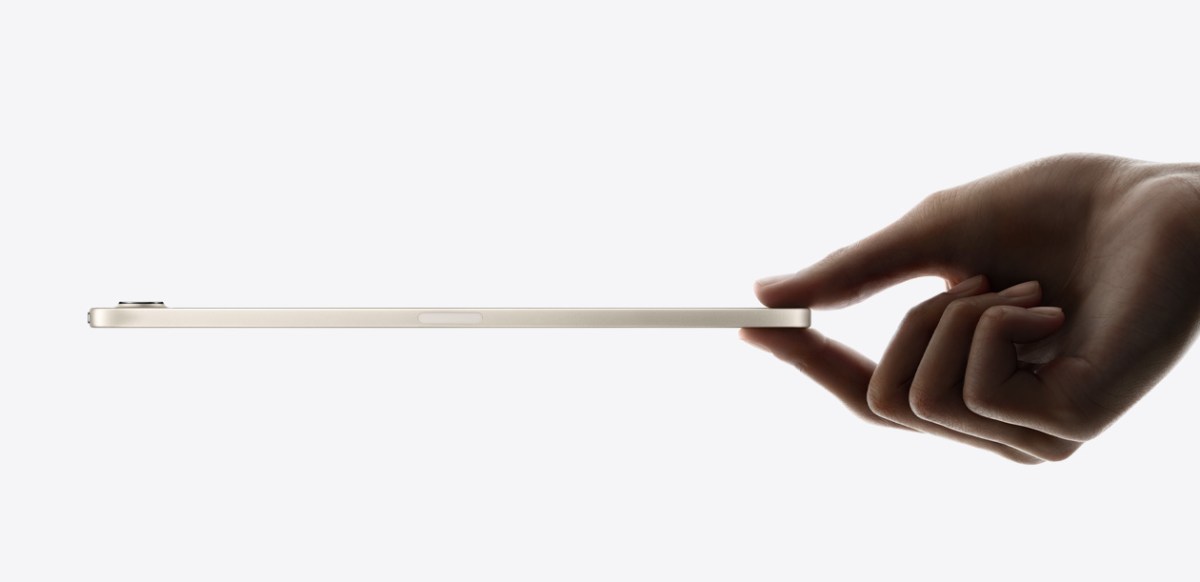
- Dimensions and Weight: The 2026 model measures just 5.4mm thin and weighs 255 grams, a noticeable drop from the 2024 model’s 6.3mm thickness and 297-gram weight.
- Durability: Apple has added official IP67 dust and water resistance, a first for the iPad mini series, offering peace of mind for users who take their devices outdoors.
- Connectivity: The tablet features upgraded Wi-Fi 7 (802.11be). Cellular configurations utilize eSIM technology alongside Apple’s proprietary C2 modem, supporting sub-6 GHz 5G networks.
- Battery and Charging: Powered by an 18.9Wh battery, the device supports USB-C charging. Apple advertises a 50% charge in approximately 30 minutes when paired with a 35W or higher power adapter. The USB-C port also supports USB 3 data transfer speeds of up to 10Gb/s.
Global Pricing Structure
| Region | 128GB Wi-Fi | 128GB Cellular | 256GB Wi-Fi | 256GB Cellular | 512GB Wi-Fi | 512GB Cellular |
|---|---|---|---|---|---|---|
| US | $699 | $849 | $799 | $949 | $999 | $1,149 |
| Germany | €749 | €919 | €879 | €1,049 | €1,129 | €1,299 |
| UK | £699 | £849 | £799 | £949 | £999 | £1,149 |
| India | ₹82,900 | ₹1,09,900 | ₹94,900 | ₹1,12,900 | ₹1,18,900 | ₹1,36,900 |
| China | ¥5,499 | ¥6,799 | ¥6,299 | ¥7,599 | ¥7,999 | ¥9,299 |
| Japan | ¥119,800 | ¥144,800 | ¥128,800* | ¥161,800 | ¥171,800 | ¥196,800 |
(Note: Regional pricing reflects local taxes, import duties, and currency fluctuations as outlined in Apple’s official release).
Official Responses and Industry Reception
Apple’s official marketing messaging heavily emphasizes the transition to OLED, describing the 2026 iPad mini as "the ultimate fusion of portability and uncompromising visual fidelity." Executives have pointed to the reduction in physical thickness—bringing the device down to 5.4mm—as a major engineering triumph made possible by the integration of the Acoustic Display system and thinner OLED substrates.
However, independent tech analysts and consumer advocacy groups have voiced mixed reactions, specifically regarding the binned A20 Pro chips in the 128GB and 256GB models.
- The Critic’s View: Many reviewers argue that segmenting a processor based on storage capacity creates consumer confusion. Halving the NPU power on entry-level models could potentially limit the longevity of these devices, especially as Apple Intelligence features become more demanding over time.
- The Defender’s View: Conversely, hardware apologists note that for average media consumers, note-takers, and casual web browsers, the performance difference between a five-core and a six-core CPU on an 8.5-inch tablet will be negligible in day-to-day tasks.
Implications for the Market and Consumers
The release of the 2026 iPad mini sends several clear signals to the broader consumer electronics market:
- The Death of LCD in Premium Portables: Apple’s aggressive push of OLED technology down to its smaller tablet lines indicates that LCD is officially being phased out for premium mobile devices. Consumers should expect competing brands to accelerate their own OLED tablet rollouts.
- Pricing Pressure on Entry-Tier Buyers: With a starting price of $699, the iPad mini has drifted further away from "budget-friendly" territory. When combined with the performance penalty on the 128GB and 256GB models, buyers looking for a cost-effective entry point are being nudged to either accept compromised hardware or pay significantly more for the 512GB tier.
- Ergonomic Excellence: For professionals such as drone pilots, field researchers, healthcare workers, and digital artists who rely on a one-handed form factor, the combination of a lighter 255g chassis, IP67 water resistance, and Wi-Fi 7 makes this an immensely attractive upgrade despite the pricing and chip controversies.
Summary of Key Dates
- Pre-orders Open: October 28, 2026
- Official Release / First Deliveries: November 6, 2026
- Available Colors: Midnight and Starlight