










By Editorial Staff
October 11, 2026
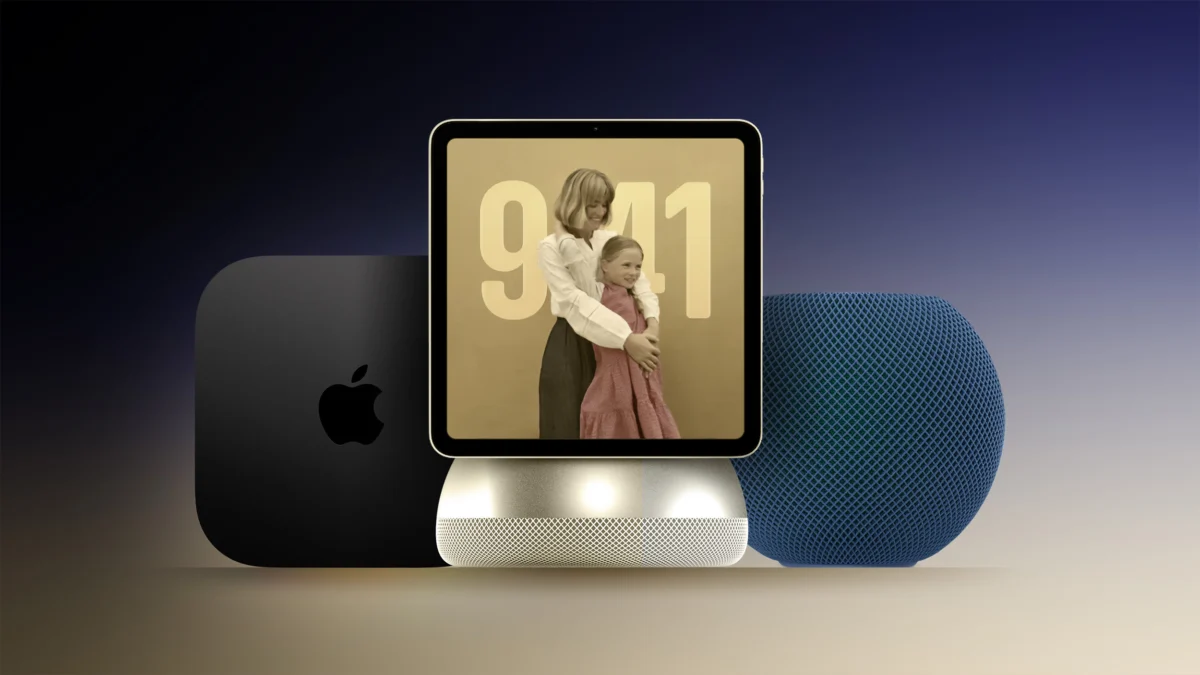
As the clock ticks down to Apple’s highly anticipated "Welcome Home" experience in New York City, scheduled for October 13, 2026, the technology world is buzzing with unprecedented intensity. What began as a series of whispered rumors and subtle leaks has culminated in a significant report from Bloomberg’s Mark Gurman, which appears to peel back the curtain on Apple’s strategic pivot toward a unified smart home ecosystem. With just 48 hours remaining until the event, the industry is bracing for a trifecta of hardware updates: a revolutionary smart home hub, a long-awaited refresh to the HomePod mini, and a high-performance evolution of the Apple TV 4K.
Main Facts: The Core Announcements
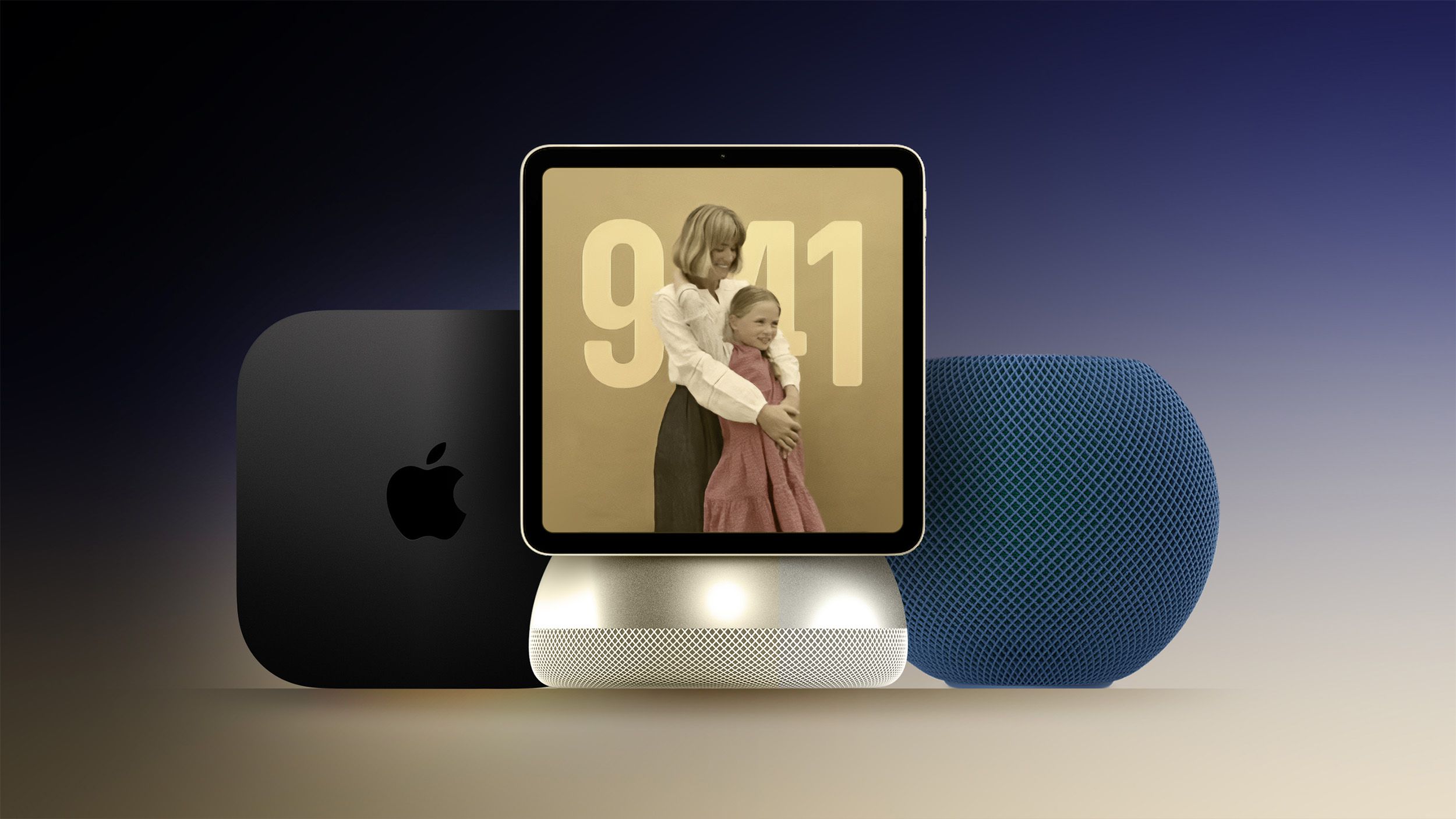
According to the latest disclosures, Apple is preparing to reclaim its foothold in the living room. The centerpiece of the October 13 event is expected to be "HomeView," a dedicated smart home hub designed to act as the central nervous system for Apple’s HomeKit-enabled ecosystem.
The HomeView Hub
The HomeView device represents Apple’s most aggressive foray into home automation to date. Sources indicate that this is not merely a speaker, but a visual command center. Expected to feature a mounted, high-definition display, the device will likely serve as the primary interface for controlling lights, security cameras, thermostats, and other HomeKit accessories. By consolidating these controls into a dedicated hardware unit, Apple aims to eliminate the friction often associated with app-based navigation, providing a "glance-and-act" solution for modern households.
The HomePod mini 2
While the original HomePod mini has been a staple of the Apple audio lineup since 2020, its successor—the HomePod mini 2—is poised to introduce meaningful internal improvements. While the external silhouette is rumored to remain largely consistent with its predecessor to maintain compatibility with existing accessories, the internals are expected to receive a significant boost in processing power, likely utilizing a variant of the S-series chip found in Apple’s wearable line to facilitate faster Siri processing and enhanced spatial audio capabilities.
The Apple TV 4K (4th Generation)
Rounding out the hardware refresh is the 4th-generation Apple TV 4K. Despite the device’s external design remaining virtually identical to the current model—a move that underscores Apple’s focus on internal hardware evolution over aesthetic redesign—the new unit is expected to be a powerhouse. Speculation points toward a significantly faster processor, potentially optimized for high-end gaming and advanced AI-driven upscaling, ensuring that Apple remains competitive in the crowded streaming media player market.
Chronology of the Leaks
The path to this week’s unveiling has been paved with months of investigative work and technical discoveries. The chronology of these leaks illustrates a methodical buildup of anticipation.
- September 25, 2026: The first major cracks in Apple’s secrecy appeared when MacRumors contributor Aaron Perris uncovered internal image files within Apple’s own server infrastructure. These files explicitly referenced an "Apple TV 4K (4th generation)" and suggested new colorways for the HomePod mini.
- Late September 2026: Further investigation by the tech community revealed mentions of an "A20 Pro" chip integration in forthcoming small-form-factor devices, including the next iPad mini, which served as a technological breadcrumb trail leading to the realization that Apple was preparing a total refresh of its mid-range product stack.
- October 8, 2026: Apple officially sent out invitations for the "Welcome Home" experience in New York, confirming the location and the thematic focus of the upcoming event.
- October 11, 2026: Bloomberg’s Mark Gurman published a comprehensive newsletter detailing the release timeline. Notably, Gurman suggested that while the hardware would be announced on October 13, the highly anticipated "HomeView" hub would not hit retail shelves until mid-November, providing Apple with a critical buffer for supply chain optimization.
Supporting Data: The Technical Underpinnings
The shift toward the "HomeView" architecture is not coincidental. Apple has been quietly building the infrastructure for this move for years, beginning with the transition to the "Matter" smart home standard.
Processing Power and AI
The integration of the A20 Pro-class silicon into home devices is a strategic necessity. As Apple pushes forward with its proprietary AI initiatives, the need for "on-device" intelligence has become paramount. By offloading complex voice recognition, scene automation, and security camera facial recognition to local chips—rather than relying on cloud-based processing—Apple can offer users faster response times and significantly higher privacy standards.
Market Context
Data from Q3 2026 indicates that while Apple remains a dominant player in the premium smartphone and tablet markets, its share of the smart home hub market has faced stiff competition from Amazon’s Echo Show and Google’s Nest Hub lineups. These competitors have long utilized visual interfaces to capture the "kitchen counter" market. Apple’s decision to finally enter this arena with HomeView is a direct response to consumer demand for a centralized, privacy-focused visual controller that respects the Apple ecosystem’s data encryption policies.
Official Responses and Corporate Positioning
As is standard practice, Apple has maintained a strict "no comment" policy regarding the specific contents of the October 13 event. However, the tone of the "Welcome Home" invitation, coupled with the strategic timing of the event, signals a shift in corporate rhetoric.
Apple executives have recently emphasized the concept of "Ambient Computing"—a vision where technology is present when needed and invisible when not. By launching a dedicated hub, Apple is signaling that it no longer views the home as a place where devices exist in isolation, but as a cohesive platform. The company is expected to lean heavily into the "HomeKit" brand during the presentation, highlighting the interoperability between the new hub and the millions of existing Apple devices already in users’ pockets.
Implications: The Future of the Apple Home
The release of these three devices will have profound implications for the consumer electronics landscape.
1. The Death of the "Fragmented" Home
For years, Apple users have relied on a combination of iPhones, iPads, and Siri-enabled speakers to manage their homes. The HomeView hub effectively centralizes this. By providing a dedicated screen, Apple is catering to families who want a shared interface that doesn’t require unlocking a personal smartphone to adjust the thermostat or check the front door.
2. A New Gaming Frontier
The 4th-generation Apple TV 4K, when paired with a more powerful processor, suggests that Apple is not giving up on the living room as a gaming hub. With cloud gaming services becoming more robust and the hardware capabilities of the Apple TV reaching console-like performance, we may see a renewed push for Apple Arcade, positioning the Apple TV as a legitimate competitor to traditional gaming consoles.
3. Sustainability and Longevity
By maintaining the external design language of the Apple TV and the HomePod mini, Apple is likely attempting to address consumer concerns regarding electronic waste. If the new internal components fit into existing mounting brackets and form factors, users are more likely to upgrade their existing units without needing to replace entire home entertainment setups, a move that aligns with Apple’s long-term environmental and sustainability goals.
4. The Mid-November Challenge
The gap between the October 13 announcement and the rumored mid-November release of the HomeView hub is a critical period for Apple. It allows the company to build "hype" during the pre-holiday season while managing the logistics of a global launch. However, it also opens the door for competitors to release holiday discounts on their own smart displays. Apple’s ability to sell the experience of the HomeView, rather than just the hardware specifications, will be the ultimate test of their marketing prowess.
Conclusion
As the industry prepares for the October 13 event, the narrative is clear: Apple is ready to stop playing a supporting role in the smart home and is prepared to take center stage. Through the introduction of the HomeView hub, the iterative improvement of the HomePod mini, and the performance-focused evolution of the Apple TV 4K, the company is betting that consumers are ready for a more unified, intelligent, and private home experience. Whether these devices will successfully bridge the gap between niche enthusiast gear and mainstream household essentials remains to be seen, but one thing is certain: the "Welcome Home" event in New York will be one of the most consequential product launches of 2026.



