


GLOBAL — Finding consistent, high-paying illustration work through traditional freelance marketplaces has become an uphill battle for digital creatives. A quick search across major mainstream platforms often yields fewer than 100 outdated, highly competitive job postings for freelance artists. For many creators, relying solely on sporadic client commissions or waiting for algorithmic favor on social media is no longer a viable path to financial stability.
To thrive in today’s digital marketplace, freelance illustrators are moving past traditional job boards. By building diversified monetization systems, top-tier artists are generating sustainable, multi-six-figure incomes. Industry insights, historical earnings data, and modern digital strategies reveal how contemporary illustrators are rewriting the rules of creative entrepreneurship.

Main Facts: The State of the Modern Freelance Illustration Market
The traditional freelance pipeline—where an artist creates a profile on a generalist job site and waits for inbound work—is fundamentally broken for visual artists. Generalist platforms are saturated with web developers and copywriters, leaving illustration as an afterthought.
Consequently, successful contemporary artists treat their craft as a diversified business rather than a single-stream job. Modern monetization for illustrators spans across active service provision, passive digital asset sales, print-on-demand e-commerce, educational content creation, and direct audience patronage. By decoupling their income from hourly client billing, artists can scale their revenue well beyond the limitations of the traditional 40-hour workweek.

Chronology: The Evolution of Digital Art Monetization
- The Early 2000s (The Commission Era): Early internet art communities like DeviantArt pioneered direct-to-consumer art commissions, allowing hobbyists and digital painters to trade custom artwork for direct peer payments or platform points.
- The 2010s (The Rise of Marketplaces): Platforms specializing in graphic assets—such as Creative Market, GraphicRiver, and Envato Elements—emerged, enabling vector artists and typographers to sell digital products passively to a global audience.
- The Mid-2010s (Print-on-Demand Disruption): Services like Redbubble, Society6, and Printful revolutionized physical merchandise. Artists could finally sell custom t-shirts, mugs, and posters without managing inventory, manufacturing logistics, or shipping.
- The 2020s (Creator Economy and Webcomics): Platforms like Webtoon, Patreon, YouTube, and specialized educational networks (Skillshare, Udemy) gave illustrators direct control over audience monetization, transforming storytelling and teaching into primary revenue pillars.
- Present Day (The Multi-Stream Ecosystem): Today’s successful freelance illustrator rarely relies on a single income source, combining social media acquisition, passive asset sales, and direct client work into a resilient financial ecosystem.
Supporting Data: Earning Potential and Market Realities
How much can an illustrator realistically expect to earn? Income distribution in the art industry is exceptionally wide, characterized by a few high-earning outliers and a vast base of hobbyists.
- The Top Earners: According to historical industry income surveys conducted by 3×3 Magazine, top-tier US illustrators have recorded annual earnings nearing $948,000. Significantly, over half ($530,000) of that top-bracket revenue derived from secondary and passive sources, such as print sales and licensed vector work.
- Geographic Benchmarks: The average income for elite commercial illustrators based in high-cost-of-living creative hubs like New York hovers around $100,000 annually. Conversely, entry-level artists frequently earn less than $1,000 in their first year while building their portfolios.
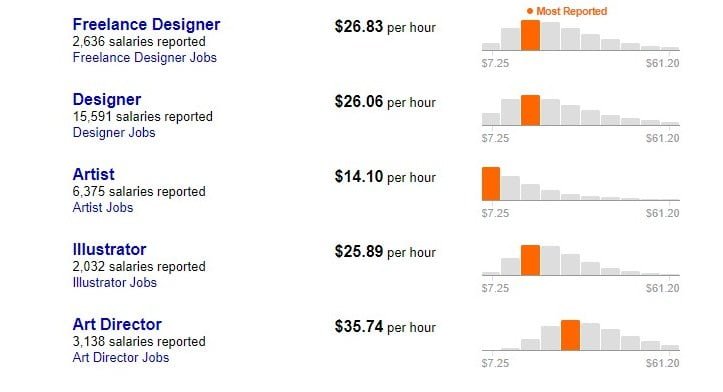
- Hourly Rates: Data compiled by Indeed Salaries indicates that the average hourly rate for a freelance illustrator in the United States is approximately $25 per hour, though specialized professionals command significantly higher project fees.
- Passive Milestones: Established stock illustrators and vector designers frequently report earning upwards of $66,000 annually purely from digital asset licensing on design marketplaces.
Official Responses and Industry Perspectives
Experienced creative consultants and veteran freelancers emphasize that survival in the modern digital economy requires entrepreneurial agility.

Industry veterans note that waiting for work to appear on mainstream gig sites is a recipe for burnout. Instead, creative professionals advise treating social media not merely as a portfolio gallery, but as a top-of-funnel customer acquisition tool. By directing engaged social media followers to specialized commission pages or digital storefronts, artists convert casual scrollers into paying clients.
Furthermore, platform developers and marketplace architects point out that consumers increasingly value authentic, niche-specific digital assets over generic stock imagery. Illustrators who identify underserved visual niches—such as bespoke character design, specific aesthetic vectors, or specialized hand-lettering—consistently outperform generalists.
Implications for Independent Creators
The shift away from traditional job boards toward diversified income systems carries profound implications for the future of digital art:
- Reduced Platform Risk: Relying on a single job board or social media algorithm exposes artists to sudden shifts in policy or visibility. Diversification across multiple revenue streams shields creators from economic volatility.
- Scalability Over Time: Active work (client commissions and hourly gigs) trades time directly for money. By integrating passive streams—such as font creation, stock vectors, and online courses—artists decouple their income from their physical hours worked.
- The Rise of the "Solopreneur" Artist: Modern illustrators must wear multiple hats: creator, marketer, educator, and storefront manager. Those who embrace this entrepreneurial mindset are vastly more likely to achieve long-term financial independence.
13 Actionable Strategies to Monetize Your Illustration Skills
1. Target Niche Online Gigs and Job Boards
While generalist platforms like Upwork or Freelancer rarely feature robust illustration pipelines, niche job boards and specialized tech marketplaces frequently list high-paying creative contracts. Researching design-specific boards is essential for uncovering sustainable freelance relationships.

2. Secure Art Commissions
Art commissions remain a staple for independent creators. Platforms like DeviantArt allow clients to request custom pieces directly. To succeed with commissions, establish a clear pricing tier, showcase your portfolio prominently, and direct prospective clients from social media to a dedicated request form.
3. Sell Vector Designs on Marketplaces
Passive income is the holy grail for digital artists. Marketplaces such as Creative Market, GraphicRiver, and Envato Elements allow you to sell character designs, icon packs, and vector illustrations repeatedly without ongoing labor. Success in this space relies on identifying profitable visual niches and consistently supplying high-demand assets.

4. Monetize Through Posters and Fine Art Prints
Physical prints allow fans to own a piece of your digital art. Rather than handling printing and fulfillment yourself, leverage print-on-demand partners like Society6 or Printful. These platforms manage production and global shipping, distributing a royalty percentage to you for every sale.
5. Launch a Custom T-Shirt and Merchandise Line
Apparel design requires zero manufacturing overhead when paired with modern print-on-demand infrastructure. By uploading high-resolution illustrations to platforms like Redbubble or Design By Humans, you can offer custom t-shirts, mugs, and phone cases that generate passive revenue while you sleep.

6. Leverage Social Media for Client Acquisition
Active platforms like Instagram, Twitter, and TikTok serve as powerful magnets for prospective clients. Use these channels to showcase your process videos, post finished pieces, and direct interested parties to your booking or commission pages. Many artists build part-time micro-businesses generating hundreds of dollars a month purely from inbound Instagram requests.
7. Participate in Design Competitions
While design contests are rarely recommended for full-time professionals due to speculative labor concerns, they remain a viable stepping stone for beginners. Winning or placing in recognized design contests helps novices build credibility, win cash prizes, and secure early portfolio validation.

8. Master Hand Lettering
Typography and hand lettering are heavily sought after in branding, web design, and greeting card production. Developing this secondary skill makes you an invaluable commercial asset. You can sell custom wedding invitations, partner with web designers for referral fees, or license your hand-drawn alphabets.
9. Create and Sell Custom Digital Fonts
Translating hand-lettering skills into functional typography opens a lucrative recurring revenue stream. By designing and uploading handmade fonts to marketplaces like MyFonts or Creative Market, you can earn royalties every time a brand or designer licenses your typeface.

10. Build and Publish an Online Course
Education is one of the most profitable avenues for experienced artists. Recording screencasts of your drawing process and publishing them on platforms like Udemy, Skillshare, or Tutpad can yield substantial passive returns. Popular instructional courses frequently generate tens of thousands of dollars over their lifetime.
11. Publish a Digital Web Comic
If you excel at sequential art, platforms like Webtoon offer a free, expansive stage to publish digital comics and build a dedicated readership. Creators frequently monetize this built-in audience by linking to Patreon accounts, successfully converting casual readers into recurring patrons.

12. Start an Artist YouTube Channel
YouTube monetization takes time, but it builds an invaluable long-term asset. Filming timelapse videos, art tutorials, or industry commentary establishes authority, drives traffic to your digital storefronts, and opens secondary revenue streams via ad revenue and brand sponsorships.
13. Execute Strategic Cold Emailing
Do not wait for work to find you. Identify businesses, digital agencies, or tech startups that could benefit from custom visual campaigns, and reach out directly. A well-crafted cold email pitching a specific, creative solution to a brand’s visual needs can bypass traditional competition entirely.

Conclusion
The path of the modern freelance illustrator requires moving beyond outdated gig platforms and embracing a diversified business model. By combining active client acquisition with passive digital assets, print-on-demand merchandise, and educational content, digital artists can transform their creative passion into a secure, scalable, and highly profitable enterprise.