










SAN FRANCISCO — In the rapidly shifting landscape of enterprise technology, a new term dominated the discourse at this year’s Dreamforce conference: the "AI harness." Dismissed by some casual observers as yet another fleeting tech buzzword, industry analysts and platform architects argue that the concept represents a fundamental evolution in how growing companies deploy artificial intelligence safely, efficiently, and at scale.
For small-and-medium-sized businesses (SMBs), understanding the mechanics of an AI harness—and how it integrates with an organization’s customer relationship management (CRM) platform—has become the premier step toward implementing trusted, reliable AI systems. As AI rapidly transitions from a novelty chatbot era into an age of autonomous agents, the enterprise challenge is no longer about finding powerful models, but about governing them correctly.
Main Facts: Deconstructing the AI Harness
At its core, an AI harness is a comprehensive set of guardrails, access permissions, and shared contextual frameworks. It allows artificial intelligence to interact with sensitive business data safely, eliminating the risks of guessing, hallucinating, or unintentionally exposing private information.
Often referred to in agentic computing as an "AI agent harness," this technology acts as the vital connective tissue governing what autonomous agents can see, what actions they are permitted to execute, and how they maintain an audit trail to prove their operations complied with business rules.
Salesforce introduced its proprietary iteration of this infrastructure: the Enterprise AI Harness. Built as a live, dynamic interface, it provides AI systems with a centralized, unified understanding of a business. Instead of operating on assumptions, the harness ensures artificial intelligence acts strictly within authorized permissions.
Without a harness, AI tools typically operate in frustrating operational silos. One isolated bot might understand a company’s sales pipeline, while another handles customer support tickets, yet neither communicates with the other. An AI harness breaks down these silos, ensuring every agent operates from the exact same single source of truth regarding customer history. For lean teams, this consistency is the differentiator that allows them to punch well above their weight class.
Chronology: The Journey to Agentic AI and Governance
The introduction of the Enterprise AI Harness and related ecosystems did not happen in a vacuum. It represents a calculated progression in the enterprise software market over the past several years:
- The Chatbot Boom: Early enterprise AI tools were isolated utilities designed to answer simple queries or draft emails, frequently plagued by data hallucinations and security vulnerabilities.
- The Rise of CRM-Centric AI: Recognizing that AI requires contextual data, tech providers began embedding large language models directly into CRM architectures, giving algorithms access to customer records.
- The Shift to Agentic Workflows: AI evolved from passive assistants to active "agents" capable of executing multi-step workflows autonomously, exponentially increasing the need for strict operational boundaries.
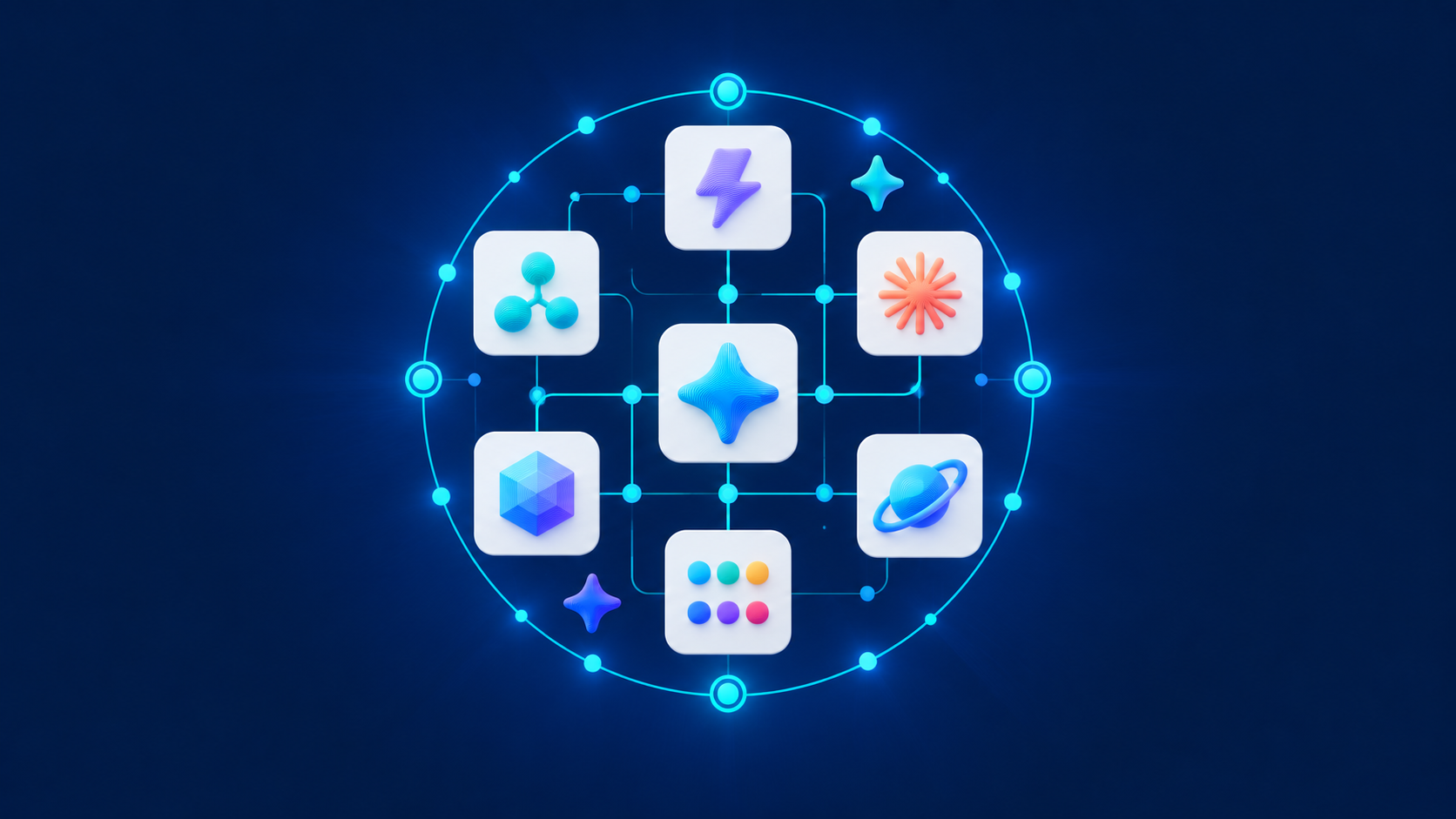
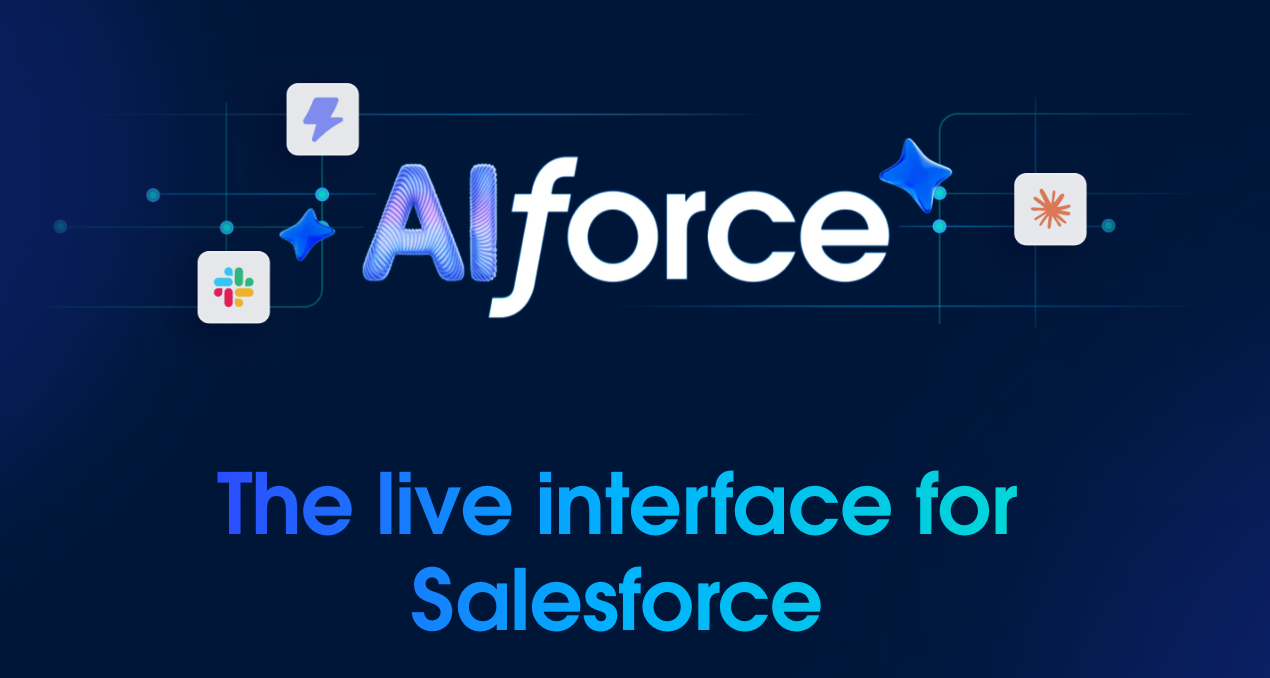
- Dreamforce Unveiling: Salesforce officially spotlighted the Enterprise AI Harness and AIforce at Dreamforce, providing a framework to carry trusted enterprise data and logic across multiple user interfaces, including Slack, Claude, and native CRM environments.
Supporting Data: The Trust Imperative in SMBs
The urgency behind deploying structured governance layers like an AI harness is underscored by compelling market research. According to comprehensive data from Salesforce’s SMB research reports, technology adoption among smaller businesses is hitting new milestones, yet consumer trust remains fragile.
- 76% of SMB customers report that their internal teams are now striving to operate from a unified view of the customer, minimizing the friction of tracking down fragmented communication histories.
- 64% of consumers still believe that corporations are reckless with their personal and business data.
This juxtaposition exposes a significant trust gap in the market. While businesses are eager to leverage AI to automate workflows and drive growth, they must do so in a manner that alleviates customer anxiety regarding data privacy. An embedded AI harness directly addresses this apprehension by hardcoding security and permission parameters straight into the AI’s operational core.
Official Responses and Strategic Vision
Salesforce leadership has emphasized that the goal of these innovations is to democratize advanced enterprise capabilities for lean organizations. Historically, configuring secure AI infrastructure required massive dedicated IT and operations teams. With the integration of Agentforce and the newly unveiled AIforce layer, small teams can bypass the overhead of manual data governance.
"An AI harness gives your business the same foundation of trust and context that bigger companies are racing to build—without needing a bigger team to manage it," notes product documentation from Salesforce.
By pushing enterprise logic into third-party or native interfaces like Slack and Claude via AIforce, Salesforce is signaling a shift toward interoperability. Companies are no longer forced to trap their workflows in a single proprietary application; instead, their secure AI harness travels with them wherever work happens.
Implications for Small Teams and Daily Operations
For small businesses operating on tight margins and lean headcounts, the implications of a native AI harness are transformative.
Eradicating Operational Friction
In a traditional small office, customer service and sales handoffs frequently result in dropped threads. An agentic system governed by an AI harness recalls every past interaction, order detail, and preference instantly. This eliminates the classic, awkward customer service delay of "Let me check on that and get back to you."
Democratizing Enterprise Security
Small business owners often avoid advanced automation due to fears of security breaches or data leaks. Because a native harness inherits existing CRM permission models out of the box, unauthorized staff—or misbehaving AI agents—cannot access restricted financial records, payroll details, or sensitive client files.
Doing More Without Extra Headcount
By automating repetitive data entry, lead follow-up categorization, and initial customer support triage through trusted agents, small teams can reallocate hours toward high-value human relationships and strategic growth.
Frequently Asked Questions (FAQ)
What is an AI harness for small business, in simple terms?
An AI harness is the governance layer that lets AI agents access your business data and take action within clear permissions and rules, rather than operating without oversight. It transforms AI from an entertaining novelty into a secure tool you can trust with real customer relationships.
Do I need a separate AI harness if I already use a CRM?
For growing teams, no—provided your CRM is built to include one natively. When the harness is integrated directly into your platform, such as with Agentforce, your AI agents automatically inherit the strict permissions and customer context your human team already relies upon.
Is an AI harness only for large enterprises?
Not at all. Small businesses arguably benefit even more, as a built-in harness allows a lean team to run consistent, automated workflows without hiring extra technical staff to manage security, compliance, or data quality manually.
How does an AI harness connect to Agentforce and AIforce?
Agentforce provides the intelligent AI agents themselves, while a harness (such as the one powering AIforce) provides the shared context, security permissions, and operational governance those agents need to act safely across every tool your team already uses.
What is the first step to setting up an AI harness for a small business?
Start small by identifying a single, high-impact workflow where AI can immediately assist—such as lead follow-up automation or standard customer service triage. Build your strategy around a CRM platform that embeds these guardrails natively rather than attempting to stitch together piecemeal, disconnected AI applications.



