










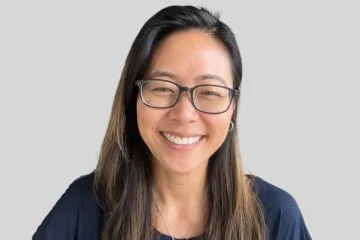
AUSTIN, Texas — In the rapidly expanding landscape of personalized digital health, few sectors are experiencing as much explosive growth—or challenging traditional medicine quite as boldly—as gut microbiome analysis. At the forefront of this movement is Tiny Health, an Austin-based diagnostics firm founded by serial entrepreneur Cheryl Sew Hoy.
To put it bluntly, Sew Hoy’s company deals with waste. But beneath the crude description lies a sophisticated biotech operation designed to decode the 38 trillion microorganisms living inside the human body. By replacing cumbersome clinical procedures with streamlined, direct-to-consumer testing kits, Tiny Health is democratizing access to advanced gut health metrics.
In a recent interview, Sew Hoy sat down to discuss the scientific underpinnings of microbiome health, the grueling journey of bootstrapping a biotech startup during a pandemic, and how her company scaled to secure a massive $33 million Series B funding round.
Main Facts: What is Tiny Health and How Does It Work?
At its core, Tiny Health provides comprehensive gut microbiome testing for consumers, ranging from infants and adults to elite athletes. Customers order a kit online, collect a minuscule stool sample using a specialized, user-friendly swab resembling a Q-tip, and mail it back using a prepaid shipping container.
Unlike traditional medical tests that primarily screen for pathogens, parasites, or markers of disease during a doctor’s visit, Tiny Health leverages cutting-edge shotgun metagenomic sequencing. This advanced technology sequences all microbial DNA present in a sample, offering a high-resolution window into the complex ecosystem of bacteria, viruses, fungi, archaea, and parasites residing in the large intestine.
- The Immune Connection: Approximately 80% of the human immune system resides in the gut. Disruptions or imbalances in this microbiome—known as dysbiosis—are increasingly linked to chronic conditions, metabolic disorders, autoimmune diseases, and even mental health.
- Beyond Basic Digestion: The microbiome is not merely a digestive engine; it synthesizes essential vitamins, produces critical metabolites and enzymes, and trains the immune system.
- High-Performance Applications: Beyond chronic illness prevention, Tiny Health’s client base includes professional athletic teams and elite athletes who rely on precise gut profiling to optimize physical performance, manage travel-induced stress, and accelerate recovery times.
Chronology: From a Newborn Baby to a $33 Million Enterprise
The trajectory of Tiny Health is a masterclass in patient, research-driven entrepreneurship, transitioning from a bootstrapped kitchen-table concept into a heavily funded market player.
2020: The Genesis and R&D Phase
Cheryl Sew Hoy launched Tiny Health in 2020, precisely when her son was just one week old. Recognizing a massive gap in early-life and adult microbiome diagnostics, she spent the first two years—prior to the company’s official public launch in 2022—immersed in academic research.
Because Sew Hoy is neither a scientist nor a physician, she embarked on an intensive self-education campaign, completing PhD-level online coursework to understand the complexities of microbiology and the precise staffing requirements needed to build a credible biotech platform. To guide her vision, she assembled a world-class advisory board featuring clinicians and mentors from institutions like the Mayo Clinic and Johns Hopkins University.
Bootstrapping and the MVP
Sew Hoy initially funded the venture with $50,000 of her own capital. Lacking the funds to pay a traditional staff, she offered equity to early scientific collaborators. This initial $50Investment directly funded a pilot study involving nine human subjects, proving to herself and her advisors that she could successfully build a functional sequencing and reporting platform.
2021–2022: Seed Funding and Public Launch
Armed with a year’s worth of validation data, Tiny Health successfully closed a $4.5 million seed funding round in 2021. This capital injection allowed Sew Hoy to hire her first full-time software engineer and principal scientist. Following extensive platform refinement, the company officially launched to the public in 2022.
(Note: This represents Sew Hoy’s second major venture-funded enterprise. In 2010, she founded a digital wallet and daily deals company in New York, successfully steering it to acquisition by Walmart Labs in 2013.)
The Present: Series B Milestone
Demonstrating rapid consumer adoption and clinical validation, Tiny Health recently closed a massive $33 million Series B funding round, cementing its position as a major contender in the direct-to-consumer health diagnostics sector.
Supporting Data: Customer Acquisition and Growth Metrics
Scaling a direct-to-consumer health tech company requires a diversified marketing ecosystem, balancing digital ad spend with organic education. Sew Hoy outlines the core pillars driving Tiny Health’s customer acquisition strategy:
- Paid Digital Advertising (50% of Acquisition): Meta (Facebook and Instagram) and Google Search serve as the primary paid performance engines for the company. Tiny Health is also scaling its presence on emerging visual and discovery platforms like TikTok and Pinterest.
- Organic Content and Generative AI (50% of Acquisition): Content marketing forms the bedrock of Tiny Health’s organic reach. As search engines evolve, the company is actively optimizing its visibility for Large Language Models (LLMs) and Generative AI platforms, shifting away from legacy SEO tactics.
- Influencer and Email Ecosystems: Email marketing campaigns and partnerships with carefully vetted wellness and parenting Instagram influencers play a critical role in consumer trust-building.
- B2B and Clinical Channels: In addition to consumer-facing sales, Tiny Health maintains a robust B2B component, partnering directly with functional medicine practitioners, pediatricians, and specialized healthcare providers who can order clinical-grade diagnostic tests. The company also actively engages industry stakeholders through trade shows and conference keynote presentations.
Official Responses: In the Words of the Founder
During her conversation with Eric Bandholz, Sew Hoy addressed common hesitations surrounding stool collection and clarified the boundaries between at-home wellness testing and traditional clinical care.
Addressing the "ick factor" inherent in processing fecal samples, Sew Hoy emphasized design innovation:
"We understand that folks don’t want to collect poop. We’ve innovated the process with a swab that resembles a Q-tip. Customers open the kit, which contains a swab. They collect their stool, swab it, drop the swab in a tube-like container, put it in the box, and mail it to us. It’s relatively easy."
Clarifying how Tiny Health complements, rather than replaces, traditional medicine, Sew Hoy noted:
"It depends on the stool analysis. Persistent diarrhea or constipation may require a doctor’s diagnosis and treatment, which might include antibiotics. What we do with the stool analysis is different. We use a technology called shotgun metagenomic sequencing that detects all the bugs in your gut… The human gut has many beneficial bacteria. Conventional medical education and public discourse often miss this."
Implications: The Future of Personalized Preventative Health
The rapid ascent of Tiny Health points toward a broader paradigm shift in modern healthcare: the migration from reactive medicine to proactive, data-driven wellness.
For generations, gastrointestinal health was largely ignored unless a patient presented with acute, debilitating symptoms. By making deep genomic sequencing of the microbiome accessible via the mail, companies like Tiny Health empower individuals to take granular control of their diet, immune function, and long-term health trajectories.
However, this decentralization of diagnostics also raises important regulatory and interpretive questions. As direct-to-consumer genetic and microbial testing becomes mainstream, the medical community faces the challenge of helping patients accurately interpret complex data without inducing unnecessary health anxiety.
Nevertheless, with $33 million in fresh Series B capital and a growing network of both consumers and clinical practitioners, Cheryl Sew Hoy and Tiny Health are proving that the future of wellness just might be found in our most discarded biological data.
For more information or to explore testing options, visit TinyHealth.com.



