










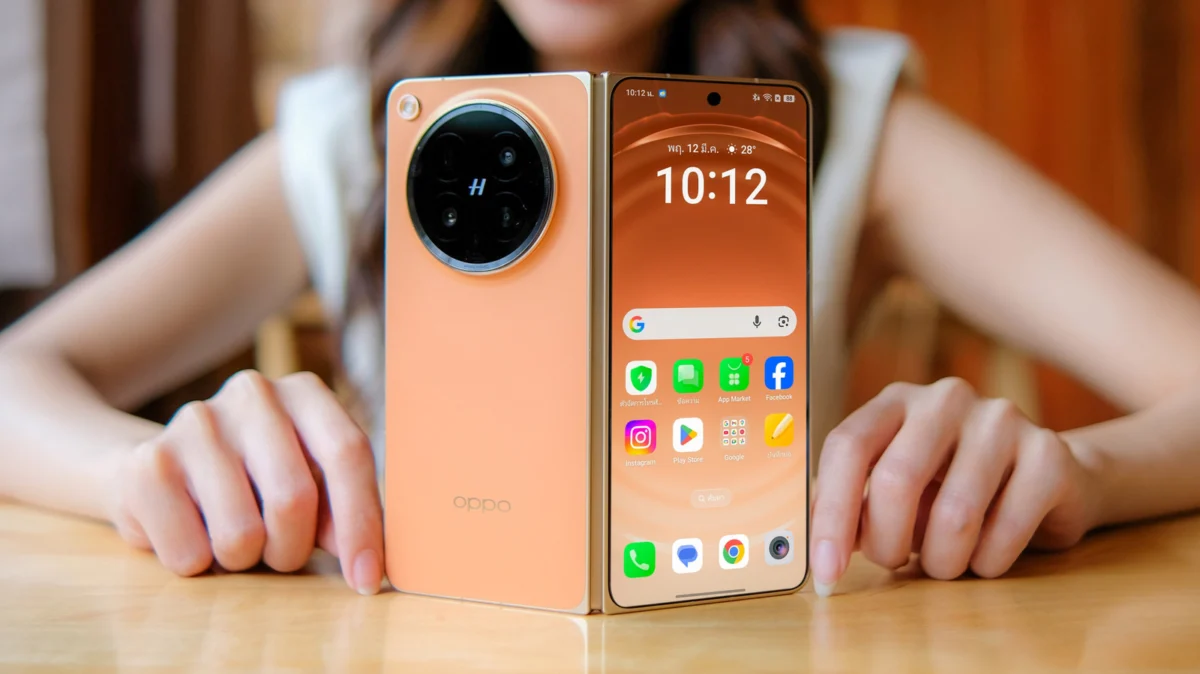
For the American tech enthusiast, the smartphone market can sometimes feel like a walled garden. While the giants—Apple, Google, and Samsung—offer refined, reliable devices, there is a vibrant, experimental world of hardware existing just outside U.S. borders. From the ultra-thin foldables of Honor to the photography-focused flagships of Xiaomi and OPPO, international markets are pushing design boundaries in ways domestic models have yet to replicate.
However, the allure of owning an "exotic" device often masks a complex reality. Importing a smartphone is not as simple as clicking "buy" on an international website. It is a decision that involves navigating a minefield of cellular band incompatibilities, software hurdles, and the complete absence of local warranty support. Before you commit to the latest import, it is vital to understand the technological and logistical friction you are about to invite into your digital life.
The Core Challenges: What You Must Know Before Importing
The primary appeal of international smartphones is innovation. Companies like Xiaomi, Honor, and Vivo are currently experimenting with tri-fold form factors, massive battery capacities, and camera sensors that challenge dedicated DSLRs. Yet, the leap from a foreign catalog to a functioning daily driver in the United States is rarely seamless.
1. The Cellular Band Labyrinth
The most critical hurdle is network compatibility. While modern smartphones are increasingly "global," they are still tuned to specific regional cellular bands. In the U.S., major carriers like AT&T, T-Mobile, and Verizon utilize specific frequency bands to deliver 4G LTE and 5G service.
If your imported device does not support the specific bands used by your local cell tower, you may find yourself with a "dead" phone in certain regions, or worse, stuck on slow 3G or LTE networks while your friends enjoy 5G speeds. Before purchasing, users must consult tools like WillMyPhoneWork or check the technical specifications against their carrier’s band requirements. Buying the wrong version—such as a Chinese-market specific model—can render a $1,500 flagship significantly less functional than a $300 domestic budget phone.
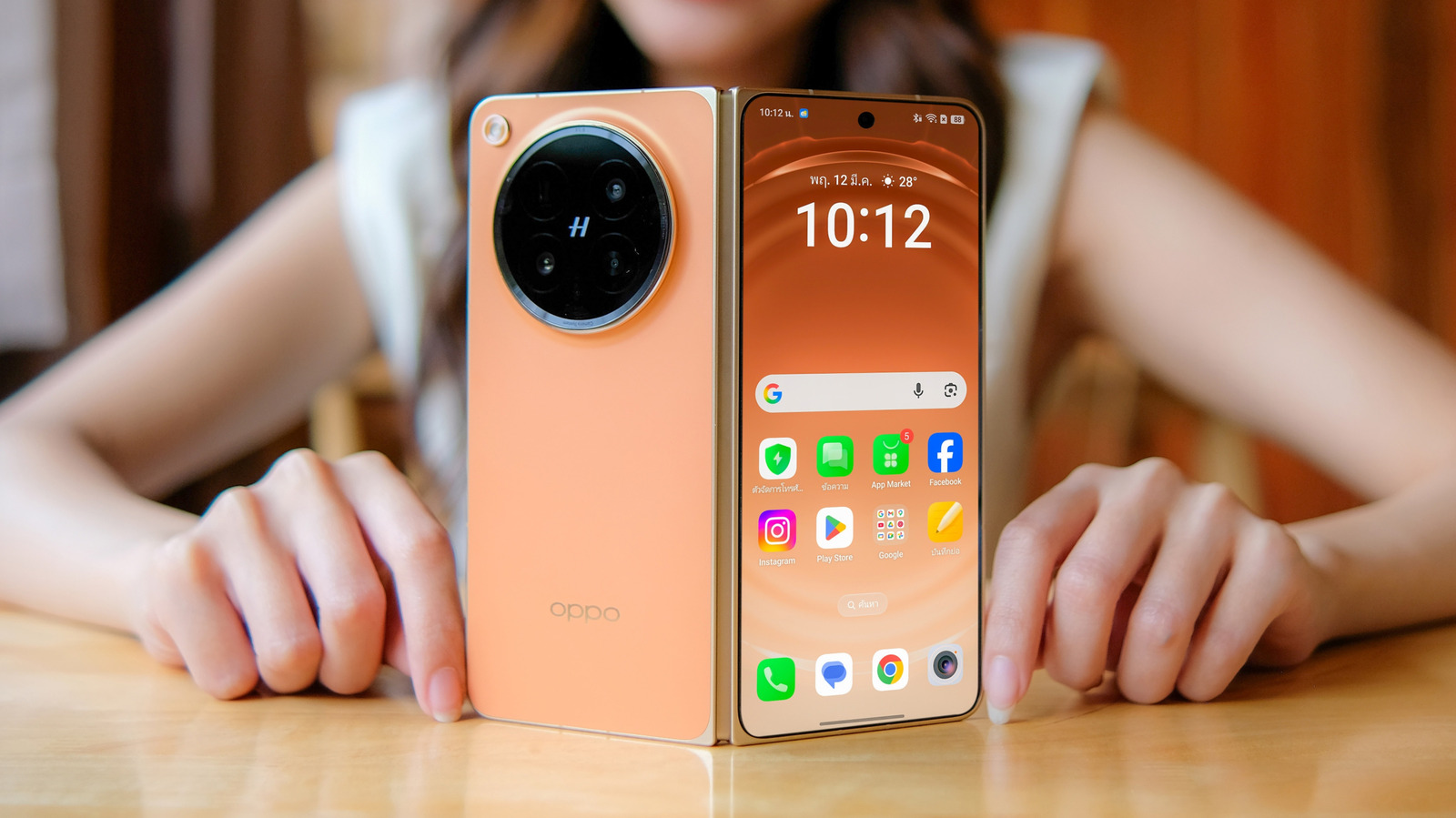
2. The Missing Features: VoLTE, Wi-Fi Calling, and Visual Voicemail
Even if you manage to achieve a stable 5G connection, you may find that secondary features—the ones that make a phone truly "smart"—are missing. Advanced features like Voice over LTE (VoLTE), Wi-Fi Calling, and carrier-integrated Visual Voicemail are not universal. They require specific certification and provisioning between the hardware manufacturer and the U.S. carrier.
Often, an imported phone will simply fail to trigger these settings. This leaves users with dropped calls in buildings where Wi-Fi calling is essential, or the inconvenience of checking voicemail through a manual, dial-in system. These are not software bugs; they are fundamental limitations of the device’s firmware, which is often optimized for networks in Asia or Europe, not North America.
3. The Software Divide
Software is another area where the international experience diverges sharply from the U.S. norm. Many smartphones intended for the Chinese market lack Google Play Services entirely. While tech-savvy users might attempt to "sideload" the Google Play Store, this often results in a buggy experience. Push notifications from apps like Gmail or WhatsApp may fail to arrive, and security-sensitive apps, such as banking or mobile wallets (Google Pay/Apple Pay), may refuse to launch, detecting that the device’s software environment is not "official."
Furthermore, international ROMs often come pre-loaded with regional bloatware—apps and services designed for a foreign demographic that cannot be easily uninstalled, taking up precious storage space and potentially tracking user data in ways that violate Western privacy expectations.
The Logistics of Support: Who Fixes Your Phone?
Perhaps the most daunting aspect of importing a phone is the "warranty void." In the United States, if your Pixel or iPhone fails, you have access to authorized repair centers, Apple Stores, or mail-in support. When you import a phone from a company with no official U.S. presence, that support network vanishes.
If the battery swells, the screen cracks, or the charging port fails, you are essentially on your own. You will be forced to rely on third-party repair shops that may not have access to genuine replacement parts. This can result in lower-quality screen replacements, compromised waterproofing, and an inability to calibrate biometric sensors (like under-display fingerprint scanners) after the repair. In many cases, the cost of shipping the device back to its country of origin for repair exceeds the value of the phone itself.
Why Do It? The Allure of the Exotic
Despite these warnings, the "importing culture" remains robust. Why? Because the hardware innovation in China and parts of Asia is currently moving faster than in the West.
The Benefit of Early Adoption
For many, the draw is simply being first. When a brand like Xiaomi releases a revolutionary foldable months before a U.S. equivalent, the "early adopter" tax—which includes the potential for technical headaches—is seen as a fair price to pay.
Dual SIM Capabilities
One of the most practical reasons to import is the continued support for physical dual-SIM trays. While the U.S. market has largely transitioned to eSIM-only devices, international models often retain the ability to hold two physical SIM cards. For international travelers or business professionals who need to maintain a domestic line and a local foreign line simultaneously, this is a hardware feature that is becoming increasingly difficult to find on domestic shelves.
Value for Performance
International flagships often provide higher specifications—such as 16GB or 24GB of RAM, faster wired charging (sometimes exceeding 120W), and superior camera optics—at a lower price point than what is available in the U.S. Even after accounting for shipping and potential import duties, the "price-to-performance" ratio of an imported device can be enticingly high.

Chronology of the Import Trend
- Early 2010s: The era of "grey market" imports was largely dominated by enthusiasts seeking cheaper versions of phones already available in the U.S. or niche models from companies like Meizu.
- 2018–2020: As geopolitical tensions and trade restrictions began to limit the expansion of certain Chinese brands into the U.S., the import market shifted from "seeking bargains" to "seeking access." Users began importing to get around the lack of availability of premium brands like Huawei (pre-ban) and Xiaomi.
- 2022–Present: The current era is defined by the "Foldable Wars." With U.S. consumers limited to a few foldable options, the demand for thin, "book-style" foldables from brands like Honor and Vivo has hit an all-time high, driving a new wave of imports through specialized third-party retailers and hobbyist forums.
Implications: A Risk-Reward Analysis
The decision to import a foreign phone is a binary choice between convenience and curiosity.
The Case for Domestic: If your smartphone is your primary tool for work, banking, and emergency communication, the risk of an imported device is objectively high. The loss of carrier support, the lack of a valid warranty, and the potential for software instability can turn a luxury purchase into a stressful burden. The safest path remains sticking to brands with official U.S. distribution, guaranteed network compatibility, and robust after-sales service.
The Case for Importing: If you are a hobbyist who understands the nuances of flashing custom ROMs, troubleshooting network bands, and managing a device without local support, the import market offers a playground of hardware that feels like it’s from the future.
A Word of Caution
If you are determined to proceed, never buy from an unknown seller. Utilize established platforms that provide some level of buyer protection. Research the specific model number (e.g., the Global version vs. the China version) to ensure you are getting the software configuration that best suits your region. Check community forums like Reddit’s r/Android or specialized enthusiast sites to see if other users in your area have successfully paired that specific model with your carrier.
Ultimately, the smartphone world is shrinking, but it is not yet truly global. Until manufacturers standardize their hardware and support networks, importing remains an adventure—one that requires as much technical patience as it does disposable income. The "iPhone Duo" or the "Xiaomi Fold" might look spectacular in a YouTube review, but in the palm of your hand, in a city where no one provides support for it, the reality is a far more complicated beast. Proceed with caution, and always keep a backup phone in your drawer.



