Main Facts
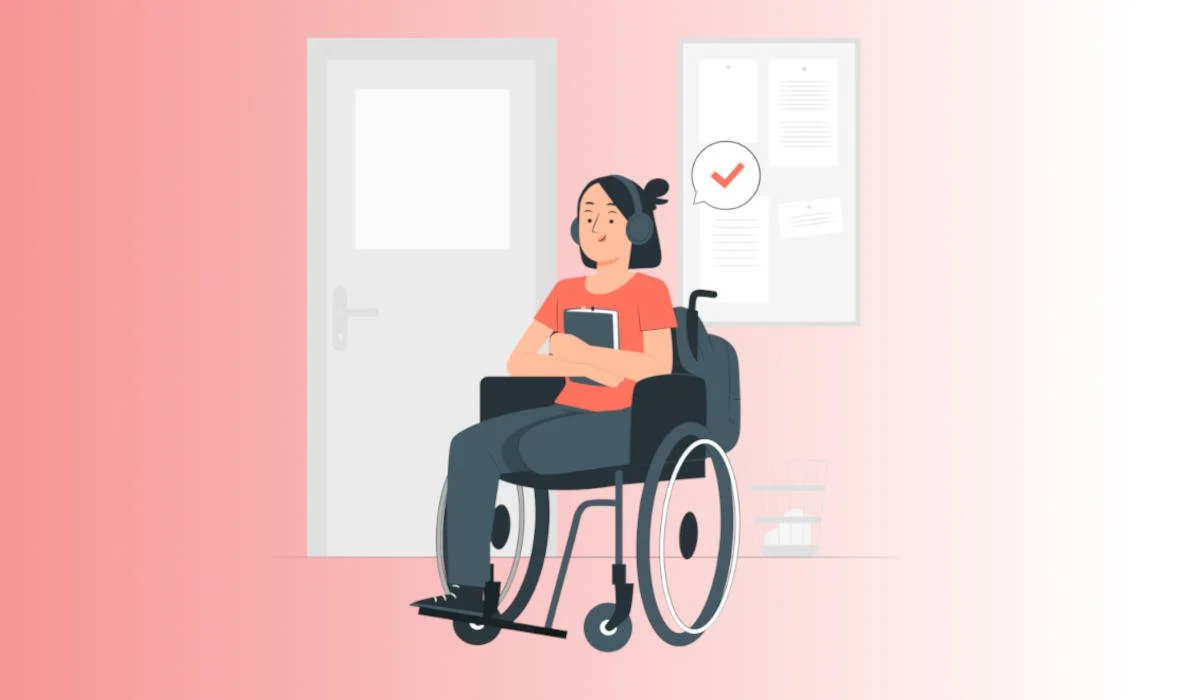
Navigating the workforce while managing a chronic illness, physical disability, or mobility limitation presents profound structural challenges. For millions of individuals worldwide, traditional 9-to-5 employment models remain largely inaccessible due to rigid physical environments, lack of accommodation, and a scarcity of inclusive hiring practices.
However, the rapid expansion of the digital economy has unlocked a powerful alternative: remote work. Working from home offers a viable, highly scalable pathway to financial independence. Far from being a mere supplement to disability benefits, remote digital careers—ranging from freelance writing and transcription to virtual assistance and digital design—enable individuals to generate sustainable incomes entirely on their own terms.
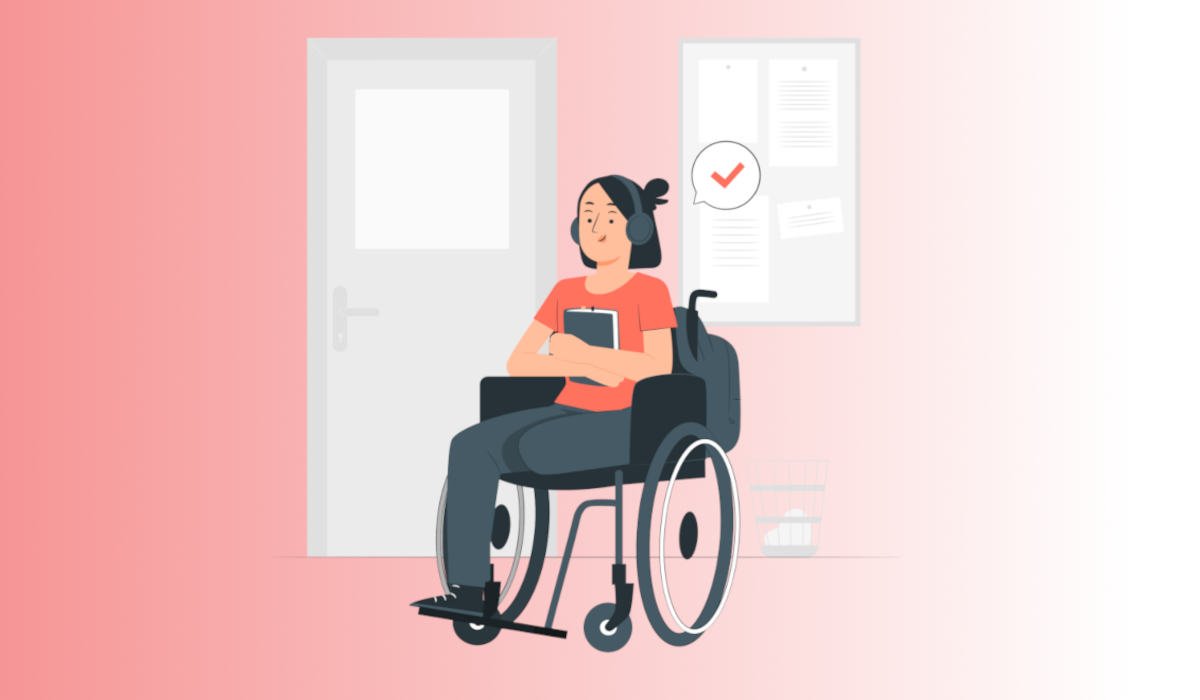
Crucially, experts emphasize that a medical condition or disability does not define an individual’s professional value or economic potential. Modern technological tools, online educational platforms, and global freelance marketplaces have leveled the playing field, allowing talented individuals to build thriving careers from the comfort of their homes.
Chronology of a Struggle: Personal Resilience and the Path to Digital Liberation
The journey toward remote work is often forged through personal adversity. Consider the lived experience of families navigating sudden, life-altering accidents. Several years ago, a mother living and working in the United Kingdom was struck by a bus while crossing the street. Miraculously surviving multiple complex surgeries, she was left with a permanent physical disability that stripped her of her mobility; she could no longer walk or stand unaided.

As the primary financial provider for her family back in Sri Lanka, her sudden incapacitation triggered a crisis on multiple fronts. Beyond the immediate financial strain, the psychological toll was severe. Having previously been an energetic, passionate professional, the abrupt transition to a disabled lifestyle led to profound powerlessness and subsequent clinical depression.
While her residency in the UK entitled her to government-funded disability benefits, the stipend was minimal—barely covering basic nutritional needs. For millions of disabled individuals globally, whose home countries lack even this foundational social safety net, the financial cliff is even steeper.

During this dark period, her child—who would later become a full-time freelance writer—was also struggling to establish a foothold in the digital marketplace, unable to immediately provide financial relief. Yet, out of this prolonged period of hardship emerged a vital realization: physical limitations must not equate to economic dependency. Through years of grit, independent living in a modest UK apartment, and a slow adaptation to remote opportunities, the family ultimately broke the cycle of financial vulnerability. This personal narrative serves as both a testament to human resilience and the foundational inspiration for a broader movement toward digital self-reliance.
Supporting Data: The Landscape of Remote Work and Digital Inclusion
The shift toward remote work is supported by shifting global labor statistics and the exponential growth of the digital gig economy. According to various labor market analyses, remote positions have grown by over 150% over the past decade, creating unprecedented opportunities for marginalized or mobility-impaired demographics.

- Accessibility of Entry: Platforms like Upwork, Fiverr, and specialized remote job boards host millions of digital tasks annually that require no prior corporate experience, relying instead on demonstrated skill or willingness to learn.
- Educational Equity: Online learning ecosystems such as Udemy, Skillshare, and edX have democratized education. Individuals can master high-demand skills—such as copywriting, graphic design, and coding—entirely online without stepping foot in a traditional classroom.
- Cost-Efficiency: Digital micro-careers (e.g., app testing, transcription, and social media management) require minimal initial investment—often just a standard computer or smartphone and an internet connection.
Official Responses and Expert Perspectives: Redefining Work Culture
Labor economists, disability advocates, and remote work pioneers increasingly argue that traditional employment structures are outdated. Governments and corporations are under growing pressure to adopt universal design principles and foster digital inclusivity.
Advocacy groups point out that remote work is not a "special accommodation" to be granted reluctantly, but rather a fundamental operational model that broadens talent pools. According to global workforce analysts, companies that embrace remote and asynchronous work policies report higher retention rates among employees with chronic health conditions.
Furthermore, employment law experts emphasize that digital platforms provide a buffer against workplace discrimination. By interacting with clients and employers purely through digital portfolios and communication tools, remote workers are judged primarily on the quality of their output rather than physical presentation or mobility status.
Implications: Building a Sustainable Future Beyond Disability Benefits
The implications of the remote work revolution for disabled and chronically ill populations are profound. While disability benefits provide a crucial baseline of survival, they frequently trap recipients in cycles of poverty due to strict income caps and bureaucratic hurdles.

Transitioning into freelance and remote digital careers offers a dual benefit:
- Financial Autonomy: Workers can scale their income based on their energy levels, time availability, and output, effectively removing artificial ceilings imposed by traditional employment structures.
- Psychological Empowerment: Engaging in meaningful, productive labor restores a sense of agency, purpose, and self-worth that is often eroded by chronic illness or systemic exclusion.
14 Actionable Remote Career Paths for Individuals with Disabilities
If you are living with an illness or disability and seeking reliable ways to earn an income from home, consider the following thirteen viable career paths:

1. Become a Freelancer
Freelancing is arguably the most flexible and rewarding career path for individuals with chronic illnesses. By mastering a marketable skill—such as content writing, web development, or graphic design—you can offer your services directly to global clients via online marketplaces. Platforms like Udemy and Skillshare make learning these skills from home entirely achievable.
2. Find Transcription Jobs
Transcription involves listening to audio or video files and converting the spoken word into written text. With the explosive growth of podcasting and digital media, demand for accurate transcriptionists is high. You can pitch directly to independent podcasters or apply via dedicated platforms.
3. Write for Blogs
Numerous digital publications and blogs pay external contributors for well-researched, engaging articles. If you enjoy writing, you can start by publishing pieces on platforms like Medium to build a portfolio, then pitch paid articles to established niche blogs.
4. Become a Virtual Assistant
Virtual assistants (VAs) handle administrative tasks for busy professionals, entrepreneurs, and bloggers. Responsibilities may include managing email inboxes, organizing schedules, coordinating social media calendars, and overseeing basic customer relations.
5. Secure a Social Media Gig
If you are active on platforms like Instagram, Facebook, and Pinterest, you can monetize your familiarity with these networks. Small business owners frequently outsource the creation of daily posts, comment moderation, and community engagement to remote social media managers.
6. Test Mobile Apps and Websites
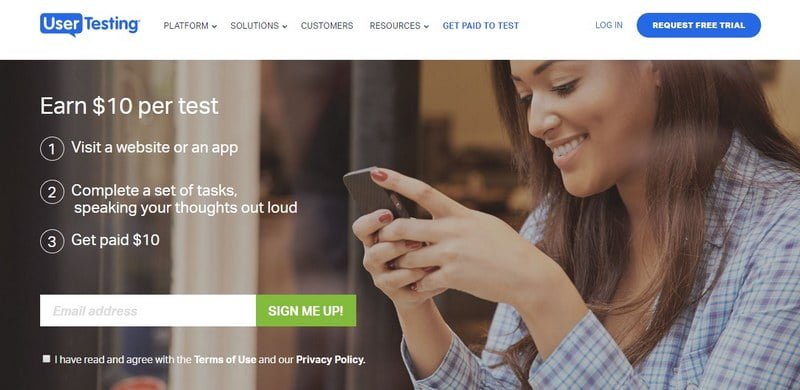
For those seeking entry-level work requiring minimal prior training, software and app testing is an ideal option. Companies pay users to navigate unreleased mobile apps or websites, identify bugs, and provide structured feedback on user experience. Sessions often pay $10 or more per completed test.
7. Become a Voice-Over Artist
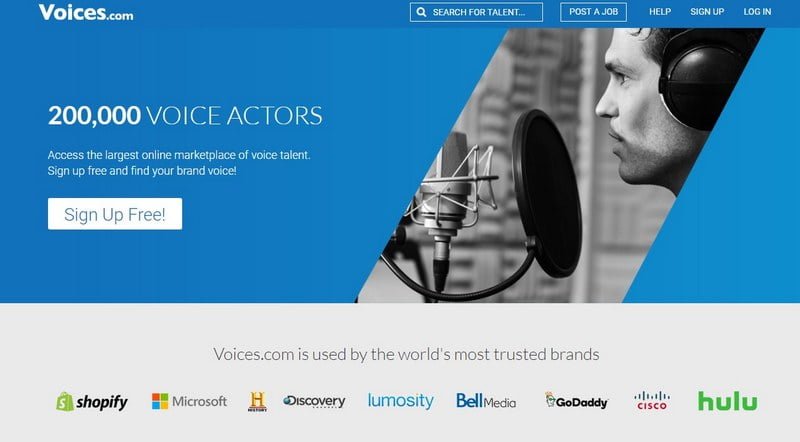
Individuals blessed with a clear speaking voice and good articulation can find lucrative work recording voice-overs for video content creators, corporate training videos, and podcast advertisements. Basic recording equipment (a decent USB microphone and a quiet room) is all that is required to get started.
8. Join a Customer Service Team
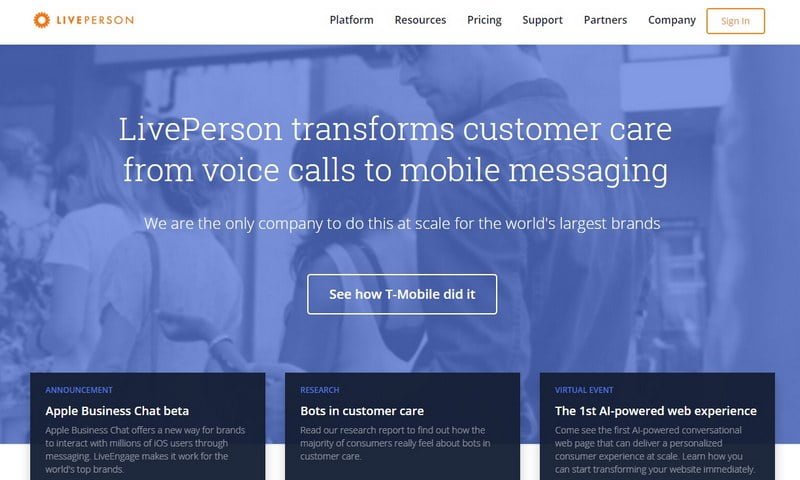
Many modern e-commerce brands operate entirely online and hire remote customer support representatives to handle inquiries via live chat, email, or ticketing systems. These roles offer structured hours and steady, predictable monthly income.

9. Do Translations
If you are bilingual or fluent in a second language, translation work offers a steady stream of income. Translating documents, marketing materials, and digital books for international clients can be managed entirely through specialized translation networks.
10. Become an Online Tutor
Leverage your academic background or professional expertise by tutoring students online. Platforms connect qualified tutors with students needing assistance in specific academic subjects, allowing you to teach via video link from your desk.

11. Become a Proofreader
Proofreading requires a meticulous eye for detail to catch spelling, grammatical, and formatting errors in long-form documents, academic papers, and digital publications. Strong command of a language makes this an ideal home-based profession.
12. Design Social Media Graphics
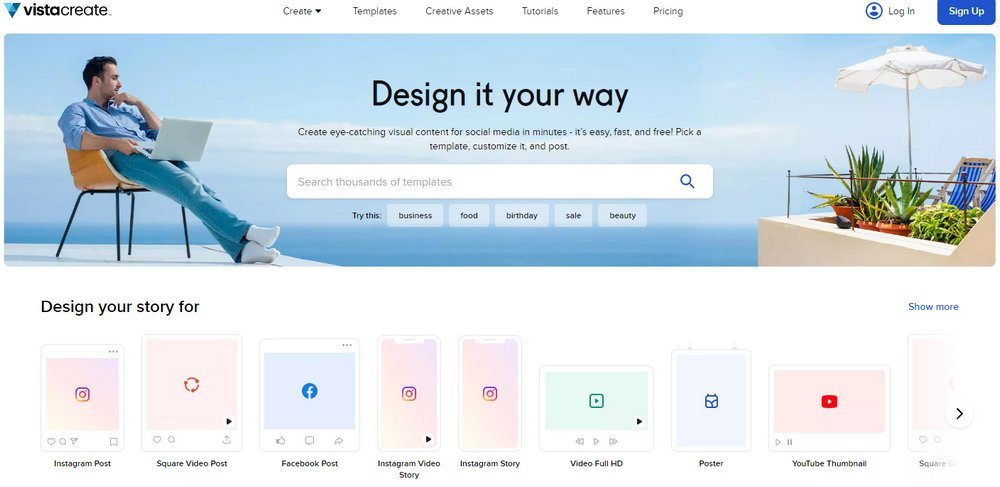
Using beginner-friendly graphic design tools like Canva or VistaCreate, you can create eye-catching social media graphics, quotes, and promotional banners for brands looking to boost their digital presence.

13. Build an Influencer Brand & Affiliate Marketing
Though it requires patience and consistent effort during downtime, building an audience around a specific niche on social media can open doors to affiliate marketing. By recommending products you genuinely use and trust, you earn a commission every time a follower makes a purchase through your unique referral link.
14. Become an Illustrator
If you possess artistic talent, digital illustration offers a thriving market. Using drawing software and graphic tablets, you can create custom artwork, design merchandise (such as T-shirts and stickers), or license digital assets online.
Conclusion
The road to financial independence while managing an illness or disability is rarely straightforward. As the inspiring journey of endurance shared earlier demonstrates, survival is only the first step; thriving requires relentless perseverance.
To borrow the timeless words of civil rights leader Martin Luther King Jr.:

“If you can’t fly then run, if you can’t run then walk, if you can’t walk then crawl, but whatever you do you have to keep moving forward.”
Do not let a medical condition or physical limitation hold you back from building a secure, self-sufficient future. Whether you choose to write, design, translate, or test apps, the digital world offers the tools you need to stand proudly on your own terms.