










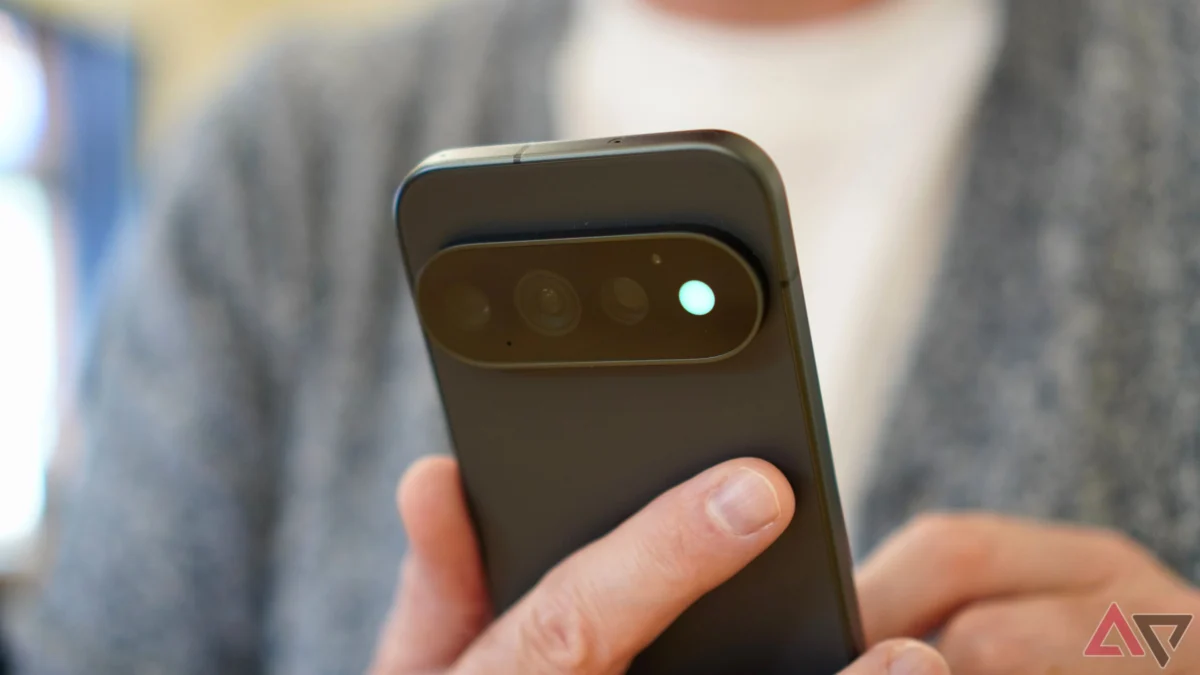
In the modern smartphone landscape, the divide between hardware performance and software reliability has never been thinner. While Google’s Pixel series has long been celebrated for its computational photography and AI-driven ecosystem, the company is now turning its attention toward a more pragmatic frontier: user-empowered troubleshooting.
With the recent rollout of the Android 17 QPR3 Beta 1, Google has introduced a suite of granular diagnostic tools hidden within the "Device Health and Support" settings. These additions signify a shift in philosophy for the Mountain View giant, moving away from opaque error codes and toward a transparent, user-centric approach to hardware and connectivity health.
Main Facts: The New Diagnostic Frontier
The update, which is currently exclusive to users enrolled in the Android Beta Program, fundamentally changes how Pixel owners interact with their devices when something goes wrong. Previously, troubleshooting connectivity or hardware issues often involved a repetitive cycle of toggling Airplane Mode, restarting the device, or factory resetting—a "sledgehammer" approach to software glitches.
The new diagnostic suite, accessible via the Device Health and Support page (provided the user is also running the latest Play Services beta), introduces three primary pillars of investigation:
- Call Diagnostics: Designed to monitor signal integrity, baseband performance, and potential software-side interruptions during voice communication.
- Wi-Fi Diagnostics: A comprehensive look at handshake protocols, signal-to-noise ratios, and authentication failures that often plague home networking.
- Mobile Data Diagnostics: A toolset to isolate whether connectivity drops are rooted in carrier-side provisioning, APN (Access Point Name) misconfigurations, or radio hardware instability.
These tools do not merely report that a connection is "bad"; they provide actionable insights into why the connection is failing, potentially saving users hours of frustrating calls with technical support or unnecessary trips to repair centers.
Chronology of Google’s Support Evolution
To understand the significance of this update, one must look at the trajectory of Google’s support ecosystem.
- Pre-2023: Troubleshooting was largely handled through generic "Help" apps and community forums. Users were often left to guess whether a signal drop was a hardware defect or a carrier-specific outage.
- 2024 (The "Repairability" Pivot): Google began emphasizing its partnership with iFixit and expanded its official parts program. This was the first major step in signaling that Google wanted Pixel owners to have more control over their hardware.
- Early 2026: Google introduced foundational "Device Health" metrics, allowing users to check battery degradation and storage integrity.
- October 2026 (The Current Development): With the release of Android 17 QPR3 Beta 1, the diagnostic suite moves from "passive reporting" to "active troubleshooting," giving the user the diagnostic power previously reserved for authorized repair technicians.
Supporting Data: Why Diagnostics Matter
The modern smartphone is a complex radio frequency (RF) machine. With the shift toward 5G Standalone (SA) networks and increasingly dense Wi-Fi 7 environments, the potential for "invisible" issues has skyrocketed.
Data from consumer satisfaction reports suggests that "unexplained connectivity loss" is the second-highest driver of customer churn in the premium smartphone market, trailing only battery life. By providing a diagnostic interface that can verify, for instance, that a Wi-Fi connection is failing due to a DHCP handshake error rather than a faulty antenna, Google is addressing the "information asymmetry" that typically frustrates users.
Furthermore, these tools serve as a bridge between the software and the physical repair program. If the diagnostic tool identifies a persistent failure in the RF front-end module that cannot be resolved by software, the user is presented with a clear path to professional service or self-repair. This reduces the "false positive" rate of support tickets, where users send in fully functional devices for repair due to simple software misconfigurations.
Official Responses and Strategic Implications
While Google has not released a formal press release regarding the specific mechanics of the Android 17 QPR3 diagnostics, the company’s internal messaging has consistently pointed toward "Proactive Support."

Industry analysts suggest that this move is a strategic defensive measure. As the Pixel 11 Pro and its successors continue to integrate complex AI-processing layers, the risk of background processes interfering with core system functions (like radio management) increases. By giving users these diagnostic tools, Google is essentially "crowdsourcing" the initial triage of device issues.
"Google is effectively moving the first line of defense to the user," notes tech analyst Marcus Thorne. "Instead of waiting for a log file to be uploaded to a server, the device now processes its own health data in real-time. It’s a win-win: the user gets a faster resolution, and Google reduces the load on its global support infrastructure."
Implications for the Ecosystem
The implications of this update extend beyond the Pixel hardware. If successful, this diagnostic suite could become the blueprint for the wider Android ecosystem.
1. The Death of the "Black Box"
For years, the smartphone has been a "black box." When it fails, you hand it to an expert. This update challenges that paradigm. By surfacing technical logs in an easy-to-read format, Google is encouraging a culture of digital literacy. Users are beginning to understand that their phone is a computer, not just an appliance.
2. Impact on the Repair Industry
The rise of accessible diagnostics directly complements the Right to Repair movement. If a user can run a diagnostic tool that confirms a specific hardware component (like a Wi-Fi module) is malfunctioning, they are far more likely to engage with Google’s official parts program. It removes the guesswork from ordering replacement components, ensuring that the right part is purchased for the right problem.
3. Sustainability and Device Longevity
One of the most profound implications is the extension of device lifespans. Many perfectly functional phones are discarded or traded in because of persistent, yet fixable, software-driven connectivity issues. By allowing users to identify and rectify these problems, Google is arguably contributing to a more sustainable product lifecycle. A device that can be "healed" by a simple software fix or an affordable, user-installed part is a device that stays out of a landfill.
How to Access the Tools
For those eager to test these features, the barrier to entry is the Android Beta Program.
- Eligibility: Ensure you are using a supported device. Note that the Pixel 6 and 6 Pro have reached the end of their primary support cycle and are excluded from the Android 17 QPR3 Beta. Owners of the Pixel 7, 8, 9, 10, and 11 series are generally eligible.
- Enrollment: Users must sign up via the Android Beta website to receive the over-the-air (OTA) update.
- The Play Services Caveat: It is crucial to note that these diagnostics rely on the latest Play Services beta. Even if the OS is updated, the tools may remain hidden until the Play Services framework is also synced to the latest beta version.
Conclusion
The introduction of these diagnostic tools in Android 17 QPR3 Beta 1 is a quiet revolution. It does not provide the headline-grabbing features of a new camera sensor or a faster processor, but it addresses the fundamental user anxiety: "What is wrong with my phone, and can I fix it?"
By empowering users with transparency, Google is not just refining its operating system; it is redefining the relationship between the consumer and their technology. As we move deeper into the age of the "intelligent" phone, the ability to understand and maintain one’s own device will become as essential as the hardware itself. For now, the beta testers are the first to experience this shift, but the ripple effects will likely be felt across the entire mobile landscape in the coming years.



