










Main Facts
In the fast-paced world of mobile technology, smartphone designs have largely converged into a sea of sameness. Manufacturers routinely tinker with camera island shapes, matte glass finishes, and slight curvature adjustments, but the fundamental front-facing architecture of the device has remained largely unchanged for years. Enter Tecno, a brand increasingly known for pushing boundaries through ambitious prototyping. Following its initial public unveiling at the IFA trade show in Berlin, Tecno’s head-turning bezel-less concept phone has arrived at our office for a deeper, more meticulous examination.
At its core, this conceptual device is built upon the structural foundation of the Tecno Camon Slim 5G. Operating system software within the device identifies it explicitly as the "Camon Slim," while internal hardware diagnostics report the exact same foundational specifications as its production-bound sibling: a capable MediaTek Dimensity 7300e chipset paired with a surprisingly robust 6,000mAh battery.
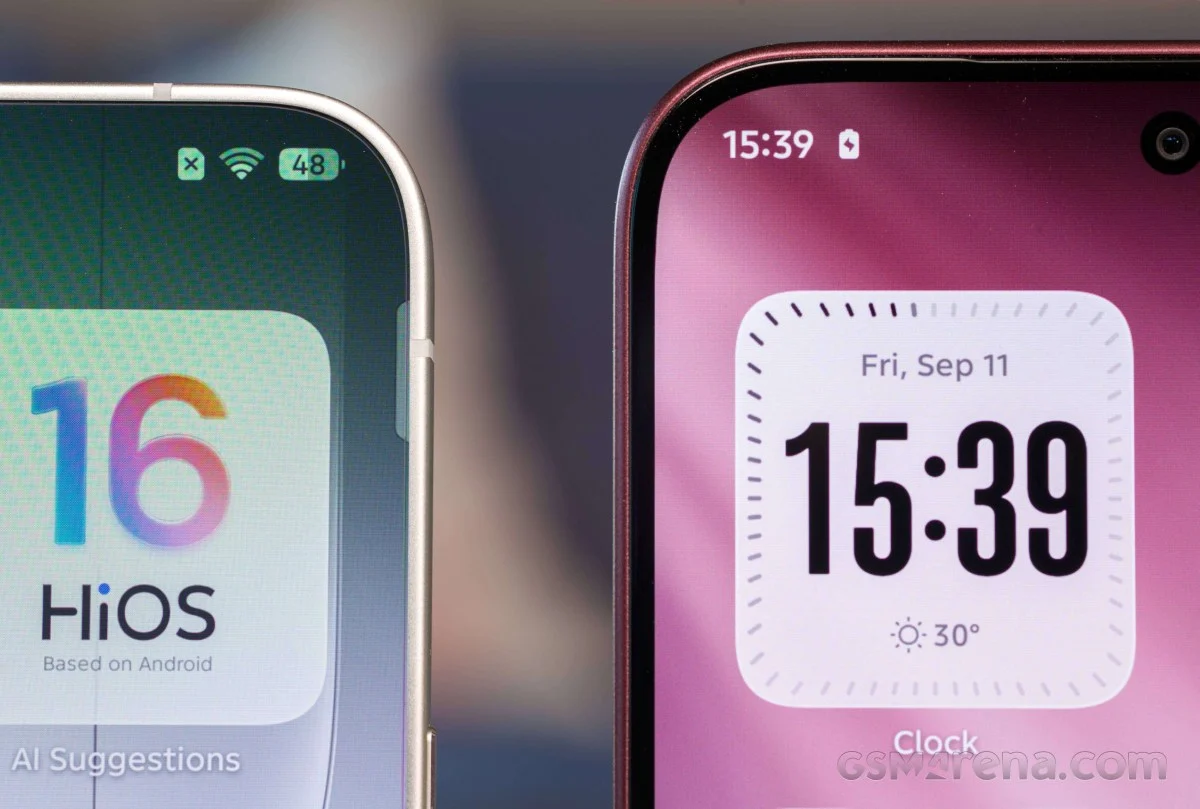
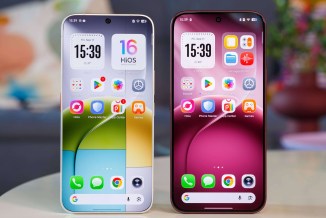
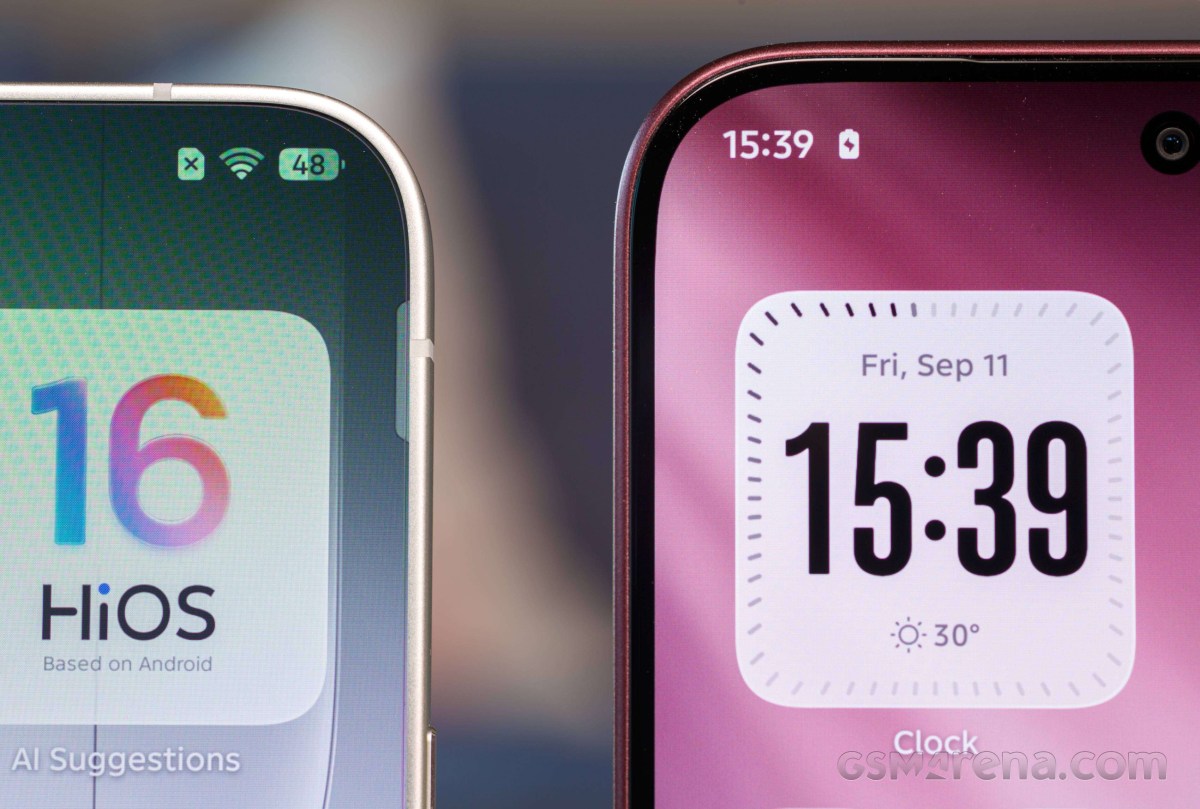
However, similarity ends the moment you place the concept side-by-side with the standard Camon Slim 5G. The bezel-less iteration is visually striking, invoking a sense of nostalgia that harkens back to the early days of true smartphone innovation—specifically reminiscent of the revolutionary Xiaomi Mi Mix era, which first popularized the pursuit of edge-to-edge display real estate.

Yet, because this device is strictly a concept—a literal engineering exercise designed to test the limits of current manufacturing capabilities—it is not retail-ready. It lacks the commercial polish of mass-market hardware, featuring cosmetic elements like a non-functional, decorative SIM tray, alongside software stability quirks that highlight just how difficult it is to manufacture a phone entirely devoid of borders.
Chronology
To understand how this radical device made its way to our editorial desk, it helps to retrace the timeline of its introduction and subsequent handling phase:
- Pre-IFA Development: Tecno’s advanced R&D divisions finalize the prototype specifications, marrying the internal layout of the Camon Slim 5G with a specialized, multi-layered glass and internal wrap-around display architecture.
- The IFA Trade Show Debut: Tecno formally pulls the curtain back on the bezel-less concept phone at IFA in Berlin. The device instantly captures global media attention, standing out among a crowded floor of iterative consumer electronics.
- Arrival at the Editorial Office: Exactly one week following its public debut, the physical unit is delivered to our offices. Unlike the hurried, controlled hands-on environments of trade show booths, our team gains uninterrupted, extended access to test the hardware.
- Initial Setup and Software Friction: Upon booting the device, engineers encounter immediate hurdles. Setting up the prototype proves to be a temperamental process, punctuated by an unexpected, spontaneous system reset that forces our team to restart the configuration sequence from scratch.
- Detailed Analysis and Gallery Production: With the device stabilized, our team conducts thorough physical measurements, compares its dimensions directly against the standard Camon Slim 5G, and captures a high-resolution gallery documenting its eerie, bezel-free form factor.
Supporting Data
While the concept phone shares its soul with the retail Camon Slim 5G, a closer technical inspection reveals distinct physical variations driven entirely by the pursuit of a zero-bezel aesthetic.
Dimensional and Hardware Comparison
| Feature / Metric | Tecno Camon Slim 5G (Retail) | Tecno Bezel-Less Concept Phone |
|---|---|---|
| Processor | MediaTek Dimensity 7300e | MediaTek Dimensity 7300e |
| Battery Capacity | 6,000mAh | 6,000mAh |
| Display Borders | Standard modern slim bezels | Virtually non-existent (Edge-to-Edge wrap) |
| Device Thickness | Standard slim profile | Thicker (to house dual-layer cover glass & internal wrap) |
| Device Length | Standard length | Noticeably shorter |
| SIM Functionality | Fully functional dual-SIM tray | Non-functional cosmetic SIM tray slot |
| Software Identity | Camon Slim 5G | Identifies as Camon Slim |
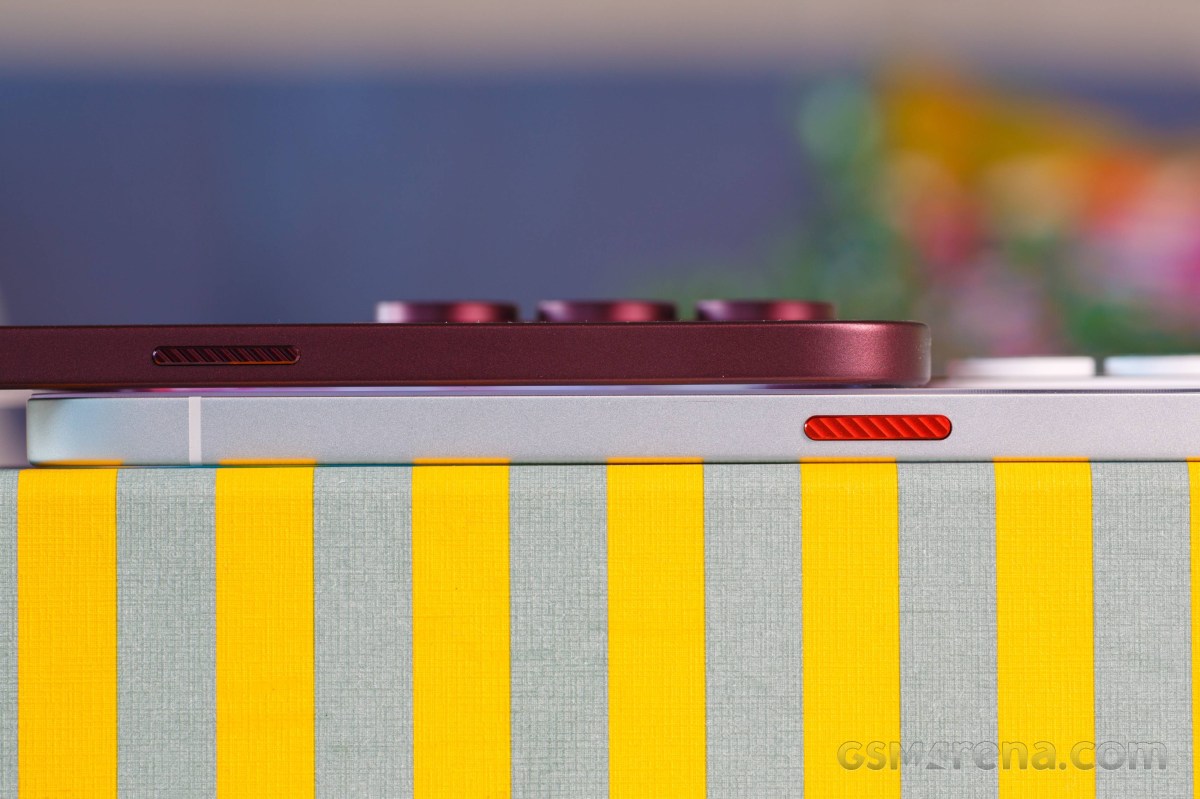
The physical modifications required to eliminate the bezel are profound. Because the display glass must wrap around the internal structure seamlessly, the concept phone requires a specialized dual-layer cover glass. This engineering necessity adds noticeable thickness to the chassis when compared to the ultra-slim profile of the retail Camon Slim 5G. Paradoxically, however, the elimination of top and bottom chin/forehead margins results in a device that is slightly shorter overall.
Holding a device with absolute zero bezels is described by our team as a slightly surreal, almost "freaky" tactile experience. Without a traditional frame to anchor the thumb or palm, content appears to float effortlessly on the surface of the hand.
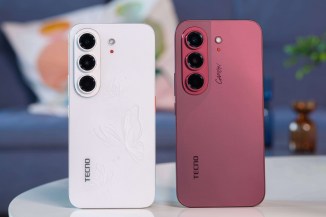
Furthermore, the prototype nature of the hardware is underscored by practical limitations. The SIM tray, while visually indistinguishable from a working component, is entirely non-functional—there is no physical SIM slot housed within the chassis. This indicates that cellular connectivity was not a primary engineering focus for this specific prototype phase; the primary goal was optical and structural execution.
Official Responses
Concept phones rarely come packaged with traditional marketing press releases or deep-dive white papers detailing supply chain logistics, but they serve as an official statement from a brand’s research and development department. Tecno’s positioning of this device emphasizes its role as a "proof of concept"—an internal milestone meant to showcase manufacturing prowess rather than immediate commercial intent.
Industry analysts and engineering representatives from brands exploring similar form factors frequently emphasize that concept devices are vital sandboxes. They allow industrial designers to bypass the strict cost-to-manufacture constraints, drop-test durability requirements, and mass-production yield rates that govern commercial smartphones.
By utilizing existing internal architecture—such as the Dimensity 7300e platform and the substantial 6,000mAh battery from the Camon Slim 5G—Tecno’s engineering team cleverly decoupled the challenge of internal component design from the exterior mechanical hurdles of glass-folding and bezel elimination. In doing so, the company communicated a clear message to the industry: Tecno possesses the technical curiosity and design capability to explore uncharted territory in display technology, even if the resulting hardware remains strictly behind closed doors for now.
Implications
What does a non-commercial, slightly buggy, completely bezel-less prototype mean for the broader smartphone landscape? While consumers should not hold their breath waiting to purchase a retail version of this exact device, the implications of Tecno’s engineering exercise ripple outward across the entire mobile sector.
1. The Rebirth of Form-Factor Experimentation
For several years, the smartphone industry has prioritized incremental spec bumps—faster refresh rates, slightly larger sensors, and marginal charging speed increases—over bold design revolutions. Devices like the Xiaomi Mi Mix once proved that consumers crave visual shock value. Tecno’s new concept signals that experimentation is not dead. It proves that mid-tier and emerging brands are willing to invest R&D capital into radical physical designs that challenge Apple and Samsung to rethink their own stagnant front-glass geometries.
2. Durability and Practicality Hurdles
The software instability experienced during our hands-on time—such as random spontaneous resets and difficult initial setup loops—reminds us why bezel-less phones vanished from the mainstream market in the first place. Eliminating bezels entirely introduces massive structural vulnerabilities. Drop resistance drops significantly when glass wraps around edges without a protective metal bumper. Furthermore, accidental palm rejections become a software nightmare when the display panel covers every millimeter of the front face. Tecno’s prototype illustrates precisely why these engineering hurdles remain unsolved for mass production.
3. Trickle-Down Technologies
Even if this specific concept never hits store shelves, the manufacturing techniques pioneered to build it—such as advanced dual-layer cover glass bonding and internal display wrapping—rarely stay confined to the R&D lab forever. Elements of this design philosophy will inevitably trickle down into future generations of commercial smartphones. Consumers may soon see slightly curved or ultra-minimized bezels inspired by these prototyping sessions, bridging the gap between futuristic concepts and everyday usability.
Ultimately, Tecno’s bezel-less concept phone is a fascinating reminder of why technology enthusiasts fell in love with mobile devices in the first place. It is bold, slightly impractical, visually arresting, and unapologetically ambitious. While we may not be carrying zero-bezel daily drivers just yet, the future of smartphone design just got a little bit more exciting.



