










By Tech Desk Analysis
October 14, 2026
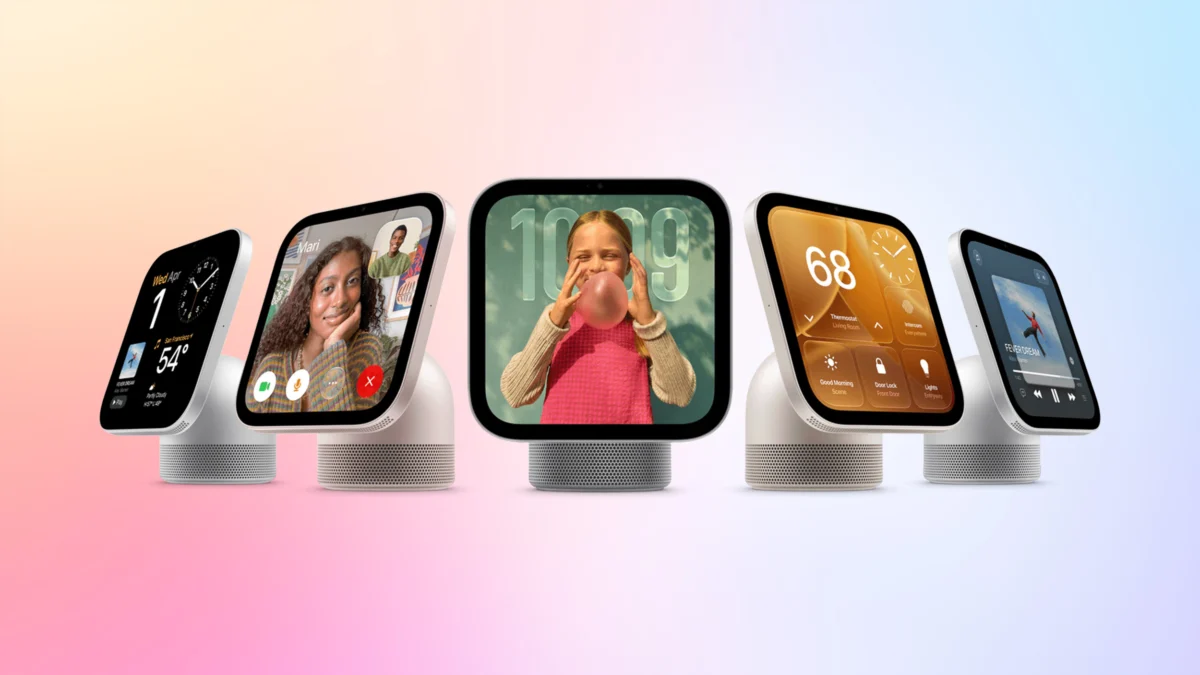
With the official unveiling of the "HomeView" smart home hub—Apple’s long-awaited centerpiece for the modern connected home—the tech giant has finally clarified the post-purchase reality for its customers: repair costs. Following the product’s debut at Apple’s "Welcome Home" experience in New York, the company has confirmed that while the HomeView is designed for longevity, accidental damage will come with a distinct price tag.
As the smart home market matures, the introduction of a premium, screen-integrated hub represents a shift in Apple’s hardware strategy. This analysis explores the fiscal implications of owning the HomeView, the broader context of Apple’s service ecosystem, and what these repair structures mean for the average consumer.
The Economics of Damage: Repair Fees Unpacked
For consumers investing in the new HomeView—available in both tabletop and wall-mounted configurations—Apple has established a two-tiered repair structure. The cost of restoring a damaged unit varies drastically depending on whether the owner has opted into the AppleCare+ ecosystem.
The Standard Repair Cost
For users who do not purchase extended protection, an out-of-warranty repair for a HomeView unit will set them back $279. This fee is consistent across both the tabletop and wall-mounted iterations, suggesting that Apple has standardized the internal components and labor processes across the form factors. For a device that serves as the command center for lights, security, and climate, this represents a significant investment, underscoring the necessity for protection in high-traffic areas like kitchens or entryways.
The AppleCare+ Advantage
Conversely, those who elect to secure AppleCare+ coverage will pay a significantly reduced service fee of just $39 for accidental damage. This represents a roughly 85% savings over the out-of-warranty price, positioning AppleCare+ as a logical "insurance policy" for a device that is inherently exposed to the hazards of a busy household.
Chronology: The Road to HomeView
The journey to the HomeView’s release has been marked by a series of strategic leaks and market shifts that illustrate Apple’s methodical approach to the smart home category.
- September 14, 2026: Apple expands its services division with the launch of "AppleCare One Family," a $49.99/month umbrella plan covering up to six people, signaling a push toward unified, simplified tech support for the entire household.
- September 29, 2026: Reports from Bloomberg indicate that Apple paused a planned layoff of 5,000 support staff. This decision suggests that as Apple introduces more complex hardware like the HomeView, the company recognizes the continued value of human-led technical support, even in an era of burgeoning AI.
- October 11, 2026: Mark Gurman of Bloomberg drops a comprehensive leak detailing the HomeView’s touch-enabled display, confirming it as the successor to previous home automation concepts and linking it to an updated Apple TV 4K and HomePod mini 2.
- October 13, 2026: Apple officially launches the HomeView at its New York event, cementing its place in the smart home ecosystem and unveiling the associated pricing and service structures.
Supporting Data: Navigating AppleCare+ Options
The financial commitment required to protect the HomeView is structured to integrate seamlessly into existing Apple service subscriptions. Consumers have three primary avenues to secure their hardware:
- Individual Coverage: For the budget-conscious, AppleCare+ for HomeView is priced at $2.49 per month or $24.99 per year. This is an exceptionally low entry point, likely designed to encourage high adoption rates for a device that will be installed in permanent locations throughout the home.
- The "AppleCare One" Bundle: For users heavily invested in the Apple ecosystem, the HomeView can be added to the AppleCare One bundle. Starting at $19.99 per month, this tier covers a wide array of devices, making it a cost-effective solution for households managing multiple iPads, iPhones, and now, the HomeView hub.
- The "Family" Tier: For larger households, the "AppleCare One Family" plan ($49.99/month) allows for the inclusion of the HomeView, ensuring that no matter which family member causes accidental damage, the device remains protected under a single account.
Official Responses and Strategic Implications
While Apple has not provided a specific statement regarding the internal manufacturing costs of the HomeView, the $279 out-of-warranty fee provides a window into the company’s valuation of the hardware.
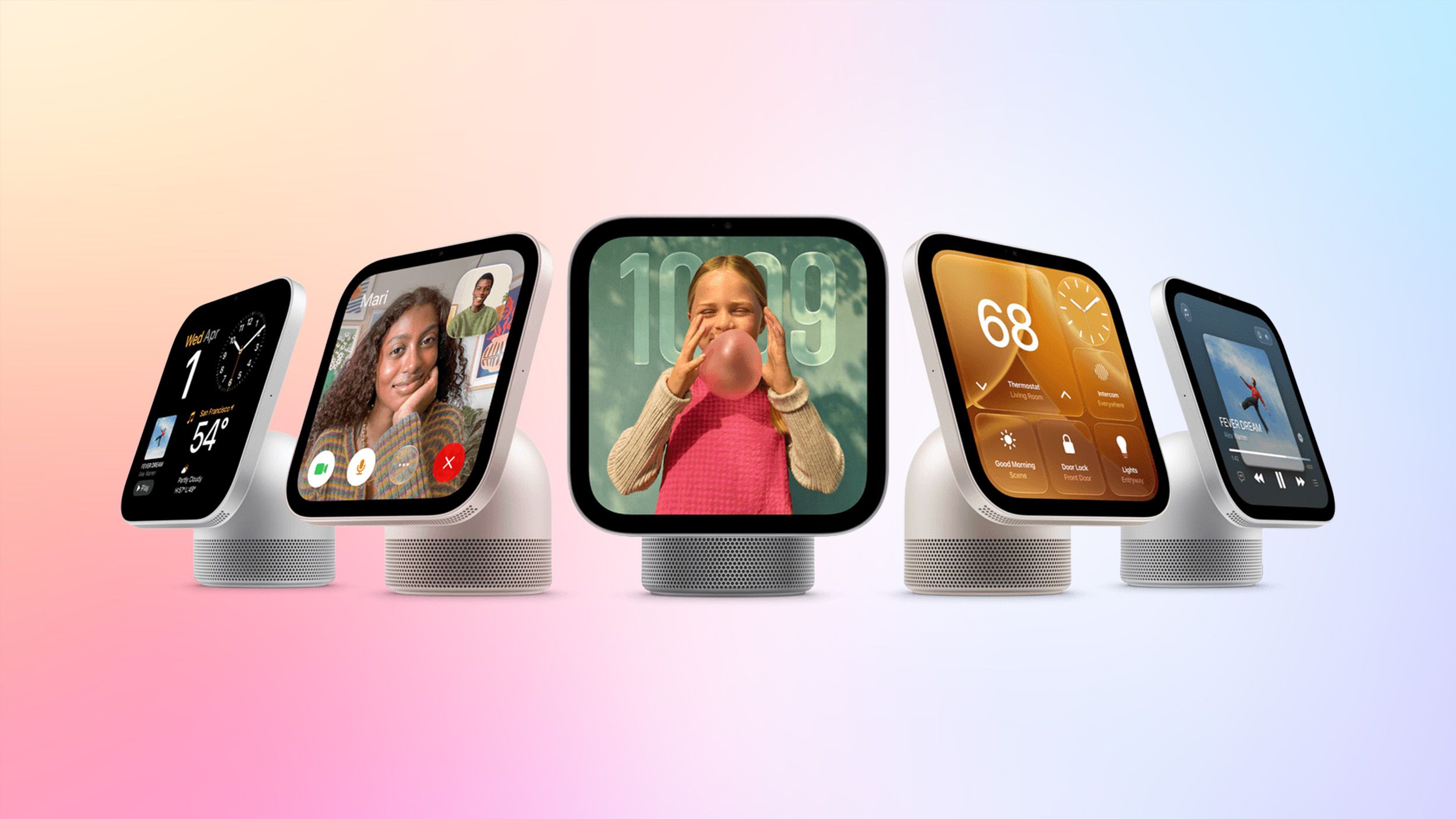
The inclusion of both wall-mounted and tabletop versions suggests that Apple is targeting two distinct consumer demographics: the DIY home renovator who wants a flush-mounted command center, and the casual user who prefers a plug-and-play experience on a side table. By standardizing the repair fee for both, Apple simplifies the customer experience, avoiding the potential confusion of tiered pricing based on mounting hardware.
Furthermore, the decision to maintain a robust support staff—evidenced by the recent cancellation of support-sector layoffs—suggests that Apple anticipates a learning curve for the HomeView. As a "hub" that interacts with third-party Matter-enabled devices, troubleshooting will be a critical component of the user experience.
Implications: The Future of the "Connected Home"
The HomeView is more than just a smart screen; it is the physical manifestation of Apple’s "Home" software strategy. By setting repair costs at a level that encourages the purchase of AppleCare+, the company is essentially creating a recurring revenue stream that mirrors its success with the iPhone and iPad.
Longevity vs. Planned Obsolescence
Critics of the tech industry often point to "disposable" smart home tech as a major source of e-waste. Apple’s emphasis on repairability—through the provision of specific service fees and the option for extended coverage—frames the HomeView as a durable piece of furniture rather than a disposable gadget. If a user can repair a wall-mounted unit for $39, they are significantly more likely to keep the device for five to seven years, rather than upgrading every time a new version is released.
AI and Support Evolution
The fact that Apple considered replacing 5,000 support staff with AI, only to retract that plan, is telling. It suggests that the complexity of the HomeView—which integrates Siri, HomeKit, and potentially complex AI-driven home automation—requires a "human touch." For the consumer, this is a reassuring sign that the company is prioritizing the stability and reliability of the home ecosystem over pure automation.
The Competitive Landscape
Competitors like Amazon (Echo Show) and Google (Nest Hub) have historically leaned on aggressive pricing for their smart displays. Apple, however, is positioning the HomeView as a premium service-backed product. While the initial hardware cost may be higher than its rivals, the comprehensive support, privacy-first design, and integration with the "AppleCare One" ecosystem offer a different value proposition: peace of mind.
Final Thoughts: Is It Worth the Investment?
For the average household, the decision to buy the HomeView will likely hinge on their existing integration with Apple services. The $2.49 monthly fee for AppleCare+ is an negligible cost compared to the utility of a hub that centralizes home security, media, and communication.
As we move toward a future where our homes are increasingly managed by AI and automated systems, the HomeView stands as a testament to Apple’s desire to be the "operating system" of our living spaces. Whether this strategy will lead to the widespread adoption of Apple-centric smart homes remains to be seen, but with a clear service path and a robust repair policy, Apple is laying the foundation for a long-term commitment from its user base.
The HomeView is now available for order, and with the service infrastructure now fully detailed, the company has effectively removed the "fear of the unknown" regarding post-purchase maintenance. For Apple, this is the final piece of the puzzle in convincing users that the next room they need to renovate isn’t the kitchen or the living room—it’s the digital home.



