










By Tech & Consumer Electronics Desk
Published: October 14, 2026
Main Facts
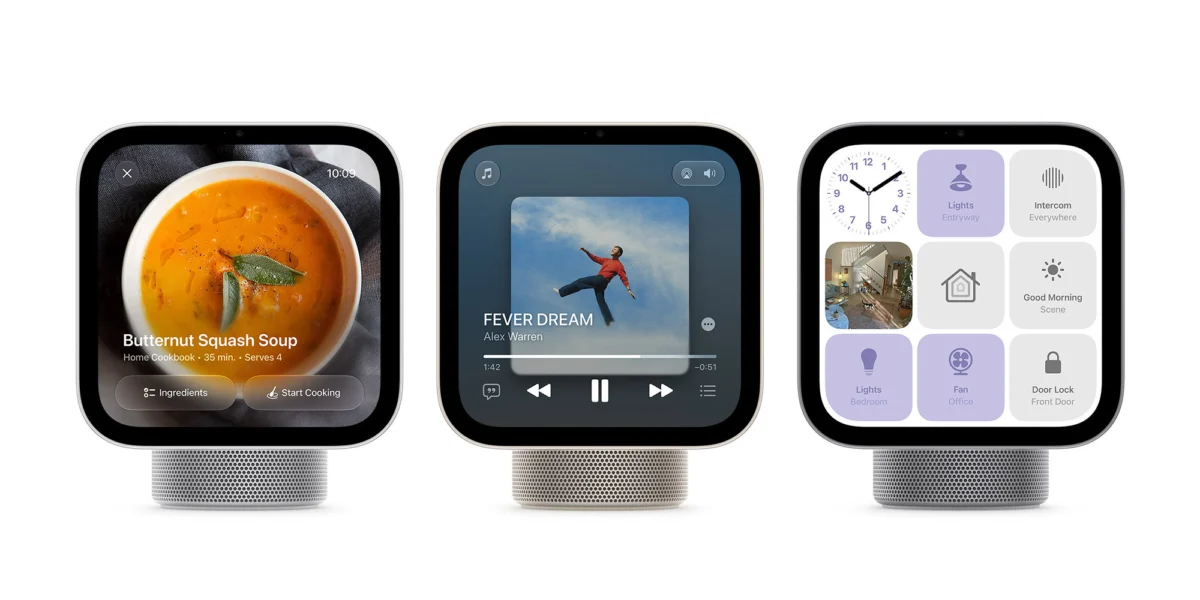
Following its highly anticipated product unveiling, Apple has released the official service and repair pricing for its brand-new smart home ecosystem flagship: the Apple HomeView. While the device has immediately captured the attention of smart home enthusiasts and Apple loyalists alike, the accompanying repair guidelines have ignited a vigorous discussion across consumer advocacy and tech industry circles.
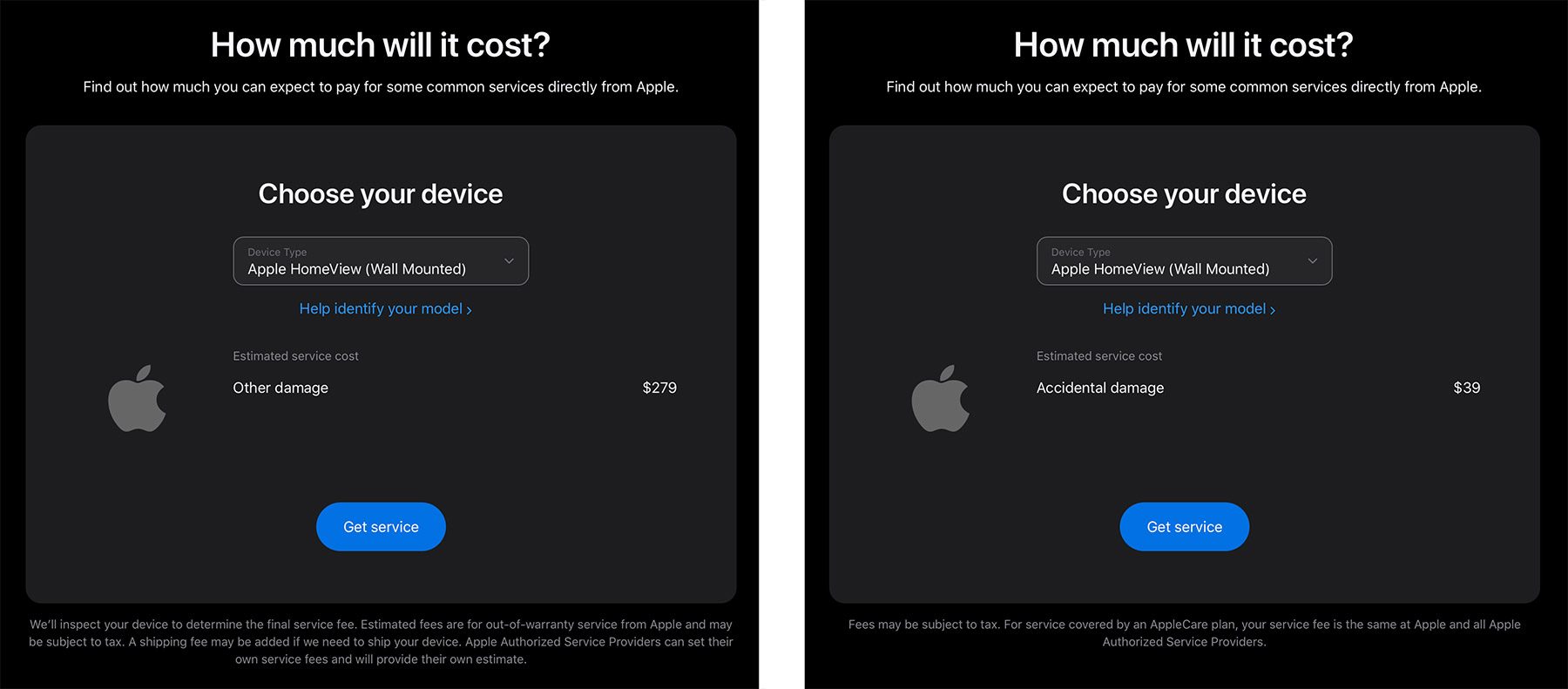
The core takeaway from Apple’s freshly updated support documentation is stark: out-of-warranty service for either variant of the HomeView smart display costs an eye-watering $279. Given that both the standard model and the Wall-Mounted version retail at $299, consumers find themselves staring down an out-of-warranty repair fee that equals a staggering 93% of the device’s brand-new purchase price.
By contrast, customers who opt into Apple’s extended protection plan, AppleCare, face a significantly cushioned financial blow. The accidental damage service fee for covered units is pegged at a modest $39.
Crucially, Apple’s current documentation lists all potential problems under a single, overarching category labeled "Other damage." The tech giant has not yet provided a granular breakdown of costs for isolated component failures—such as a cracked 7-inch display, a failing internal microphone array, or a blown speaker on the standard model’s integrated audio base. Industry analysts strongly suspect that this catch-all category indicates a "whole-unit swap" policy, where Apple replaces the entire physical chassis rather than performing micro-soldering or modular component repairs on site.
Chronology of the Announcement
To fully understand the context of these repair figures, it is vital to retrace the timeline of the HomeView’s market introduction:
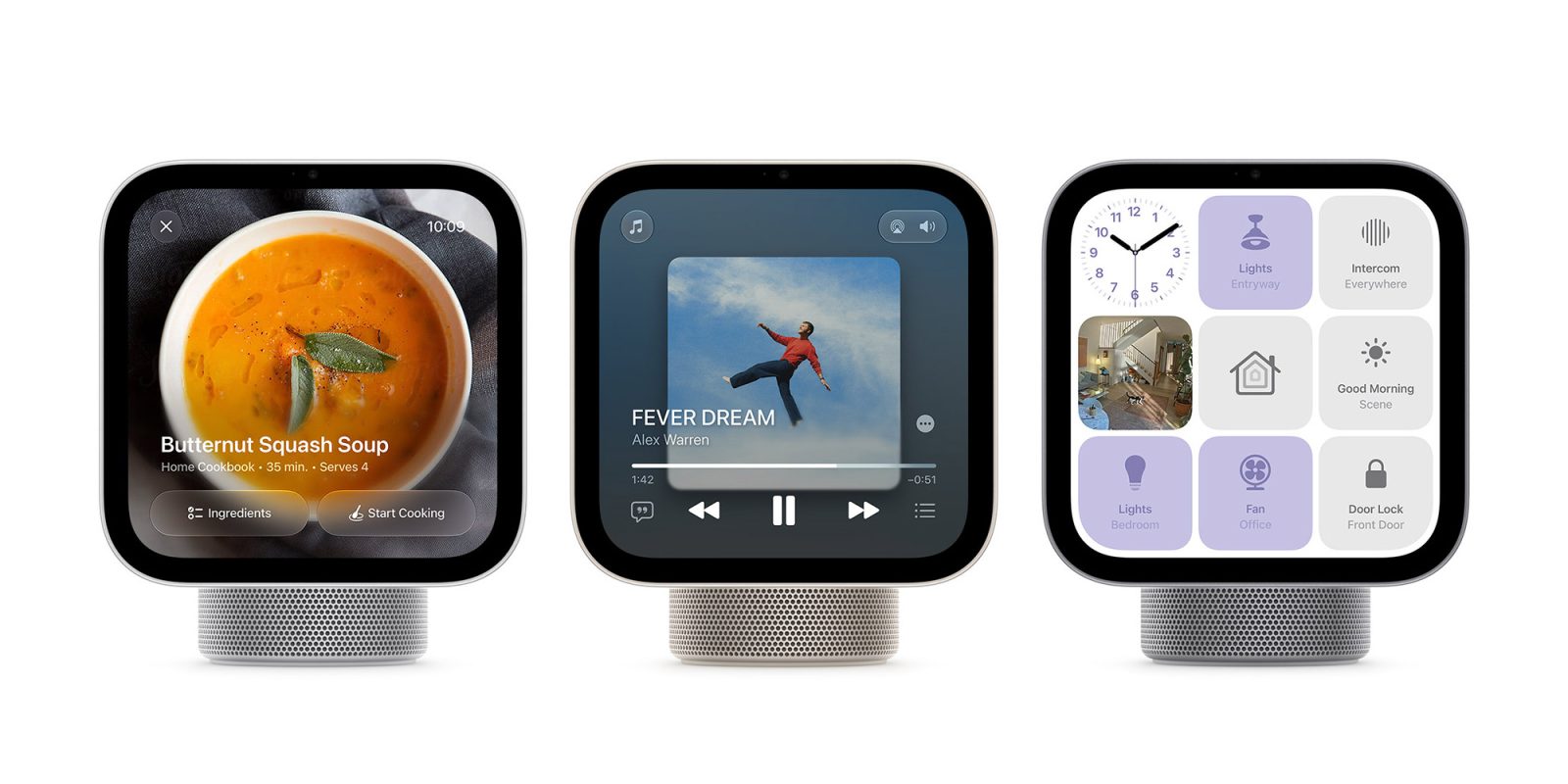
- October 13, 2026: Apple officially unveils the HomeView, a dedicated 7-inch smart home command center designed to anchor the Apple Home ecosystem. Pre-orders go live immediately following the keynote presentation, with initial retail shipments slated to hit doorsteps and Apple Store shelves on November 13, 2026.
- October 14, 2026 (Morning): Alongside the opening of pre-orders, Apple updates its online support portal, quietly publishing the "Apple Service and Repair for Apple HomeView" pages. These documents detail exact pricing metrics for both in-warranty, out-of-warranty, and AppleCare-backed incidents.
- October 14, 2026 (Afternoon): Tech journalists and consumer forums dissect the new support pages, highlighting the close proximity between the $279 out-of-warranty fee and the $299 retail price point. Discussions regarding the value proposition of AppleCare begin to trend across social media platforms.
- Present Day: The device remains in its pre-order phase, with consumers weighing whether to invest in the optional AppleCare protection plan to mitigate the steep risks associated with accidental kitchen drops, wall-mounting mishaps, or hardware malfunctions outside the standard one-year limited warranty.
Supporting Data & Product Specifications
To evaluate whether a $279 out-of-warranty repair fee is justified, one must examine what the Apple HomeView actually offers and how the hardware tiers are structured.
Hardware Variations and Pricing
Apple has split the HomeView lineup into two distinct configurations, both carrying a base price tag of $299:
- Apple HomeView (Standard): This model ships pre-attached to a weighted desktop base that houses a significantly enhanced, high-fidelity built-in speaker system. It is designed for kitchen islands, nightstands, and living room media consoles.
- Apple HomeView (Wall Mounted): Engineered for flush wall placement to act as a centralized home automation dashboard. Interestingly, despite carrying the same $299 retail price, this model does not include a wall mount bracket or a power adapter in the box—both of which must be purchased separately as accessories.
The Financial Breakdown of Ownership
- Retail Purchase Price: $299.00 (Standard or Wall-Mounted)
- Out-of-Warranty Repair ("Other Damage"): $279.00
- AppleCare Accidental Damage Fee: $39.00
- Standard Limited Warranty: Covers manufacturing defects for one year at zero cost, but explicitly excludes accidental damage (such as liquid spills, drops, or screen fractures).
The "All-In-One" Service Model
Apple’s decision to group all hardware faults into a single $279 repair bucket reinforces a long-running industry trend: modern consumer electronics are increasingly built as sealed, monolithic units. Because the HomeView packs a 7-inch touchscreen, advanced spatial audio drivers (on the standard model), complex sensor arrays for room presence, and specialized processing silicon into a tight chassis, modular field repairs are nearly impossible.
When a device is returned for out-of-warranty service, technicians are unlikely to spend labor hours diagnosing a faulty internal ribbon cable or microchip. Instead, the unit is recycled or refurbished off-site, and the consumer receives a replacement device. This explains why the repair cost tracks so closely to the manufacturing and retail baseline: you are essentially paying for a brand-new unit minus the initial packaging and marketing overhead.
Official Responses and Industry Reactions
As of publishing, Apple has not issued a dedicated press statement specifically addressing the public reaction to the HomeView’s out-of-warranty pricing structure. However, corporate communications point back to standard AppleCare policy guidelines, which have long prioritized whole-unit replacements for compact smart home and wearable accessories.
Independent consumer rights advocates and right-to-repair groups have been quick to weigh in. Critics argue that pricing an out-of-warranty repair at $279 for a $299 item borders on economically prohibitive, effectively encouraging electronic waste. If a user drops their device on day 400 (just past the standard one-year warranty) and shatters the display, common sense dictates that purchasing a brand-new unit for an extra $20 makes far more financial sense than paying for the repair service. Consequently, broken units risk ending up in landfills rather than being repaired.
Conversely, retail analysts and Apple apologists emphasize that the high out-of-warranty fee is a deliberate, calculated nudge designed to make AppleCare an absolute no-brainer at the point of sale. By making the protection plan mathematically indispensable, Apple secures recurring service revenue while protecting the consumer from catastrophic replacement costs in the event of an accident.
Implications for Consumers and the Smart Home Market
The launch of the Apple HomeView and its accompanying repair ecosystem carries several profound implications for the broader smart home market, prospective buyers, and Apple’s hardware strategy.
1. The Death of the "Repairable" Smart Display
For decades, traditional home automation touchscreens were modular or treated as permanent architectural fixtures. Apple’s approach treats the HomeView more like an iPad mini or a HomePod fused together—a high-tech consumer gadget rather than a permanent home fixture. Consumers must adjust their mental models: treating a $299 smart display with the same physical care they would afford a high-end smartphone.

2. The AppleCare Imperative
The most immediate practical takeaway for anyone eyeing the November 13 release date is simple: do not buy a HomeView without purchasing AppleCare. When the penalty for an accidental mishap out-of-warranty is $279, spending a fraction of that amount upfront for comprehensive coverage transforms a potential financial disaster into a minor $39 fix. Apple has effectively engineered a system where self-insuring through out-of-warranty repair payments is financially irrational.
3. Market Competitiveness
Competing smart home displays from rivals like Amazon (Echo Show series) and Google (Nest Hub line) often retail at much lower price points—frequently under $150 or even $100. While Apple positions the HomeView as a premium, privacy-focused, high-fidelity command center for the affluent smart home, the high cost of ownership, accessories (for the wall-mounted tier), and post-warranty servicing places it firmly in a luxury tier.
Whether consumers are willing to embrace a $299 device that demands careful handling—and potentially an AppleCare subscription to maintain peace of mind—will become clear when the HomeView officially arrives in homes this November. Until then, prospective buyers are well-advised to factor total cost of ownership into their shopping carts before hitting the pre-order button.



