










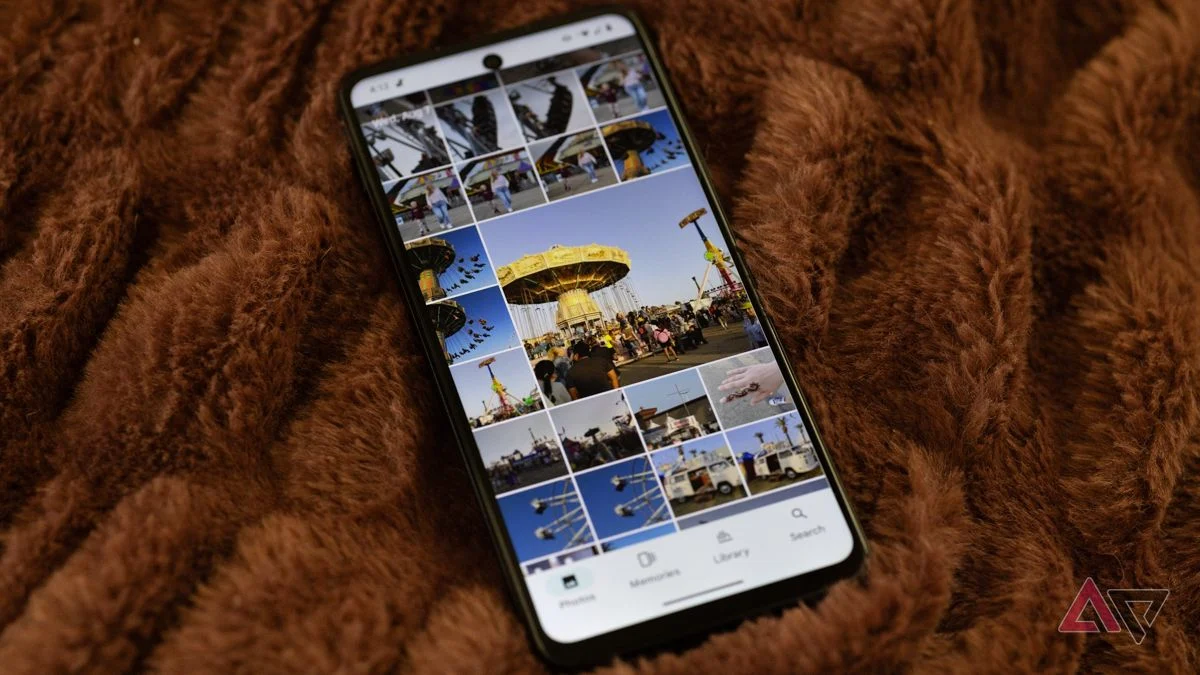
In a significant update to its widely utilized media management platform, Google has expanded its "Quick Edits" functionality to include video files. This development, surfacing in version 7.95.0.989626323 of the Google Photos app, streamlines the workflow for mobile users, effectively eliminating the cumbersome "back-and-forth" navigation previously required to perform minor adjustments before sharing content. By integrating essential editing tools directly into the share sheet, Google is prioritizing speed and user convenience in an increasingly mobile-first content landscape.
The Evolution of Quick Edits: From Still Images to Motion
The concept of "Quick Edits" is not entirely new to the Google Photos ecosystem. In July 2025, Google unveiled this functionality for still images, allowing users to perform rapid, high-impact edits—such as basic color corrections or cropping—without leaving the primary interface of the sharing menu.
Prior to this implementation, users who identified a minor flaw in a video—such as excessive dead air at the beginning of a clip or a need for a specific aspect ratio crop—were forced to exit the share flow, navigate to the full editor, perform the edit, save the changes, and then re-initiate the sharing process. This friction often led to users foregoing edits entirely, resulting in the sharing of unpolished or poorly framed media. By extending this feature to video, Google has effectively mirrored the workflow that made the photo-sharing update successful, creating a cohesive experience across all media types.
Technical Scope and Functionality
The new video editing suite within the share menu is designed for rapid execution rather than deep, professional-grade post-production. Users gain access to a curated selection of tools, including:
- Cropping and Resizing: Essential for removing unwanted background elements or reframing a video for social media platforms.
- One-Tap Color Adjustments: Utilizing Google’s algorithmic "Quick Fix" to improve lighting, contrast, and color balance instantly.
- Audio and Filter Integration: Basic capabilities for applying filters or managing simple audio overlays.
- Text Annotations: Allowing for quick contextual notes to be added directly onto the video frame.
While power users might find the absence of advanced features like multi-track timeline editing or color grading nodes restrictive, the intent of this update is not to replace dedicated video editors. Instead, it serves the "spur of the moment" use case—the quick send to a friend or the immediate upload to a social feed where efficiency is paramount.
Deployment and Hardware Requirements
The rollout of this feature is currently underway globally. However, Google has attached specific technical prerequisites to the update. To access the expanded Quick Edits menu for videos, users must be operating on a device running Android 14 or newer.
This requirement highlights a growing trend in mobile development: the coupling of new software features with specific OS architecture. By limiting the feature to Android 14 and above, Google ensures that the background processes required for real-time video rendering and encoding within the share sheet are handled by the most efficient system-level APIs, minimizing the risk of app crashes or battery drain during the editing process. Users are encouraged to check the Google Play Store for version 7.95.0.989626323 or higher to ensure their device is eligible for the update.
The Broader Implications for Google Photos
The integration of these editing tools signifies a broader shift in Google’s strategy for Photos. Once a simple cloud backup utility, the application has morphed into a sophisticated hub for AI-driven media management.

AI and the Future of Media
As we look toward the remainder of 2026 and beyond, it is evident that Google is betting heavily on artificial intelligence to differentiate its offering from competitors. The current Quick Edits feature relies on smart, automated adjustments that do the "heavy lifting" for the user. Future iterations will likely incorporate generative AI, allowing users to remove unwanted background objects from moving video or use natural language prompts to style their clips.
Competition and the "Self-Hosted" Movement
Despite the dominance of Google Photos, the platform faces increasing scrutiny regarding privacy and data ownership. While the convenience of "Quick Edits" keeps a large portion of the user base within the Google ecosystem, there is a rising contingent of privacy-conscious users migrating toward self-hosted alternatives. Platforms such as Immich or private NAS (Network Attached Storage) solutions have gained traction, appealing to users who wish to maintain full control over their media metadata and storage.
However, the convenience gap remains significant. For the average consumer, the ability to perform a one-tap edit and share via the native Android share sheet is a "sticky" feature that keeps Google Photos at the center of the mobile experience.
Supporting Data: Why Efficiency Matters
Industry studies on user behavior indicate that "friction" is the primary cause of user abandonment in mobile applications. In the context of media sharing, if a process takes more than three taps to complete, user engagement drops by nearly 40%. By collapsing the video editing workflow into the share sheet, Google is effectively reducing a five-step process into a two-step process. This optimization is crucial for maintaining the platform’s relevance as users transition from long-form content creation to short-form, high-velocity sharing.
Industry Reaction and Official Outlook
While Google has historically been quiet regarding these incremental "quality of life" updates—often opting for silent server-side pushes rather than major press releases—the industry reaction has been largely positive. Tech analysts suggest that these small, iterative improvements are what keep the Android ecosystem competitive against the highly integrated Apple iCloud Photos experience.
Google has not provided a formal statement on whether these features will eventually reach iOS users or older versions of Android, though the hardware-heavy nature of video processing suggests that older devices may lack the necessary computational overhead.
Conclusion
The introduction of Quick Edits for videos in Google Photos is a clear indicator that Google is listening to user feedback regarding workflow efficiency. By prioritizing the "quick" in "Quick Edits," the company has successfully lowered the barrier to entry for video improvement.
As we look to the future, it is clear that the battle for the photo and video management market will be won not just by storage capacity or cloud reliability, but by the intelligence of the tools provided to the user. Whether this update is enough to keep users from drifting toward self-hosted, private alternatives remains to be seen, but for now, the convenience of the native experience is a compelling argument to stay. As always, for those who value privacy above all else, the path toward personal server management remains open, but for the majority, the "Google way" just became significantly faster.



