










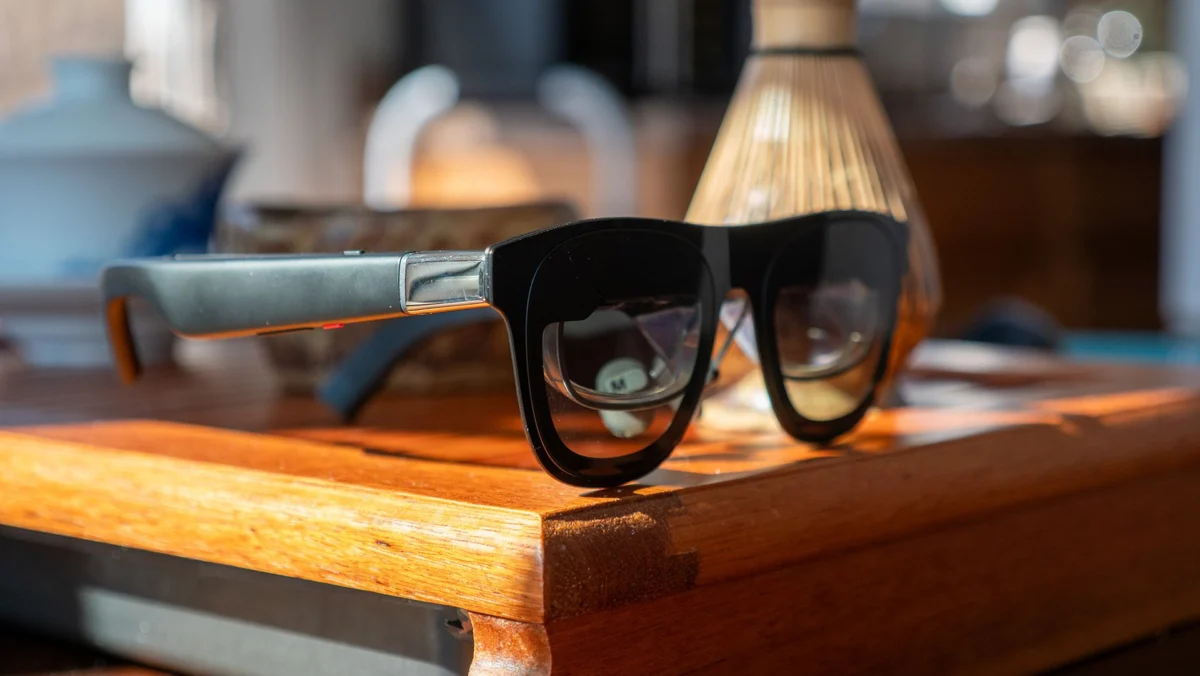
For years, the promise of augmented reality (AR) and extended reality (XR) has hovered just out of mainstream reach. Consumers have been forced to choose between cumbersome, heavy headsets that isolate them from the world or lightweight smart glasses that offer little more than basic notification displays. Xreal has consistently bridged this gap, carving out a reputation as one of the premier manufacturers of wearable virtual display technology.
Now, as major retail events like Prime Big Deal Days sweep the market, consumers are being given a rare window to dive into high-end spatial computing for less. The Xreal One Pro smart glasses have seen a notable price drop down to $549, slicing nearly 10% off their standard retail price. This discount arrives at a fascinating crossroads for the company, immediately following news regarding Xreal’s upcoming, ultra-premium Project Aura Android XR glasses—which boast a staggering $1,279 price tag.
For tech enthusiasts, frequent travelers, and gamers looking for a massive private display without breaking the bank, the Xreal One Pro sale presents a compelling value proposition. But how do these glasses hold up against the broader backdrop of the spatial computing market, and are they the right investment for your digital lifestyle?
Main Facts: What the Xreal One Pro Offers
At its core, the Xreal One Pro is designed to solve a very specific problem: how to enjoy a cinematic or workstation-grade display while on the move, without being anchored to a physical monitor or television.
Rather than functioning as a fully standalone computer—like the Apple Vision Pro or Meta Quest 3—the Xreal One Pro acts as a high-performance tethered display. It utilizes cutting-edge hardware to project a virtual screen directly into the user’s field of view.
Key Specifications and Features:
- The Display: Built around Sony’s advanced micro-OLED display technology, the glasses support a fluid 120Hz refresh rate, ensuring smooth motion for fast-paced gaming and high-frame-rate video playback.
- Spatial Computing Engine: Powered by Xreal’s custom X1 spatial computing chip, the One Pro delivers robust 3DoF (Degrees of Freedom) tracking with an ultra-low latency of just 3 milliseconds.
- Virtual Screen Size: Xreal’s optical engine is capable of simulating a massive 171-inch virtual screen viewed from a distance of approximately four meters.
- Brightness: With a peak brightness output of up to 700 nits, the One Pro is engineered to combat washout, performing significantly better in brighter indoor or outdoor environments than its predecessors.
- Audio Integration: The glasses feature built-in Sound by Bose audio solutions, allowing users to consume media privately without needing to pack a separate pair of wireless earbuds or bulky over-ear headphones.
- Ecosystem Compatibility: The device connects seamlessly to any hardware capable of outputting video over USB-C. This includes modern iPhones, Android smartphones, handheld gaming systems like the Steam Deck and ASUS ROG Ally, as well as MacBooks and Windows laptops.
Chronology: The Evolution of Xreal and Market Timing
To understand the significance of the $549 price point for the Xreal One Pro, it is helpful to look at the timeline of Xreal’s product strategy and the broader evolution of the AR hardware market.
1. The Foundation of Tethered AR (2021–2023)
In the early days of consumer AR, Xreal (formerly Nreal) pioneered lightweight glasses designed primarily for media consumption and smartphone mirroring. Devices like the Nreal Light and later the Xreal Air established the formula: a tethered USB-C cable running to a phone or handheld console, projecting a floating virtual screen in front of the user’s eyes. These glasses proved that consumers preferred form factor over standalone weight, setting the stage for more immersive revisions.
2. The Introduction of the One Series and the X1 Chip (Late 2023–2024)
As competition heated up, Xreal introduced its proprietary custom silicon—the X1 spatial computing chip. This allowed the company to enhance tracking capabilities, reduce motion blur, and introduce much lower latency. The Xreal One series was born out of this technological leap, refining both display fidelity and build ergonomics.
3. The Shift Toward Advanced Spatial Computing (Late 2024)
Recently, Xreal made waves in the industry by unveiling details regarding its next-generation platform: Project Aura. Positioned as a major leap forward, Project Aura aims to integrate powerful Android XR software and advanced artificial intelligence directly into a smart glass form factor. However, the cutting-edge nature of Project Aura comes with a steep price tag, with official pricing revelations pinning the upcoming device at $1,279—placing it firmly in enthusiast and early-adopter territory.
4. The Prime Big Deal Days Discount (Current)
Recognizing the widening price gap between basic media glasses and high-end spatial computers, Xreal and its retail partners have slashed the price of the Xreal One Pro to $549 during major promotional windows like Prime Big Deal Days. This timing allows budget-conscious consumers to access top-tier micro-OLED visual fidelity without committing to the four-figure investment required for upcoming Android XR flagships.
Supporting Data: Performance and Market Positioning
Evaluating a piece of wearable tech requires looking past the marketing jargon and examining how the specifications translate into real-world utility.
| Feature / Metric | Xreal One Pro | Standard Entry-Level AR Glasses | High-End Standalone XR (e.g., Apple Vision Pro / Project Aura) |
|---|---|---|---|
| Price Point (Sale) | $549 | $300 – $400 | $1,279 – $3,499+ |
| Display Type | Sony Micro-OLED | Standard OLED / LCD | Micro-OLED / Dual 4K |
| Refresh Rate | Up to 120Hz | 60Hz – 90Hz | 90Hz – 100Hz+ |
| Peak Brightness | Up to 700 nits | 400 – 500 nits | Varies (often higher for passthrough) |
| Processing | X1 Spatial Chip (Tethered) | Minimal onboard processing | Powerful onboard SoC (Standalone OS) |
| Connectivity | Wired USB-C Video Output | Wired USB-C Video Output | Wi-Fi, Bluetooth, Wireless Ecosystem |
Who Should Buy the Xreal One Pro?
- Digital Nomads and Frequent Travelers: If you frequently find yourself working on cramped airplane tray tables or in hotel rooms, these glasses allow you to expand your laptop workspace virtually, keeping sensitive data away from prying eyes.
- Handheld Gamers: Owners of a Steam Deck, Nintendo Switch (via adapter), or ASUS ROG Ally can transform their portable gaming setups into a massive cinematic display, enhancing immersion significantly.
- Media Enthusiasts: Anyone looking to replicate a home-theater experience in bed or while commuting without lugging around external monitors.
Who Should Skip This Deal?
- Users Seeking Standalone Functionality: If you expect an independent device with its own app store, web browser, and battery-powered operating system (similar to a Meta Quest), the One Pro will not meet your needs; it strictly requires a host device with USB-C video output.
- Wireless Purists: Those who despise cables will find the tethered USB-C connection a dealbreaker, as data and video must flow through a physical cord.
- Non-USB-C Device Owners: Users heavily invested in older ecosystems lacking video-out over USB-C will need to purchase additional adapters or transmitters.
Official Responses and Industry Context
Industry analysts note that pricing strategies around $550 represent a psychological sweet spot for consumer electronics. While casual consumers may balk at spending over a thousand dollars on unproven smart glass ecosystems, the sub-$600 tier attracts gadget enthusiasts who are willing to experiment with productivity and entertainment upgrades.
Xreal’s executive team has consistently emphasized a dual-track strategy: pushing the boundaries of high-end standalone spatial computing with platforms like Project Aura, while concurrently refining tethered hardware for users who prioritize lightweight comfort and cost-efficiency.
In statements surrounding the rollout of their product ecosystem, Xreal representatives have highlighted that the primary hurdle for AR adoption has always been a combination of form factor, weight, and visual fatigue. By leaning into Sony’s micro-OLED panels and maintaining a lightweight frame, the One Pro avoids the "brick on the face" syndrome that plagued early VR headsets. Furthermore, integrating Sound by Bose directly into the arms of the glasses demonstrates a commitment to eliminating the clutter of extra accessories—a design choice widely praised in product reviews.
Implications: What This Means for the Future of AR
The discounting of the Xreal One Pro to $549 during major retail events points to a broader trend within the consumer technology landscape: hardware maturation and market segmentation.
- The Normalization of Virtual Displays: As the price of micro-OLED panels gradually drops, high-density virtual screens are transitioning from experimental novelties to practical accessories. For remote workers and digital creators, carrying a pair of glasses that weighs mere ounces in exchange for a 171-inch virtual workspace fundamentally alters travel productivity.
- The Bifurcation of the XR Market: The stark contrast between the $549 Xreal One Pro and the upcoming $1,279 Project Aura indicates that the market is splitting. On one side are tethered "monitors-on-your-face" designed for media consumption and secondary display expansion. On the other side are fully autonomous spatial computers running complex operating systems, AI integrations, and untracked spatial apps.
- Consumer Adoption Acceleration: Discounts like the Prime Big Deal Days promotion act as catalysts. By lowering the barrier to entry, companies like Xreal can onboard mainstream tech enthusiasts who might otherwise hesitate to test spatial computing. As these users experience low-latency 120Hz displays and spatial tracking firsthand, the cultural acceptance and demand for augmented reality hardware will only accelerate.
For now, if your digital routine involves a compatible USB-C laptop, handheld console, or smartphone, and you have ever wished for a massive, private screen that fits inside your coat pocket, picking up the Xreal One Pro at its discounted rate of $549 is one of the most practical entry points into the future of personal display technology.



