










In the rapidly evolving landscape of digital commerce, the mantra for years has been "data-driven personalization." Retailers and digital experience architects have spent billions tracking clicks, scroll depth, and abandonment rates. Yet, despite this technical precision, conversion rates have remained notoriously stubborn. Why? Because while traditional analytics tell us what a user is doing, they remain blind to the why.

New research suggests that approximately 80% of human decisions are driven by emotion rather than cold logic. In the digital realm, a user’s journey is a sequence of micro-moments—hesitation, urgency, doubt, or excitement—that occur in milliseconds. When a brand fails to recognize these emotional signals, they miss the opportunity to connect, ultimately losing the conversion.
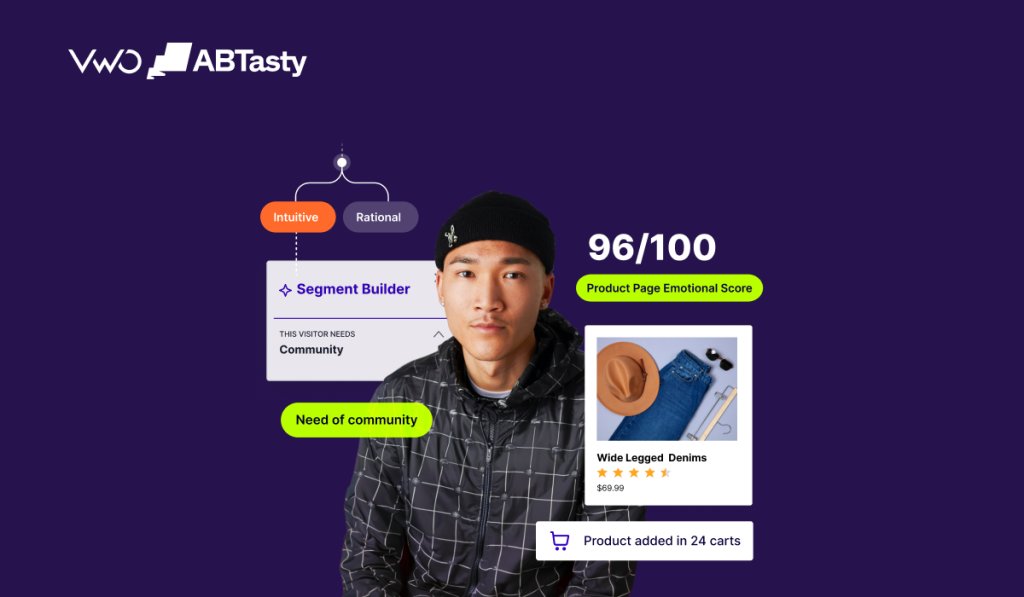
Enter EmotionsAI, a groundbreaking platform built on over eight years of proprietary behavioral data. By utilizing an intuitive AI engine, EmotionsAI identifies a visitor’s emotional mindset in under 30 seconds, enabling brands to move beyond generic segmentation and toward a more human-centric digital experience.
The Science of the "Why": How EmotionsAI Works
The platform operates on a sophisticated premise: digital behavior is a proxy for internal states. By analyzing navigation patterns, interaction speeds, and site engagement, EmotionsAI surfaces hidden patterns in user journeys. It does not merely observe; it predicts.
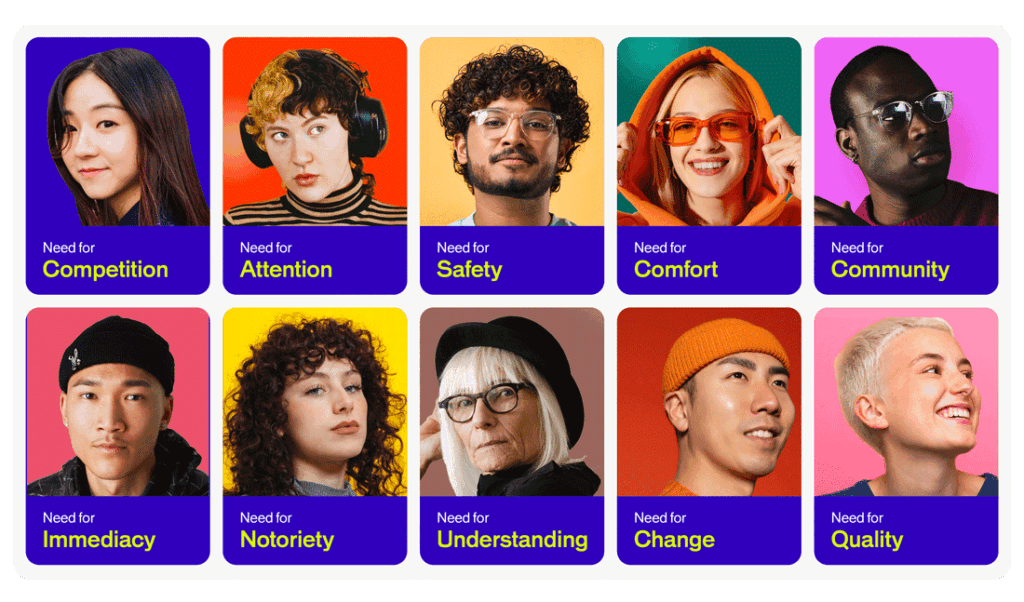
The engine categorizes visitors into one of 10 distinct emotional profiles. Once identified, this data integrates seamlessly with experimentation platforms like VWO and AB Tasty. This allows marketing teams to trigger specific widgets, copy, or visual cues that align with the user’s current emotional state, transforming a sterile website into a responsive environment that feels understood.
The 10 Emotional Profiles: A Deep Dive
Understanding these segments allows brands to curate experiences that feel less like marketing and more like genuine assistance.
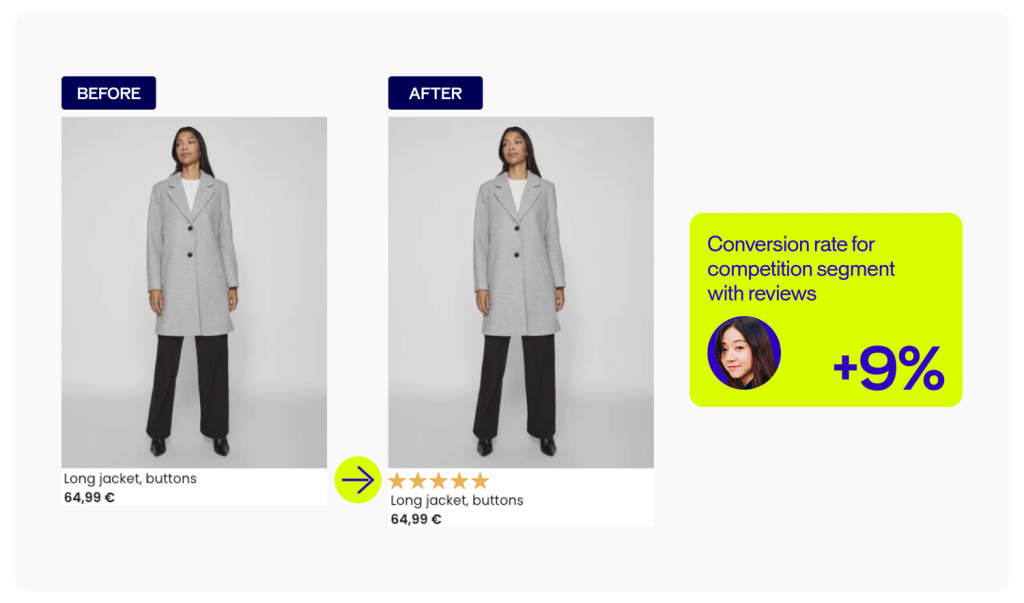
1. Competition (~10% of audience)
These visitors are driven by status and the desire to be "the best." They view their purchases as statements.
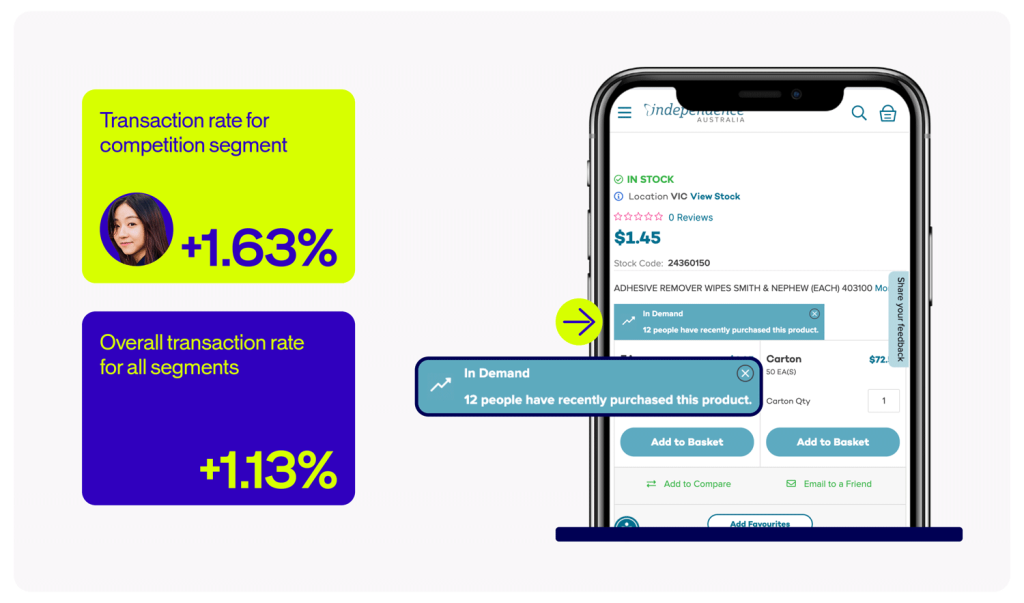
- Strategy: Utilize social proof, such as "300 people viewed this today," to trigger their competitive instincts. Keep copy sharp and punchy; they have no patience for fluff.
2. Attention (~10% of audience)
These users want to feel valued and prioritized. They are looking for an experience tailored exclusively to them.
- Strategy: Lead with exclusive perks or surprise offers. When these users feel like "VIPs," their resistance to conversion evaporates.
3. Safety (~27% of audience)
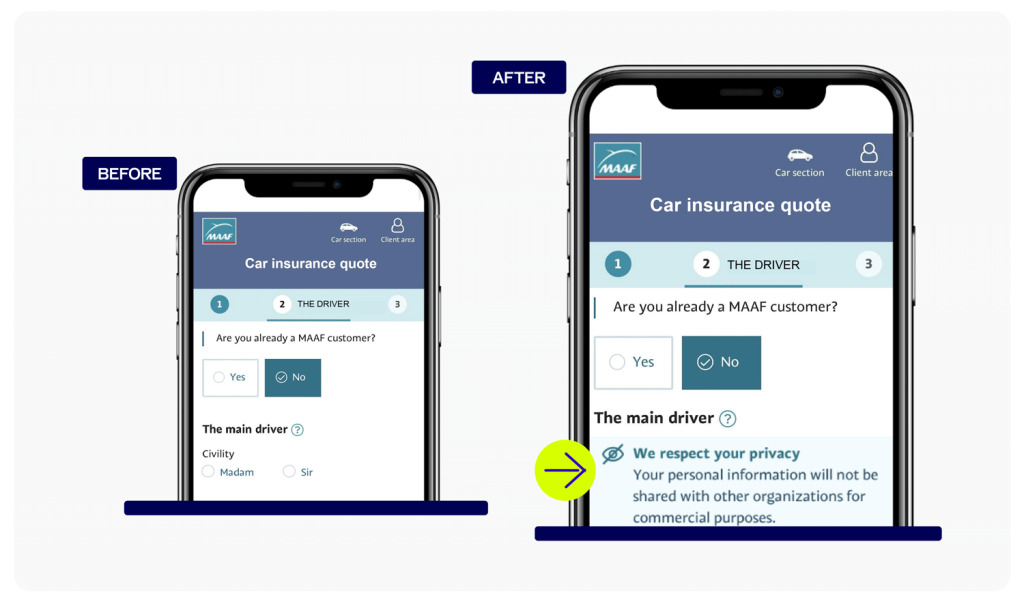
The largest segment, these users are sensitive and prone to anxiety. Pressure tactics (like countdown timers) cause them to bounce immediately.
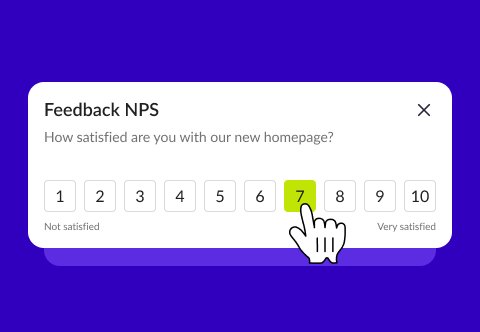
- Strategy: Focus on reassurance. Clearly display security badges, return policies, and transparent data handling. Remove friction-heavy elements to keep the journey calm.
4. Comfort (~10% of audience)
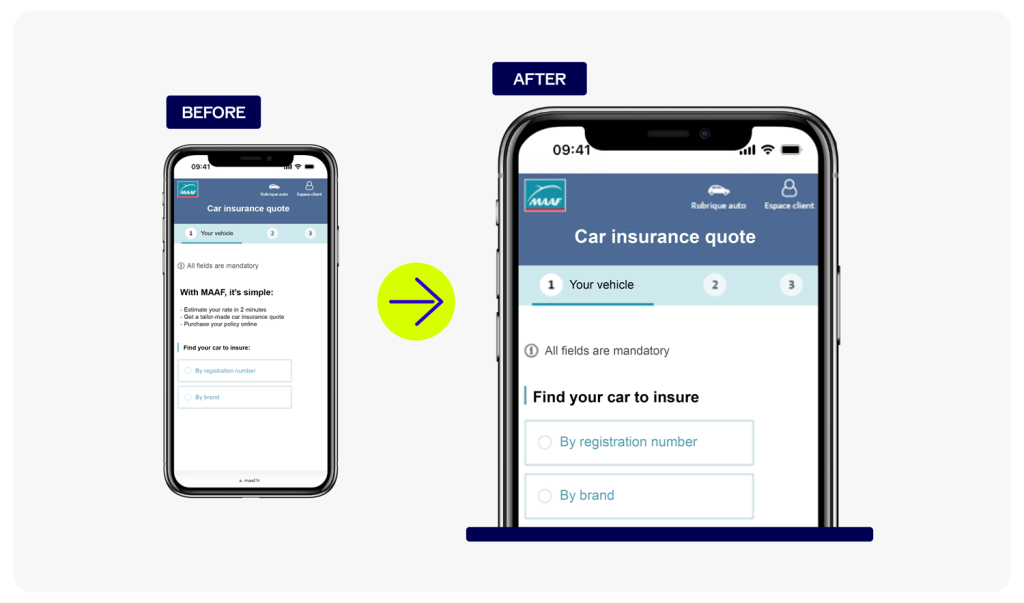
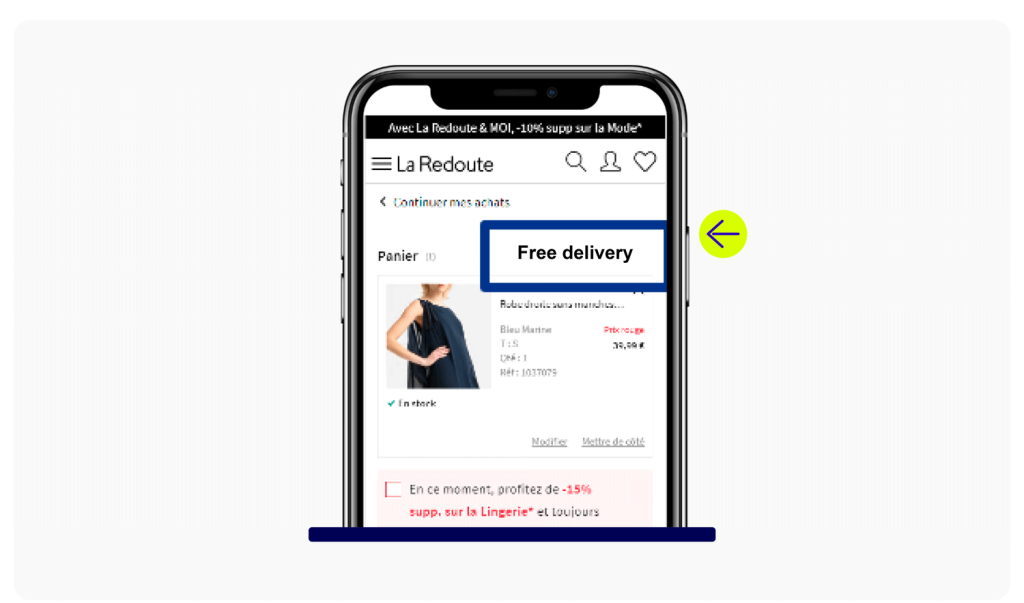
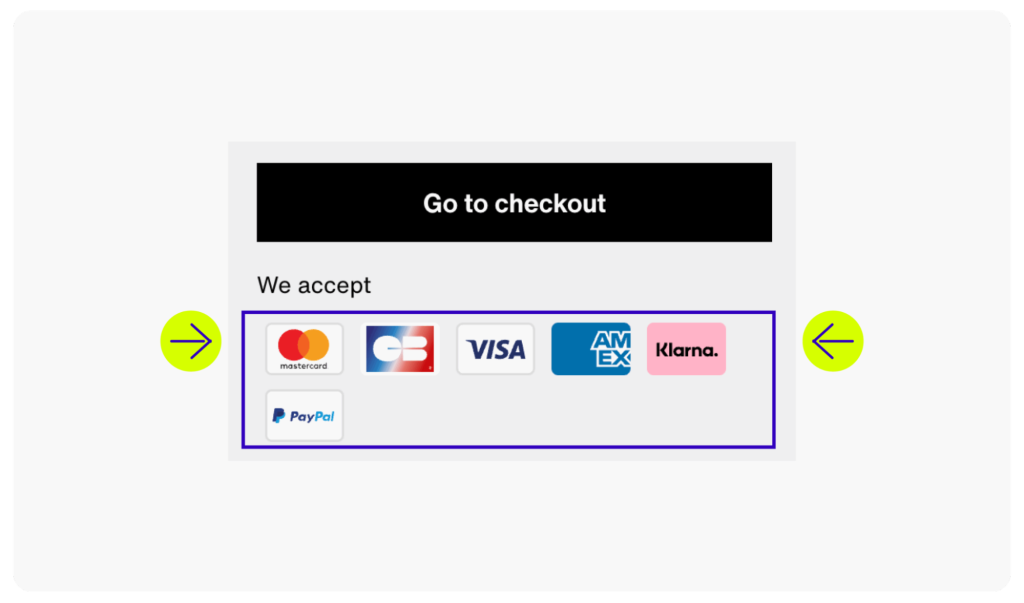
For these users, simplicity is the ultimate luxury. They want a frictionless path to purchase.
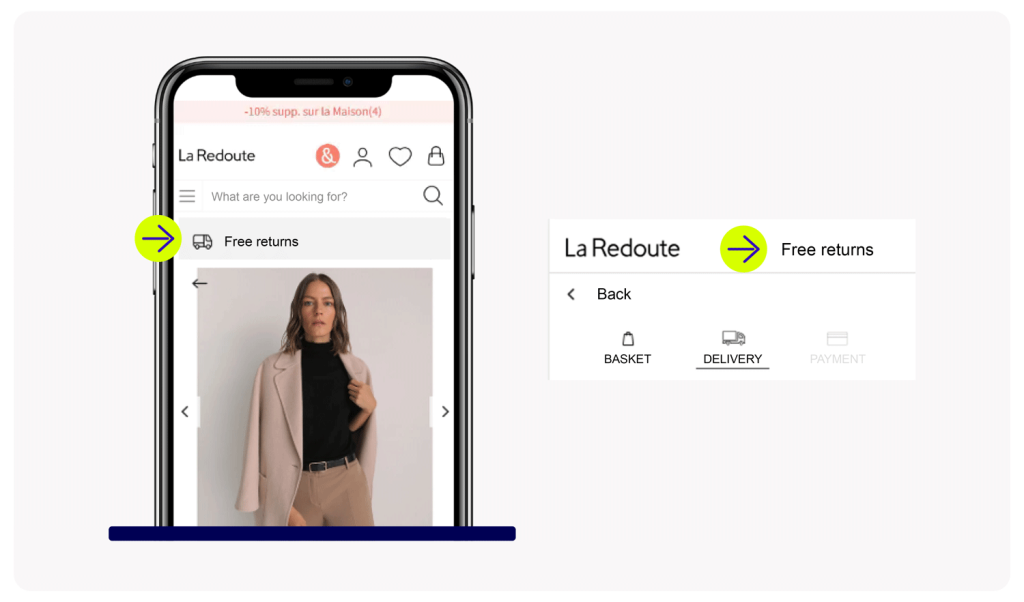
- Strategy: Emphasize "ease of use." Highlight free delivery and intuitive payment options. They reward brands that allow them to shop effortlessly from their own space.
5. Community (~6% of audience)
Connection and shared values move this group. They shop with others in mind and are drawn to brands that give back.
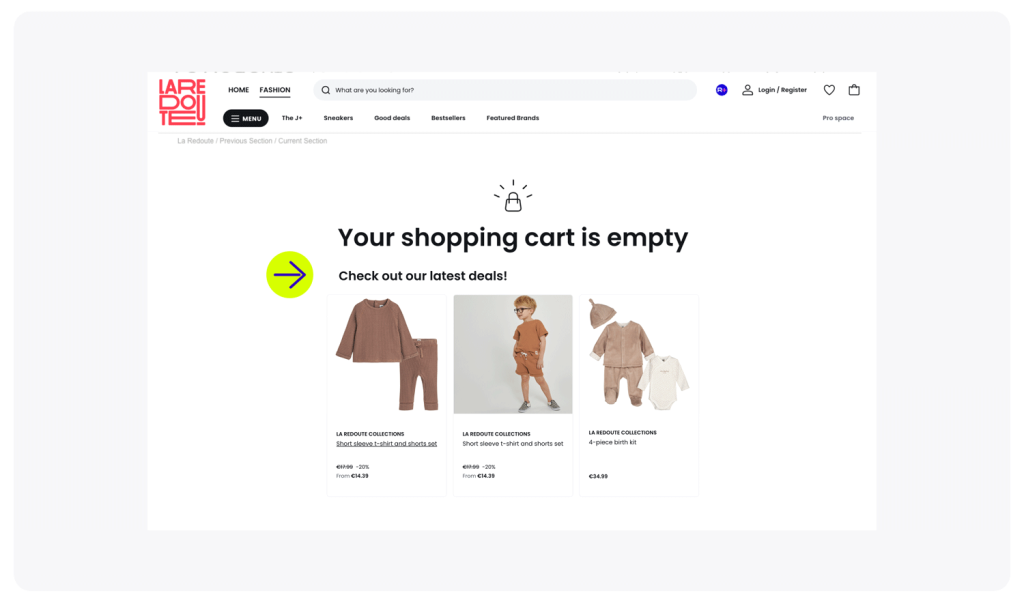
- Strategy: Lean into sustainability labels and eco-friendly messaging. Personalized, human-centric copy (e.g., using their first name) builds the bridge to their community-driven heart.
6. Immediacy (~5% of audience)
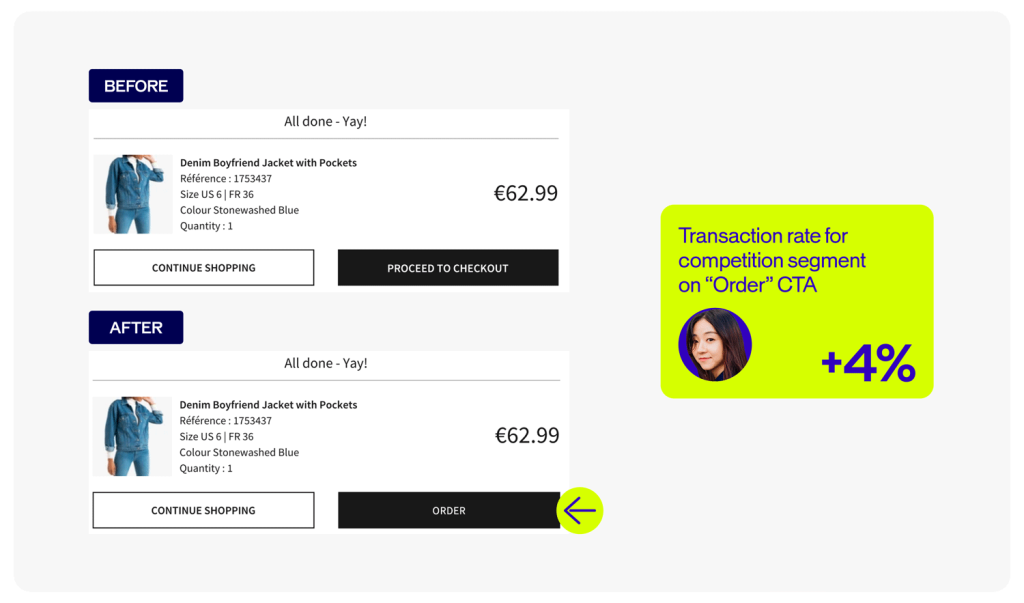
These are the "get it done" visitors. They crave instant gratification and despise complexity.
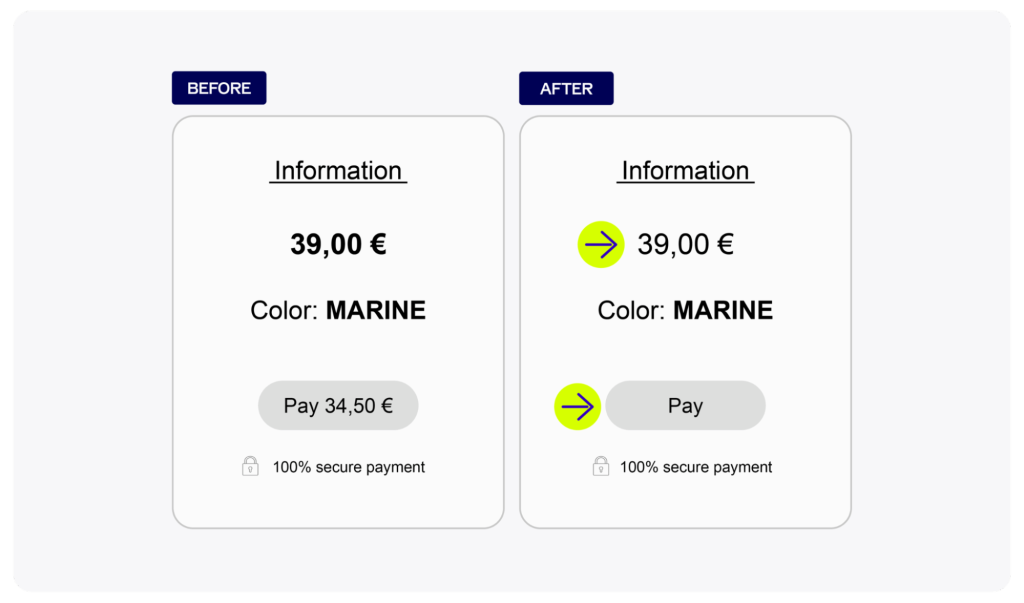
- Strategy: Make the Call to Action (CTA) bold and impossible to miss. Remove extraneous navigation elements that could distract them from the checkout button.
7. Notoriety (~2% of audience)
These visitors are risk-averse and rely on the crowd. They trust established reputations and validated choices.

- Strategy: Invest in high-end, professional photography and display well-known quality certifications. Use deeper, more sophisticated color palettes to signal credibility.
8. Understanding (~9% of audience)
These are the researchers. They need the full picture—data, specs, and logic—before committing.
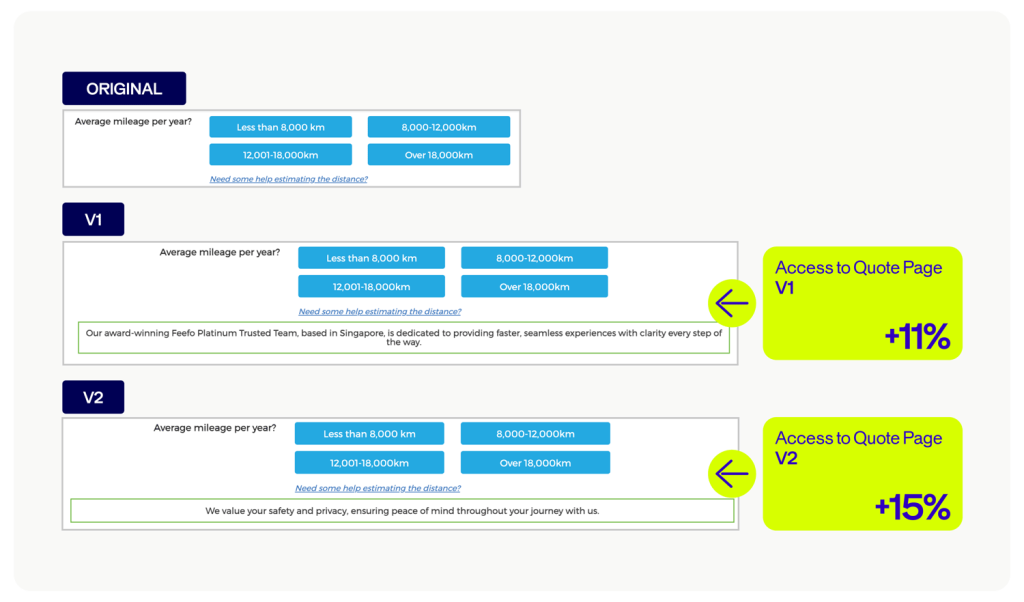
- Strategy: Provide comprehensive, well-structured information. Lead with numbers and concrete figures rather than emotive storytelling. Use progress bars to help them track their logic-driven journey.
9. Change (~8% of audience)
Routine is the enemy for this group. They are adventurous and look for fresh, bold ideas.
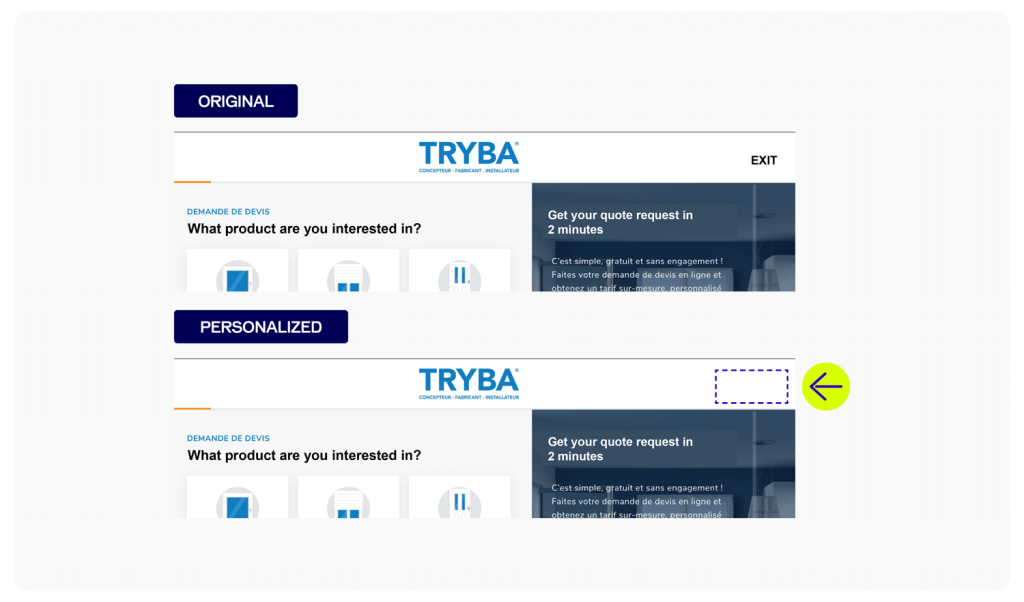
- Strategy: Highlight new arrivals and modern payment methods like BNPL (Buy Now, Pay Later). Avoid "standard" trust badges, which they may perceive as outdated.
10. Quality (~3% of audience)
These visitors are not swayed by discounts; they are hunting for craftsmanship.
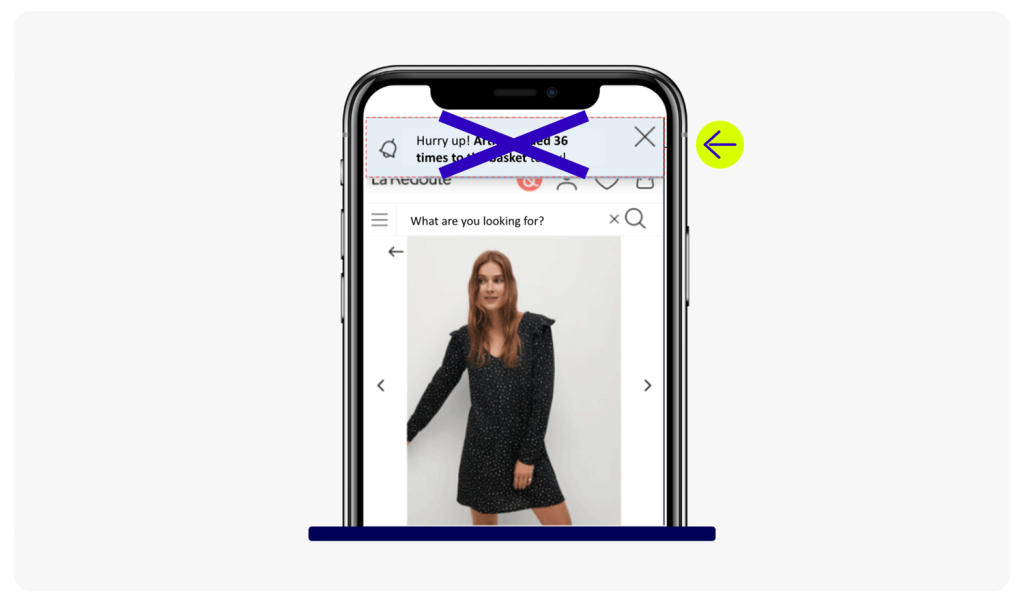
- Strategy: Tell the "story behind the product." Focus on heritage and excellence. Avoid heavy discounting, as it may ironically lower the perceived value of the product for this discerning segment.
Implications for Digital Strategy
The integration of emotional intelligence into web optimization marks a paradigm shift in how we view the "customer funnel." Historically, marketers have been obsessed with reducing friction at all costs. However, for a user in the "Understanding" segment, "friction" might actually be a necessary period of deep research. For the "Safety" user, a lack of detailed reassurance is the real friction.
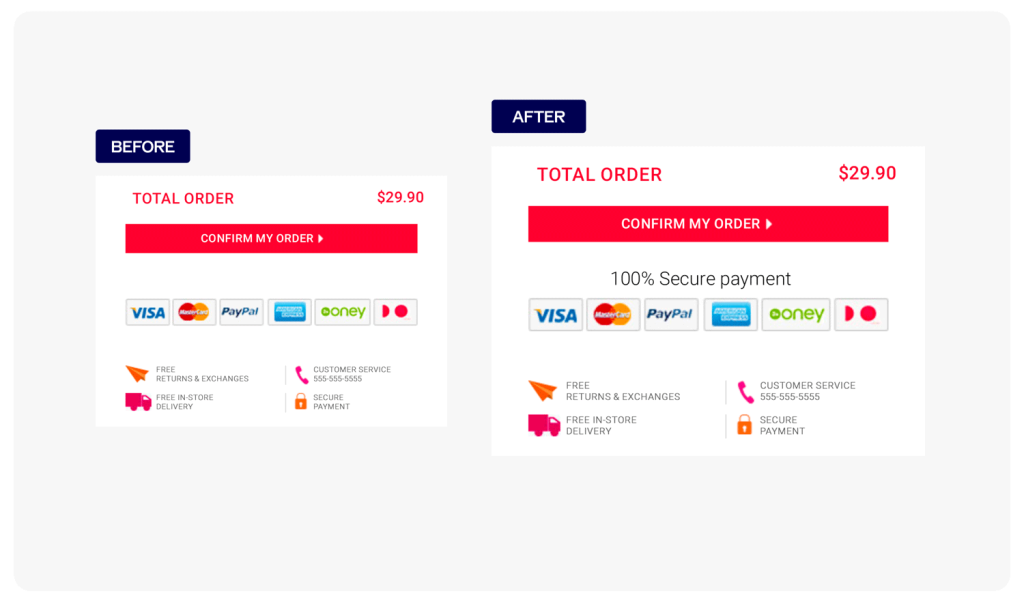
By utilizing EmotionsAI, businesses can stop applying one-size-fits-all optimization tactics. Instead, they can build a "living" website that adapts in real-time. This is the difference between a static digital billboard and a concierge service.
Official Response and Industry Impact
Industry leaders in the MarTech space have lauded the approach for its ability to bridge the gap between creative storytelling and hard data. By providing concrete "use cases" for each emotional segment, the platform democratizes access to sophisticated behavioral psychology.
"The goal is not to manipulate the user, but to remove the barriers that prevent them from finding what they truly need," says a lead researcher on the project. "When a user feels understood, the conversion becomes a natural outcome of that connection, rather than a forced transaction."
The Future of Human-Centric UX
As we look toward the future, the reliance on cookie-based tracking is diminishing, and privacy-first regulations are tightening. In this climate, the ability to understand a user based on their intent and emotional state—without relying on intrusive personal data—is becoming the ultimate competitive advantage.
The shift toward emotional segmentation suggests that the next generation of digital marketing will be defined by empathy. Companies that can accurately detect these 10 profiles and respond accordingly will see higher lifetime customer value (LTV), lower churn, and a stronger brand affinity.
In conclusion, the technology behind EmotionsAI proves that the future of the internet is not just faster or more automated; it is more human. By recognizing the emotional pulse of the visitor, brands can transform the sterile, transactional nature of e-commerce into a meaningful dialogue. The data shows that the most successful digital experiences of the next decade will be those that prioritize the human heart as much as the data point.