










Main Facts
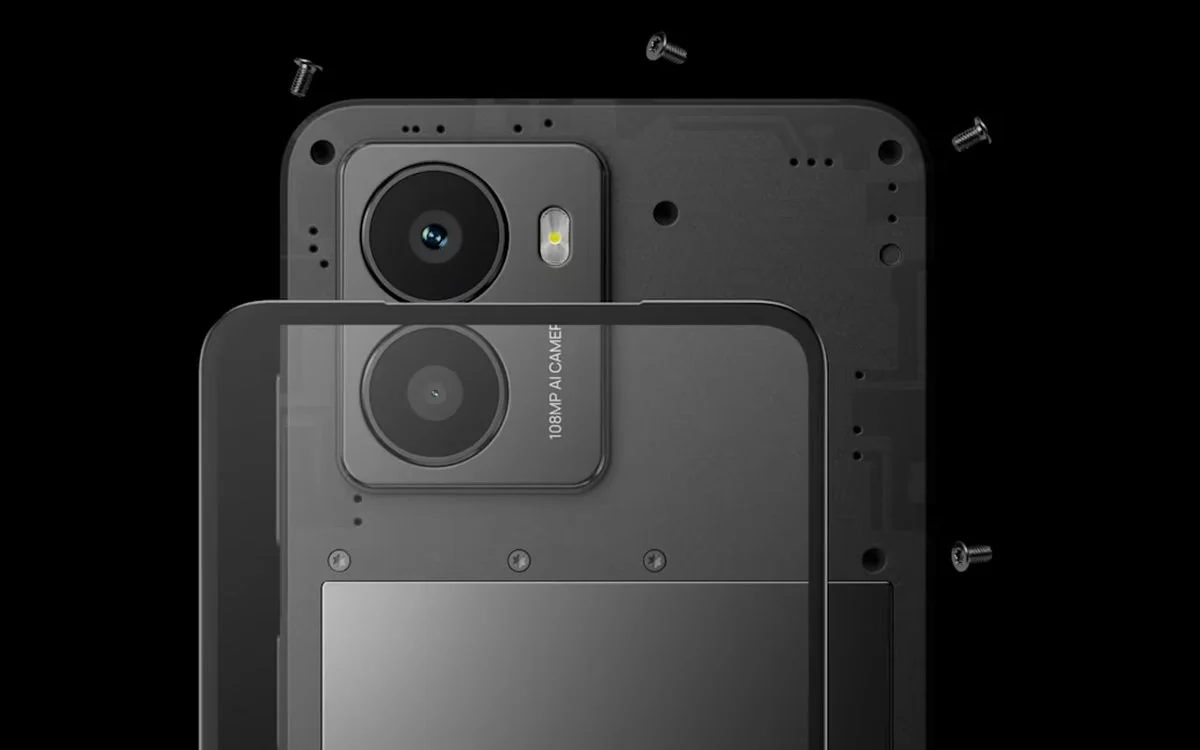
HMD Global, the Finnish-headquartered company known for manufacturing Nokia-branded hardware alongside its own burgeoning independent device portfolio, is reportedly expanding its budget-friendly smartphone lineup. According to a historically reliable tipster specializing in leaks surrounding the brand, HMD is currently in the advanced stages of developing a new lower-end Android smartphone bearing the internal codename "Darkhawk."
Despite its aggressive and tactical moniker, the device is positioned firmly within the budget segment. However, initial specifications indicate that HMD is attempting to bridge the gap between low-cost affordability and premium user-experience metrics—particularly in areas traditionally compromised in the entry-level market, such as display fluidity and battery longevity.
Key hardware specifications leaked regarding the HMD Darkhawk include:
- Display: A flat panel featuring an impressive 120Hz refresh rate.
- Processor: Powered by the MediaTek Helio G100 chipset.
- Memory: 8GB of RAM, ensuring adequate multitasking headroom for a budget-tier device.
- Battery & Charging: A substantial 6,000 mAh battery paired with 33W wired fast-charging support.
- Software: Destined to ship with a "stock" implementation of Android 17 straight out of the box.
As of press time, HMD Global has not publicly acknowledged the existence of the Darkhawk, and details regarding its official marketing name, global pricing, regional availability, and camera configurations remain strictly under wraps.
Chronology of HMD’s Strategic Evolution
To understand where the "Darkhawk" fits into the broader mobile landscape, it is essential to trace HMD Global’s trajectory over the past several years. The company’s journey highlights a significant pivot in corporate strategy, moving from a brand exclusively tied to nostalgia to an independent entity carving out its own identity in the crowded mid-range and budget segments.
Phase 1: The Nokia Era and Brand Consolidation (2016–2023)
Founded in 2016 by former Nokia executives, HMD Global Oy initially rose to prominence through an exclusive licensing agreement with Nokia Corporation. The deal granted HMD the right to manufacture and sell Nokia-branded smartphones and feature phones globally. During this period, HMD built its reputation on offering reliable build quality, clean Android software (via the Android One program), and timely security updates, heavily leaning into the emotional resonance of the legacy Nokia brand.
Phase 2: The Multi-Brand Pivot (Early 2024)
By early 2024, market dynamics and shifting consumer preferences prompted a radical rethink within HMD’s leadership. The company announced a strategic multi-brand vision. While retaining the right to produce feature phones under the Nokia banner, HMD began phasing out Nokia-branded smartphones in favor of launching devices under its own name—"HMD." This transition was designed to establish an independent brand equity that could survive independently of nostalgic associations, targeting younger demographics, repairability enthusiasts, and budget-conscious consumers.
Phase 3: The Leak and the "Darkhawk" Emergence (Late 2025 – Present)
Throughout 2024 and 2025, HMD introduced a wave of repairable, colorful, and value-oriented smartphones, such as the HMD Pulse and HMD Skyline families. The latest chapter in this evolution emerged via social media channels—specifically through dependable industry leakers like @smashx_60—who brought the "Darkhawk" codename to public attention. While the device’s exact launch window remains unconfirmed, industry watchers anticipate a late-year unveiling or an early Q1 rollout, given the timeline of typical HMD product cycles.
Supporting Data and Technical Analysis
A closer examination of the leaked specifications for the HMD Darkhawk reveals a fascinating strategy of component selection. By balancing cost-saving measures with targeted high-end specifications, HMD aims to deliver a competitive device for emerging markets and budget-conscious consumers in developed regions.
1. The Display: Punching Above Its Weight Class
The inclusion of a 120Hz refresh rate on a lower-end HMD device is perhaps the most striking detail of the Darkhawk leak. Historically, high refresh rate panels—which provide smoother scrolling, animations, and improved perceived system fluidity—were strictly reserved for flagship and upper-mid-range smartphones.
However, as supply chains have matured, high refresh rate LCD and budget AMOLED panels have become economically viable for lower-end devices. If HMD pairs this 120Hz display with a flat panel design—which is cheaper to manufacture and less prone to accidental touches than curved screens—it could offer a compelling visual experience for media consumption and daily navigation.
2. Processing Power: The MediaTek Helio G100
Under the hood, the Darkhawk is slated to run on the MediaTek Helio G100 processor. Released as an evolution of MediaTek’s popular 4G-focused Helio G-series chips, the G100 is engineered to provide reliable everyday performance, efficient power management, and robust support for modern camera sensors and display technologies.
While the Helio G100 lacks native 5G connectivity—relying instead on 4G LTE networks—this is a calculated compromise. By omitting costly 5G modems, HMD can redirect financial resources toward other hardware enhancements, such as the generous RAM allocation and the massive battery. For regions where 5G rollout is still progressing or where consumers prioritize battery life and affordability over ultra-fast cellular downloads, a well-optimized 4G chip remains a sensible and economical choice.
3. Memory and Endurance: 8GB RAM and a 6,000 mAh Cell
Modern Android operating systems demand significant working memory to maintain smooth background app management. The inclusion of 8GB of RAM in a lower-end HMD device signals a recognition that 4GB and 6GB configurations are increasingly insufficient for heavy multitasking and long-term software support.
Furthermore, the standout hardware feature of the Darkhawk is its 6,000 mAh battery. Standard smartphones typically house cells ranging from 4,000 mAh to 5,000 mAh. A 6,000 mAh capacity, when paired with the power-efficient MediaTek Helio G100 and a potentially adaptive display refresh rate, could easily yield a multi-day device for moderate users. To mitigate the lengthy charging times usually associated with such massive power reserves, HMD has wisely included 33W wired charging, ensuring that replenishment cycles remain reasonably swift.
4. Software Longevity: Android 17 Out of the Box
Software support has long been a core pillar of HMD’s marketing strategy, with the company frequently touting multi-year operating system upgrades and monthly security patches. The leak indicates that the Darkhawk will run "stock" Android 17 from day one. Given that current Android iterations operate on a distinct release timeline, shipping with Android 17 points to a launch window aligned with future software distribution cycles, ensuring that buyers receive a device that remains contemporary and secure for years following its retail debut.
Official Responses and Market Context
As of this writing, HMD Global has maintained a strict official silence regarding the Darkhawk leak. Standard corporate policy for the company dictates that unannounced hardware is neither confirmed nor denied prior to a formal marketing campaign or scheduled launch event.
However, the silence from Espoo (HMD’s corporate headquarters) does little to quell industry speculation. Independent manufacturers in the sub-$250 price tier face intense competitive pressure from dominant global players, particularly Chinese original equipment manufacturers (OEMs) like Xiaomi (POCO/Redmi), Realme, and Transsion Holdings (Tecno/Infinix). These competitors frequently flood the market with aggressive hardware configurations at razor-thin profit margins.
Positioning Within HMD’s Portfolio
HMD’s distinct advantage in this cutthroat environment has not traditionally been raw hardware supremacy, but rather:
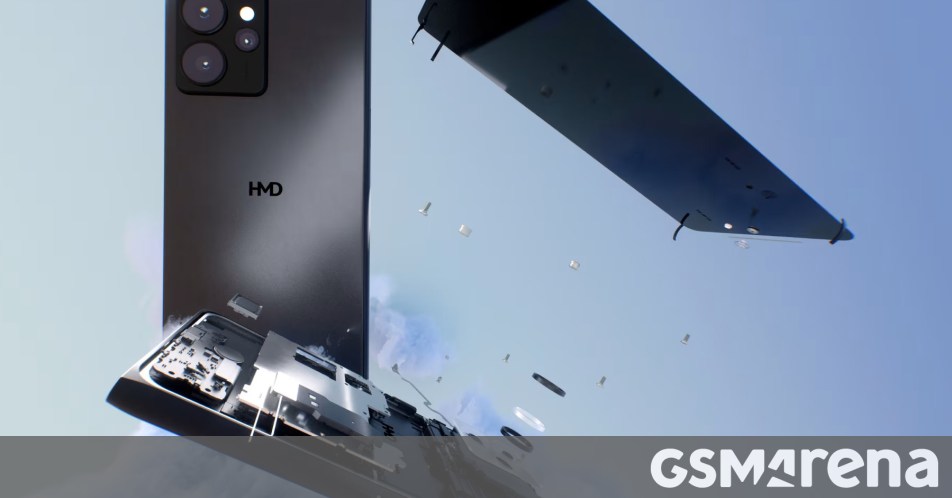
- Brand Trust: Leveraging European data privacy standards, eco-friendly messaging, and repairability initiatives (such as QuickFix designs allowing user-replaceable screens and charging ports).
- Software Cleanliness: Offering a bloatware-free, near-stock Android experience that appeals to purists and enterprise deployments alike.
- Niche Appeal: Creating quirky, distinctive designs (like the HMD Skyline) that stand out from the sea of anonymous rectangular glass slabs.
Whether the Darkhawk will incorporate HMD’s signature user-repairable philosophy remains to be seen, but its specifications suggest it is built for consumers who view their smartphone as an essential, utilitarian tool requiring dependable endurance above all else.
Implications for the Budget Smartphone Market
The emergence of the HMD Darkhawk—even at the rumor stage—carries several broader implications for the global mobile ecosystem.
1. The Normalization of High-End Features in Low-End Tiers
Features once considered luxury—such as 120Hz displays, massive batteries exceeding 5,000 mAh, and 8GB of RAM—are rapidly cascading down into the entry-level segment. This trend forces all manufacturers to elevate their baseline offerings. Consumers shopping on a strict budget no longer need to accept sluggish interfaces, poor battery life, or meager memory allocations. The Darkhawk exemplifies this democratization of technology.
2. The Persistence and Viability of 4G in Emerging Markets
While Western markets and affluent urban centers are saturated with 5G infrastructure, vast swathes of the globe—including parts of Latin America, Africa, and Southeast Asia—still rely heavily or exclusively on 4G networks. By utilizing the MediaTek Helio G100, HMD is deliberately targeting these high-volume growth markets where reliable connectivity, exceptional battery life, and aggressive price points outweigh the marketing allure of next-generation cellular speeds.
3. The Future of HMD’s Independent Brand Identity
Every new device launched under the "HMD" name rather than "Nokia" is a critical referendum on the company’s long-term viability. As the Nokia brand name gradually recedes into the background for smartphones, HMD must prove that its own name can command consumer loyalty on its own merits. Devices like the rumored Darkhawk—combining pragmatic specifications with a memorable codename—represent the foundational blocks of this independent corporate identity.
Conclusion
While the "Darkhawk" codename may paint a picture of an aggressive, high-performance gaming or camera flagship that the device’s actual budget specifications do not support, the underlying hardware tells a story of intelligent, consumer-focused engineering. By prioritizing a fluid 120Hz display, a massive 6,000 mAh power cell, modern RAM capacity, and up-to-date software, HMD Global is quietly crafting a formidable contender for the ultra-competitive budget Android arena.
As further details, official imagery, and pricing metrics emerge from supply chain partners and regulatory filings, the tech community will be watching closely to see how HMD translates these promising specifications into a finished commercial product.



