










By Tech Desk
Published: April 2026
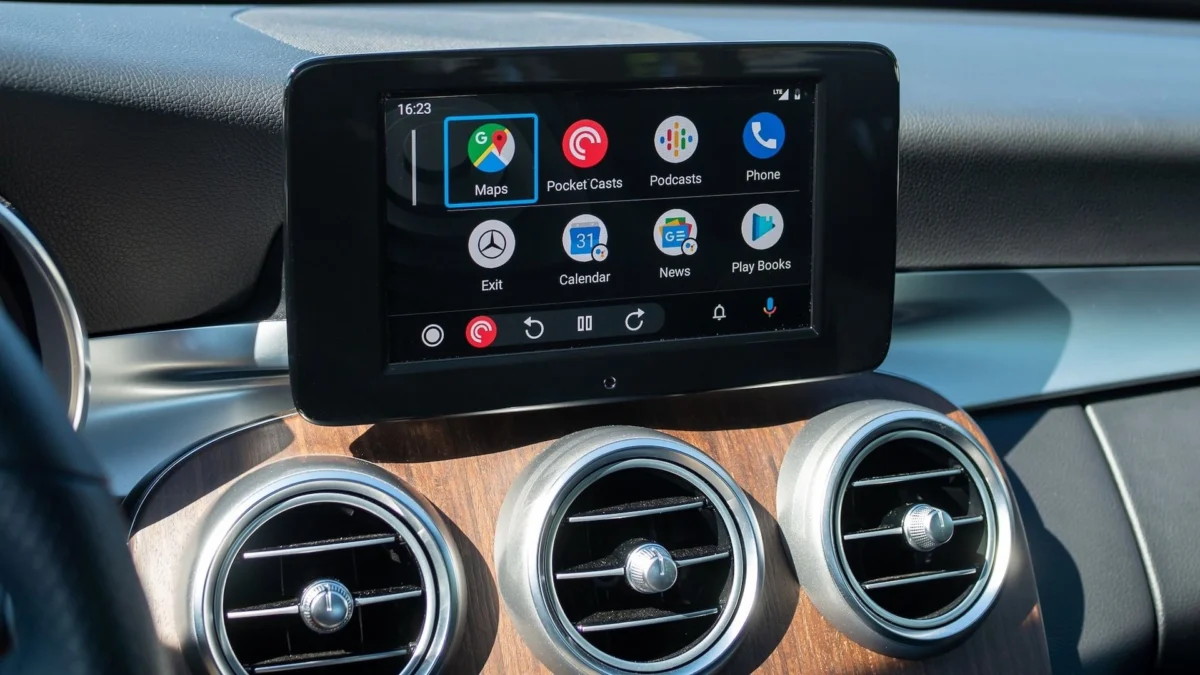
For millions of drivers worldwide, Android Auto has long been the quintessential co-pilot. Seamlessly projecting navigation, media controls, and hands-free communication onto the dashboard, it has transformed the modern driving experience. However, a frustrating new software quirk is threatening to disrupt commutes for a very specific segment of the tech-savvy driving population: owners of modern foldable smartphones.
Over the past few weeks, a growing chorus of user complaints has flooded Reddit, official Google Support communities, and OEM-specific forums like Motorola’s customer boards. The core issue? A bizarre bug that prevents drivers from initiating phone calls through Android Auto if their foldable phone—particularly devices like the Motorola Razr Ultra 2025—is snapped shut.
While the quirk might sound mildly comical at first glance—forcing users to physically crack open their flip phones inside the car just to place a hands-free call—it highlights a deeper, more systemic integration issue between evolving mobile hardware form factors and Google’s latest generative AI assistant, Gemini.
Main Facts: The Anatomy of the Bug
At the heart of this disruption is a frustrating disconnect between voice-activated commands and device execution. According to dozens of affected motorists, the bug manifests in a very specific scenario:
- The Hardware: The issue primarily impacts modern flip-style foldable smartphones, most notably the Motorola Razr series.
- The Trigger: Attempting to make a phone call via Android Auto while the physical device remains folded shut.
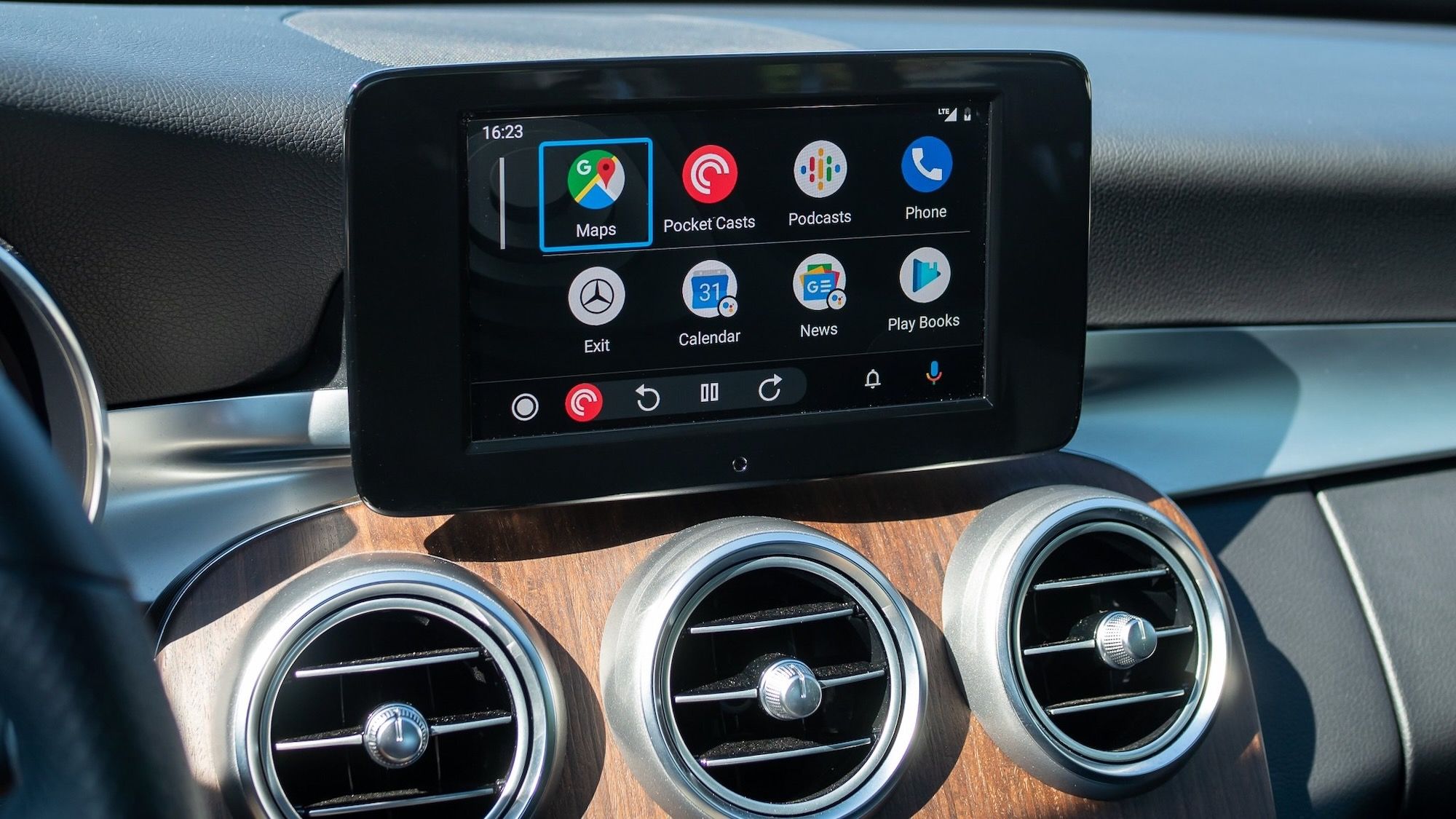
- The Symptom: The interface behaves as expected up to a point—displaying the correct contact name and phone number on the car’s infotainment screen—but fundamentally fails to process or transmit the outgoing call. The system hangs in limbo, leaving the driver stranded without a voice connection unless they physically unfold the device.
For a software ecosystem explicitly designed to keep a driver’s hands on the wheel and eyes on the road, requiring physical interaction with the hardware defeats the primary safety purpose of Android Auto.
Chronology: How the Issue Unfolded
To understand how this bug came to light, it helps to retrace the timeline of user reports and software deployments over the last several months:
- Late Winter: Early murmurs began on communities like Reddit’s
r/razr. Initial posters questioned whether an upcoming operating system shift (such as early developer iterations or speculations surrounding Android 16) was responsible for breaking their car connectivity. At the time, complaints were isolated, viewed merely as an isolated glitch with individual vehicle head units. - The Gemini Rollout: As Google aggressively pushed its AI-powered assistant, Gemini, as the default replacement for the legacy Google Assistant across a wider array of devices, the frequency of complaints spiked.
- The Breakthrough Diagnosis: A vigilant Reddit user discovered a telling workaround: completely disabling Gemini and reverting the device back to the classic Google Assistant instantly restored normal calling functionality, regardless of whether the Razr foldable was open or shut.
- Current Status: The issue has now escalated from a niche forum gripe to a recognized software friction point, drawing the attention of tech publications and prompting early investigative tracking from both Google and Motorola engineering teams.
Supporting Data: A History of Android Auto Turbulence
The current foldable phone bug is not happening in a vacuum. Android Auto has weathered a turbulent software cycle over the last year, characterized by a series of high-profile interface bugs and hardware-specific visual anomalies.
The Pixel 10 Gray Screen Phenomenon
Earlier in the product lifecycle of Google’s own hardware, users upgrading to the Pixel 10 encountered severe connection anomalies. Upon plugging their devices into compatible vehicle head units, instead of launching the familiar launcher interface, the dashboard screen would turn entirely gray. Subsequent patching efforts by Google struggled to completely eliminate lingering freezing issues for early adopters, underscoring the immense complexity of maintaining stable communication protocols across hundreds of distinct automotive infotainment architectures.
The Disappearing Signal Icon
In March, a seemingly minor but deeply unsettling UI bug struck a broader base of Android Auto users following the rollout of version 16.5. In this instance, the cellular connectivity signal icon completely vanished from the car’s display. While data streaming, GPS navigation, and Bluetooth calling continued to operate behind the scenes, the sudden loss of visual feedback regarding network strength caused unnecessary anxiety for drivers navigating rural or low-coverage corridors. The only reliable remedy at the time was rolling back the application to a legacy build.
When viewed alongside these past interface glitches, the current foldable phone calling bug points to a recurring challenge for Google: ensuring that backend software updates do not inadvertently break specialized hardware integrations.
Official Responses and Industry Awareness
As user frustration mounts, tech analysts and consumer advocates have been closely monitoring how major technology stakeholders respond to software degradation.
Industry reports indicate that both Google and Motorola are actively tracking the influx of diagnostic logs, forum posts, and bug reports linked to Gemini and Razr foldables. While neither corporation has issued a formal, sweeping press release detailing a definitive patch timeline, software engineers typically monitor these crowdsourced diagnostics closely during the initial triage phase.
The identification of the Gemini-to-Google Assistant workaround has given developers a clear trail to follow. Because the legacy assistant handles hardware-state checks differently than the resource-heavy, cloud-reliant Gemini architecture, engineers are likely looking closely at how permissions and device-state triggers (such as hinge sensors indicating whether a phone is open or closed) are communicated through the Android Auto pipeline.
Implications: The Future of AI Integration and Form Factors
The collision of foldable phones and generative AI assistants highlights a broader, strategic challenge for the consumer electronics industry.
1. The Growing Pains of Ambient AI
As artificial intelligence models like Gemini become deeply woven into the fabric of mobile operating systems, they demand a higher level of contextual awareness. Gemini must understand not just what you are asking, but where your data is coming from, how your hardware is configured, and which sensors are active. When a phone is folded, internal secondary displays (cover screens) handle interactions differently than main inner panels. If an AI assistant fails to account for a closed-state hardware restriction, basic system calls can instantly break.
2. The Unique Demands of Foldables
Foldables are no longer experimental novelties; they represent a rapidly maturing category of premium mobile devices. However, their unique physical attributes—dual screens, hinges, and varying power states—require specialized software optimization. Software developers cannot afford to treat foldables merely as standard slab phones with a crease. Every system-level application, from Google Maps to Android Auto, must be rigorously tested against multiple physical states.
3. Driver Safety and Software Reliability
Above all, automotive software demands absolute reliability. When a voice command fails to place a phone call, it forces the driver to look away from the road to inspect their phone screen—the exact opposite of what in-car infotainment systems are engineered to achieve. Incidents like the Gemini-foldable bug serve as a stark reminder that as software becomes more complex and artificially intelligent, the potential for unintended safety regressions multiplies.
The Road Ahead
For now, affected owners of devices like the Motorola Razr Ultra 2025 are left with a few imperfect choices: manually cracking open their phones before barking commands at their dashboards, or stepping back from Gemini in favor of the classic Google Assistant.
However, given the visibility these reports have garnered across major developer forums and tech news outlets, a permanent software patch is anticipated in an upcoming Android Auto or Gemini service update. Until then, drivers are advised to keep their software updated, monitor official support channels, and perhaps practice a little extra patience the next time they try to dial a hands-free call from behind the wheel.



