










By IANS
Updated: October 12, 2026, 05:53 PM IST
India’s macroeconomic landscape faced a significant reality check in September 2026, as the National Statistics Office (NSO) reported a sharp uptick in retail inflation. The Consumer Price Index (CPI)-based inflation climbed to 5.54 percent, a notable acceleration from the 4.83 percent recorded in August. This surge underscores the persistent challenges facing policymakers as they navigate the delicate balance between fostering economic growth and maintaining price stability.
The Core Data: A Geographical Disparity
The September data reveals a stark divergence between the economic pressures faced by rural and urban households. While the national average suggests a cooling or heating trend depending on the perspective, the granular data exposes a more complex reality.
In rural regions, the inflationary heat was significantly more intense, with consumer inflation soaring to 6.08 percent. In contrast, urban centers recorded a more moderate—though still significant—inflation rate of 4.88 percent. This 120-basis-point gap suggests that supply chain bottlenecks, agricultural output volatility, or localized demand surges may be disproportionately impacting the rural economy. For the average rural household, the rising cost of essential commodities and services is placing a heavier strain on disposable income compared to their urban counterparts.
Chronology of Economic Indicators: The Path to September
To understand the gravity of the September figures, one must look at the trajectory of the Indian economy over the preceding quarters.
- Early 2026: The year began with cautious optimism, as inflation showed signs of moderating toward the Reserve Bank of India’s (RBI) "ideal" 4 percent target.
- Q2 2026: Global commodity price fluctuations and localized monsoon-related disruptions began to exert upward pressure on food prices, leading to a volatile CPI movement.
- August 2026: The 4.83 percent reading provided a brief sense of stability, leading market analysts to believe that the economy was entering a period of manageable inflationary pressure.
- September 2026: The spike to 5.54 percent caught many by surprise, effectively erasing the gains made in the previous two months and forcing a recalibration of fiscal and monetary expectations for the remainder of the fiscal year.
Supporting Data: Understanding the Drivers
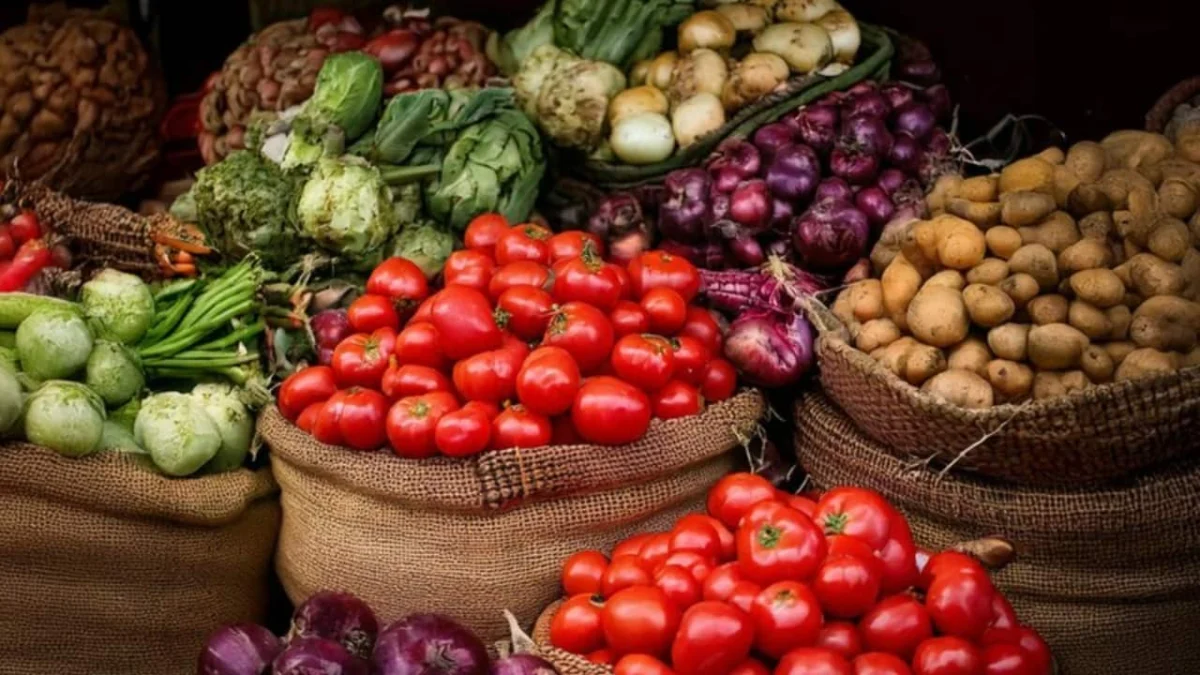
While the NSO report provides the top-line number, the composition of the basket reveals where the price hikes are most acute. Preliminary analyses suggest that food and beverages—the largest weight in the CPI basket—remain the primary culprits.
The Food Basket Volatility
The volatility in vegetable and pulse prices, often dictated by seasonal harvest cycles and climate-induced logistical challenges, remains a structural issue. When food prices rise, they tend to have a "sticky" effect on headline inflation, as they influence the inflation expectations of the common man, which in turn can lead to higher wage demands and broader price increases across the economy.

Fuel and Light
While global crude oil prices have remained relatively stable compared to the peaks of previous years, the pass-through effects of energy costs continue to impact the transportation of goods. As fuel prices remain elevated, the logistics costs for moving perishable goods into rural areas contribute directly to the higher rural inflation observed in the latest data.
Core Inflation vs. Headline Inflation
Economists are closely watching the "Core Inflation" metric—which excludes volatile food and fuel items—to determine if the 5.54 percent figure is a temporary supply-side shock or an indication of underlying demand-pull inflation. If core inflation begins to creep upward alongside the headline figure, it could signal that the economy is overheating, necessitating a more aggressive intervention from the central bank.
Official Responses and Monetary Implications
The Reserve Bank of India (RBI) has consistently maintained a "withdrawal of accommodation" stance to ensure that inflation aligns with the 4 percent target while supporting growth. With the September inflation print breaching the 5.5 percent mark, the Monetary Policy Committee (MPC) is expected to face renewed pressure to either hold interest rates steady for an extended period or, in the most extreme scenarios, consider further tightening.
The RBI’s Dilemma
The central bank finds itself in a classic "policy trilemma." Raising rates to combat inflation could stifle the nascent recovery in private consumption and manufacturing. Conversely, maintaining low rates in the face of rising inflation could erode the purchasing power of the middle class and discourage domestic savings.
Financial analysts expect the upcoming MPC meeting to be heavily focused on the regional disparity. "The rural-urban gap is the most concerning aspect of the September report," noted one senior economist. "If rural inflation remains entrenched at over 6 percent, the government may need to look at supply-side interventions, such as adjusting import duties on essential food items or incentivizing better cold-chain infrastructure to reduce waste."
Implications for the Indian Economy
The impact of this inflationary surge is multi-dimensional, affecting everything from individual savings habits to corporate profitability.
1. Impact on Households
For the Indian consumer, the primary implication is a reduction in real income. When wage growth fails to keep pace with a 5.54 percent inflation rate, households are forced to prioritize essential spending over discretionary items like consumer electronics, travel, and entertainment. This shift in consumption patterns can lead to a slowdown in sectors that rely on discretionary spending.

2. Corporate Sector Challenges
Companies, particularly in the Fast-Moving Consumer Goods (FMCG) sector, are facing a double-edged sword. On one hand, input costs are rising, squeezing profit margins. On the other hand, they are hesitant to pass these costs fully to the consumer for fear of further dampening demand. This leads to a delicate balancing act of "shrinkflation"—reducing product sizes while maintaining price points—which is becoming increasingly common in the current market environment.
3. Investment Climate
The bond markets have already reacted with caution, as yields often rise in anticipation of higher-for-longer interest rates. For the equity markets, the inflation data acts as a dampener, as higher interest rates increase the cost of borrowing for corporations, potentially impacting the bottom line and, by extension, stock valuations.
Looking Ahead: The Path to Stability
As we move into the final quarter of 2026, the focus will shift to the October and November data. The government’s ability to manage food supplies through the festive season will be critical. Historically, demand spikes during the festive period can exacerbate inflationary pressures.
The Ministry of Finance and the NSO will likely continue to monitor the rural-urban divide. Strategic investments in rural infrastructure—specifically in storage facilities and better road connectivity—could serve as a long-term hedge against the type of volatility seen in September.
Furthermore, the government’s fiscal policy will play a vital role. If the government can maintain fiscal discipline while selectively targeting subsidies toward the most vulnerable, it may be able to mitigate the impact of inflation without resorting to broad-based economic contractionary measures.
In conclusion, while the 5.54 percent inflation figure for September is a warning sign, it is not yet a cause for panic. It represents a complex interaction of seasonal factors and structural supply chain issues. How the RBI and the government respond in the coming months will determine whether this is a fleeting spike or the beginning of a sustained inflationary cycle that could temper India’s economic growth story. The coming months will be a test of resilience for the Indian economy, demanding a calibrated approach that protects the most vulnerable while keeping the broader engine of growth humming.



