










By Gaming Desk
Published October 2026
Main Facts
The Fortnite community is once again locked in a fierce debate regarding character adaptations in the popular battle royale title. Following an official reveal on October 9, 2026, via the Street Fighter movie X (formerly Twitter) account, fans received their first look at the upcoming crossover skins featuring characters from the live-action Street Fighter adaptation.
The promotional video showcased digital likenesses of actors Andrew Koji as Ryu and Callina Liang as Chun-Li. Rather than generating excitement, the reveal triggered an immediate and widespread backlash across social media platforms.
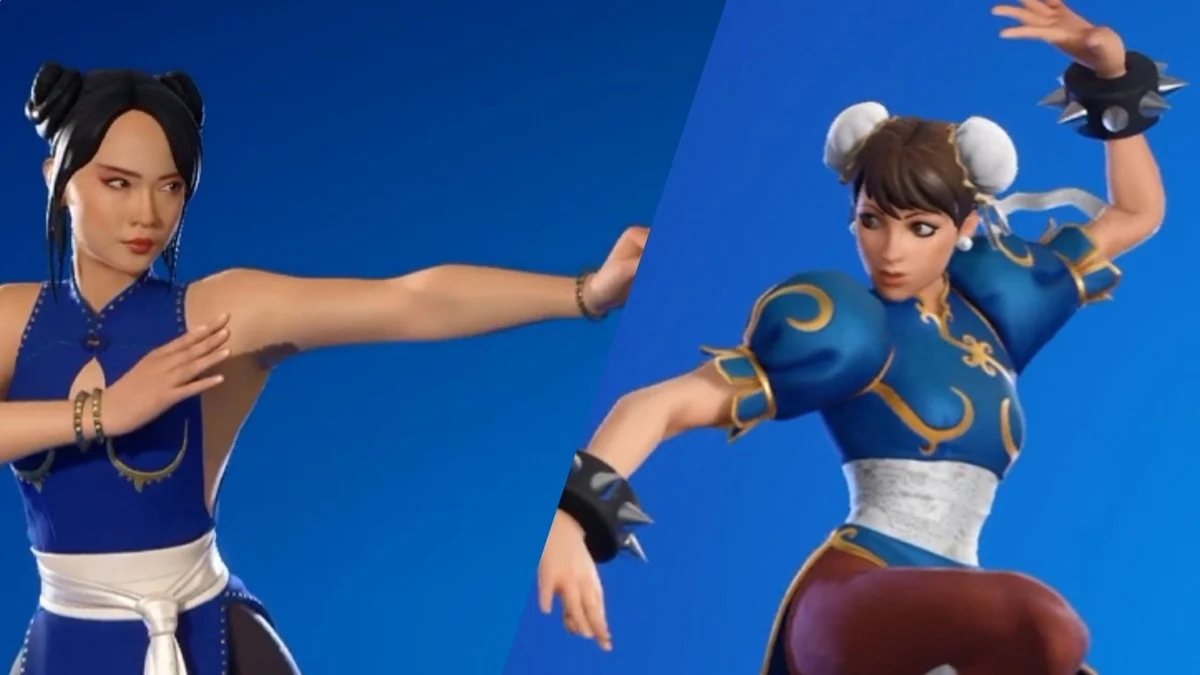
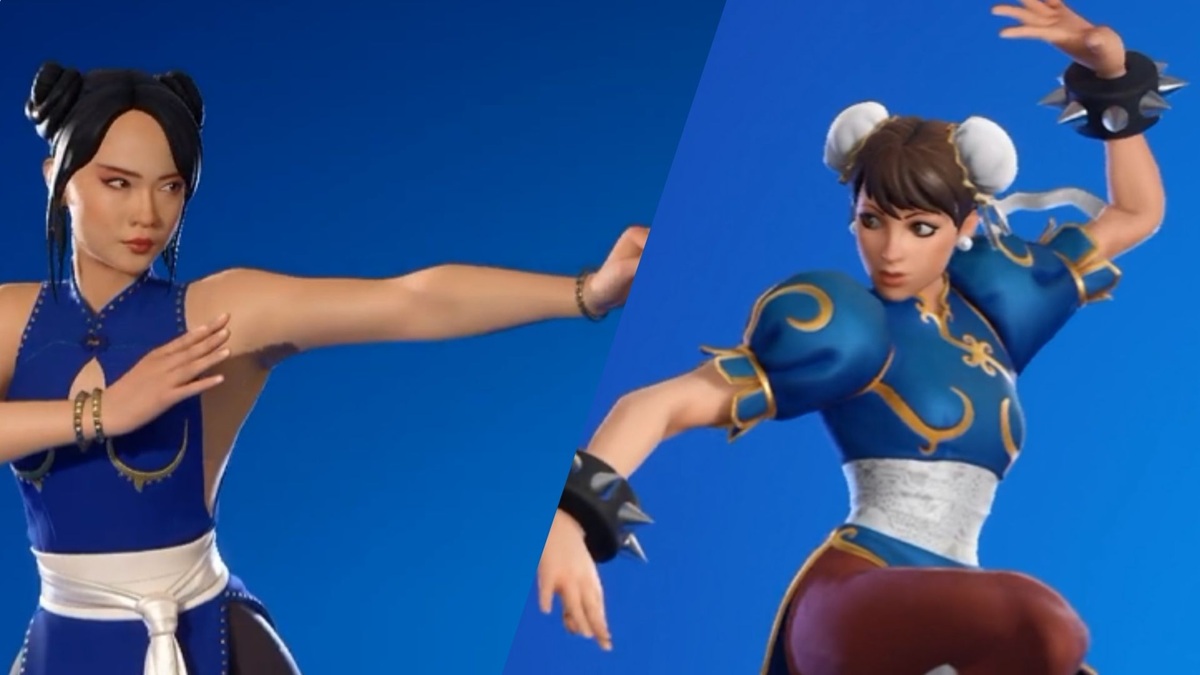
Long-time players and community members were quick to compare the new movie-tied cosmetics to the original Street Fighter gaming skins that arrived in Fortnite years prior. The consensus among the player base was overwhelmingly negative. Critics panned the new designs as "massive downgrades," with many lamenting the transition from stylized arcade proportions to realistic, live-action actor likenesses.
Prominent community figures, content creators, and everyday players alike took to social media to voice their displeasure, criticizing everything from Ryu’s diminished muscle mass to Chun-Li’s scaled-back aesthetic. As Epic Games prepares to roll these controversial cosmetics into the Fortnite Item Shop, the debate highlights a broader philosophical tension in gaming crossovers: the ongoing battle between cinematic realism and stylized video game identity.
Chronology of the Crossover Controversey
To understand how a major collaboration between two entertainment powerhouses devolved into a community relations hurdle, it is necessary to examine the timeline of events leading up to the backlash.
The Foundation: The Original 2021 Crossover
Years prior to the October 2026 announcement, Fortnite cemented its status as a pop culture nexus by introducing classic Street Fighter skins. Ryu and Chun-Li debuted in Chapter 2, bringing their iconic, hyper-stylized looks straight from Capcom’s fighting game universe into Epic Games’ virtual playground.
These original skins were massive hits. Chun-Li, in particular, became an unexpected cultural phenomenon within the Fortnite community, frequently cited as one of the most popular—and fiercely defended—cosmetics in the game’s history. The defining characteristic of these skins was their fidelity to the source material: exaggerated, comic-book-style proportions, vibrant colors, and an undeniable arcade aesthetic that fit seamlessly into Fortnite‘s colorful art direction.
The Tease: October 9, 2026
Fast forward to October 9, 2026. Anticipation was initially high as the official Street Fighter movie X account posted a teaser video showcasing the cinematic universe’s iteration of Ryu and Chun-Li. The promotional material featured actors Andrew Koji and Callina Liang showing off their in-game counterparts, built to reflect their live-action cinematic appearances rather than their animated roots.
Immediate Backlash and Social Media Firestorm
Within minutes of the trailer going live, the tide turned. Fans who had eagerly anticipated a fresh wave of Street Fighter content realized that these were not new iterations of the classic fighters, but rather tie-ins for the upcoming Street Fighter movie.
Comparisons flooded X, Reddit, and various gaming forums. Side-by-side screenshots demonstrated stark differences in body modeling, textures, and overall artistic direction. The initial wave of shock quickly hardened into satire and fierce criticism, culminating in viral posts from prominent community members and leakers.
Supporting Data and Community Outcry
The sheer volume of negative feedback directed at the new skins provides a fascinating case study in player psychology and digital asset valuation. In a marketplace where players spend real-world money (via V-Bucks) to curate their digital identities, aesthetic fidelity matters deeply.
The Ryu Dilemma: Loss of Bulk and Brawn
One of the most prominent points of contention is the physical transformation of Ryu. In the original Capcom-inspired skin, Ryu is depicted with an exaggerated, hyper-muscular physique true to his fighting game origins—broad shoulders, massive arms, and a commanding silhouette that stands out on the battlefield.
The new cinematic skin, modeled after actor Andrew Koji, strips away this signature bulk in favor of a more grounded, realistic human anatomy.
Community members were ruthless in their assessments. One viral post described the transition as the "downgrade of the century." Another fan drew a satirical comparison, noting that scaling down Ryu’s iconic muscles is the conceptual equivalent of giving Fortnite’s beloved anthropomorphic banana character, Peely, realistic human proportions. While objectively more realistic, the design sacrifices the larger-than-life character fantasy that players look for in fighting game icons.
The Chun-Li Controversy: Cosplay vs. Canon
Chun-Li has long held a legendary status within the Fortnite ecosystem. Her original skin captured her signature powerful build, thick thighs, and iconic blue qipao with pristine arcade accuracy.
The new cinematic variant, based on actress Callina Liang, received an equally harsh reception. Fans argued that the outfit lacked the striking visual impact of its predecessor.
- X user @EvrythingsJake famously quipped: "New Chun-Li looks like she’d come in 20th place at a Chun-Li cosplay contest."
- Renowned Fortnite data-miner and leaker HYPEX added fuel to the fire, stating on X: "The realism in these ones specifically makes them look like PUBG skins and I can’t unsee it."
This comparison to PUBG—a title historically known for a more grounded, gritty, and militaristic aesthetic—struck a nerve with the Fortnite community, which prides itself on vibrant, stylized, and expressive character designs.
Official Responses and Developer Silence
As of the publishing of this article, neither Epic Games nor the marketing teams behind the Street Fighter movie have issued a formal statement addressing the community backlash.
In the gaming industry, such silence during pre-release controversy is standard operating procedure. Cosmetic rollout pipelines are rigid, often locked in months ahead of schedule due to licensing agreements, marketing partnerships, and technical integration requirements. Pulling or redesigning high-profile collaboration skins on short notice is a logistical nightmare that rarely happens, regardless of community sentiment.
Industry analysts note that Epic Games finds itself in a difficult balancing act. On one hand, they must honor partnership contracts with movie studios looking to cross-promote cinematic releases through Fortnite‘s massive player base. On the other hand, they must contend with a passionate fanbase that votes with its wallet.
Whether the vocal outcry on social media will translate into poor sales figures in the Item Shop remains to be seen. Historically, even heavily criticized skins find buyers among completionists, die-hard fans of the actors, or players purchasing items simply for the novelty. However, the psychological barrier to purchase is undeniably higher when the community consensus labels a cosmetic a downgrade.
Implications for Future Crossovers
The controversy surrounding the Street Fighter movie skins extends far beyond a single item shop rotation. It raises crucial questions about how intellectual properties are adapted into live-service gaming ecosystems.
1. The Clash of Art Styles
Fortnite’s greatest visual strength has always been its adaptable yet cohesive art style. Whether collaborating with Marvel, anime franchises, or classic gaming icons, Epic Games typically translates characters into a stylized, semi-cel-shaded or cleanly rendered format that fits the game’s engine.
When live-action movie adaptations enter the mix, however, they introduce a hyper-realistic or gritty aesthetic that often clashes with the whimsical, colorful nature of the island. As HYPEX pointed out, the transition toward cinematic realism risks stripping games of their unique visual identity, making them look indistinguishable from grittier tactical shooters.
2. Managing Fan Expectations
Fans expect continuity and improvement when returning franchises receive new content. By introducing cinematic variants that look drastically different from beloved video game originals, publishers risk alienating the core gaming audience in favor of moviegoers who may not even be active Fortnite players.
Going forward, entertainment conglomerates must carefully weigh whether movie tie-in skins should replace or simply supplement traditional gaming designs. Offering style variants—allowing players to toggle between the arcade classic and the cinematic look—could serve as a compromise that satisfies both movie studios and purist gamers.
Conclusion
As the Street Fighter movie skins make their inevitable debut in the Fortnite Item Shop, the community’s reaction serves as a stern reminder that digital aesthetics matter deeply to players. While Epic Games hopes that star power and cross-promotion will drive sales, the enduring legacy of this controversy will likely be a cautionary tale about the perils of trading iconic video game proportions for cinematic realism.



