










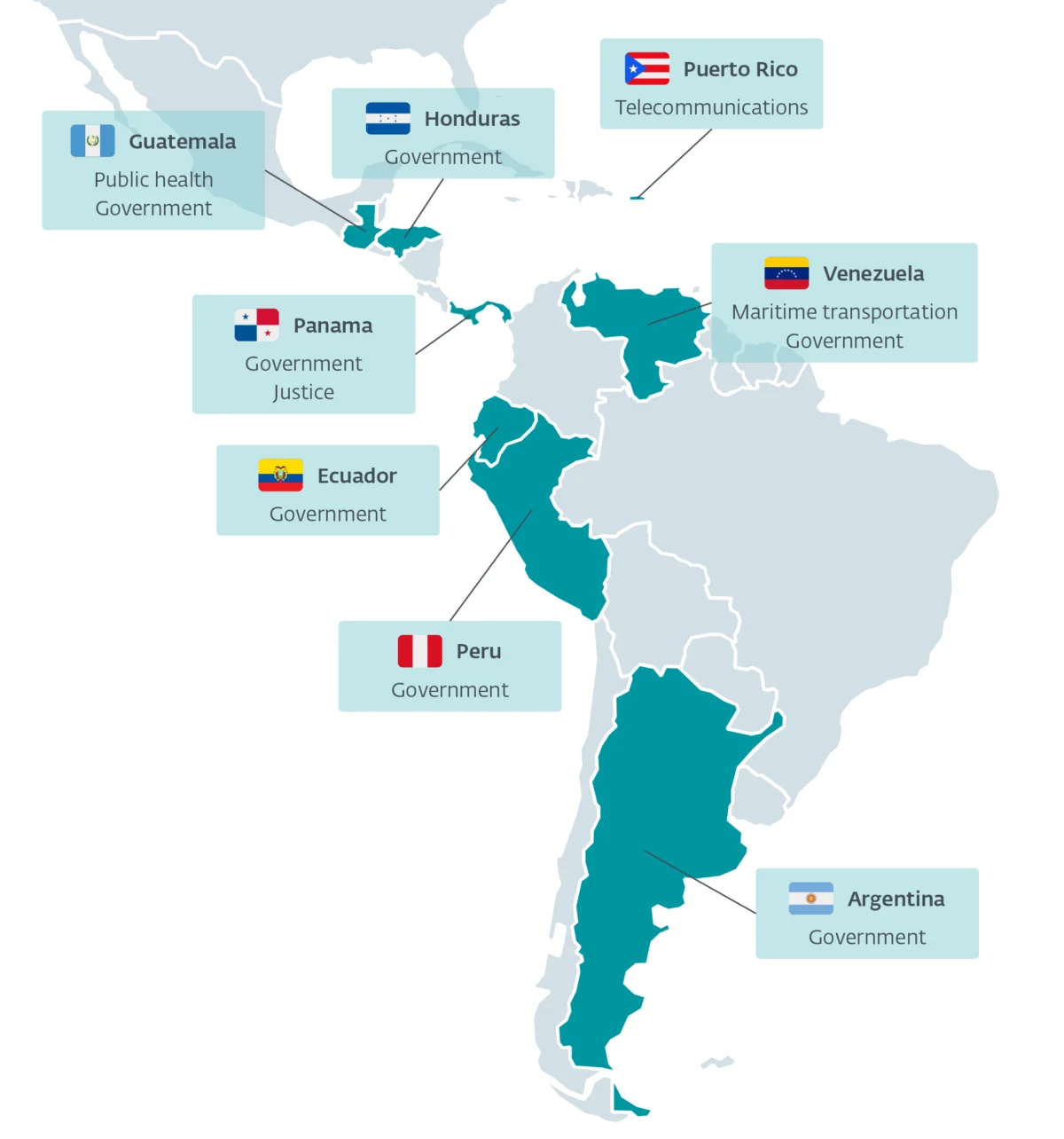
In a significant evolution of its operational tactics, the China-aligned cyberespionage collective known as FamousSparrow has shifted its primary focus toward Latin America, deploying a sophisticated, modular new backdoor dubbed "SparroWocky." ESET Research, which has been tracking the group since its public emergence in 2021, reports that this transition began in earnest during the summer of 2025. As the group pivots away from its previous global targeting strategies, SparroWocky has rapidly superseded the group’s legacy implant, SparrowDoor, becoming the primary tool in its arsenal for high-profile espionage across the region.
Main Facts: The Emergence of SparroWocky
FamousSparrow, an advanced persistent threat (APT) group active since at least 2019, has long been characterized by its opportunistic exploitation of vulnerabilities like ProxyLogon. Initially identified for its focus on the hospitality industry, the group has since expanded its reach to include government entities, international organizations, legal firms, and engineering companies.

The introduction of SparroWocky marks a departure from the group’s older, less complex tools. Unlike its predecessor, SparrowDoor, SparroWocky is a distinct C++ family built with a focus on modularity and advanced stealth. Its name is derived from the fact that initial samples contained the opening stanza of Lewis Carroll’s Jabberwocky, a playful nod by the developers that belies the malicious nature of the code. Despite the "nonsense" origins of its namesake, the backdoor itself is highly professional, featuring intricate anti-analysis tricks, Windows internal exploitation, and seamless integration of open-source offensive tooling.
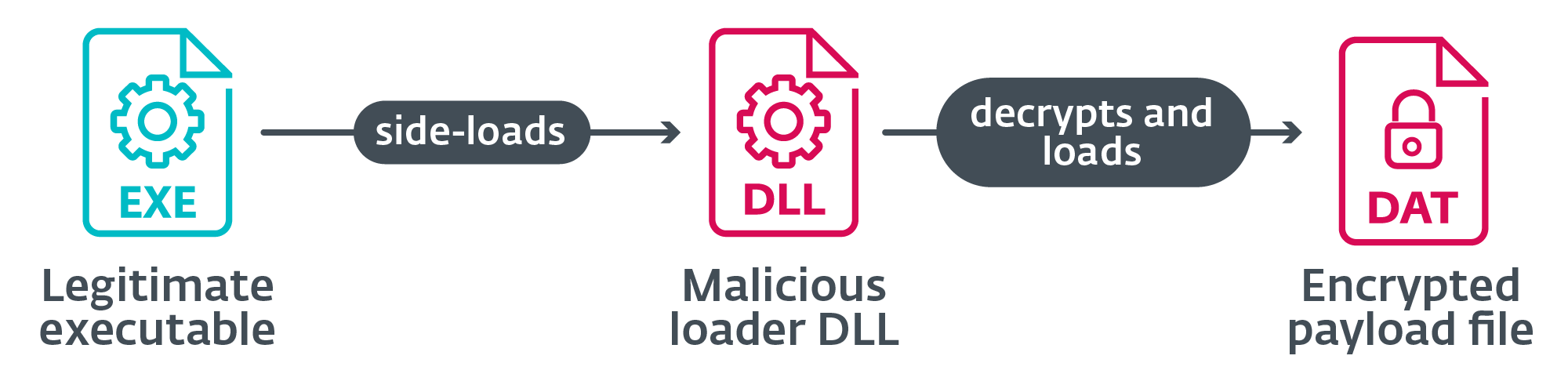
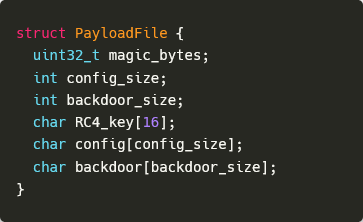
The malware utilizes a "trident" loader scheme—a combination of a legitimate executable, a malicious side-loaded DLL, and an encrypted .dat payload file. This structure allows the group to blend in with legitimate system processes while maintaining a persistent foothold in compromised networks.
Chronology: A Shift in Strategic Focus
The operational timeline of this campaign reveals a calculated response to shifting geopolitical dynamics.
- Pre-2025: FamousSparrow primarily targeted global entities with a focus on hotels, government organizations, and critical infrastructure, utilizing the SparrowDoor backdoor.
- July 2025: A marked shift occurred as the group began to focus almost exclusively on Latin American targets. By mid-2025, 90% of the group’s telemetry-registered targets were located within the region.
- August 2025: The first deployments of the SparroWocky backdoor were observed. It quickly replaced SparrowDoor as the group’s flagship implant.
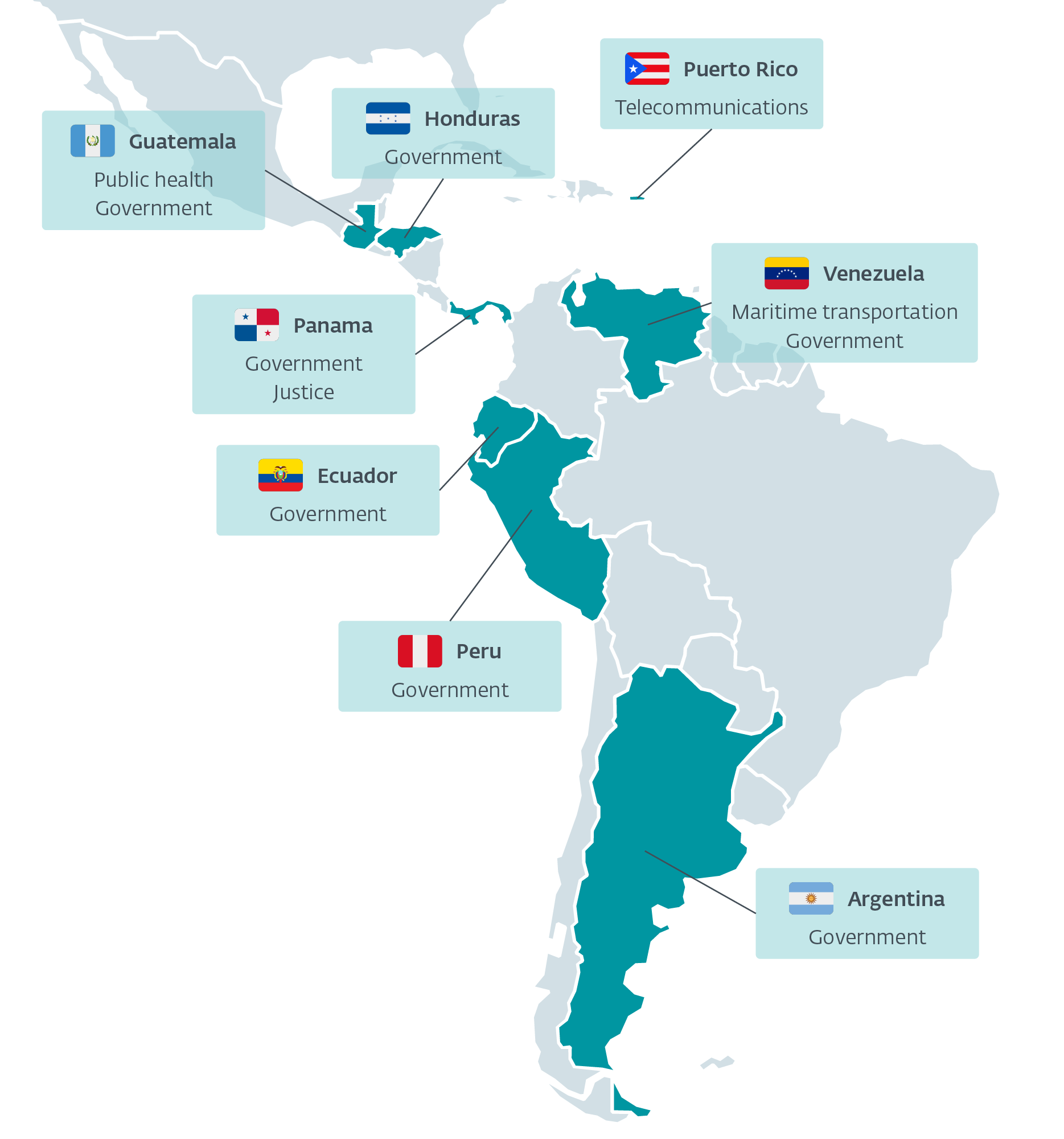
- Late 2025 – 2026: The group consolidated its presence in the region, targeting governmental bodies in Argentina, Ecuador, Guatemala, Honduras, Panama, Peru, Puerto Rico, and Venezuela.
- Present: Ongoing monitoring indicates that the group is actively using SparroWocky to maintain deep access within these organizations, likely to monitor regional reactions to U.S.-China commercial and political tensions.
Supporting Data: Technical Architecture and Capabilities
SparroWocky is a full-featured backdoor that grants its operators extensive control over compromised machines. Its design reflects a sophisticated understanding of Windows internals and defensive evasion.
Modular Defense Evasion
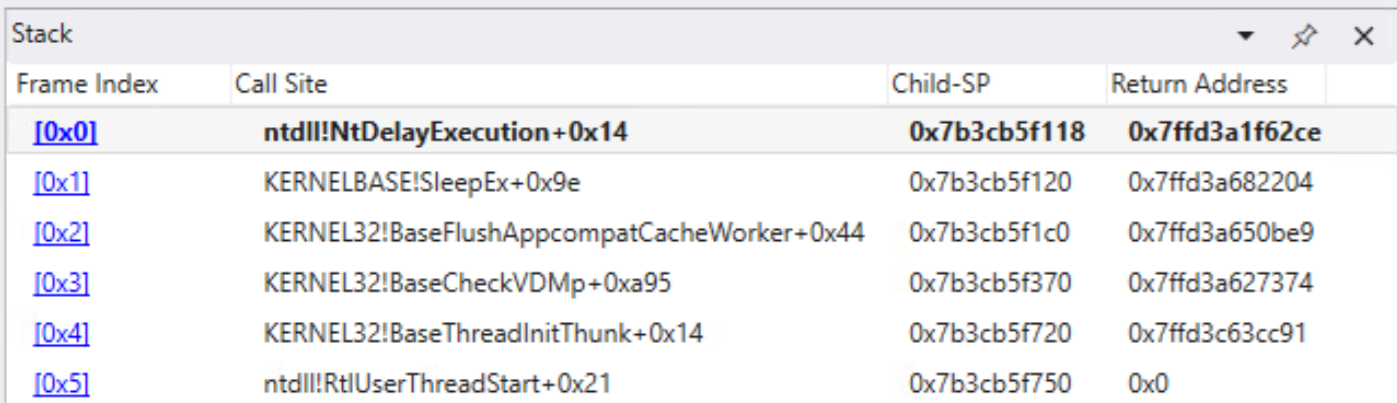
The backdoor employs several cutting-edge techniques to evade security software. One notable method is "SilentMoonwalk," which enables the malware to forge fake call stacks. By mimicking legitimate Windows API call flows, SparroWocky obscures its true origins, appearing to originate from standard system threads rather than a malicious source. Additionally, the malware utilizes custom API hashing to dynamically resolve functions at runtime, effectively preventing static analysis tools from identifying its intended actions.
Host Process Camouflage
Perhaps most impressive is the backdoor’s ability to camouflage itself when executing arbitrary files. When instructed to run a PE (Portable Executable) file, SparroWocky integrates itself into the host process, hooks necessary API calls, and even forges LDR_DATA_TABLE_ENTRY structures in memory. This convinces the Windows operating system—and by extension, security monitoring tools—that the malicious process is a legitimate loaded module.
Command Capabilities
The command set of SparroWocky is comprehensive, ranging from simple file exfiltration and screenshot capture to the execution of Beacon Object Files (BOFs). The group has also implemented "PortmapReverseServer" functionality, allowing the backdoor to act as a pivot point for traffic between the C&C server and internal network assets. This suggests that FamousSparrow’s goal is not merely data theft, but long-term, deep-network penetration and lateral movement.
Geopolitical Implications: Latin America in the Crosshairs
The researchers at ESET argue that this intense focus on Latin America is likely a strategic reaction to the "Trump Corollary" and other U.S. security initiatives that have aggressively reaffirmed U.S. interests in the region. China has invested heavily in Latin American energy, mining, and telecommunications over the past decade; these investments are currently under scrutiny due to shifting political tides.
For instance, in Panama, the group targeted an entity involved in a high-stakes commercial dispute over major port concessions previously held by a Chinese firm. This suggests that FamousSparrow is being utilized as an intelligence-gathering tool, providing the Chinese government with "early, privileged knowledge" of local government intentions regarding these sensitive commercial and infrastructure issues. The group’s activity is no longer just about cybercrime or general espionage; it has become a tactical component of statecraft.
Official Responses and Security Recommendations
While there has been no official statement from the targeted governments, the technical findings provided by ESET offer a roadmap for defense. Security professionals are advised to focus on the following:

- Monitor for DLL Side-Loading: Organizations should audit their environments for the "trident" loader pattern, specifically looking for legitimate executables paired with suspicious DLLs and
.datfiles of the same name. - Analyze Memory: Given the backdoor’s use of reflective loading and its avoidance of disk-based persistence where possible, memory-scanning tools are essential.
- Implement Behavioral Analysis: Since SparroWocky uses sophisticated call-stack spoofing, traditional signature-based detection is insufficient. Security teams should look for anomalous behavior, such as unexpected thread creation patterns or suspicious API call sequences originating from common processes like
svchost.exe. - Review Network Traffic: The use of TLS for command-and-control (C&C) communication means that organizations must prioritize traffic inspection and the identification of unusual outbound connections, particularly those communicating over port 443 or 8080 to suspicious IP ranges.
Conclusion: The Evolving Threat
The transition from SparrowDoor to SparroWocky represents a maturation of FamousSparrow’s capabilities. By integrating open-source offensive tools like COFF loaders directly into their custom backdoor, the group has demonstrated both flexibility and a commitment to maintaining a persistent, stealthy, and highly capable espionage platform.
As geopolitical tensions in Latin America continue to fluctuate, it is highly probable that FamousSparrow will remain a persistent threat to the region’s public and private sectors. Organizations operating in these countries—particularly in the infrastructure, energy, and governmental sectors—must remain vigilant. The "Jabberwocky" may be a poem of nonsense, but the bite of this particular sparrow is a very real, very calculated, and highly dangerous reality for modern cyber defense.



