










By Abhinav Raj
Published October 10, 2026
Main Facts
The debate surrounding desktop operating systems has rarely been as compelling as it is today. On paper, the case for migrating from Microsoft Windows to Linux has never been stronger. Proton—Valve’s compatibility layer enabling Windows games to run seamlessly on Linux—is more mature and feature-complete than at any point in computing history. Modern Linux distributions boast virtually non-existent hardware barriers, require no intrusive bloatware, lack background telemetry services snooping on user telemetry, and offer an operating system environment that fundamentally belongs to the user.
Yet, millions of power users, developers, and tech enthusiasts remain tethered to Windows 11. Despite the immense progress made by the Linux kernel and open-source advocates, transitioning to a Linux-based daily driver carries a heavy operational cost. The roadblocks are no longer inherently technical failures of Linux itself, but rather a sprawling ecosystem of proprietary hardware utilities, enterprise-grade virtualization tools, sophisticated biometric authentication suites, and kernel-level anti-cheat engines built exclusively for the Windows environment.
Chronology: The Evolution of the Desktop OS Divide
The modern ideological and functional divide between Windows and Linux has evolved through distinct phases over the past decade:
- The Pre-Proton Era (Pre-2019): Linux was widely regarded as a server powerhouse and a hobbyist playground. Gaming on Linux was an exercise in frustration, largely restricted to native ports or fragile Wine configurations. Windows held a near-monopoly on desktop computing, hardware acceleration, and consumer software.
- The Valve Catalyst and Proton Launch (2018–2021): Valve introduced Proton, fundamentally altering the Linux gaming landscape. Suddenly, thousands of Windows-exclusive titles became playable on Linux with minimal performance loss. However, major gaps remained in anti-cheat compatibility and hardware-level driver support.
- The Hardware-Software Integration Phase (2022–2024): As graphics cards evolved into complex silicon architectures featuring dedicated tensor and RT cores, manufacturers like NVIDIA and AMD doubled down on Windows-first software suites. Technologies like RTX Video Super Resolution and advanced credential managers (Windows Hello) anchored users deeper into the Microsoft ecosystem.
- The Current Landscape (2025–2026): Linux distributions and compatibility layers have achieved near-parity in raw gaming performance and general productivity. However, the software surrounding the PC experience—such as kernel-level security protections, enterprise sandboxing, and proprietary GPU enhancement layers—has calcified around Windows, creating a stubborn barrier to mass adoption.
Supporting Data & Functional Gaps
Transitioning to Linux is not a matter of a single missing feature; rather, it is death by a thousand paper cuts across several distinct pillars of the modern PC experience:
1. Proprietary GPU Features and Tensor Core Utility
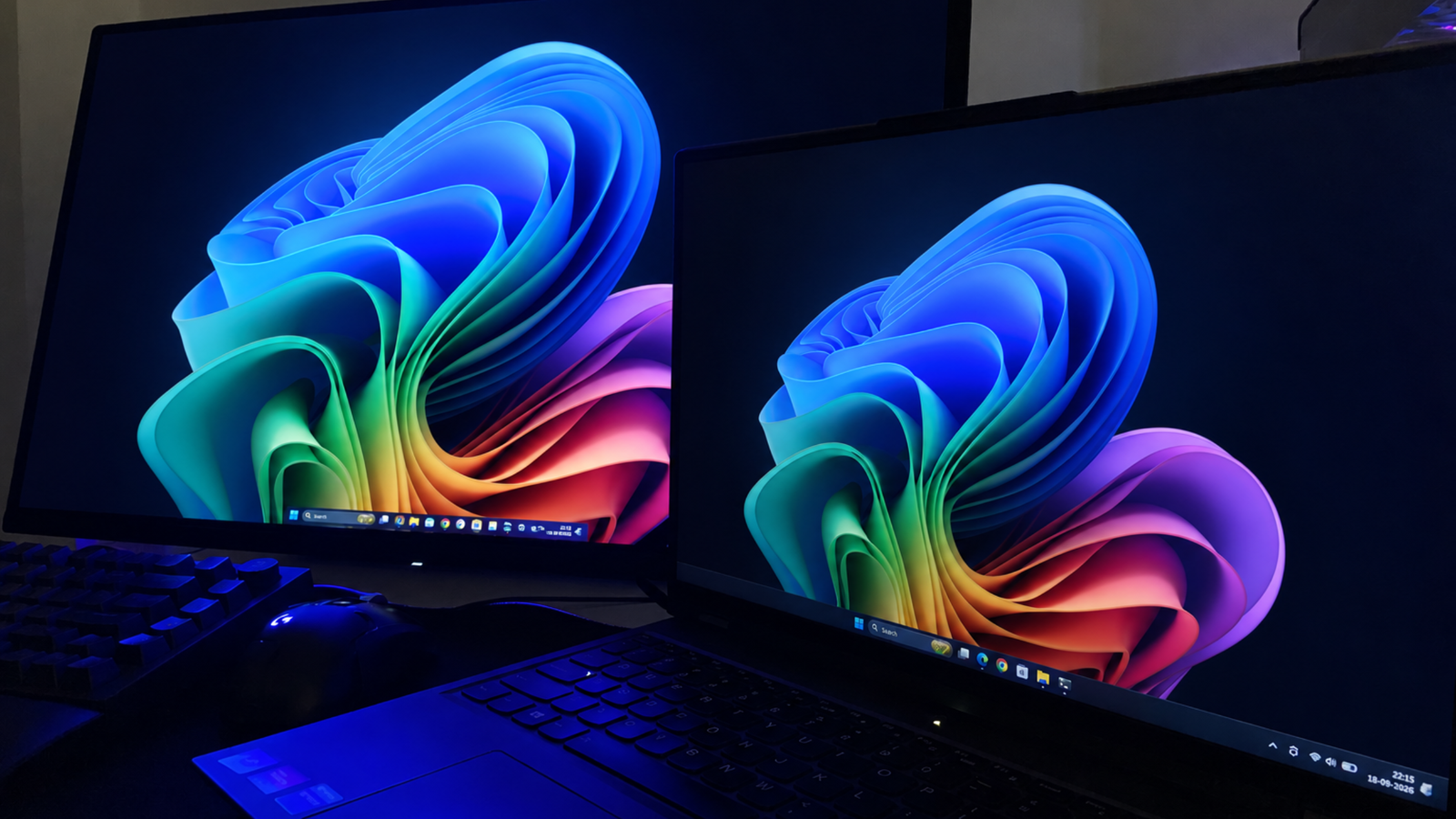
Purchasing a modern high-end graphics card involves paying for much more than raw silicon throughput; consumers are investing in a comprehensive suite of hardware-accelerated software features. While Proton has successfully bridged the gap for basic rendering, DLSS Frame Generation, and overclocking controls on Linux, crucial quality-of-life enhancements remain locked behind Windows-exclusive applications like the NVIDIA app.
- RTX HDR: Automatically injects high dynamic range into legacy Standard Dynamic Range games, a transformative feature for users running QD-OLED displays.
- RTX Video Super Resolution (VSR): Utilizes tensor cores to upscale low-resolution web video streams (such as 1080p YouTube content) to 1440p and 4K in real-time.
- Deep Learning Dynamic Super Resolution (DLDSR): Renders games at higher-than-native resolutions before intelligently downscaling them, offering pristine image sharpness.
None of these tensor-driven features possess functional equivalents built natively into standard Linux desktop environments, meaning users shifting to Linux effectively forfeit a portion of the hardware value they paid for.
2. Windows 11 Pro Sandbox and Hyper-V Integration
For power users, developers, and tech journalists who frequently test unverified scripts, command-line utilities, and third-party software found across developer forums and GitHub repositories, operating system isolation is paramount.
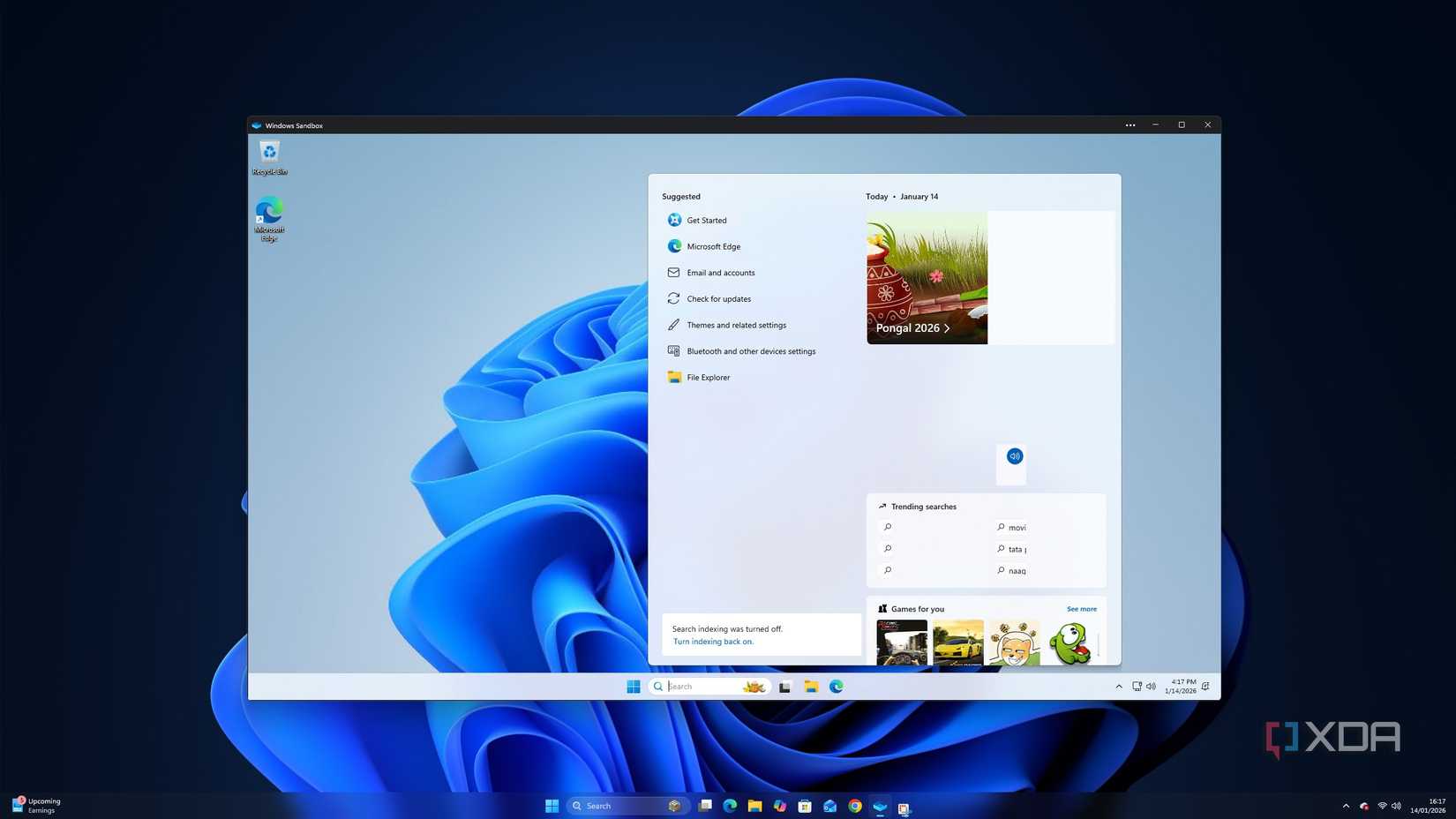
While Linux users can deploy disposable virtual machines using tools like GNOME Boxes or QEMU/KVM, the workflow requires manually sourcing installation ISOs, configuring virtual machine templates, managing disk images, and setting up snapshots. By contrast, Windows 11 Pro features Windows Sandbox—a lightweight, built-in, disposable desktop environment that launches with a single click and completely wipes itself clean upon closure. For workflows that demand rapid, safe isolation of untrusted code, the native integration of Hyper-V and Sandbox justifies the license fee for professional environments.
3. Deep Biometric Integration: Windows Hello vs. Linux Alternatives
Biometric authentication has fundamentally transformed how users interact with consumer hardware, effectively eliminating cognitive friction during login and authorization sequences.

Windows Hello is not merely a screen-unlock utility; it acts as a deeply entrenched component of the broader Windows security architecture. It interfaces directly with the Windows Credential Manager, allowing a single glance at an infrared webcam or a touch of a fingerprint reader to seamlessly unlock stored credentials, corporate network shares, and password vaults.
On Linux, biometric implementations remain fragmented. Fingerprint readers rely on the fprintd daemon, which is contingent on specific hardware whitelist support. Facial recognition typically depends on community-driven third-party projects like Howdy, which require manual configuration and troubleshooting. Crucially, neither solution integrates system-wide into a unified credential vault with the frictionless ubiquity of Windows Hello.
4. The Kernel-Level Anti-Cheat Impasse
Perhaps the most insurmountable hurdle for consumer adoption is the modern multiplayer gaming ecosystem. Competitive titles such as Fortnite, Valorant, Call of Duty, and PUBG rely heavily on kernel-level (Ring 0) anti-cheat systems to protect multi-million-dollar competitive ladders and digital marketplaces from exploits.
Because game publishers demand absolute privileges at the kernel level to detect sophisticated memory-injection cheats, and because these systems are engineered exclusively for the Windows kernel architecture, Linux is shut out by design. For an enthusiast with hundreds of hours invested in competitive multiplayer titles, the inability to run these games is an immediate and absolute dealbreaker.
Official Responses & Industry Perspectives
The stagnation of Linux desktop share in specific consumer segments has drawn sharp commentary from open-source developers, industry analysts, and hardware manufacturers alike:
- Open-Source Advocates: Community leaders maintain that the open-source kernel has fulfilled its obligations, pointing out that projects like Wine, DXVK, and Proton prove Linux is capable of running demanding graphics pipelines. They place the onus squarely on third-party software vendors and hardware manufacturers for failing to provide cross-platform parity.
- Hardware & Software Publishers: Corporate publishers frequently cite resource allocation, security auditing complexities, and fragmented distribution targets as primary deterrents for supporting Linux natively. Developing kernel-level software for thousands of disparate Linux kernel versions and desktop environments introduces significant logistical and support overhead compared to the standardized Windows ecosystem.
Implications for the Future of Desktop Computing
The ongoing dominance of Microsoft Windows is increasingly maintained not by the inherent superiority of its core operating system architecture, but by the gravitational pull of the software and hardware industry built around it.
Linux has evolved into a remarkably stable, fast, and privacy-respecting operating system. However, until hardware vendors commit to platform-agnostic configuration tools, graphics card manufacturers build Linux-native equivalents for their tensor-powered software suites, and security frameworks find common ground on anti-cheat systems, Windows will remain the default choice. Millions of users will continue to use Windows 11 Pro—not necessarily out of fervent affection for Microsoft’s ecosystem, but because it remains the only operating system where the rest of the technology industry has decided to meet halfway.



