










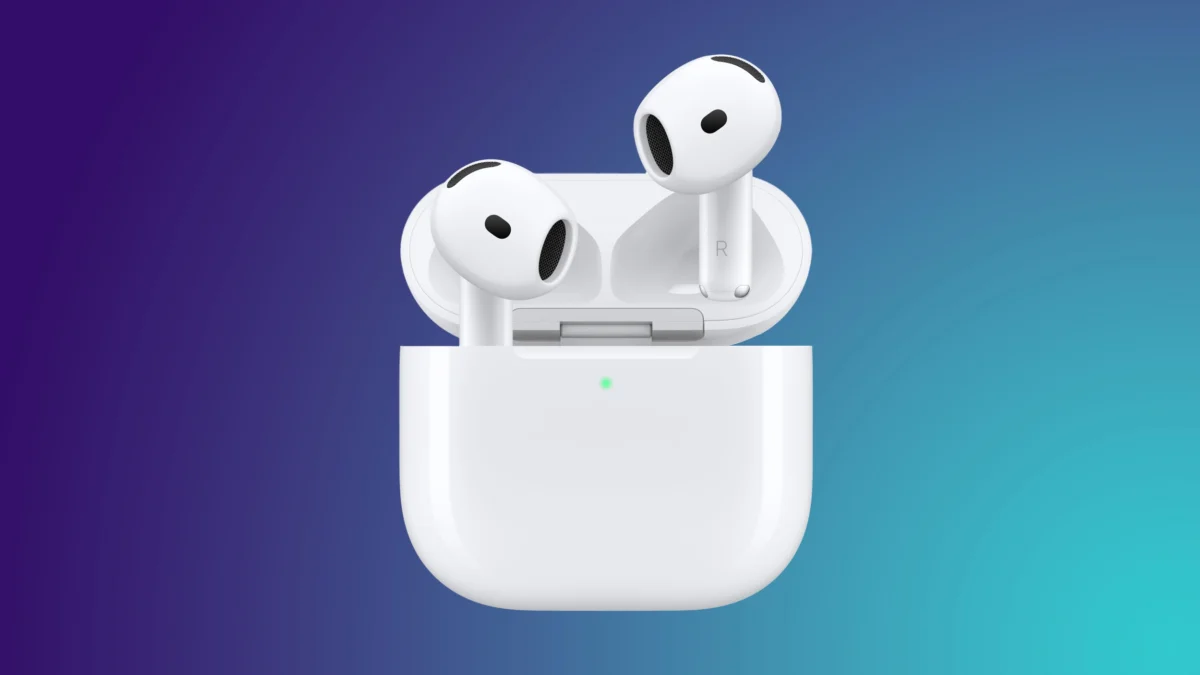
The recent launch of the Apple AirPods 5 has brought a refined level of audio fidelity and intelligence to the masses, but for the first time in recent memory, consumers are faced with a distinct bifurcation in the product lineup. While both the base $129 model and the $149 Wireless Charging version share the same DNA—the H2 chip, advanced acoustic architecture, and standard Active Noise Cancellation (ANC)—the $20 price gap masks a series of feature discrepancies that could significantly impact the user experience.
As customers begin receiving their units globally, the debate over which model offers the superior value proposition has intensified. This analysis breaks down the technical, practical, and financial implications of choosing between these two iterations of Apple’s latest audio flagship.
Main Facts: The Common Ground
Regardless of the model you select, the core audio experience remains identical. Both versions of the AirPods 5 represent a significant leap over their predecessors, utilizing the H2 chip to drive a redesigned acoustic architecture.
Key shared features include:
- Active Noise Cancellation (ANC): Now a standard feature across both tiers, providing consistent suppression of ambient noise.
- Adaptive Audio & Transparency: Intelligent processing that adjusts in real-time to your surroundings.
- Acoustic Architecture: Both models feature updated Adaptive EQ, Personalized Spatial Audio, and Voice Isolation for crystal-clear calls.
- Durability: Both sets are rated IP57 for dust, sweat, and water resistance, ensuring they survive both the gym and the elements.
- Apple Intelligence Integration: Both models support Live Translation, a marquee feature when paired with compatible iPhones running the latest OS, enabling real-time communication in supported regions.
In essence, if your primary goal is pure audio quality and the noise-canceling capabilities of the H2 platform, the $129 entry-level AirPods 5 provide an identical sonic experience to the more expensive variant.
The $20 Divide: Why the Wireless Charging Case Matters
While the earbuds themselves are identical in size and weight, the “AirPods 5 With Wireless Charging Case” earns its $20 premium through a suite of utility-focused upgrades. These enhancements are not merely gimmicks; they alter the day-to-day workflow of the device.
1. Battery Life and Efficiency
The premium model offers an additional hour of listening time per charge. Users can expect up to five hours of playback with ANC enabled (seven hours with noise control off), compared to the four and six hours provided by the base model. This cumulative advantage extends to the charging case, which provides a total of 22 hours of battery life compared to the 20 hours found on the base model. For frequent travelers or power users who rarely go a full day without audio, these extra sixty minutes often prove to be the difference between a seamless experience and a mid-day recharge.
2. Advanced Control Schemes
Perhaps the most notable user-facing difference is the inclusion of swipe-based volume controls. While both models feature the standard force sensor for play/pause and track skipping, only the $149 version allows users to adjust volume directly from the earbud stem. This eliminates the need to interact with an iPhone or summon Siri in public spaces, offering a level of tactile convenience that becomes indispensable once integrated into a daily routine.
3. The Find My Advantage
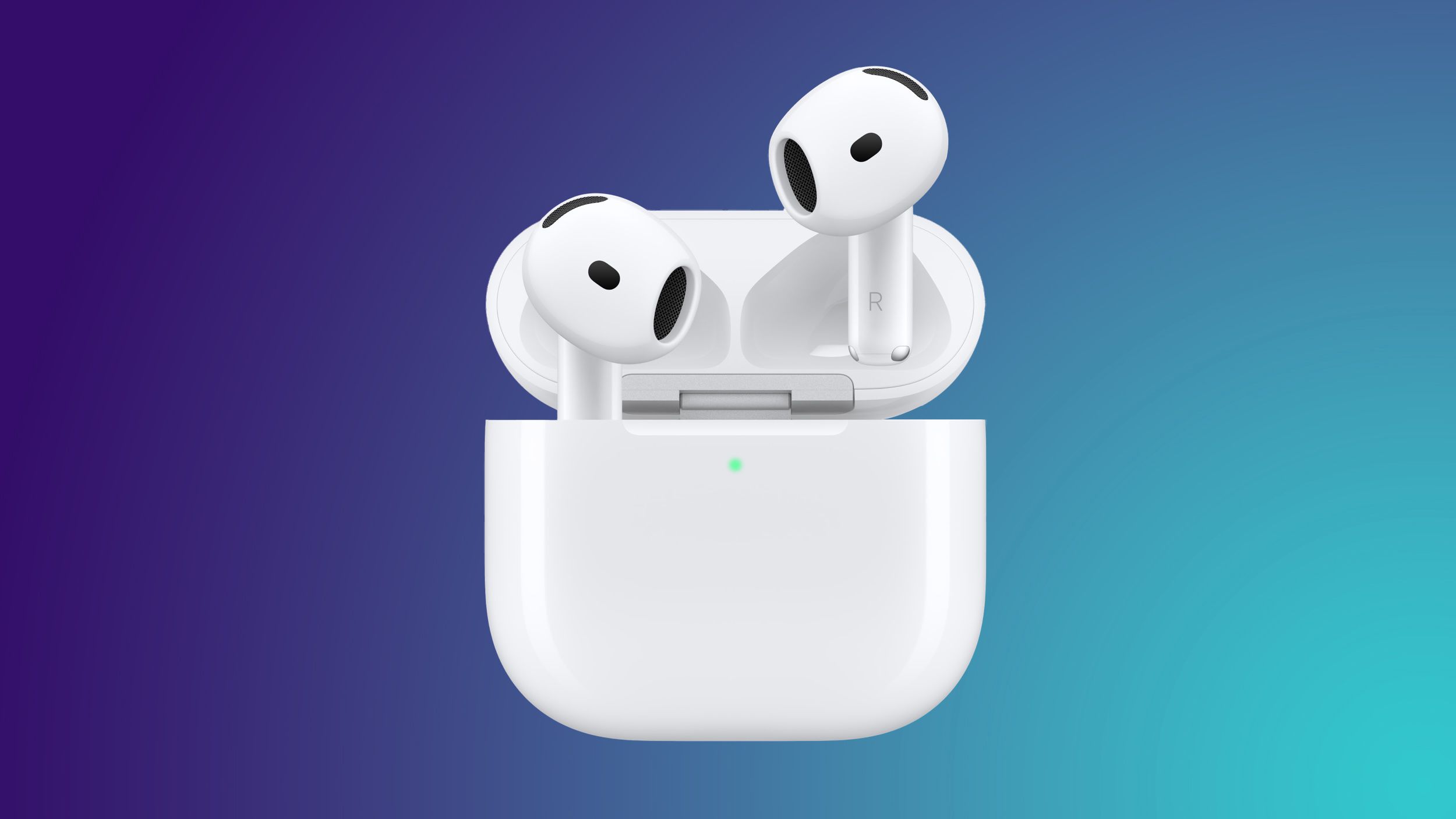
In an era where small, wireless electronics are easily misplaced, the Find My integration on the premium model is a significant security feature. While the base model supports basic “last-connected” location tracking and sound playback, the Wireless Charging model includes:
- Full Find My network tracking.
- Separate location reporting for each earbud and the case.
- Individual "Lost Mode" support.
- A built-in case speaker, which plays a distinct sound to help locate the device when it’s buried in a bag or lost between sofa cushions.
Chronology of the AirPods 5 Launch
The rollout of the AirPods 5 has been a tightly orchestrated event in the 2026 product cycle.
- September 9, 2026: Apple officially announces the AirPods 5, highlighting the inclusion of ANC as a standard feature across all models, alongside the H2 chip.
- September 14, 2026: Apple releases initial firmware (version 9A348) to support the upcoming iOS 27 ecosystem, ensuring that features like custom EQ and adaptive sliders are ready for the launch day hardware.
- September 18, 2026: Official release date. Customers in Australia and New Zealand are the first to receive their shipments, with global distribution following immediately.
- September 29, 2026: Apple initiates the first beta firmware cycle (9B5042a) for developers, indicating an ongoing commitment to refining the software-hardware interplay for the new generation.
Supporting Data: Comparative Technical Specifications
| Feature | AirPods 5 (Base) | AirPods 5 (Wireless Case) |
|---|---|---|
| Price | $129 | $149 |
| Controls | Force Sensor | Force Sensor + Swipe Volume |
| ANC On Battery | 4 Hours | 5 Hours |
| Case Battery (ANC) | 20 Hours | 22 Hours |
| Charging | USB-C | USB-C + Wireless (Qi/Watch) |
| Find My | Basic Tracking | Full Network + Case Speaker |
| Case Weight | 32.3g | 34.7g |
Implications of the Non-Interchangeable Ecosystem
A critical, often overlooked fact by consumers is that these charging cases are not interchangeable. Because the internal circuitry and antenna arrays required for the advanced Find My features and wireless charging coils differ, users cannot purchase the cheaper AirPods 5 and decide to "upgrade" to the wireless case later.
This creates a "permanent" decision at the point of sale. If a consumer decides to save $20 today, they are effectively locking themselves out of the more robust tracking and charging features for the lifetime of the product. This makes the $149 model a more future-proof investment, particularly given that wireless charging pads and Apple Watch chargers are becoming increasingly ubiquitous in modern homes and offices.
The Verdict: Who Should Choose What?
The Case for the $149 Model
For the vast majority of users, the $149 version is the superior value. The $20 premium is marginal when viewed against the longevity of the device. The combination of swipe volume controls—which fundamentally changes how you interact with your audio—and the enhanced Find My network tracking provides a peace of mind and ergonomic advantage that pays dividends over the years of use. If you are an Apple Watch user or have a Qi-certified charger on your nightstand, the ability to drop your AirPods onto a mat rather than fumbling for a USB-C cable is a convenience that quickly justifies the price difference.
The Case for the $129 Model
The base model is not a "lesser" product in terms of engineering, but rather a "streamlined" one. It is the perfect choice for:
- Strict Budgeters: Those for whom every dollar counts and who do not feel a need for wireless charging.
- Secondary Users: Individuals looking for a backup pair for the gym or office, where the core requirement is simply high-quality ANC and reliable audio playback.
- Minimalists: Those who prefer a wired charging workflow and do not misplace their devices often enough to require the advanced Find My network features.
Ultimately, the AirPods 5 launch confirms that Apple has succeeded in creating a high-performance floor for their audio lineup. Whether you opt for the standard model or the premium charging experience, the underlying technology remains top-tier. However, the $20 gap serves as a reminder that while the audio is standard, the convenience is tiered. Choose carefully, as the case you pick at checkout will be the one you live with for years to come.



