







By Technology News Desk
Published October 24, 2026
Following the recent launch of KDE Plasma 6.8—which sent developers scrambling into an intensive bug-fixing cycle as users discovered creative ways to stress-test the desktop environment—the KDE project has pulled back the curtain on its next major iteration. According to the official "This Week in Plasma" development blog, KDE Plasma 6.9 is already shaping up to be a monumental release, headlined by native Wayland picture-in-picture (PiP) support, sophisticated multi-monitor window memory management, and crucial security enhancements for XWayland applications.
While Plasma 6.8 is still fresh on the digital shelves, the early feature pipeline for Version 6.9 demonstrates the project’s relentless commitment to refining the Linux desktop experience.
Main Facts
The upcoming KDE Plasma 6.9 release introduces several high-demand features and quality-of-life improvements aimed at bridging the gap between Linux desktop flexibility and seamless multi-monitor or media-heavy workflows.
- Native Wayland Picture-in-Picture (PiP): After extensive engineering efforts, Wayland’s native PiP mode is officially operational under KWin. It is slated to be enabled by default upon the release of Plasma 6.9.
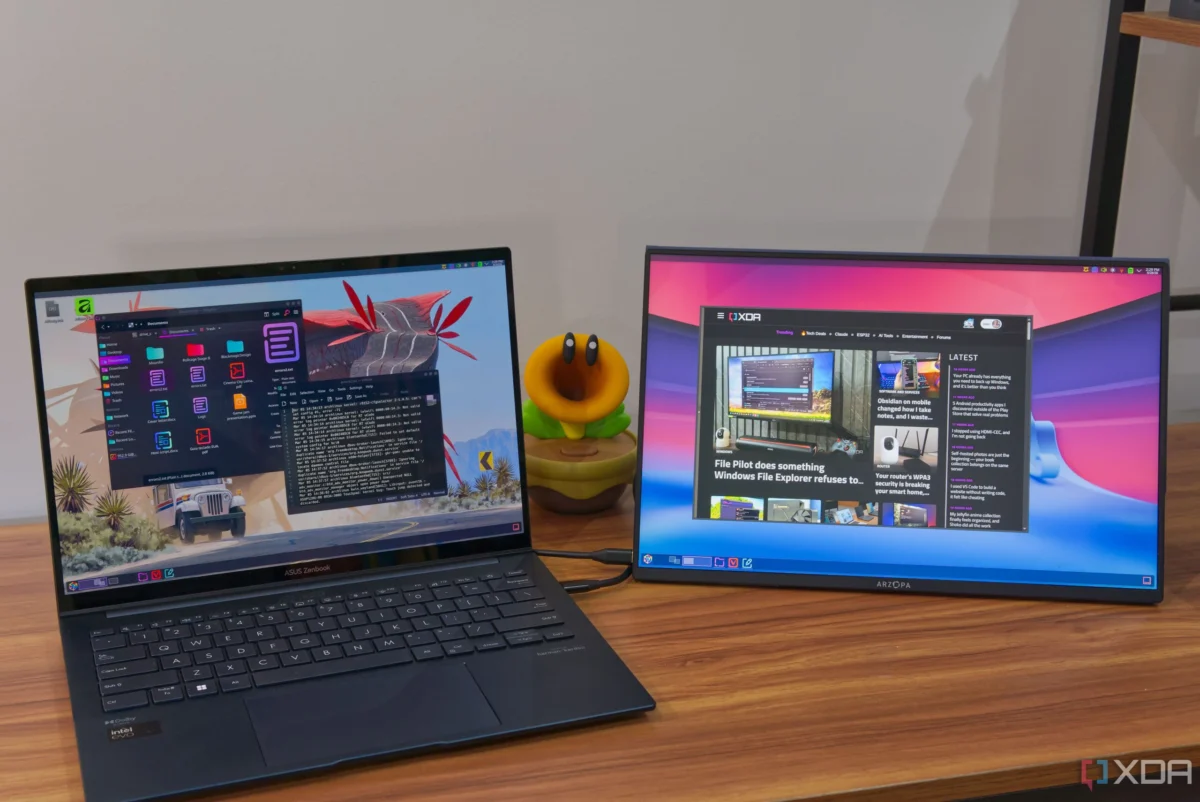
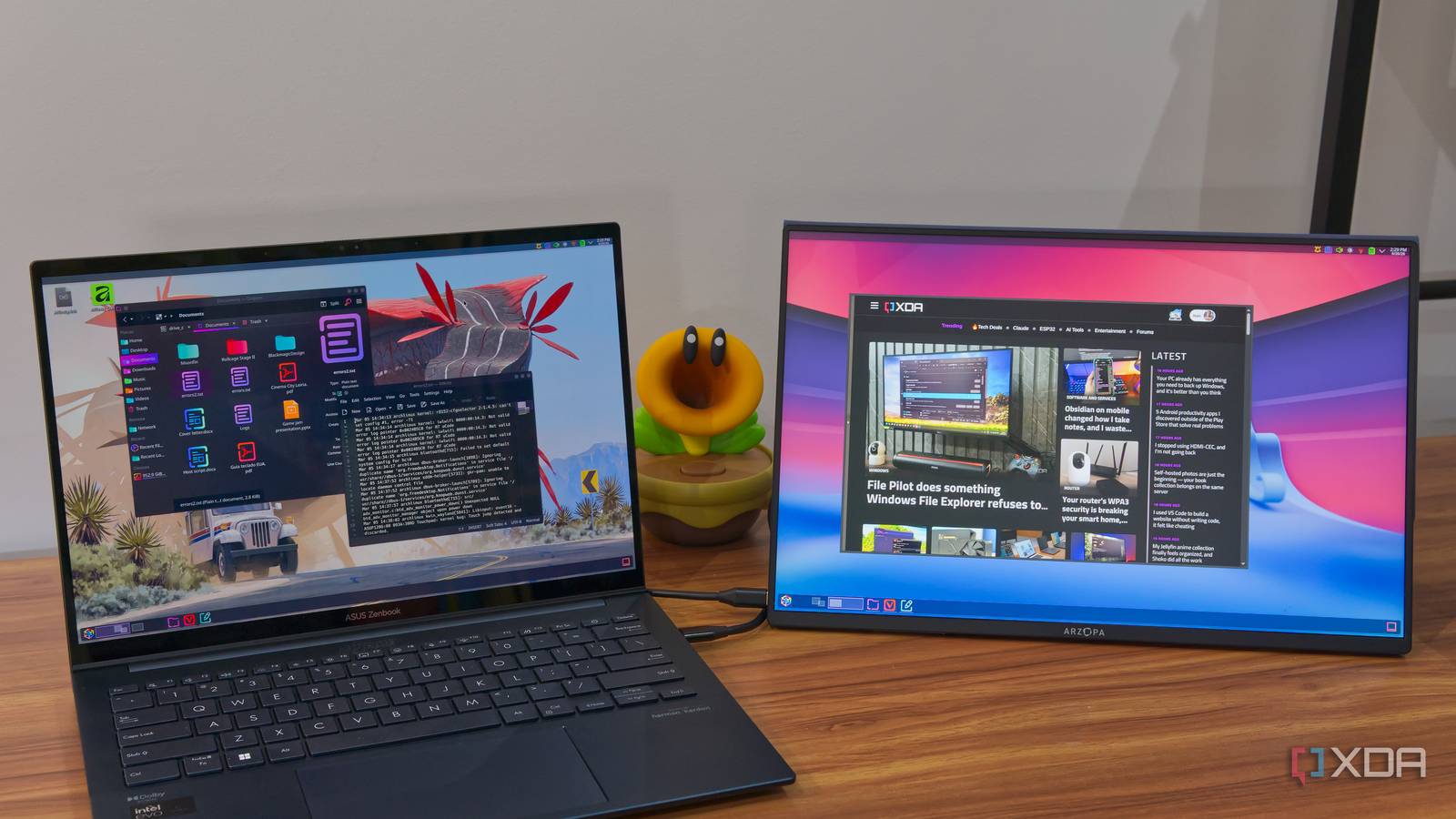
- Per-Screen Arrangement Window Memory: Plasma 6.9 introduces dynamic layout memory. Windows now remember their specific sizes and positions based on the exact screen configuration currently active (e.g., transitioning between a dual-monitor desktop setup and a single-screen laptop configuration).
- XWayland Input Restrictions: Users will gain the ability to permanently deny legacy XWayland-based applications from requesting global control over the mouse pointer and keyboard, significantly bolstering system security.
- Enhanced Task Switcher Mechanics: Holding down the
CtrlorShiftkeys inside the Task Switcher will now lock items in place, stopping the interface from bouncing around and allowing users to accurately select multiple items. - Expanded Browser Integration: Brave browser support is officially coming to the Plasma Browser integration suite.
Chronology of Development: From 6.8 Scrambles to 6.9 Horizons
The road to Plasma 6.9 is intrinsically tied to the lifecycle of its predecessor. The timeline below tracks the recent evolution of KDE’s flagship desktop environment:
- Early October 2026: KDE Plasma 6.8 launches to the public. As users adopt the new version across various hardware configurations, developers quickly pivot into a massive bug-fixing spree to patch out edge-case regressions and stability snags.
- Mid-October 2026: With Plasma 6.8 stabilizing, core maintainers find development breathing room to lock in feature proposals for the subsequent major cycle, focusing heavily on long-requested Wayland architectural improvements.
- October 24, 2026: The KDE development team publishes the "This Week in Plasma" update, officially detailing the inclusion of Wayland picture-in-picture, per-screen window layout memory, and enhanced UI behaviors for version 6.9.
- Late 2026 and Beyond: While Plasma 6.8 receives ongoing point-release patches, internal testing and community feedback channels begin gearing up for the eventual deployment cycle of Plasma 6.9.
Supporting Data & Technical Breakdown
To fully appreciate the scope of KDE Plasma 6.9, it helps to examine the technical hurdles the development team had to overcome—particularly regarding window management and display server protocols.
The Multi-Monitor Window Management Dilemma
Historically, disconnecting an external monitor on Linux often resulted in an unceremonious trashing of open window layouts. Windows would either bunch up in the top-left corner or scale awkwardly onto the remaining display, forcing users to manually drag and resize everything back into place once the monitor was reconnected.
Plasma 6.9 fundamentally alters this behavior through per-screen-arrangement memory.
- Dual-to-Single Transitions: If a user arranges their open applications across a primary laptop screen and an external portable monitor, disconnecting the portable display collapses the windows into a single-screen layout.
- Restoring Layouts: When the portable monitor is plugged back in, open windows automatically jump back to the exact sizes and positions they occupied during the previous dual-screen session.
Note on limitations: Developers noted that this initial implementation strictly affects windows that remain currently open during the transition. If a window is closed while in a single-screen mode and later reopened, it will default to standard behavior. However, KDE maintainers have confirmed they are actively investigating methods to extend this persistent memory logic to closed windows as well.
Wayland PiP and KWin Integration
Picture-in-picture functionality has been a staple of modern web browsing and media consumption for years, but achieving native, robust PiP support at the display server level under Wayland has proven challenging. With KWin handling window compositions in Plasma 6.9, the PiP feature finally achieves production-ready stability. By enabling it by default, KDE ensures that users migrating away from legacy X11 sessions will no longer feel friction when trying to keep a video or reference window floating above their primary workspace.

Official Responses and Community Reception
The KDE project’s transparent development model—highlighted by weekly status reports—has generated significant enthusiasm within the Linux community.
While official statements from core maintainers emphasize caution regarding release timelines given the recency of Plasma 6.8, community forums and developer blogs have responded overwhelmingly positively to the preview of version 6.9. Users on platforms like Reddit and the official KDE Discuss forums have long awaited a robust solution to multi-monitor layout shuffling, praising the team for tackling a problem that has plagued desktop operating systems for decades.
Furthermore, security-conscious Linux enthusiasts have lauded the upcoming XWayland permission controls. Because XWayland serves as a compatibility layer for older, non-Wayland-native applications, allowing legacy apps to request pointer and keyboard control has historically posed security and privacy concerns. Giving users a hard-deny toggle for these requests marks another step forward in hardening the Linux desktop against potentially malicious or poorly written software.
Implications for the Linux Ecosystem
The steady, predictable cadence of KDE Plasma updates carries profound implications for the broader Linux ecosystem. As commercial operating systems face growing user scrutiny over telemetry, AI integration bloat, and forced updates, open-source desktop environments like KDE Plasma are positioning themselves as powerful, highly customizable alternatives for power users, developers, and everyday consumers alike.
- Accelerating the Wayland Transition: For years, the holdout argument for staying on legacy X11 sessions has been the lack of feature parity or stability in edge cases like picture-in-picture and multi-monitor handling. By systematically solving these pain points within KWin and Wayland, KDE is removing the last major technical barriers preventing full adoption of modern display protocols.
- Productivity Gains: Small adjustments—such as preventing the Task Switcher from bouncing around when holding
CtrlorShift, or ensuring windows return to their rightful multi-monitor coordinates—compound over time. For professionals relying on multi-display Linux workstations, these Quality-of-Life (QoL) upgrades directly reduce cognitive fatigue and manual window management overhead. - Security Hardening: By tightening the permissions around XWayland apps, KDE is acknowledging that compatibility should never come at the expense of user security. As the Linux desktop attracts a wider audience, proactive security measures of this caliber become increasingly vital.
Looking Ahead
While KDE Plasma 6.8 is still commanding the immediate attention of the user base as bug-fixing passes roll out, the horizon for Plasma 6.9 looks exceptionally bright. By directly addressing long-standing hardware layout frustrations and pushing modern Wayland capabilities into the mainstream, the KDE team continues to prove why its desktop environment remains a gold standard in the open-source world.