








By Tech & Hardware Desk
Published: October 23, 2026
Main Facts
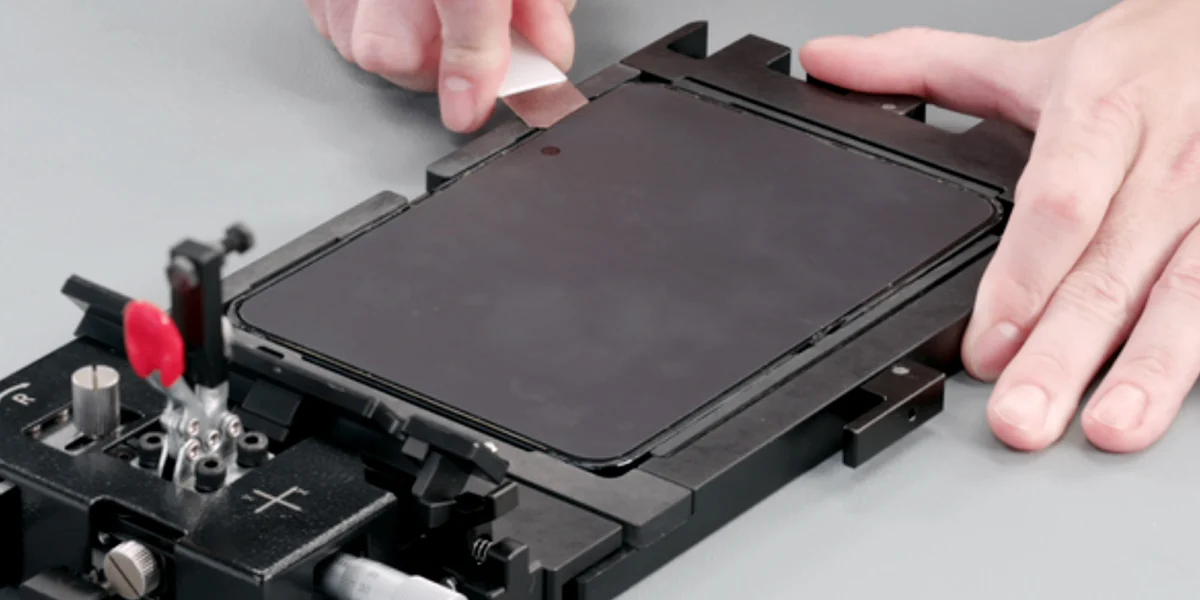
In tandem with the global retail release of the highly anticipated iPhone Duo, Apple has officially published its comprehensive suite of support documents, troubleshooting guides, and step-by-step repair manuals. Following long queues outside Apple Stores worldwide and heavily restricted walk-in availability on launch day, these freshly minted manuals provide an unprecedented look at the internal architecture of Apple’s newest form factor.
Designed for both independent repair technicians and ambitious do-it-yourself (DIY) enthusiasts, the newly released documentation covers specialized hardware components unique to the iPhone Duo—most notably its intricate folding hinge mechanism and the re-integration of Touch ID. While the official manuals are now live on Apple’s support portal, genuine replacement parts and specialized repair tools via the Self Service Repair Store have not yet gone on sale for the device, meaning physical component swaps remain a prospect for the near future.
Nevertheless, the publication of these manuals underscores Apple’s ongoing commitment to the Right to Repair movement, offering structural schematics, internal diagrams, and rigorous safety protocols for handling delicate hardware such as integrated batteries and reinforced glass displays.
Chronology of Events
The rollout of the iPhone Duo and its corresponding repair ecosystem marks the culmination of months of industry speculation and preparatory regulatory compliance.
- Early October 2026: Leaks and supply chain reports confirm that Apple’s upcoming device, dubbed the "iPhone Duo," would feature a dual-screen or foldable-adjacent architecture, prioritizing a durable mechanical hinge and alternative biometric security configurations.
- October 23, 2026 (Morning): Launch day officially kicks off. Long lines wrap around Apple Stores across major metropolitan areas, with reports indicating extremely limited walk-in inventory as pre-orders fulfill.
- October 23, 2026 (Mid-Day): Apple publishes its initial wave of consumer-facing support documents. These outline software-level troubleshooting, soft-reset procedures, and basic guidance for managing hinge alignment and Touch ID recognition errors.
- October 23, 2026 (Afternoon): Apple updates its technical database, releasing the definitive iPhone Duo Repair Manual. Alongside the manual, dedicated safety guides addressing broken glass handling and lithium-ion battery extraction go live.
- Present: While the manuals and internal architectural diagrams are fully accessible to the public, consumers await the subsequent update to the Self Service Repair Store, which will stock the proprietary tools and factory-certified parts required to execute the procedures outlined in the documents.
Supporting Data and Technical Overview
The architecture of the iPhone Duo represents a significant departure from standard slab-style smartphones, introducing unique engineering hurdles for repairability. According to Apple’s newly released documentation, the manuals cover a wide breadth of structural components, structural fastener maps, and specialized calibration protocols.
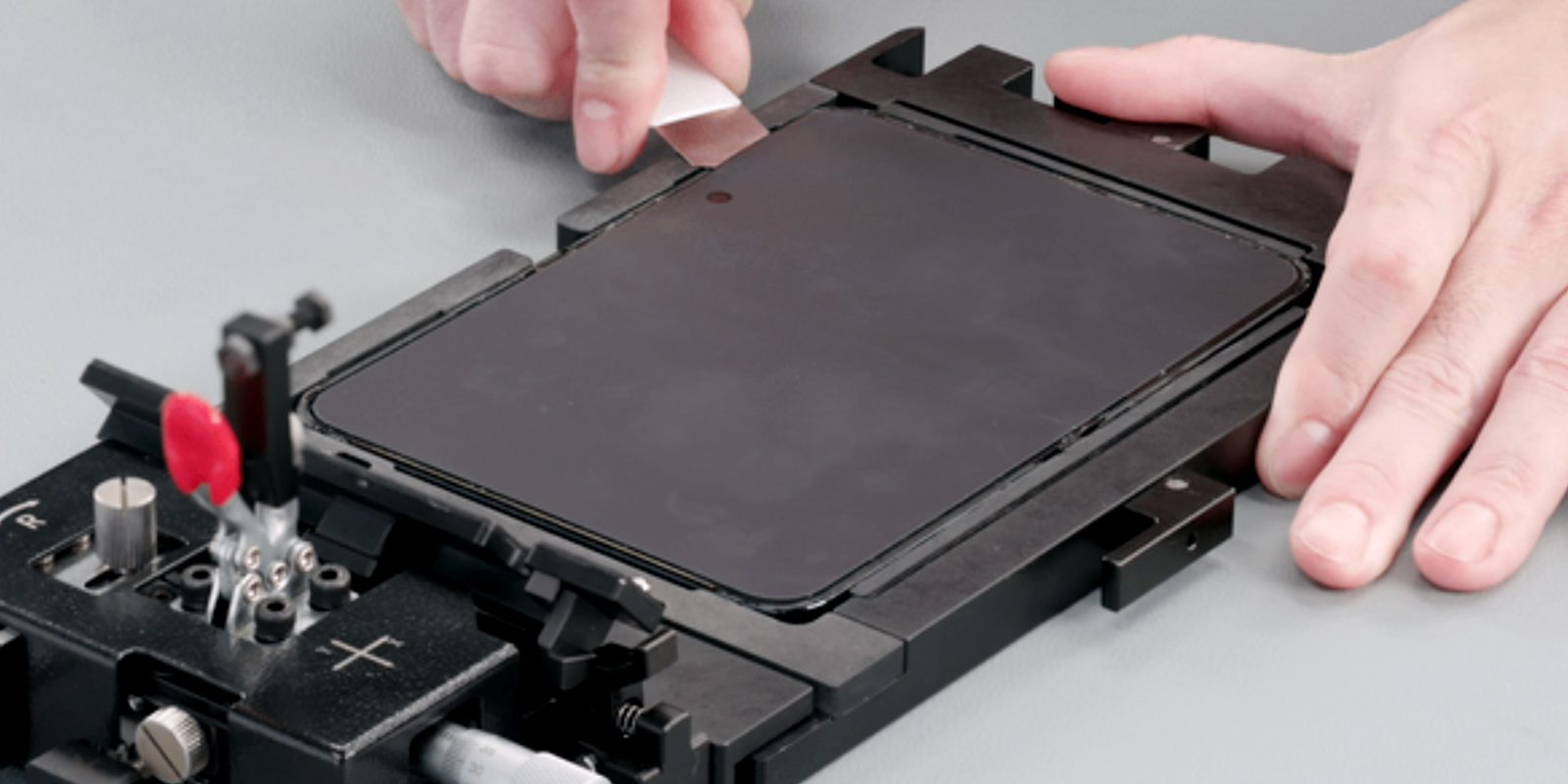
Key Sections of the iPhone Duo Repair Manual:
- Hinge Assembly Mechanics: Given the mechanical stress placed on the folding or dual-screen interface, the manual dedicates extensive pages to diagnosing hinge fatigue, alignment drift, and structural wear. Technicians are provided with strict torque specifications for reassembling the chassis.
- Touch ID Integration: Unlike devices relying solely on Face ID, the iPhone Duo incorporates specialized biometric sensor modules. The documentation details the secure pairing process required when swapping a Touch ID component to ensure cryptographic pairing with the device’s Secure Enclave.
- Display and Glass Handling: Because display assemblies on modern folding or multi-panel devices are exceptionally fragile, Apple has published a mandatory safety protocol. This document outlines how to safely strip fractured glass without risking damage to the underlying digitizer or ribbon cables.
- Battery Safety Procedures: Adhering to international safety standards for lithium-ion power cells, the battery replacement guide details chemical exposure risks, safe discharge states, and the necessary thermal adhesive removal techniques.
The Self Service Repair Landscape
Apple’s Self Service Repair program, which launched several years ago in response to legislative pressure and consumer demand, continues to evolve. However, a recurring trend with entirely new form factors is a temporal lag between device release and parts availability.
| Phase | Status for iPhone Duo (October 2026) |
|---|---|
| Retail Device Availability | Live (Global Apple Stores & Online) |
| Support & Troubleshooting Docs | Published / Live on Apple Support |
| Official Repair Manuals | Published (Step-by-step procedures available) |
| Genuine Replacement Parts | Not Yet Available (Pending store update) |
| Specialized Repair Tools (Rental/Purchase) | Not Yet Available (Pending store update) |
Until the Self Service Repair Store updates its inventory to include iPhone Duo modules, technicians and users must rely on the documentation purely for educational, diagnostic, and disassembly-planning purposes.
Official Responses and Industry Context
Apple’s rapid publication of repair manuals on launch day has been met with general approval from the independent repair community and Right to Repair advocates. In past decades, proprietary hardware designs were kept strictly under wraps, forcing consumers to rely exclusively on Apple Authorized Service Providers (AASPs) or the Genius Bar.
By releasing these manuals concurrently with the retail launch, Apple is signaling a shift toward proactive transparency. In the introduction to the iPhone Duo Repair Manual, Apple engineers emphasize the importance of preparation:
"Apple recommends that users and technicians read the entire repair manual before getting started, and only proceed if they feel comfortable performing the repairs as instructed."
This disclaimer highlights the delicate balance Apple must maintain: complying with global Right to Repair legislation while mitigating the financial and safety liabilities associated with untrained consumers attempting complex micro-soldering or mechanical alignments.

Industry analysts note that the introduction of the iPhone Duo is a watershed moment for Apple’s hardware design team. Building a device that balances sleek aesthetic standards with modular repairability is notoriously difficult. The inclusion of granular internal diagrams, fastener placement charts, and part-number listings in the new documentation proves that modularity was considered early in the engineering pipeline, rather than as an afterthought.
Implications for Consumers and Technicians
The arrival of the iPhone Duo and its corresponding repair documentation carries profound implications for multiple stakeholders within the consumer electronics ecosystem.
1. For the Everyday Consumer
While the manuals are publicly accessible, the complexity of the iPhone Duo means that casual DIY repairs remain ill-advised for the average user. Procedures involving the hinge mechanism and multi-panel displays require specialized presses, thermal equipment, and calibration software. However, the transparency empowers consumers to understand what is happening inside their devices, potentially lowering diagnostic anxiety and providing clearer expectations when taking a device in for professional service.
2. For Independent Repair Shops
Independent technicians stand to benefit the most from Apple’s proactive documentation release. Historically, repair shops had to reverse-engineer new devices upon release, risking catastrophic damage to expensive customer units. Having official step-by-step instructions on day one allows shops to prepare their workspaces, order necessary tools in advance, and train staff on the nuances of the iPhone Duo’s internal layout before the hardware even lands on their benches.
3. For the Broader Right to Repair Movement
Apple’s steady normalization of publishing comprehensive repair manuals on launch day sets a high bar for the rest of the consumer technology industry. While critics point out that the delayed availability of physical parts creates a temporary bottleneck, the availability of the knowledge base itself represents a massive victory for open-source hardware maintenance and consumer autonomy.
As the iPhone Duo settles into the hands of millions of users worldwide, attention will now turn to the eventual stock update of the Self Service Repair Store. Until then, Apple’s detailed documentation serves as the ultimate roadmap for understanding the inner workings of one of the company’s most ambitious hardware releases to date.