




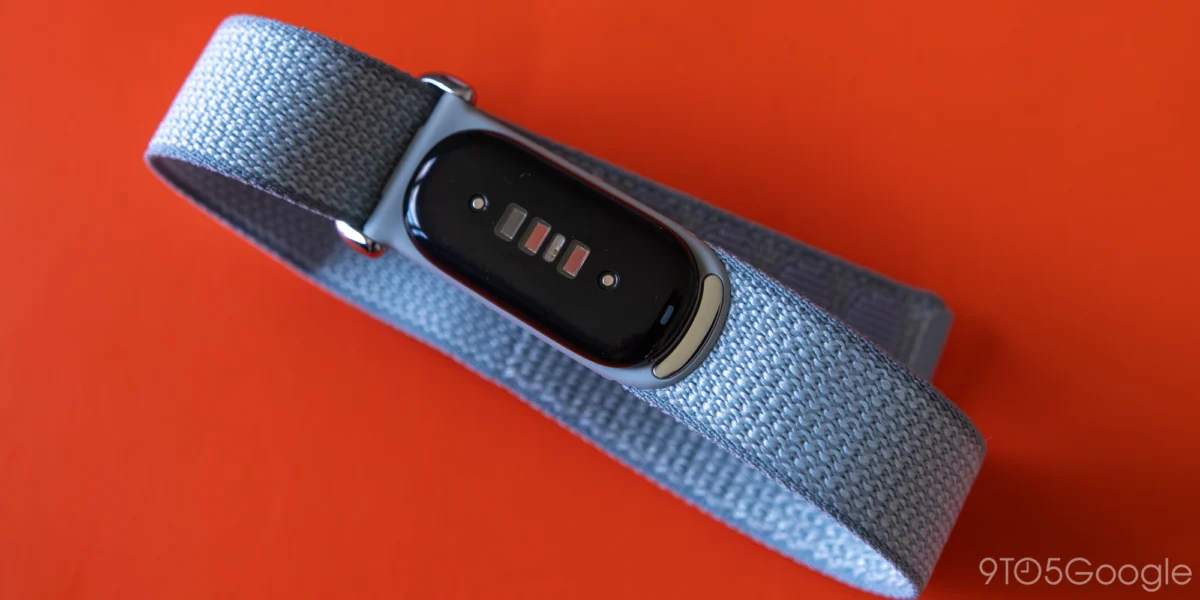
Google has officially begun the global rollout of the Google Health 5.11 update, marking a significant milestone in the integration of its wearable ecosystem. This latest software release brings substantial improvements to automatic activity detection, advanced health monitoring capabilities, and refined user interface experiences for both Fitbit trackers and the Pixel Watch series. As the lines between medical-grade monitoring and consumer-facing fitness tracking continue to blur, Google’s latest update represents a strategic pivot toward more holistic, data-driven health management.
Main Facts: What You Need to Know
The 5.11 update, which began reaching users this week, is one of the most substantial refinements to the Google Health application to date. The core focus of this update is to increase the autonomy of wearable devices, allowing them to capture and interpret complex health data with minimal user intervention.
Key highlights of the update include:
- Expanded Automatic Activity Tracking: Enhanced detection algorithms are now live for the Fitbit Air, as well as the Pixel Watch 3, 4, and 5. The upcoming Fitbit Edge, scheduled for launch on October 27, will arrive with these capabilities enabled out of the box.
- Health Guardian Features: Exclusive to Google Health Premium subscribers, this feature set introduces longitudinal tracking for blood pressure and insulin resistance trends.
- UI/UX Overhaul: The rebranding of “Blood Glucose” to a streamlined “Glucose” category, accompanied by redesigned data visualizations.
- Sleep Optimization: Refined wake detection and user-friendly nap editing capabilities.
The update is currently available for iOS users and is in the process of a staged rollout for the Android platform.
Chronology: The Path to Version 5.11
The development of Google Health 5.11 did not happen in a vacuum. It is the culmination of months of iterative testing and the integration of feedback from both clinical partners and the user community.
- September 2026: Initial reports began circulating regarding the integration of advanced biometric sensors in upcoming hardware, specifically concerning blood pressure monitoring and insulin resistance forecasting. These rumors set the stage for the “Health Guardian” announcement.
- Mid-October 2026: Google officially announced the expanded activity detection suite, noting that the company’s machine learning models had been retrained on a broader dataset to improve the accuracy of exercise recognition.
- October 23, 2026: A formal deep dive into the expanded activity detection capabilities was published, detailing how the software distinguishes between high-intensity interval training (HIIT), steady-state cardio, and incidental movement.
- October 27, 2026: The official launch date for the Fitbit Edge, which serves as the hardware showcase for the software features introduced in 5.11.
Supporting Data: Understanding the "Health Guardian" Suite
The most ambitious addition in this update is undoubtedly the Health Guardian suite. For many users, managing chronic conditions like hypertension or metabolic irregularities is a reactive process. Google aims to make it proactive.
Blood Pressure and Insulin Resistance Trends
By leveraging the specialized sensors on the Fitbit Air and the latest iteration of the Pixel Watch, the app now synthesizes data points over time to generate actionable insights.
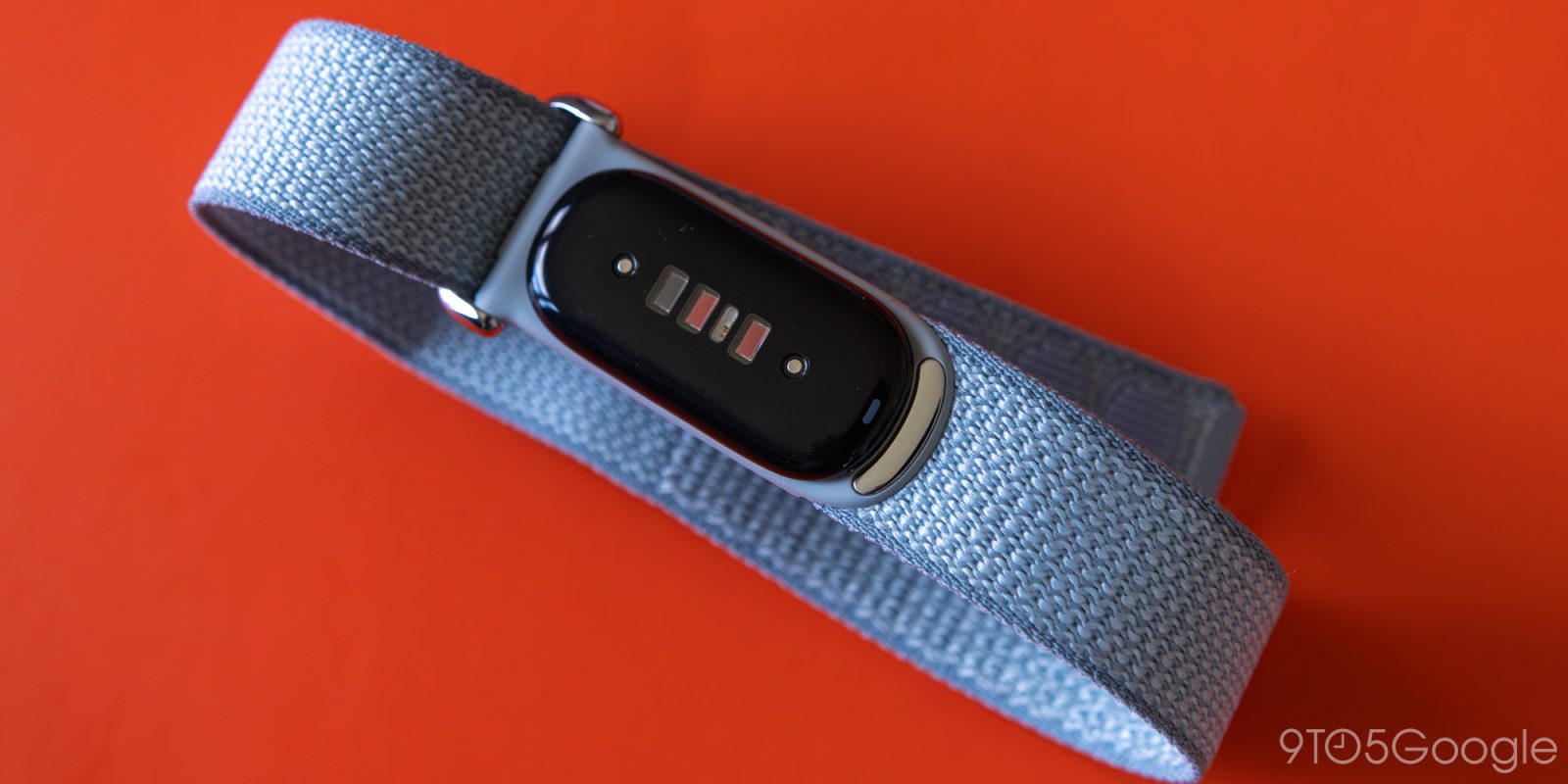
- Blood Pressure: Rather than providing a single snapshot, the app correlates blood pressure readings with daily activity, stress markers, and sleep quality. This provides a "contextualized" report, which is far more useful for medical professionals than isolated, static readings.
- Insulin Resistance Trends: This feature utilizes heart rate variability (HRV) and activity-to-glucose correlation data. While it does not replace a clinical lab test, it offers users a "trend line" that highlights when their body may be struggling with insulin sensitivity.
Google has confirmed that the first generation of these "Guardian Reports" will be available to Premium subscribers starting in early November, providing a 30-day look-back period for those who activate the features immediately.
Glucose Tracking Refinement
The renaming of "Blood Glucose" to simply "Glucose" within the application interface is more than a linguistic change. It signals a move toward a more integrated health dashboard. The update includes new interactive charts that allow users to toggle between hourly, daily, and weekly views, making it easier to spot spikes or dips associated with specific meals or workout routines.
Official Responses and Strategic Vision
In a recent thread on the Google Health support forums, the development team emphasized that the 5.11 update is designed to move the platform away from being a "passive data logger" and toward being an "active health partner."
"Our goal with 5.11 is to reduce the friction between living your life and tracking your health," stated a representative on the official support channel. "By improving automatic activity detection and providing clearer insights into complex metrics like insulin resistance, we are empowering our users to have more informed conversations with their healthcare providers."
The decision to limit the "Health Guardian" features to Premium subscribers has sparked debate within the community. However, industry analysts suggest that this is a necessary step for Google to recoup the significant R&D costs associated with clinical-grade algorithm development and regulatory compliance for medical-adjacent features.
Implications: The Future of Wearable Health
The release of Google Health 5.11 has profound implications for the wearable industry at large.
1. The Death of Manual Logging
The improved activity detection algorithms suggest a future where the user never has to press a "Start Workout" button again. By correctly identifying everything from a morning yoga session to a brisk walk to the subway, Google is removing the primary barrier to health data collection: user error and laziness.

2. Clinical Integration
The focus on insulin resistance and blood pressure trends indicates that Google is positioning its devices to be more than just fitness trackers; they are becoming essential tools for chronic disease management. This places Google in direct competition with specialized medical monitoring devices, potentially requiring stricter oversight from health regulatory bodies like the FDA in the near future.
3. The "Premium" Moat
By gating the most advanced health insights behind a subscription model, Google is successfully building a "walled garden" for health data. Users who invest time in building their history within the Google Health ecosystem—specifically by tracking long-term trends like insulin resistance—are significantly less likely to switch to competing platforms, as the value of their historical data increases over time.
4. Hardware Longevity
The fact that this update is being pushed to the Pixel Watch 3, 4, and 5 simultaneously demonstrates a commitment to hardware longevity. By ensuring that older devices receive the same software intelligence as the latest models, Google is fostering brand loyalty and justifying the premium price point of the Pixel Watch series.
Conclusion
The Google Health 5.11 update is a sophisticated, feature-rich release that balances the needs of fitness enthusiasts with those managing long-term health goals. While the transition toward a subscription-based model for advanced features may be a hurdle for some, the sheer volume of data-driven insights provided by the Health Guardian suite is likely to keep the platform at the forefront of the wearable market.
As we look toward the upcoming launch of the Fitbit Edge, it is clear that Google is not just selling hardware; they are selling a comprehensive health management system. The ability to automatically track activity, monitor subtle health trends, and visualize complex glucose data in a user-friendly format makes this update a critical turning point for the company’s digital health ambitions.
Users are encouraged to check the App Store or Google Play Store to ensure their Google Health application is updated to version 5.11. For those using the Fitbit Air or Pixel Watch series, this update is highly recommended for the improved stability and the enhanced accuracy of health data logging.
Disclaimer: This article contains affiliate links that generate income for the publisher. The information provided regarding health features is for educational purposes and should not be considered a replacement for professional medical advice, diagnosis, or treatment. Always seek the advice of your physician or other qualified health provider with any questions you may have regarding a medical condition.