Navigating the Future of Ecommerce Content: Five Strategic Marketing Themes for November 2026
As the digital marketplace grows increasingly saturated with automated, generative AI-driven content, ecommerce merchants face a heightened imperative to stand out. November 2026 offers a unique convergence of historical milestones, cultural anniversaries, and consumer behavioral shifts that savvy content marketers can leverage. Far beyond standard promotional campaigns, the upcoming month provides fertile ground for narrative-driven storytelling that attracts, engages, and retains customers by prioritizing utility, information, and entertainment.
Content marketing—the strategic discipline of creating and distributing valuable, relevant content to captivate a clearly defined audience—remains a cornerstone of digital commerce. In an era where AI tools can instantly generate generic product descriptions and high-level roundups, the winning edge belongs to brands that invest in depth, context, and authenticity.
To help ecommerce businesses prepare their editorial calendars, industry strategists have identified five distinct content themes for November 2026: celebrating the centenary of Route 66, demystifying product science during STEM observances, exploring a 50-year retrospective of 1976, marking World Television Day, and upending traditional holiday shopping habits with the "Anti-Gift Guide."
Main Facts: The Strategic Landscape of November 2026
The baseline objective of ecommerce content marketing in late 2026 is moving away from superficial keyword stuffing toward building substantive brand equity. As search engine algorithms and generative AI discovery engines prioritize context, expertise, and authoritativeness, marketers must anchor their campaigns in tangible cultural and historical anchors.
November’s calendar is uniquely structured to support this approach. Key focal points include:
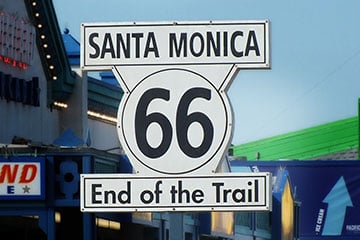
The Route 66 Centenary: Marking 100 years since the designation of America’s most famous highway on November 11, 1926.
Global Science Observances: Aligning with International STEM Day (November 8) and World Science Day (November 10) to explain the complex physics and engineering behind everyday retail goods.
The 1976 Retrospective: Looking back 50 years to contrast modern consumer habits, aesthetics, and technologies with those of the mid-1970s.
World Television Day: Commemorating the cultural and economic impact of the medium, officially recognized by the United Nations on November 21.
The "Anti-Gift Guide" Phenomenon: Shifting away from conventional, exhaustive gift lists toward hyper-specific, honest advisory content that ensures product-consumer fit ahead of the peak holiday shopping season.
Chronology: A Historical Look at November’s Milestones
To weave these themes effectively into ecommerce narratives, content marketers must understand the historical trajectories underpinning them.
1926: The Birth of Route 66
On November 11, 1926, the American highway system was forever altered. Route 66 was officially established, stitching together a disparate patchwork of local roads, state highways, and gravel tracks to span roughly 2,400 miles from Chicago to Los Angeles. However, the legendary thoroughfare was not fully paved from end to end until 1938.
The true legacy of Route 66 lies not merely in its geographic span, but in the socio-economic ecosystem that grew alongside it. Diners, motels, independent gas stations, repair shops, and idiosyncratic roadside attractions transformed long-distance automobile travel into a cultural phenomenon and an economic engine for rural communities across the American Midwest and Southwest.
1996: Institutionalizing World Television Day
Decades later, on November 21 and 22, 1996, the United Nations convened its first World Television Forum in New York. Media executives, communications experts, and policy leaders from more than 50 countries gathered to debate television’s expanding global influence and its profound power in shaping public discourse. Recognizing its role in globalization, cultural exchange, and communication, the UN General Assembly formally designated November 21 as World Television Day shortly thereafter.
Supporting Data & Industry Insights
As generative AI reshapes how consumers discover products—shifting reliance from traditional search engines to conversational AI interfaces—the nature of content marketing data is evolving. According to digital marketing analysts, AI-driven discovery platforms rely heavily on deep contextual data, clear product specifications, and expert commentary to recommend brands to users.
Search Intent Shift: Consumer studies show that search queries surrounding holiday purchases are increasingly specific, with shoppers seeking out compatibility details, maintenance requirements, and critical reviews over broad gift suggestions.
The Power of Retrospectives: Content featuring historical comparisons ("Then vs. Now") experiences higher average time-on-page metrics and stronger social sharing rates, as nostalgia acts as a powerful emotional bridge between heritage brands and younger consumer demographics.
STEM Integration: Retailers utilizing educational content—such as breaking down the thermal dynamics of a cast-iron skillet or the waterproofing technology of outerwear—report lower product return rates, largely because well-informed buyers make more deliberate purchasing decisions.
Official Perspectives and Expert Commentary
Industry leaders and ecommerce strategists emphasize that the key to surviving and thriving in the AI era is differentiation through human insight.
"Content marketing is no longer just a traffic acquisition tool; it is the primary trust-building mechanism a brand possesses," notes an independent digital retail consultant. "When an AI search engine crawls your site, it is looking for nuance, expertise, and genuine problem-solving. Generic listicles no longer cut it."
Regarding the shift in holiday marketing strategies, retail analysts point out that consumer fatigue with traditional gift guides is palpable.
"Shoppers are overwhelmed by endless lists telling them to buy generic items for ‘the coffee lover’ or ‘the tech enthusiast’ in their lives," explains a veteran ecommerce content director. "By pivoting toward honesty—explaining why someone shouldn’t buy a complex espresso machine unless they are ready for the maintenance curve—merchants build immense credibility. The anti-gift guide is ultimately a masterclass in transparency."
Implications for Ecommerce Merchants in November 2026
Implementing these five content themes requires a deliberate shift in strategy across various retail sectors. Below is a breakdown of how different types of ecommerce businesses can apply these concepts:
1. Route 66 Centenary Campaigns
The Opportunity: Connect the romance of the American road trip and mid-century Americana with modern retail catalogs.
Application: Automotive, apparel, outdoor gear, and travel accessory brands can build editorial features, photo essays, or curated collections inspired by the classic route. Retailers can explore how mobility, travel gear, and leisure habits have evolved over the last century.
2. Demystifying Product Science (STEM Days)
The Opportunity: Answer fundamental physics and chemistry questions related to everyday consumer products to position the brand as an authoritative expert.
Application: Kitchenware brands can detail the thermal mass and seasoning chemistry of cast-iron cookware. Outdoor retailers can explain the micro-perforations and membrane technology behind breathable rain jackets. Specialty coffee merchants can explore how particle size distribution during grinding impacts extraction rates and flavor profiles.
3. The 50-Year Lookback (1976 Retrospective)
The Opportunity: Use the aesthetic and technological contrasts of 1976 to tell a compelling story about how tastes and manufacturing standards have matured.
Application: Fashion retailers can contrast 1976 disco and punk aesthetics with contemporary streetwear trends. Consumer electronics shops can juxtapose bulky, analog 1976 technology with sleek, pocket-sized modern equivalents. Home goods and kitchen stores can revisit vintage appliances and retro recipes.
4. World Television Day Explorations
The Opportunity: Examine how television culture has historically influenced—and continues to drive—consumer trends in fashion, interior design, automotive choices, and popular culture.
Application: Home decor brands can explore iconic television living rooms and how set design influenced domestic architecture. Toy and game retailers can trace how television advertising and Saturday morning cartoons shaped generations of play.
5. The Anti-Gift Guide (Pro-Fit Strategy)
The Opportunity: Disrupt the standard holiday gift guide template by publishing brutally honest, highly specific advisory content that matches products with the right consumers.
Application: Instead of publishing generic roundups like "Top 10 Gifts for Coffee Lovers," a specialty retailer might publish: "Why You Shouldn’t Buy Your In-Laws an Espresso Machine Unless They Love Maintenance." These guides should candidly address learning curves, counter space limitations, cleaning requirements, and lifestyle compatibility.
By adopting these strategic content pillars in November 2026, ecommerce businesses can rise above the noise of automated marketing, secure stronger positioning within generative AI discovery platforms, and foster deep, lasting connections with discerning modern consumers.