










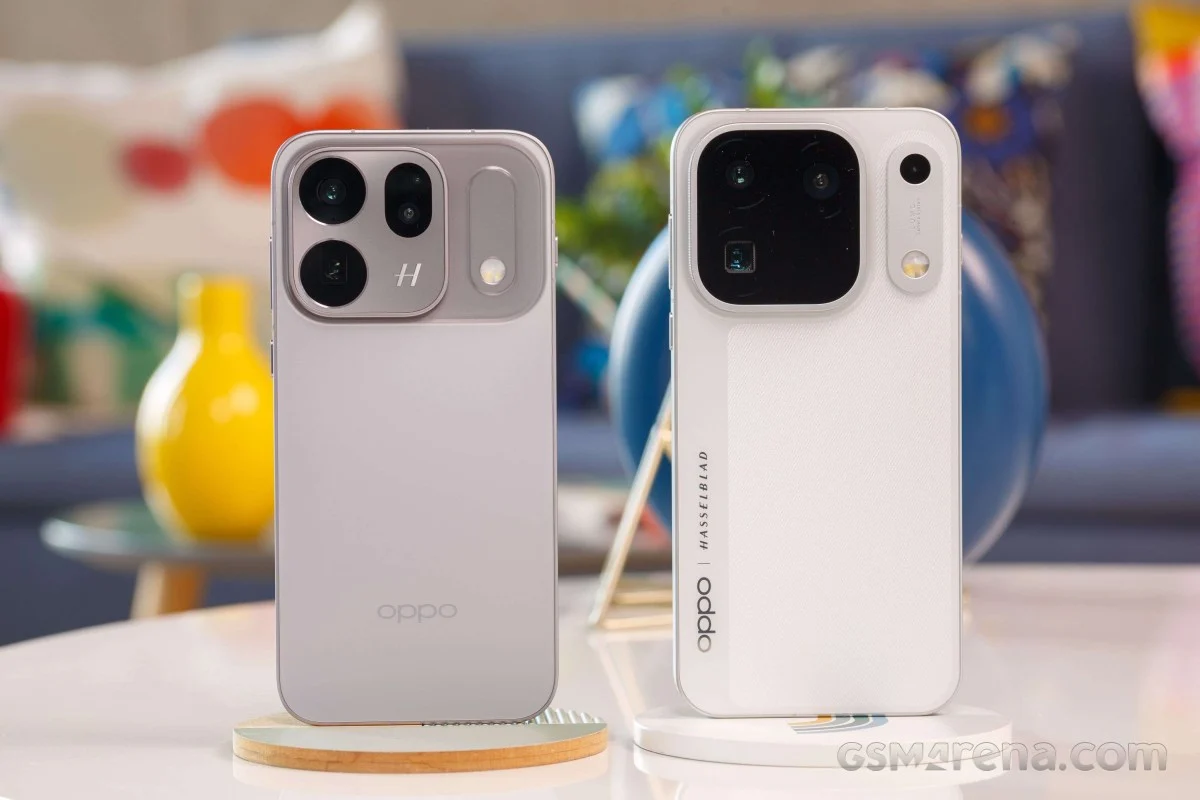
While our comprehensive, lab-tested reviews for the global Oppo Find X10 and the powerhouse Oppo Find X10 Pro Max are still actively underway, Oppo and industry reviewers are pulling back the curtain on what these devices can achieve. Following our initial unboxing and hands-on coverage, we have been granted permission to share an extensive gallery of official camera samples captured directly on both flagship devices.
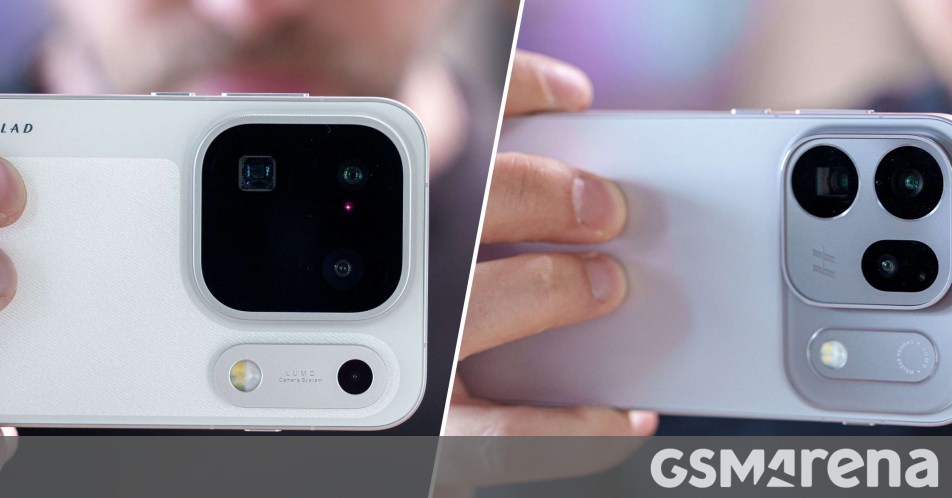
Although we are saving our deep-dive analysis, technical evaluations, and rigorous scoring for the final reviews, these early photo samples offer a compelling glimpse into the photographic capabilities of Oppo’s latest generation.
Main Facts: What We Know About the Oppo Find X10 Series Cameras
The Oppo Find X10 series represents the pinnacle of the brand’s mobile imaging strategy for the global market. Positioned as direct successors to previous generational benchmarks, the Find X10 and Find X10 Pro Max arrive with high expectations, particularly given Oppo’s historical pedigree in computational photography and hardware tuning.

From a user-experience standpoint, shooting with the Find X10 series feels remarkably polished. Early testing reveals that the camera interface is exceptionally snappy, lens-switching is virtually instantaneous, and the shutter response remains zippy—traits that closely mirror the refinement found on the acclaimed Oppo Find X9 Ultra.

However, not every change has been universally lauded. One notable ergonomic shift is Oppo’s decision to remove the dedicated physical camera button on the side of the chassis—a feature that was warmly received by enthusiasts on the Find X9 Pro series. Despite this hardware omission, the software-driven shooting experience remains remarkably fluid.

Chronology: The Road to the Find X10 Global Launch
To understand where these camera samples fit into the broader narrative of Oppo’s 2026 flagship rollout, it helps to examine the timeline:

- Initial Device Teasers: Oppo began hinting at the global launch of the Find X10 series, focusing heavily on refined industrial design and upgraded sensor architectures.
- Unboxing and Hands-On: Early production units arrived at testing facilities, allowing tech publications to provide initial hardware impressions, build-quality assessments, and ergonomic overviews.
- Camera Sample Embargo Lift: Oppo cleared reviewers to publish preliminary camera samples captured on both the standard Find X10 and the top-tier Find X10 Pro Max. This phase allows the public to scrutinize early image output across various focal lengths and lighting conditions.
- Upcoming Full Reviews: Final lab testing, dynamic range evaluations, portrait rendering checks, and low-light benchmark scoring are scheduled for publication in the coming weeks.
Supporting Data: Breakdown of the Camera Samples
To help photography enthusiasts analyze the hardware’s potential, we have organized the initial batch of sample images meticulously. The breakdown spans multiple focal lengths, lighting environments, and front-facing camera tests for both devices.

Oppo Find X10 Pro Max: Focal Lengths and Lighting Conditions
The Oppo Find X10 Pro Max serves as the primary showcase for the series’ most advanced optical hardware. The sample gallery has been structured logically, transitioning from the widest perspectives to the telephoto zoom limits, followed by challenging low-light scenarios and portrait/selfie shots.

- Ultra-Wide (0.6x – 13mm, f/2.2): Utilizing a wide-angle perspective, these shots demonstrate edge-to-edge sharpness and minimal barrel distortion. Samples captured at ISO 50 (1/303s and 1/184s) showcase clean daylight dynamics, while ISO 400 captures show how the sensor handles mid-tone shadow details.
- Primary Wide (1x – 24mm, f/1.5): The main sensor boasts a fast f/1.5 aperture, allowing ample light into the system. Daylight shots at ISO 50 (such as 1/509s and 1/324s) exhibit high levels of micro-detail, natural color science, and controlled contrast.
- Telephoto (3x – 70mm, f/2.1): Offering a dedicated portrait and medium-telephoto reach, the 70mm lens maintains crisp subject separation. Operating primarily at ISO 50 in daylight, these samples indicate that Oppo’s zoom optimization retains fine textures without over-sharpening.
- Low-Light Performance (0.6x, 1x, and 3x): Nighttime photography is where flagship phones are truly tested.
- 0.6x Low Light: Shot at higher ISO values (ranging from 2,500 up to 12,800), these ultra-wide night samples rely on multi-frame noise reduction.
- 1x Low Light: Operating at f/1.5 with ISO values between 1,600 and 4,000, the primary sensor pulls in impressive ambient light, balancing highlights in urban environments.
- 3x Low Light: Telephoto low-light frames (f/2.1, ISO 3,200 to 6,400) reveal how the optical image stabilization (OIS) and computational stacking work together to keep handheld night shots usable.
- Selfie Camera: Operating at an 18mm equivalent with an f/2.0 aperture, the front-facing shooter handles varying exposures—from controlled daylight (ISO 50, 1/458s) to extremely dark interior environments (ISO 8,000, 1/13s).
Oppo Find X10: Standard Flagship Imaging
Alongside the Pro Max variant, Oppo provided camera samples for the standard Oppo Find X10, highlighting its capabilities across comparable focal lengths:

- Ultra-Wide (0.6x – 15mm, f/2.0): Delivering slightly different focal geometry (15mm, f/2.0), these daylight and low-light samples illustrate consistent color calibration with the Pro Max.
- Primary Wide (1x – 23mm, f/1.6): Featuring a 23mm equivalent lens at f/1.6, the standard model manages bright exposures cleanly at ISO 50 while stepping up sensitivity smoothly when indoor lighting drops.
- Telephoto (3x – 65mm, f/2.6): Offering a 65mm focal length at f/2.6, the standard Find X10 handles distant subjects capably across daylight and low-light scenarios.
- Selfie Performance: The front-facing module on the standard model shares the 18mm f/2.0 lens architecture, producing adaptable results from ISO 50 to high-gain ISO 6,400 environments.
Official Responses and Industry Context
While comprehensive manufacturer whitepapers detailing the exact sensor models and partnership details (such as continued tuning collaborations) are expected alongside the final reviews, initial statements from mobile imaging analysts point to a clear trend.

Oppo is heavily investing in computational speed. By emphasizing a snappy UI, instantaneous lens transitions, and zero shutter lag, the brand is directly addressing consumer demands for responsiveness. In modern smartphone photography, having a stellar sensor is only half the battle; the ability to capture fleeting moments without software stutter is what separates good cameras from great ones.

The removal of the physical camera shutter button has sparked active debate within mobile photography communities. While minimalist industrial design favors a clean chassis devoid of extra physical cutouts, mobile photographers who frequently shoot in landscape mode or underwater housings often prefer tactile feedback. Oppo’s product teams have opted for a streamlined profile on the Find X10 series, placing total confidence in the responsiveness of the touch-screen interface and software triggers.

Implications for the Flagship Smartphone Market
The release of these camera samples carries several important implications for the high-end smartphone market:

- Heightened Competition in Global Markets: With brands aggressively vying for dominance in computational photography, the Find X10 and Find X10 Pro Max enter the arena to challenge established heavyweights from Samsung, Apple, and Xiaomi.
- The Shift Toward Unified Multi-Lens Tuning: Early samples indicate that Oppo has successfully minimized color and exposure shifts when transitioning between the 0.6x ultra-wide, 1x main, and 3x telephoto lenses. Maintaining visual consistency across lenses remains a critical selling point for content creators.
- Consumer Empowerment: By releasing raw and unedited camera samples ahead of formal reviews, Oppo allows photography enthusiasts to form independent judgments regarding noise reduction grain, dynamic range handling, and highlight roll-off.
Conclusion
The preliminary camera samples from the Oppo Find X10 and Find X10 Pro Max paint an encouraging picture of what these global flagships can accomplish. While questions remain regarding the omission of the physical shutter button and final low-light processing benchmarks, the sheer speed of the camera app and the fidelity of the early photo samples indicate that Oppo’s latest mobile imaging systems are shaping up to be formidable contenders. Stay tuned for our exhaustive, full-length reviews where we put these cameras through rigorous real-world testing.



