By Josh Gallant
Updated on August 13, 2024
Every business owner, marketer, and sales director shares a singular, relentless ambition: the pursuit of more. More leads translate directly into more potential customers, which eventually culminate in higher revenue streams and long-term enterprise growth.
However, the sheer volume of modern marketing tactics can render the lead generation landscape overwhelming. With infinite paths to capture a buyer’s attention, the pressing question remains: Where do you even begin?

To answer this complex operational puzzle, industry experts have compiled a comprehensive framework outlining 13 distinct, actionable lead generation strategies. By understanding the core mechanics of inbound versus outbound methodologies, defining your ideal customer profile, and deploying targeted tactical execution, organizations can build robust pipelines that reliably convert casual visitors into lifelong brand advocates.
What Are Lead Generation Strategies?
At its core, a lead generation strategy encompasses the systemic methods and touchpoints a business utilizes to attract, engage, and capture prospective customers. Serving as the foundational gateway of the modern sales funnel, these strategies are engineered to identify individuals who exhibit genuine interest in a company’s value proposition and guide them toward a conversion event.
Fundamentally, these methodologies are divided into two distinct schools of thought: inbound and outbound marketing. Choosing the right path requires a nuanced understanding of your company’s overarching market dynamics, sales cycles, average deal sizes, and available capital resources.

Inbound vs. Outbound: Which Approach Reigns Supreme?
Deciding between inbound and outbound lead generation is rarely a binary choice. Successful modern enterprises frequently blend both philosophies, leveraging inbound mechanics for sustainable, long-term brand equity while utilizing outbound tactics for immediate, short-term revenue wins.
Inbound Marketing
Inbound marketing revolves around drawing prospective buyers to your digital ecosystem through organic, high-value content and meaningful interactions. Key channels include search engine optimization (SEO), educational blog writing, social media community building, and opt-in email newsletters.
- Advantages: Builds lasting trust, establishes authority, creates compounding organic traffic, and typically attracts higher-intent prospects.
- Disadvantages: Requires a significant upfront time investment, demands consistent content creation, and rarely yields overnight revenue spikes.
Outbound Marketing
Outbound marketing relies on proactive, direct outreach to prospective buyers who may not yet be actively searching for your solution. Standard tactics involve cold email cadences, targeted direct mail, account-based telemarketing, and paid acquisition channels.

- Advantages: Generates rapid visibility, allows for hyper-targeted audience selection, and produces immediate, measurable data points.
- Disadvantages: Can suffer from low response rates, risks triggering spam filters if executed poorly, and can feel intrusive to modern consumers.
The Imperative of a Robust Lead Generation Engine
Maintaining a continuous, predictable influx of leads is non-negotiable for business survival. Without an optimized conversion engine, enterprises inevitably face stagnation. Industry analysis highlights three primary drivers that make a systematic lead generation process vital:
- Revenue Predictability: A steady flow of pipeline prospects allows finance and sales teams to forecast quarterly revenue with statistical accuracy.
- Customer Acquisition Cost (CAC) Optimization: Refining your lead channels over time reduces wasted ad spend, ensuring you attract higher-value accounts more efficiently.
- Market Resilience: Businesses with diversified lead generation streams are insulated against sudden algorithm shifts, platform updates, or macroeconomic downturns.
The Golden Rule: Define Your Target Buyer First
Before executing a single campaign, drafting an email, or launching an ad, marketers must master one critical prerequisite: Defining your target market and buyer persona.
Stating that "our product is for everyone" is a fatal strategic error. If your brand attempts to target everyone, you ultimately resonate with no one. Building a precise buyer profile involves a two-step framework:

- Step 1: The Market Dynamics — Analyze your total addressable market, geographic parameters, industry verticals, competitive landscape, and economic constraints.
- Step 2: The Buyer Profile — Pinpoint your decision-maker’s daily pain points, professional responsibilities, preferred communication channels, purchasing triggers, and key performance indicators (KPIs).
Failing to understand the "who" before selecting the "what" often results in executing tactics that may work brilliantly in other industries, yet fail catastrophically in yours.
13 Proven Lead Generation Strategies to Convert Visitors Into Buyers
With a clear audience definition established, organizations can implement targeted strategies designed to maximize conversion efficiency. Below are 13 proven methodologies utilized by top-tier marketing teams today.
1. Create Conversion-Optimized Landing Pages
Most inbound lead generation campaigns ultimately funnel traffic toward a dedicated landing page featuring a conversion form. Because multiple promotional channels can drive traffic to a single URL, optimizing these pages creates a compounding return on investment. Modern landing page builders allow teams to rapidly deploy and test high-converting layouts without requiring dedicated software developers.

2. Build an Inbound Content Marketing System
Content marketing involves producing and distributing educational, entertaining media assets that address your audience’s core problems. By embedding subtle conversion pathways—such as contextual calls-to-action (CTAs) within blog posts—brands can seamlessly transition readers into captured leads.
3. Optimize Content and Landing Pages for Search Engines (SEO)
SEO ensures your brand captures high-intent traffic actively searching for your solutions on search engines like Google. By aligning content architecture with search intent and technical best practices, companies secure compounding organic visibility over time.
4. Execute Targeted Cold Email Outreach Campaigns
Cold email outreach remains a powerful engine for B2B pipeline growth, provided it avoids the "spray and pray" trap. By hyper-segmenting your prospect lists and incorporating trigger events (such as a target company hiring for a specific role), personalized cold emails can yield exceptional response rates.

5. Experiment with Website Popups and Sticky Bars
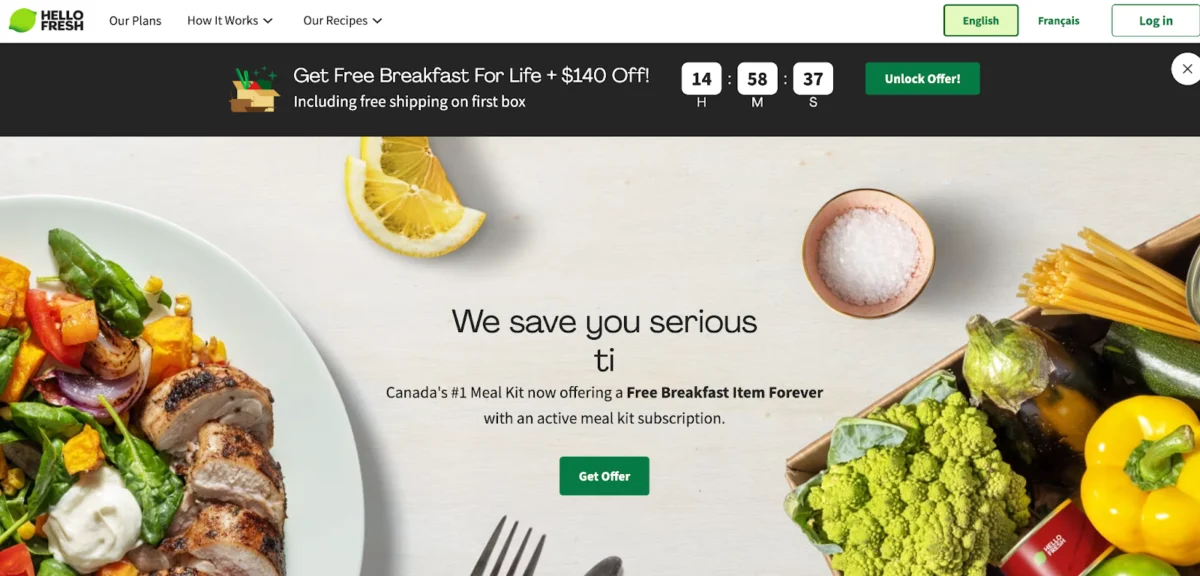
Strategic popups and sitewide sticky bars ensure that lead magnet offers—such as free templates, whitepapers, or discounts—are visible to every visitor, regardless of which page they land on. When timed correctly, they significantly boost email list growth without disrupting the user experience.
6. Leverage Social Media Marketing for Brand Discovery
Platforms like LinkedIn, TikTok, and YouTube have shifted from follower-centric networks to discovery-driven engines. By combining organic thought leadership with paid social advertising, brands can meet prospective buyers directly where they spend their digital downtime.
7. Run Pay-Per-Click (PPC) Advertising Campaigns
PPC advertising—ranging from Google Search ads to social media sponsored posts—places your brand instantly in front of active buyers. When paired with conversion-optimized landing pages, PPC campaigns can generate qualified leads within hours of launch.

8. Host Webinars and Live Educational Events
Webinars, masterclasses, and live workshops allow businesses to showcase deep industry expertise while interacting directly with prospective buyers in real-time. Attendees who invest 30 to 60 minutes of their day into an educational session typically exhibit exceptionally high purchase intent.
9. Launch a Customer Referral Program
Word-of-mouth marketing remains the most trusted form of promotion. Referral programs incentivize your existing, satisfied customer base to recommend your services to peers, lowering acquisition costs while building deep brand loyalty.
10. Partner with Industry Influencers
Influencer marketing extends far beyond consumer lifestyle products. Across virtually every B2B and B2C sector, niche creators on platforms like YouTube, LinkedIn, and specialized newsletters command highly engaged audiences eager for trusted product recommendations.

11. Deploy Retargeting Ad Campaigns
Retargeting campaigns re-engage visitors who browsed high-value pages—such as a pricing page or checkout cart—without converting. By serving tailored reminder ads across the web, brands can capture "almost-buyers" before they forget your solution.
12. Offer Free Trials and Product Demos
Operating on the classic "free sample" psychology, SaaS companies and service providers utilize free trials to reduce perceived financial risk. Giving prospects hands-on access to product functionality builds immense confidence prior to the final sale.
13. Utilize Interactive Quizzes and Tools
Interactive diagnostic tools and personality quizzes capitalize on consumer curiosity. By delivering personalized, instant results in exchange for basic contact information, brands can capture valuable first-party data while entertaining their audience.

Conclusion: How to Get Started
Building a resilient lead generation engine is the cornerstone of sustainable enterprise growth. While the tactical options are vast, success ultimately depends on strict adherence to the fundamentals:
- Accurately define your target audience and buyer persona.
- Choose a balanced mix of inbound and outbound strategies.
- Direct traffic toward optimized, frictionless landing pages.
- Rigorously track performance metrics and iterate based on data.
By committing to a focused, methodical rollout of these strategies, your business can transform casual digital traffic into a predictable, high-yielding revenue pipeline.