










In the rapidly evolving landscape of professional networking, LinkedIn has shifted from a static digital resume site to a high-stakes arena of content creation. As generative AI tools have proliferated, LinkedIn has found itself at a crossroads, forced to balance the efficiency of automation with the need for authentic human connection. For marketers and thought leaders, the message from the platform is becoming increasingly clear: AI should be a co-pilot, not an autopilot.
The Reality of the AI Crackdown
LinkedIn’s recent stance on AI-generated content is not merely a policy adjustment; it is an existential shift for the platform’s ecosystem. In recent months, the network has waged an aggressive campaign against what it deems "AI slop"—low-quality, mass-produced content that clutters the feed and diminishes user experience. Millions of automated posts and comments have been blocked, and the platform has introduced reporting features that allow users to flag content they suspect is machine-generated.
According to industry experts like AJ Wilcox, founder of B2Linked, this crackdown is powered by both algorithmic detection and, more importantly, human behavior. When users engage less with generic, robotic-sounding content, the platform’s internal metrics downgrade that content’s reach. LinkedIn is essentially using user reports as a training ground for its detection models, refining its ability to distinguish between high-value human insight and AI-generated filler.
The platform’s pivot is evidenced by its own interface updates. LinkedIn is currently sunsetting its "Enhance your post" AI tool, which was criticized for imposing a generic, corporate voice on creators. It is being replaced by sophisticated proofreading tools designed to maintain the author’s unique voice while simply cleaning up prose. This signals a strategic intent: LinkedIn wants to foster a professional environment where AI assists, but never replaces, the human perspective.
The Ideation-Expertise-Polish Model
To thrive on LinkedIn today, creators must adopt a "sandwich" methodology: using AI for the bookends of the process while ensuring the core remains undeniably human.
1. Ideation: The Brainstorming Engine
AI is an unparalleled partner for ideation. Before committing to a post, creators can leverage large language models to generate a spectrum of angles, frameworks, or potential counter-arguments. This stage is about volume, not quality. By feeding a topic into an AI tool, a creator can quickly identify gaps in their own thinking or uncover unique ways to frame a complex issue.
2. Human Expertise: The Core Value
The middle layer—the meat of the sandwich—is where the creator’s unique value resides. This is the synthesis of professional experience, industry-specific data, and nuanced anecdotes that no algorithm can replicate. When this layer is absent, the content feels hollow. AI cannot mimic the "I’ve been there" authority that comes from years of hands-on work. Failing to inject this into a post is the primary reason content gets flagged as "slop."
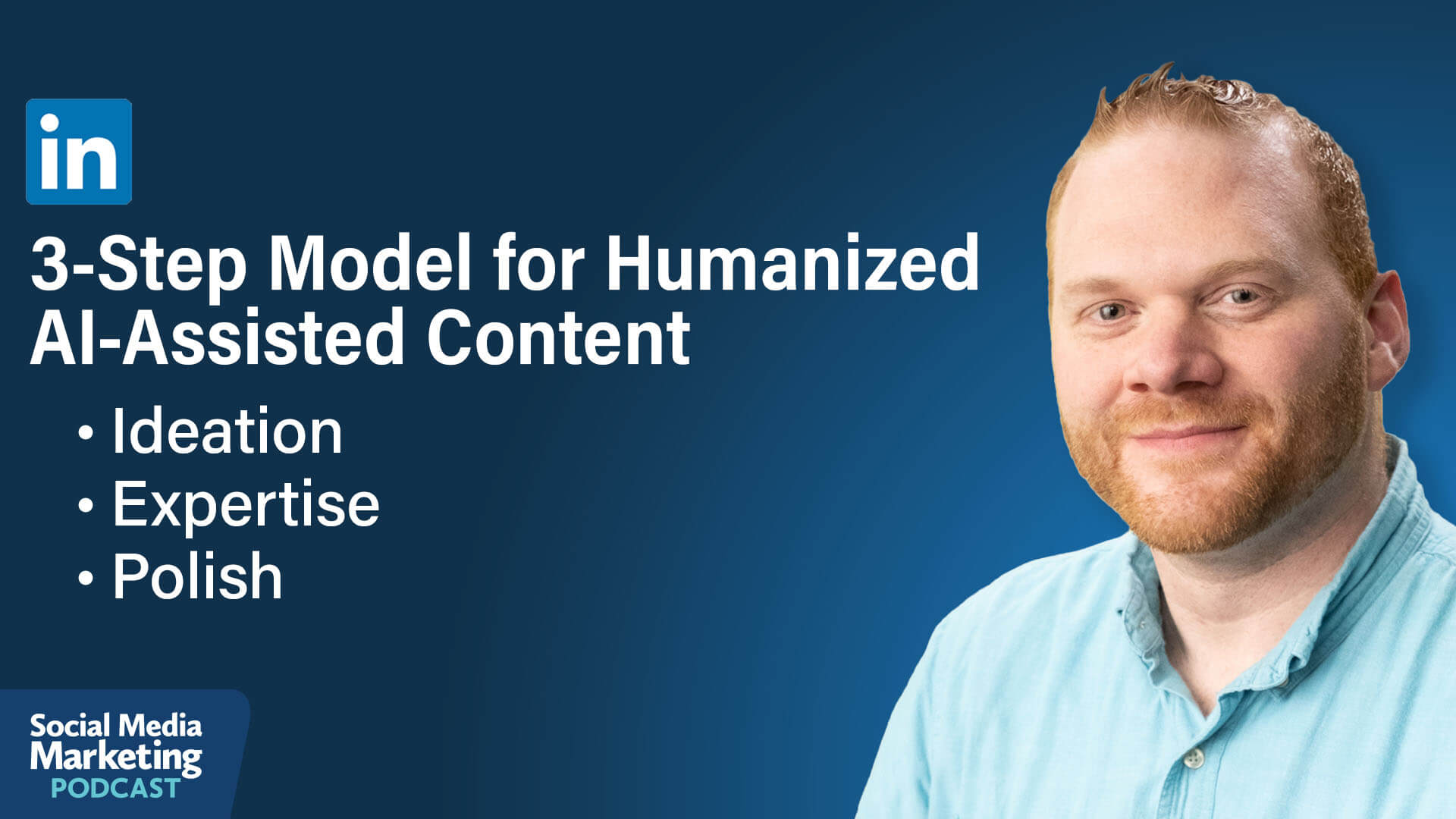
3. Polish: The Final Refinement
Once the human voice is established, AI can return to the process to refine formatting, tighten sentence structures, and ensure clarity. This is an editing role, not a creative one. By using AI to polish, creators ensure their message is readable and scannable without sacrificing the original intent or the author’s unique cadence.
Recognizing the "AI Tells"
As the arms race between AI generators and platform detectors continues, savvy readers have become adept at spotting machine-written content. Common markers include:
- Syntactic Repetition: AI models have a penchant for excessive use of em-dashes and specific, overly dramatic phrasing like "guard your mental faculties" or "this is silently killing your productivity."
- Contextual Mismatch: When emojis or tone shifts appear abruptly in a way that doesn’t match the author’s established brand voice, the audience immediately becomes skeptical.
- The "Fluff" Factor: Content that is grammatically perfect but emotionally empty is the hallmark of AI-generated filler.
Interestingly, while some creators have toyed with intentionally inserting typos to appear more "human," this is a losing strategy. AI can easily be prompted to misspell words or vary its syntax to bypass detection. Ultimately, the best defense against being labeled as "AI slop" is providing genuine, high-value substance that resonates with a professional audience.
Optimizing Engagement: Timing and Tactics
Even the most authentic content will fail if it isn’t deployed with strategic intent. For those managing a posting schedule, the data suggests a measured approach. Tuesdays and Thursdays remain the "gold standard" for LinkedIn engagement. Conversely, Mondays—when professionals are swamped with the backlog of the weekend—and Fridays—when the professional mindset is already shifting to leisure—are suboptimal.
A critical rule for algorithmic health is to never post twice in one day. Doing so creates internal competition, effectively cannibalizing the reach of both posts. Each update needs time to breathe and gather organic traction before the platform’s algorithm shifts focus.
The Rise of Commenting as a Growth Strategy
With the platform’s recent updates, commenting has evolved from a secondary activity into a primary growth engine. LinkedIn now allows users to track comment impressions, providing a clear metric for engagement. For professionals who do not yet have a large following, leaving thoughtful, high-density comments on the posts of industry leaders is a more effective growth strategy than posting original content to a ghost town.
LinkedIn is now actively surfacing high-quality comments in the main feed, moving away from the generic "top comment" label to personalized recommendations. Time spent in the comments section is up 18% year-over-year, indicating that the value of the platform is shifting toward discourse rather than just broadcast.
To succeed here, one must adopt the "Ted Lasso" principle: be curious, not judgmental. The most effective comments are those that invite further discussion, using phrases like "What am I missing?" or "Am I wrong here?" to prompt deeper replies. When disagreeing, follow a three-step framework: offer a genuine compliment on the original post, provide a well-reasoned alternative perspective, and end with an open question.
Modernizing Video and Ad Strategy
For executives and company leaders, the barrier to high-quality video content has been significantly lowered by AI-powered tools. LinkedIn’s native AI now automatically creates chapters and highlight clips from live streams, solving the long-standing issue of discoverability in video replays. This allows for a more "off-the-cuff" interview format that feels authentic and requires minimal post-production.
When it comes to advertising, however, the "more is better" approach to creative variations is a mistake. LinkedIn’s internal data suggests running five or more ad variations, but this can be counterproductive. By increasing the number of creatives, you force the system to treat each as a distinct ad, which can inadvertently bypass frequency caps and drive up costs. A more effective strategy is to limit campaigns to two to four high-quality, distinct creatives.
Implications for the Future
The shift toward AI-assisted, human-led content on LinkedIn represents a broader maturation of social media. The "Wild West" era of automated, low-effort growth is ending, replaced by an ecosystem that rewards nuance, expertise, and genuine interaction.
For the modern marketer, the path forward is clear: Use AI to handle the mundane, the technical, and the organizational aspects of your workflow. But when it comes to the substance—the stories, the insights, and the professional relationships—you must remain firmly in the driver’s seat. In an age of infinite digital noise, the most valuable commodity on LinkedIn is not the speed of your output, but the authenticity of your voice.



