










With inputs from Azdhan
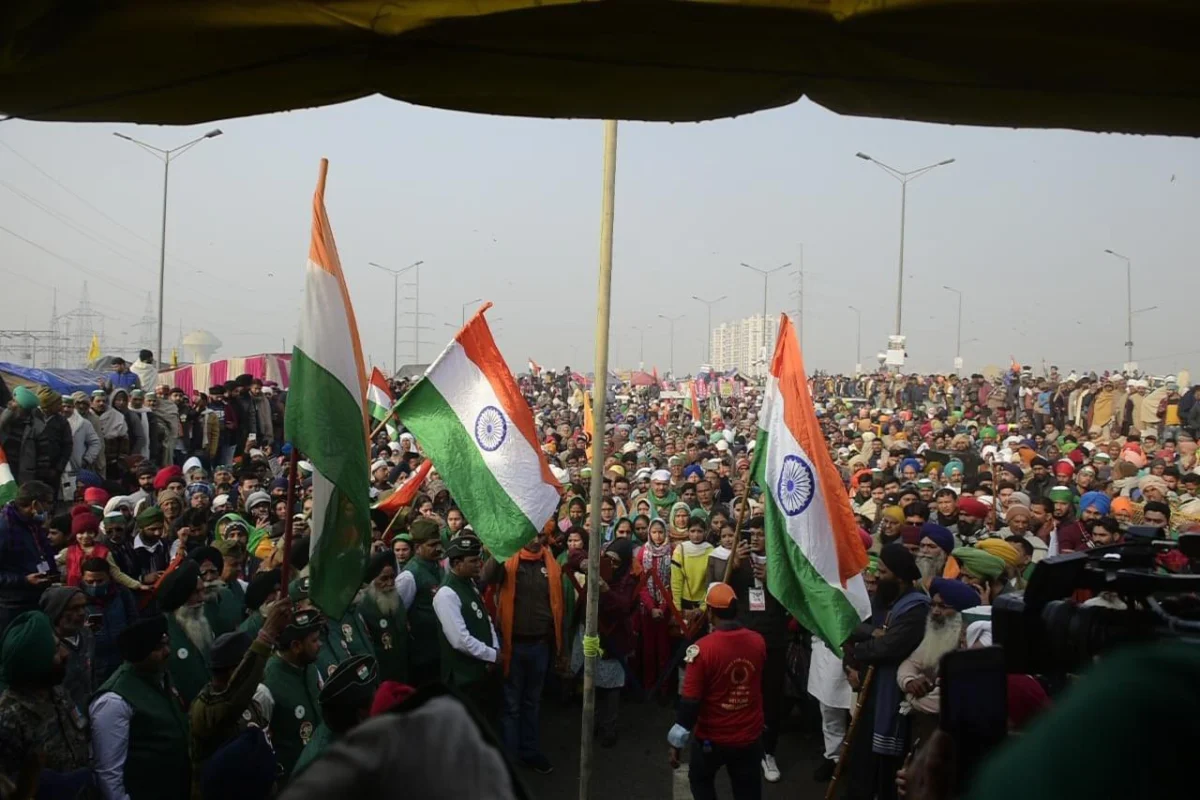
The landscape of press freedom in India faced a significant challenge on October 10 and 11, 2026, as authorities engaged in a widespread crackdown on journalists covering the Cockroach Janta Party (CJP) protests. The demonstrations, which centered on demands for the resignation of Chief Election Commissioner (CEC) Gyanesh Kumar, were met with an aggressive policing strategy that resulted in the detention of at least 37 journalists across the country, with the epicenter of the disruption located in the national capital, Delhi.
According to the Committee to Protect Journalists (CPJ), the events of these two days represent a troubling trend in the treatment of the media, characterized by arbitrary detentions, physical intimidation, and a blatant disregard for judicial directives aimed at protecting the professional sanctity of the press.
The Anatomy of the Crackdown: A Chronology
The tension began even before the protesters gathered at Jantar Mantar. In the days leading up to the October 10 demonstration, the Delhi Police’s cybercrime monitoring department reportedly issued over 200 takedown orders via the government’s ‘Sahyog’ portal. This digital offensive was a prelude to the physical containment tactics deployed on the ground.
October 10: The Initial Wave
As protests erupted in Delhi, the atmosphere quickly soured for media personnel. What was intended to be standard coverage transformed into a series of confrontations between law enforcement and the press. CPJ reports indicate that 35 journalists were detained in Delhi alone on this day. The pattern of detention was inconsistent; while reporters from established, legacy media houses were often allowed to pass through police barricades, digital journalists and independent YouTube creators found themselves facing detention, sometimes for hours.
October 11: Defying the Judiciary
The situation did not stabilize despite a clear intervention from the Supreme Court. On October 11, the apex court issued an explicit directive, stating that journalists "shall not be hindered in the discharge of their professional duties in any manner whatsoever." However, the detentions continued even after this order was publicized. The failure of ground-level police units to adhere to the Supreme Court’s mandate has raised serious questions about the chain of command and the willingness of law enforcement to respect constitutional protections for the press.
The Digital Divide: Accreditation and Bias
A central point of contention in this crisis is the differential treatment of journalists based on their medium and organizational affiliation. Police repeatedly cited the lack of Press Information Bureau (PIB) cards as grounds for detaining or turning away journalists from digital outlets.
The PIB Card Controversy
The Delhi Police’s October 5 advisory noted that they would accept identity cards issued by recognized journalists’ organizations, as well as PIB or Delhi Information and Publicity (DIP) accreditation cards. However, many independent journalists reported that even when they presented organization-issued IDs, they were still barred from covering the event.
Additional Deputy Commissioner of Police (DCP) Manjeet Sheoran defended the police’s strict gatekeeping, alleging that the lines between protesters and the press had become blurred. "Some individuals have been covering protests as journalists one day and joining them the next," Sheoran stated, suggesting that the police were attempting to filter out "activist-journalists."
Critics argue that this is a dangerous precedent. By unilaterally deciding who constitutes a "legitimate" journalist, the police are effectively exercising editorial control over who gets to document public dissent. The fact that reporters from organizations such as Reuters, Business Standard, and The Indian Express were also detained—albeit often released faster—suggests that the crackdown was not merely about accreditation, but a broad attempt to stifle the visual documentation of the protests.
Beyond the Capital: A Nationwide Pattern
While Delhi remained the primary focus, the suppression of the press extended to other states, suggesting a coordinated or systemic approach to managing the narrative.
- Ahmedabad: Alt News correspondent Kinjal was detained while attempting to report on local expressions of support for the CJP demands.
- Pune: Scroll’s Divya Aslesha was detained, further signaling that the restrictions were not limited to the national capital.
- Bengaluru: The situation turned physical. Reports from The News Minute indicate that photojournalists Pushkar V of Deccan Herald and Syed Asif of The Times of India were manhandled by police during a march.
- Targeted Violence: Perhaps the most disturbing report came from journalist Rana Ayyub, who informed the CPJ that she was struck by police with a lathi (baton) despite clearly identifying herself as a member of the press.
These incidents, coupled with the seizure of at least five phones and the transportation of journalists to holding sites up to 65 kilometers away, indicate an intent to disconnect journalists from their audience and disrupt their ability to transmit real-time updates.
The Digital Siege: MeitY and Content Moderation
The physical detentions were supported by an extensive digital censorship apparatus. The Ministry of Electronics and Information Technology (MeitY) issued an advisory on October 8—two days before the protests—mandating that social media platforms exercise "enhanced diligence" regarding content related to "ongoing public events and developments."
This advisory, which remains unpublished in the public domain, granted "authorized government agencies" the power to flag content with "potential implications for public order," requiring platforms to prioritize these requests. This move effectively outsourced censorship to private tech companies, forcing them to act as arbiters of truth under government pressure. The resulting takedowns of journalists’ and media outlets’ accounts have created a "blackout" effect, where the documentation of the protests is systematically scrubbed from the digital record.
Official Responses and Justifications
The Delhi Police have maintained that their actions were a result of "non-cooperation" from the media. A senior officer told The Hindu that many journalists were detained because they refused to move away from the protesters, thereby obstructing police operations.
"Journalism has its role, but it should not be misused," the police argued. However, the legal community and media advocacy groups remain unconvinced. The discrepancy between the police’s stated policy of allowing accredited media and the reality on the ground—where seasoned journalists with valid credentials were held for hours—suggests that the "non-cooperation" narrative may be a pretext for limiting visibility.
Implications for Democracy
The events of October 10 and 11 serve as a bellwether for the state of Indian democracy. When the police force feels empowered to ignore a Supreme Court order, and when the government utilizes administrative tools to silence digital dissent, the fundamental right to freedom of expression is imperiled.
The Erosion of Accountability
The role of the press is to act as a check on power, particularly during public demonstrations against high-ranking officials like the CEC. By detaining journalists, the authorities have not only hindered the public’s right to know but have also signaled that the coverage of state institutions is a restricted activity.
The Future of Digital Journalism
The persistent focus on denying digital journalists access is a strategic move to undermine the growth of independent media. By framing digital creators as "unauthorized" or "activists," the state seeks to delegitimize the most agile and often the most critical voices in the media ecosystem.
As the legal battles continue, the judiciary’s role will be pivotal. The Supreme Court’s October 11 order was a strong statement, but its lack of immediate enforcement on the ground suggests that judicial mandates require stronger mechanisms to ensure compliance by law enforcement agencies.
For now, the events of these two days remain a stark reminder of the precarity of journalism in India. As CPJ continues to track the fallout, the broader question remains: in a climate of increasing administrative overreach, can the press maintain its independence, or is it destined to become a tool of the state’s managed narrative?
The documentation of these events, led by outlets like MediaNama and corroborated by international bodies, provides the only objective record of a struggle that is, at its heart, about the right to bear witness.



