










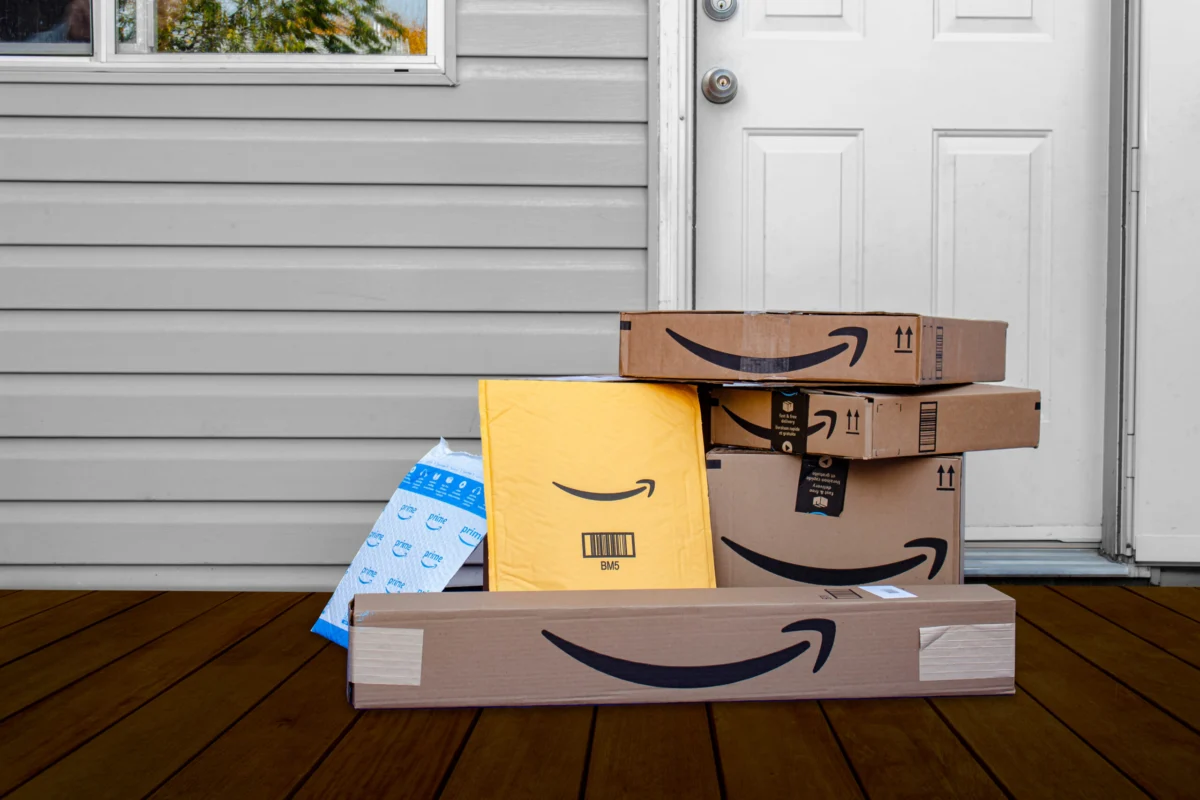
The retail landscape witnessed a significant surge in consumer activity on October 6 and 7, 2026, as Amazon’s "Prime Big Deal Days" returned, signaling an aggressive start to the year’s final quarter. According to data published by Adobe, which tracks trillions of online retail transactions, the two-day event outperformed its 2025 predecessor, reflecting both growing consumer confidence and a strategic shift in how retailers approach the pre-holiday calendar.
Main Facts: A New Benchmark for October Spending
The 2026 iteration of Amazon’s October sales event yielded a staggering $9.86 billion in total online spending across U.S. retailers. This figure represents an 8.5% year-over-year increase, a notable acceleration from the 7.3% growth recorded in 2025, when the event generated $9.09 billion.
The data, derived from Adobe’s comprehensive analysis of over 1 trillion visits to U.S. retail sites, 100 million stock-keeping units (SKUs), and 18 distinct product categories, paints a picture of a consumer base increasingly comfortable with early-season digital purchasing. Amazon, which consistently ranks No. 1 in Digital Commerce 360’s Top 2000 Database, once again served as the primary catalyst for this spending wave, effectively setting the pace for the broader e-commerce ecosystem.
Chronology: The Evolution of the October Sales Window
The two-day event, held on a Tuesday and Wednesday in both 2025 and 2026, has solidified its position as a critical "bookend" to the summer and the start of the holiday season.
- Pre-Event Strategy: In the weeks leading up to October 6, 2026, market analysts observed a deliberate uptick in promotional discounting. Retailers, wary of inflation and shifting consumer priorities, utilized these early windows to capture "first-mover" advantage.
- The Launch (Oct. 6): As the event went live, traffic patterns shifted immediately toward high-ticket electronics and seasonal staples.
- The Climax (Oct. 7): The second day saw a sustained momentum in mobile purchasing, with a late-day surge in traffic as consumers raced to capitalize on remaining inventory before the event concluded at midnight.
- The Aftermath: By October 8, the focus of the retail sector had already transitioned toward preparing supply chains for the Black Friday and Cyber Monday push, with Adobe projecting that the success of these two days would lead to an even more robust series of pre-holiday promotions throughout November.
Supporting Data: Where the Money Went
The depth of the discounts during Prime Big Deal Days—reaching a peak of 20% off listed prices—served as the primary engine for consumer spending. The impact of these price reductions was unevenly distributed, with specific categories experiencing explosive growth compared to September 2026 baselines.
Category-Specific Performance
The electronics sector was the clear victor, with overall sales rising 85% compared to September. Within this category, specific sub-sectors saw astronomical gains:
- Headphones and Speakers: Up 300%
- Smartwatches: Up 255%
- Cameras: Up 135%
- Smartphones: Up 130%
Beyond electronics, seasonal demand heavily influenced shopping behavior. With Halloween approaching, costume sales soared by 610%, while candy sales saw a 180% increase. The toy category also performed exceptionally well, growing 158%, while video games followed with a 90% increase. Personal care products, a staple of convenience-driven e-commerce, rose by 73%.
The Shift to Mobile and Alternative Payments
The method of payment and the device used for purchasing revealed significant trends in consumer behavior:
- Mobile Dominance: Purchases made on mobile devices accounted for 52.0% of all online sales, totaling approximately $5.1 billion. This represents a 12.8% year-over-year increase, proving that the convenience of mobile checkout is no longer an alternative—it is the primary channel for modern commerce.
- BNPL (Buy Now, Pay Later): The utilization of BNPL services reached new heights, facilitating 6.0% of all online orders. This translated to $692.3 million in sales, a 4.0% increase over the 2025 event. As financial flexibility remains a top priority for many households, Adobe projects that BNPL will continue to gain traction, potentially driving over $1 billion in spending on Cyber Monday (Nov. 30, 2026).
Official Perspectives and Industry Context
Industry experts point to these figures as evidence that the "Holiday Creep"—the phenomenon where retailers start holiday sales earlier each year—is now a permanent feature of the retail calendar. By pulling demand forward into early October, retailers are effectively de-risking the high-traffic weeks of late November.
Amazon’s dominance, as evidenced by its No. 1 ranking in the Digital Commerce 360 Top 2000 and its No. 3 status in the Global Online Marketplaces Database, remains the benchmark for this strategy. However, the data confirms that this is not an Amazon-exclusive phenomenon; the 8.5% total market growth indicates that competitors who align their promotional schedules with Amazon’s October event are successfully capturing a larger share of the wallet.
Implications: The Road to Cyber Monday
The 2026 Prime Big Deal Days have provided a "stress test" for the entire retail supply chain. The implications for the remainder of the year are clear:
- Consumer Sensitivity: While consumers are willing to spend, they are highly sensitive to discount depth. The 20% peak discount was a critical threshold that triggered significant conversions.
- Strategic Inventory Management: Retailers who managed to successfully clear out seasonal inventory (such as summer tech or early Halloween stock) are better positioned to dedicate warehouse space to holiday-specific goods.
- The Digital Infrastructure: With mobile transactions accounting for more than half of all spending, retailers must ensure that their mobile user experience is optimized for speed and seamless checkout. A slow-loading app or a cumbersome payment process is now directly correlated with lost revenue.
- Financial Tools as Revenue Drivers: The reliance on BNPL services underscores the necessity for retailers to integrate flexible payment options. As we head into the peak of the holiday season, the integration of these services will likely be a decisive factor in conversion rates for retailers of all sizes.
Looking Ahead
As the industry prepares for the final push, the success of this October event acts as a bellwether for the economy. Adobe’s forecast for Cyber Monday, which suggests a $1 billion contribution from BNPL alone, implies that the industry is bracing for a highly digital, highly mobile, and highly credit-dependent Q4.
For the Top 2000 retailers, the lesson is straightforward: the traditional holiday timeline is obsolete. Success in the current environment requires a proactive stance, starting in early autumn and extending through the end of the year. Whether an organization is a global marketplace giant or a niche e-commerce player, the data from October 2026 confirms that capturing the early shopper is no longer optional—it is essential for long-term growth and market relevance.
Do you represent a retailer looking to track your performance against these benchmarks? Digital Commerce 360 continues to monitor the largest North American online retailers. We invite you to submit your data to be considered for our next ranking update. Stay informed by signing up for our complimentary Retail News subscription, and follow our coverage on LinkedIn, TikTok, X, Facebook, and YouTube to stay ahead of the latest retail industry developments.



