











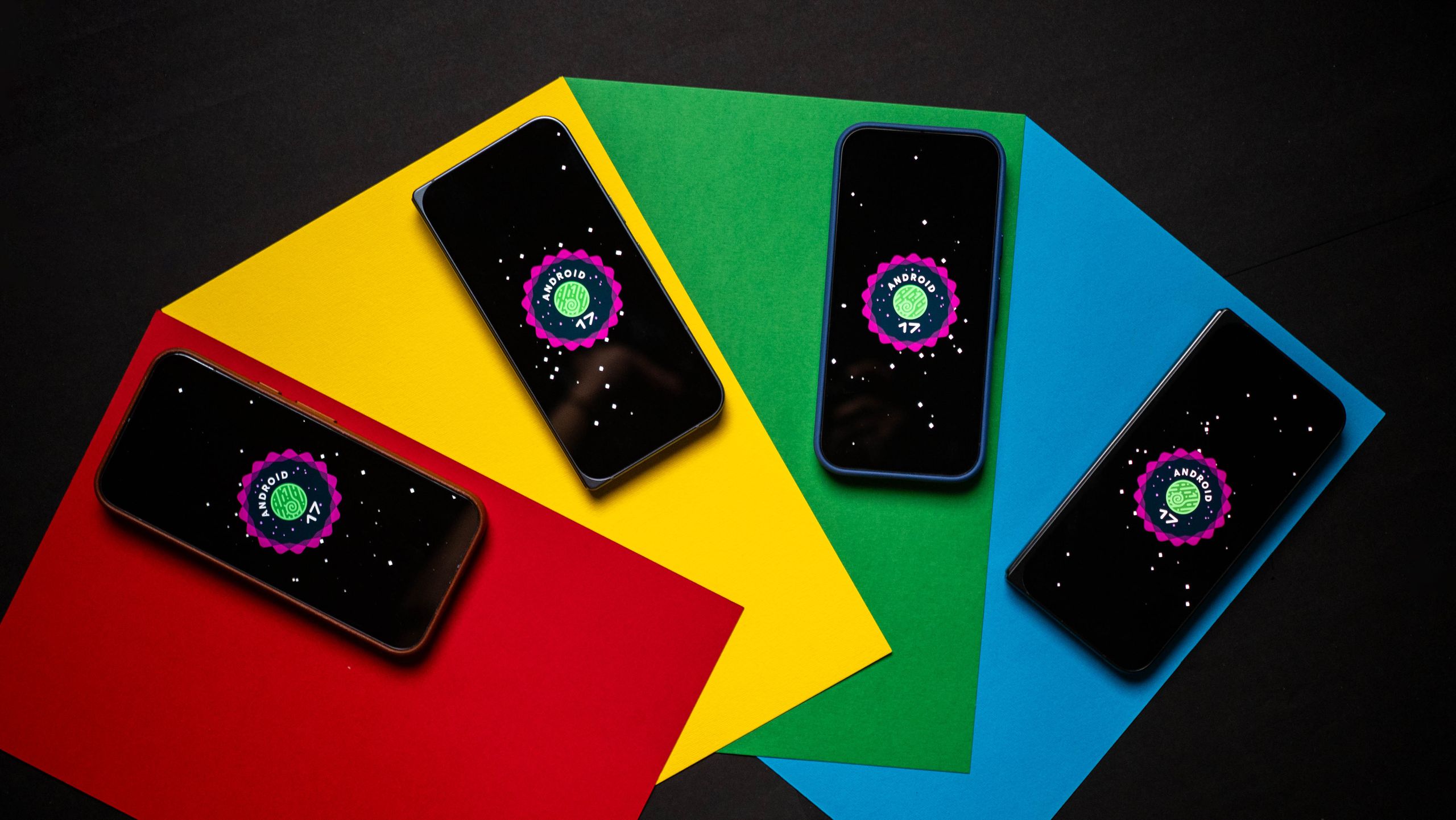
As the autumn software cycle hits its stride, Google is continuing its relentless pursuit of polish for its mobile ecosystem. The tech giant has officially rolled out its latest pre-release software for enrolled testers: Android 17 QPR2 Beta 5. Aimed squarely at ironing out lingering system instabilities, camera quirks, and casting headaches, this newest beta represents one of the final milestones before the quarterly platform drop reaches the general public.
For Pixel owners enrolled in the Android Beta Program, the update brings a targeted array of bug fixes designed to stabilize performance across a wide swath of supported hardware. While the software development kit (SDK) and APIs were locked down during the Platform Stability milestone in August, Google’s engineering teams have clearly been hard at work reviewing user telemetry and issue tracker reports to ensure a smooth final rollout.
Main Facts: What’s New in Android 17 QPR2 Beta 5
The arrival of Beta 5 brings specific build numbers depending on the user’s hardware configuration. According to Google’s official release notes shared via the Android Beta community on Reddit, testers should look out for two distinct build identifiers:
- Build vCP41.260828.005.A6: Designated for users operating a Pixel 6a, Pixel 7, Pixel 7 Pro, Pixel 7a, the original Pixel Fold, or the Pixel Tablet.
- Build vCP41.260828.004.A8: Designated for all other eligible Pixel devices in the testing pool.
The core objective of this update is remediation rather than feature expansion. Google is addressing three major pain points reported consistently by the testing community throughout the QPR2 development cycle:
- System Stability and Random Reboots: Testers frequently reported unexpected device reboots during intensive tasks, specifically when continuously scrolling through media-heavy applications. Beta 5 implements a direct patch for this behavior.
- Casting Volume Slider Failures: A frustrating bug that prevented the volume control UI from appearing when users pressed the physical side buttons while casting media to external screens has been resolved.
- Enhanced HDR Persistence: Users discovered that the enhanced HDR feature in camera settings would occasionally remain active even after being toggled off in the user interface. The new patch enforces proper setting obedience.
Chronology: The Path to Android 17 QPR2 Beta 5
To understand where Beta 5 fits into the grand scheme of Google’s software roadmap, it is helpful to look back at the timeline of the Android 17 Quarterly Platform Release (QPR2) lifecycle.
- Early Summer: Google initiates internal and early external testing for the next quarterly refresh of Android 17, gathering initial feedback on system fluidity and newly introduced visual tweaks.
- Mid-Summer: Subsequent beta drops begin focusing heavily on telemetry collection, exposing underlying memory leaks and hardware-specific glitches across older and newer Pixel lines alike—ranging from the Pixel 6 series up through newer foldables and tablets.
- Late August (Platform Stability Milestone): Android 17 QPR2 officially enters the Platform Stability phase. This is a critical juncture in Google’s annual software development pipeline. By locking in app-facing APIs and internal behavioral changes, Google signals to third-party developers that the foundation is set, allowing them to finalize their own apps for compatibility.
- Late August to Early September: Google tackles a series of stubborn bugs. Bluetooth call audio routing errors—where active calls were mistakenly routed through the phone’s built-in speaker instead of connected headsets—alongside persistent gesture navigation stutters and sporadic user interface freezes, dominate the bug reports.
- Present Day: The release of Beta 5 drops as a definitive cleanup operation, addressing the last remaining high-priority anomalies before the stable public release.
Supporting Data and Hardware Compatibility
Managing an expansive ecosystem of diverse hardware configurations is no small feat, which explains why Google segments its beta builds by specific chipset architectures and device generations.
The division between build 005.A6 and 004.A8 highlights the ongoing architectural divergence between older Tensor-powered devices (such as the Pixel 6 and 7 lineups) and more recent hardware iterations. While Google’s Project Mainline and modular system components have streamlined much of the OS update process, device-specific vendor partitions still require tailored builds to prevent regression errors.
Noteworthy Bug Fixes Tracked via Google Issue Tracker
- Issue #547457910: Focused on the enhanced HDR toggle malfunction. Users noted that high-dynamic-range processing persistently overrode manual preferences, creating inconsistent exposure in third-party app captures. Google’s latest patch enforces adherence to the user preference toggle.
- UI Scrolling Memory Management: Continuous scrolling benchmarks in media-heavy environments (social media feeds, high-resolution photo galleries) previously triggered watchdog timeouts, culminating in sudden kernel panics and device reboots. Beta 5 optimizes garbage collection and UI thread allocation during rapid rendering tasks.
Official Responses and Developer Community Feedback
The Android beta community, traditionally vocal on platforms like Reddit and the official Google Issue Tracker, has expressed cautious optimism regarding the trajectory of QPR2. While earlier iterations—particularly QPR2 Beta 4—were praised for establishing baseline reliability and introducing refined animations, testers noted that edge-case bugs continued to disrupt daily usability.
Google’s engineering representatives have emphasized that Beta 5 represents the home stretch. In developer communications accompanying the release, the team reiterated that the primary focus of this build is quality assurance. Testers are encouraged to submit bug reports exclusively through the official Android Beta Feedback app, as system logs captured during these final weeks provide crucial data points for zero-day stability patches that will accompany the final public release.
Implications for the Ecosystem
The maturation of Android 17 QPR2 carries significant implications for both everyday consumers and enterprise users within the Android ecosystem.
1. Consumer Impact
For everyday Pixel owners, the QPR2 release cycle dictates the shape of their smartphone experience for the upcoming months. By addressing deep-seated grievances like casting volume controls and unexpected reboots, Google ensures that consumer satisfaction remains high ahead of holiday hardware purchasing cycles. A stable operating system foundation is vital as users increasingly rely on their smartphones for media consumption, smart home casting, and advanced computational photography.
2. Third-Party App Developers
With Platform Stability achieved late last month and the subsequent bug fixes rolling out now, developers can build and test their applications with absolute confidence that the underlying OS APIs will not shift underneath them. This stability reduces fragmentation-related crash reports on the Google Play Store, allowing developers to focus on feature innovation rather than defensive coding.
3. Forward-Looking Hardware Readiness
As Google looks toward future hardware iterations—including ongoing developments for subsequent Pixel generations—the lessons learned from stabilizing Android 17 QPR2 directly inform how system software interacts with increasingly complex custom silicon (Tensor chips), multi-display form factors (foldables), and heterogeneous device classes (tablets).
As Beta 5 makes its way onto the devices of eager testers around the globe, the countdown to the final public release of Android 17 QPR2 has officially entered its final phase. If current trends hold, Pixel users can expect a remarkably polished and reliable experience when the stable bits land on supported devices in the near future.



