










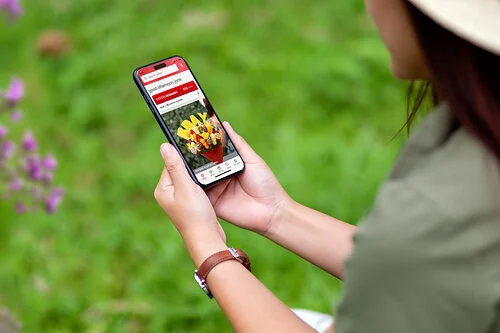
In an era where consumer loyalty is increasingly ephemeral, Edible Brands—the iconic retailer behind the Edible Arrangements franchise—is proving that a "marketplace-forward" digital strategy can bridge the gap between physical indulgence and digital convenience. Since the relaunch of its mobile application and loyalty program in late April, the company has reported significant gains in user engagement, traffic, and cross-platform conversion.
By prioritizing a seamless, intuitive user experience (UX) and implementing innovative customer acquisition campaigns, Edible Brands is effectively navigating the complexities of modern omnichannel retail. According to Erica Randerson, the company’s Chief Digital Officer, the initiative was not merely a cosmetic update but a fundamental shift in how the brand interacts with its base, aiming to simplify the gifting process from the moment of discovery through to final checkout.
The Chronology of Transformation
The journey toward this digital evolution began with a comprehensive assessment of the brand’s existing digital footprint. Recognizing that the previous iteration of their mobile application failed to capture the full breadth of their expanding product ecosystem, leadership at Edible Brands opted for a total redesign.
Late 2024 to Q1 2025: The company began strategizing for a more robust digital ecosystem, focusing on the "gift recipient" demographic. Understanding that many Edible customers are buying for others, the company sought a way to capture the data of these secondary recipients. This led to the launch of a targeted campaign in late Q1 2025, which utilized QR-coded hang tags on gifts to bridge the gap between the person who ordered the gift and the person who received it.
Late April 2026: The cornerstone of this strategy was the official relaunch of the Edible Brands mobile app on iOS and Android. This rollout was designed to integrate a new, tiered loyalty program that automatically migrated existing points and rewards, ensuring no disruption for long-term customers.
May through August 2026: Following the launch, the company entered a period of rapid adoption. During these four months, the application saw significant traction, with 160,000 new downloads and 25,000 newly created accounts. This period also served as the testing ground for the app’s new features, including advanced birthday reminders and shared gift curation lists, which were specifically engineered to reduce friction in the gifting lifecycle.
Supporting Data: By the Numbers
The metrics emerging from the Edible Brands relaunch suggest that the strategy is resonating with consumers. According to the company, mobile app traffic has surged by 200% since the April relaunch, a figure that highlights the efficacy of the new UX design.
Conversion and Retention
The conversion rate for the new app currently sits comfortably above 3%, a healthy benchmark for retail mobile applications. More importantly, the company has successfully reactivated its dormant or web-only base. Data shows that 34% of customers who transacted with the retailer via digital channels since January 2024 have migrated to the mobile app for their subsequent purchases.
"We’ve seen a lot of movement of existing customers that were not app customers convert into app customers, which is also exactly what we were hoping for," says Randerson.
Revenue Breakdown by Channel
The revenue split across Edible Brands’ digital ecosystem provides a fascinating look at how different demographics interact with the brand:
- Mobile Website: 59% of total revenue.
- Desktop Website: 36% of total revenue.
- Mobile App: 5% of total revenue.
While the app currently represents a smaller slice of the overall revenue pie, the growth in traffic suggests this will expand. Interestingly, while the Average Order Value (AOV) remains relatively consistent across all platforms, desktop users continue to command the highest AOV, suggesting that desktop remains the preferred platform for larger, more complex corporate or celebratory gifting orders.
The Gift Recipient Campaign: Capturing the "Unseen" Customer
Perhaps the most innovative aspect of the recent strategy is the "gift recipient" acquisition campaign. Traditionally, retailers know the sender but lose contact with the recipient once the gift is delivered. By placing QR codes on gift packaging that link to a landing page offering a free Dipper Fruit Cone and an additional promo code, Edible Brands has successfully created a new lead generation funnel.
Since the program’s inception, the company has captured over 175,000 new contacts. With a 10% redemption rate for the free in-store gift, the company has successfully driven foot traffic to local franchise locations. These new customers have demonstrated an AOV of approximately $62. While this is about $10 lower than the company’s overall average, the long-term lifetime value (LTV) of these new email subscribers—who can now be targeted through the new loyalty program—is expected to be significant.
Official Perspectives: The Marketplace-Forward Strategy
Erica Randerson, in her role as Chief Digital Officer, has been instrumental in articulating the company’s move toward a "marketplace-forward" model. Speaking to industry analysts, she emphasized that the new app is designed to provide a more curated, expansive product selection than traditional web interfaces.
"As you go into the Edible app today, you’re going to be introduced to a lot more products than you would necessarily even on our mobile website or our desktop website," Randerson noted. By integrating both franchise-fulfilled products and those sourced from third-party partners, Edible Brands is positioning itself not just as a fruit-arrangement provider, but as a comprehensive gifting marketplace.
This pivot toward a marketplace model is a strategic hedge against the volatility of the retail industry. By diversifying the product catalog, Edible Brands ensures that even if a customer isn’t in the market for a traditional arrangement, there is likely a partner product that suits their needs, thereby keeping the user within the app’s ecosystem.
Implications for the Future of Retail
The success of Edible Brands provides a blueprint for other mid-to-large-tier retailers ranked in the Top 1000 Database. The key takeaways for the broader industry include:
- Seamless Integration is Non-Negotiable: The automated transfer of loyalty points and user profiles ensured that the app relaunch did not alienate the most valuable customers.
- Bridging the Physical-Digital Gap: The QR code campaign on physical gift packaging represents a masterclass in O2O (Online-to-Offline and vice-versa) marketing. It effectively harvests data from a group of consumers that the company previously had no way of reaching.
- App-Centric Engagement: By offering features like birthday reminders, Edible Brands is moving beyond transactional interactions. They are inserting themselves into the customer’s personal calendar, making the brand an indispensable part of their social and gifting life.
- AI and Advanced Analytics: Ranked at No. 581 in the new AI Rankings, Edible Brands is clearly leveraging technology to refine its customer segments. The ability to personalize gift lists and curate product recommendations is a direct result of the data gathered through the new app interface.
Conclusion
Edible Brands is currently in the midst of a successful digital transformation. By focusing on the user journey—from the initial discovery on the mobile app to the conversion of gift recipients into lifetime customers—the company has managed to increase its digital footprint during a challenging economic climate.
As the company looks toward the remainder of 2026 and into 2027, the focus will likely shift toward further optimizing the AOV of app users and deepening the integration of its partner marketplace. For a brand that started by simply arranging fruit, the ability to evolve into a sophisticated, data-driven digital marketplace is a testament to the power of consistent, customer-centric innovation. The company’s ability to turn a simple gift delivery into a recurring customer relationship is a case study in how to stay relevant in a crowded, hyper-competitive e-commerce landscape.



