










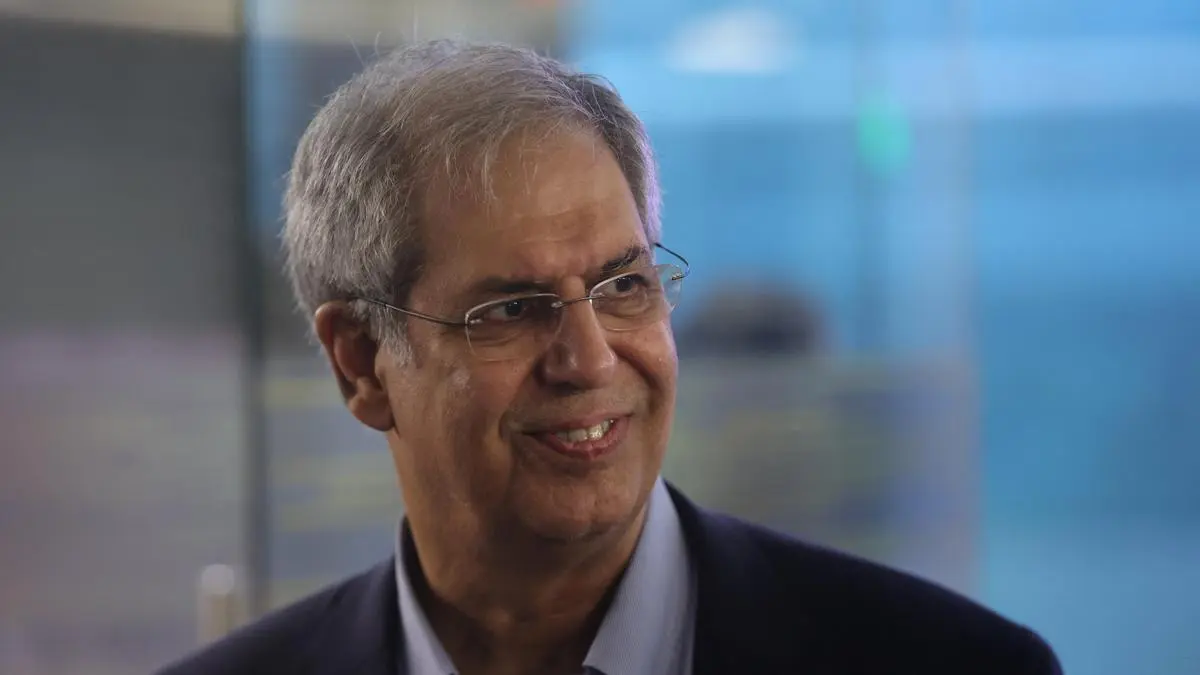
In a development that signals a potential thaw in one of India’s most protracted and high-stakes corporate disputes, Noel Tata, Chairman of Tata Trusts, has formally presented a proposal to the board of Tata Sons regarding the Shapoorji Pallonji (SP) Group’s exit from the holding company. The proposal, which seeks to monetize the SP Group’s 18% stake in Tata Sons, marks a pivotal moment in the relationship between two of India’s oldest and most influential business families.
The Proposal: A Strategic Liquidity Play
The SP Group, controlled by the Mistry family, is currently navigating a complex financial landscape, seeking to generate significant liquidity to service and restructure its outstanding debt. Under the terms presented by Noel Tata to the Tata Sons board, the transaction centers on a proposed share buyback.
The SP Group has indicated that it is looking for a minimum consideration of ₹25,000 crore for its stake. The proposed structure is intricate, favoring a two-tranche buyout strategy spread over an 18-month timeline. Crucially, the valuation of the Tata Sons shares is to be determined based on the "income tax fair value," a metric that provides a specific legal and fiscal framework for the transfer of private company equity.
To facilitate this massive transfer of capital, the SP Group has further suggested that Tata Sons initiate a selective capital reduction process via the National Company Law Tribunal (NCLT). This legal mechanism would effectively allow the company to cancel the shares held by the SP Group entities while providing the necessary compensation, thereby streamlining the exit without requiring a conventional open-market sale.
A Roadmap for Funding
Recognizing the massive capital requirement necessitated by a ₹25,000 crore payout, Noel Tata outlined several strategic avenues to the board that could facilitate the transaction. These include:

- Internal Cashflows: Leveraging the robust dividends and retained earnings generated by the diverse Tata conglomerate entities.
- Divestment of Listed Shares: Liquidating portions of Tata Sons’ holdings in its publicly traded group companies.
- Strategic Investments: Introducing new external investors into high-growth, newer business verticals.
- Selective Public Offerings (OFS): Utilizing the "offer for sale" route to list some of the newer, high-value businesses, thereby unlocking value and creating the necessary cash reserves.
Noel Tata has requested that the board formally authorize the operating teams of both Tata Sons and Tata Trusts to continue high-level negotiations with the SP Group representatives and their respective banking partners to finalize the logistics of this transition.
Chronology: A Decade of Discord
The relationship between the Tatas and the Mistrys, which once spanned decades of mutual trust and cross-holding, began to fray significantly following the ouster of Cyrus Mistry as Chairman of Tata Sons in 2016.
- October 2016: Cyrus Mistry is removed as Chairman of Tata Sons, triggering a series of legal battles regarding governance and minority shareholder rights.
- 2017–2020: The dispute moves through various judicial forums, including the NCLT and the Supreme Court of India, centering on allegations of mismanagement and oppression of minority shareholders.
- September 2020: The SP Group announces its intent to separate from Tata Sons, citing the need to raise liquidity for its debt obligations and the ongoing hostility that rendered the partnership untenable.
- March 2021: The Supreme Court of India rules in favor of Tata Sons, upholding the removal of Cyrus Mistry and setting aside an NCLAT order that had reinstated him.
- September 2026: Noel Tata brings a concrete monetization proposal to the board, suggesting that both parties are finally ready to reach a definitive financial settlement.
Supporting Data: The Value of the Stake
The 18% stake held by the SP Group is arguably one of the most valuable private shareholdings in the Indian corporate landscape. Because Tata Sons is a private holding company, its valuation is rarely transparent, making the "income tax fair value" approach a contentious point of negotiation.
Historically, the SP Group has argued that the intrinsic value of their holding—given the vast empire of TCS, Tata Motors, Tata Steel, and others—is significantly higher than what the Tata leadership has historically offered. However, the current economic climate and the SP Group’s need for deleveraging appear to have moved the needle toward a mutually acceptable price point, with the ₹25,000 crore figure serving as the baseline for current discussions.
The Role of the NCLT
The suggestion to use the NCLT for a "selective capital reduction" is a calculated legal move. By utilizing Section 66 of the Companies Act, 2013, the company can reduce its share capital with the sanction of the Tribunal. This process is often preferred in shareholder disputes because it allows for a "clean break." Once the tribunal approves the reduction and the payment is made to the SP Group, their interest in the company is extinguished, effectively ending the possibility of future litigation over minority rights or governance issues.

Implications for the Tata Group
The exit of the SP Group would represent the end of an era. For the Tata Group, the buyback would consolidate the control of Tata Trusts over the holding company, potentially simplifying the ownership structure. It would remove the "overhang" of a disgruntled shareholder who has, for nearly a decade, challenged the strategic direction of the conglomerate.
For the SP Group, this liquidity is essential. The group has been under pressure to monetize assets to reduce its debt burden. A successful, structured exit would provide the capital necessary to stabilize the group’s operations and allow the Mistry family to focus on their core construction, engineering, and infrastructure businesses.
Governance and Market Sentiment
The markets have long viewed the Tata-Mistry rift as a drag on the group’s overall governance narrative. The resolution of this dispute is likely to be viewed positively by investors. A clean exit suggests that the Tata Group is moving toward a more streamlined, centralized control model under the leadership of N. Chandrasekaran and the guidance of the Tata Trusts.
However, the challenge remains in the execution. Raising ₹25,000 crore without impacting the credit ratings or the operational liquidity of the group companies is a delicate balancing act. The proposal to bring in new investors or list new business verticals suggests that Tata Sons is looking to use this separation as an opportunity to restructure its own balance sheet and perhaps even accelerate the IPOs of some of its "new-age" businesses.
Official Responses and Next Steps
While neither the Tata Sons board nor the SP Group has issued a detailed public statement beyond the internal reports, sources close to the board indicate a sense of "cautious optimism." The authorization for the operating teams to engage with bankers signals that the proposal is not merely a suggestion but a formal strategic agenda.
The next few months will be critical. The transition will require:
- Valuation Audits: Ensuring that the income tax fair value is accepted by both the tax authorities and the shareholders.
- Financing Arrangements: Coordinating with domestic and international banks to ensure the availability of funds for the two-tranche payout.
- NCLT Filings: Preparing the legal petitions required for the capital reduction.
Conclusion: A New Chapter
If successfully executed, this agreement will mark the closure of the most significant corporate battle in modern Indian history. For the Tata Group, it is an opportunity to move beyond the boardroom drama and focus on its ambitious growth targets in semiconductors, green energy, and digital services. For the SP Group, it is a necessary pivot toward financial stability. As the legal and financial teams begin the arduous process of formalizing this exit, the Indian corporate world watches closely, awaiting the conclusion of a saga that has defined the last decade of the country’s business narrative.



