










New Delhi: In a major leap forward for the country’s high-tech manufacturing ambitions, India has attracted between $11 billion and $12 billion (approximately Rs 1 lakh crore) in fresh investment proposals under the second iteration of its flagship chip manufacturing initiative. The commitments span critical segments of the semiconductor supply chain, including specialized equipment, advanced materials, high-purity gases, essential chemicals, and semiconductor substrates.
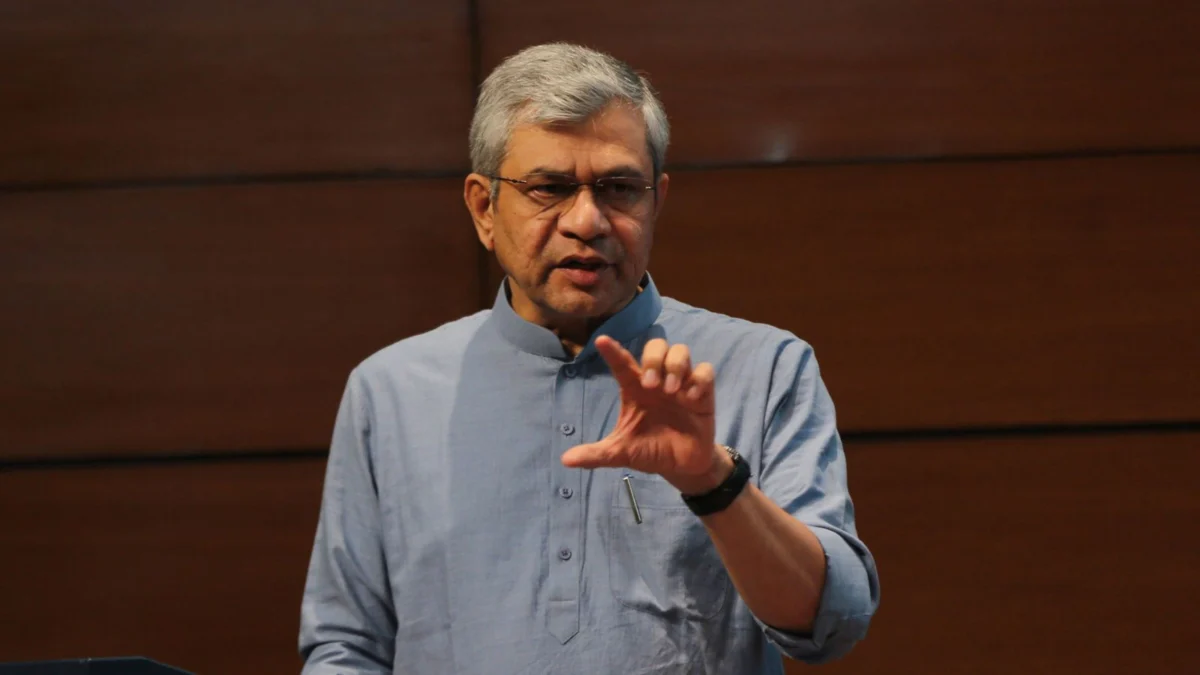
Union Electronics and IT Minister Ashwini Vaishnaw made the announcement on Thursday while addressing reporters at the high-profile Semicon India 2026 conference. The capital inflows are projected to materialize over the next two to three years, anchoring India firmly on the global semiconductor map as a trusted alternative manufacturing and supply hub.
Main Facts
The latest wave of financial commitments flows directly under the ambitious India Semiconductor Mission 2.0 (ISM 2.0), a Rs 1.27 lakh crore program designed to subsidize and support functions across the entire microchip lifecycle—ranging from chip design and localized manufacturing to assembly, testing, marking, and packaging (ATMP), alongside the broader upstream supply chain.
According to Minister Vaishnaw, while several multinational corporations have committed capital, many have requested anonymity pending final corporate approvals from their respective boards of directors and shareholders.
Simultaneously, global semiconductor heavyweights utilized the Semicon India 2026 platform to announce monumental individual investments:
- Applied Materials unveiled its India Vision 2035, committing $5 billion over the next decade toward extensive research and development (R&D), supply chain integration, and regional workforce development. The company also announced plans for a sprawling 140-acre advanced semiconductor research park to scale its domestic capacity tenfold by 2035.
- Lam Research announced a capital expenditure of roughly Rs 10,000 crore over the next several years to construct its maiden silicon-component manufacturing plant in India, alongside expanding advanced R&D operations.
- Tata Electronics spearheaded domestic industrial momentum by signing strategic pacts with Singapore-based industrial real estate developer Ascendas First Space to build a massive 363-acre vendor park in Dholera, Gujarat. The park will supply its upcoming semiconductor fabrication facility. Additionally, Tata inked partnerships with Japanese firms Fujifilm (for critical material localization) and JSR Corporation (for photoresists and advanced photochemicals).
Chronology of India’s Chip Manufacturing Evolution
The journey toward establishing a self-reliant semiconductor ecosystem in India has accelerated over the past decade through structured policy interventions:
- 2017–2021 (The Reliance on Imports): India experienced an explosive growth in semiconductor imports, with a Compound Annual Growth Rate (CAGR) of 23%. Cumulative spending on foreign semiconductor products touched nearly $150 billion, exposing severe vulnerabilities in national supply chain security and draining foreign exchange reserves.
- Dec 2021 (The Genesis – ISM 1.0): Recognizing semiconductors as a cornerstone of modern national security and economic growth, the Union Cabinet cleared the initial India Semiconductor Mission with an outlay of Rs 76,000 crore to incentivize domestic fabrication and packaging units.
- 2022–2025 (Initial Groundwork): Groundbreakings for initial projects began, including partnerships and joint ventures in Gujarat and Assam. However, policymakers realized the critical gap wasn’t just fabrication (fabs), but the entire upstream ecosystem—equipment, specialty gases, chemicals, and precision substrates.
- 2025–2026 (Launch of ISM 2.0 & Semicon India 2026): To address foundational gaps, the government rolled out ISM 2.0 with an enhanced allocation of Rs 1.27 lakh crore. This paved the way for the massive $11–12 billion supply-chain investment announcements witnessed at Semicon India 2026, alongside multi-billion-dollar corporate commitments from Applied Materials and Lam Research.
Supporting Data & Economic Projections
The urgency driving New Delhi’s aggressive policy push is rooted in stark economic projections regarding domestic and global demand patterns.
Demand Surge and Import Trajectory
- Current Status: Domestic semiconductor manufacturing remains at a relatively nascent stage, forcing the country to rely heavily on imports to fuel its booming electronics, automotive, and telecommunications sectors.
- Future Demand Projections: India’s semiconductor consumption is projected to skyrocket, reaching $110 billion by Fiscal Year 2030 (FY30) and surging past $200 billion by FY35.
- The Import Threat: Without aggressive domestic substitution, rising demand threatens to push annual semiconductor imports to a staggering $240 billion by 2035, up from historical baselines. This macroeconomic reality cements comprehensive domestic semiconductor manufacturing as an urgent national priority.
Capital Breakdown of ISM 2.0
- Total Outlay: Rs 1.27 lakh crore.
- Target Segments: Fab manufacturing, ATMP facilities, design infrastructure, and the foundational material supply chain (gases, chemicals, silicon ingots, and equipment manufacturing).
- New Pipeline Inflows: $11–12 billion (~Rs 1 lakh crore) currently locked in private proposals awaiting final board clearances.
Official Responses and Strategic Perspectives
Union Minister Ashwini Vaishnaw emphasized that India’s growth model is designed to integrate seamlessly into trusted global supply chains. Addressing the press, Vaishnaw remarked:
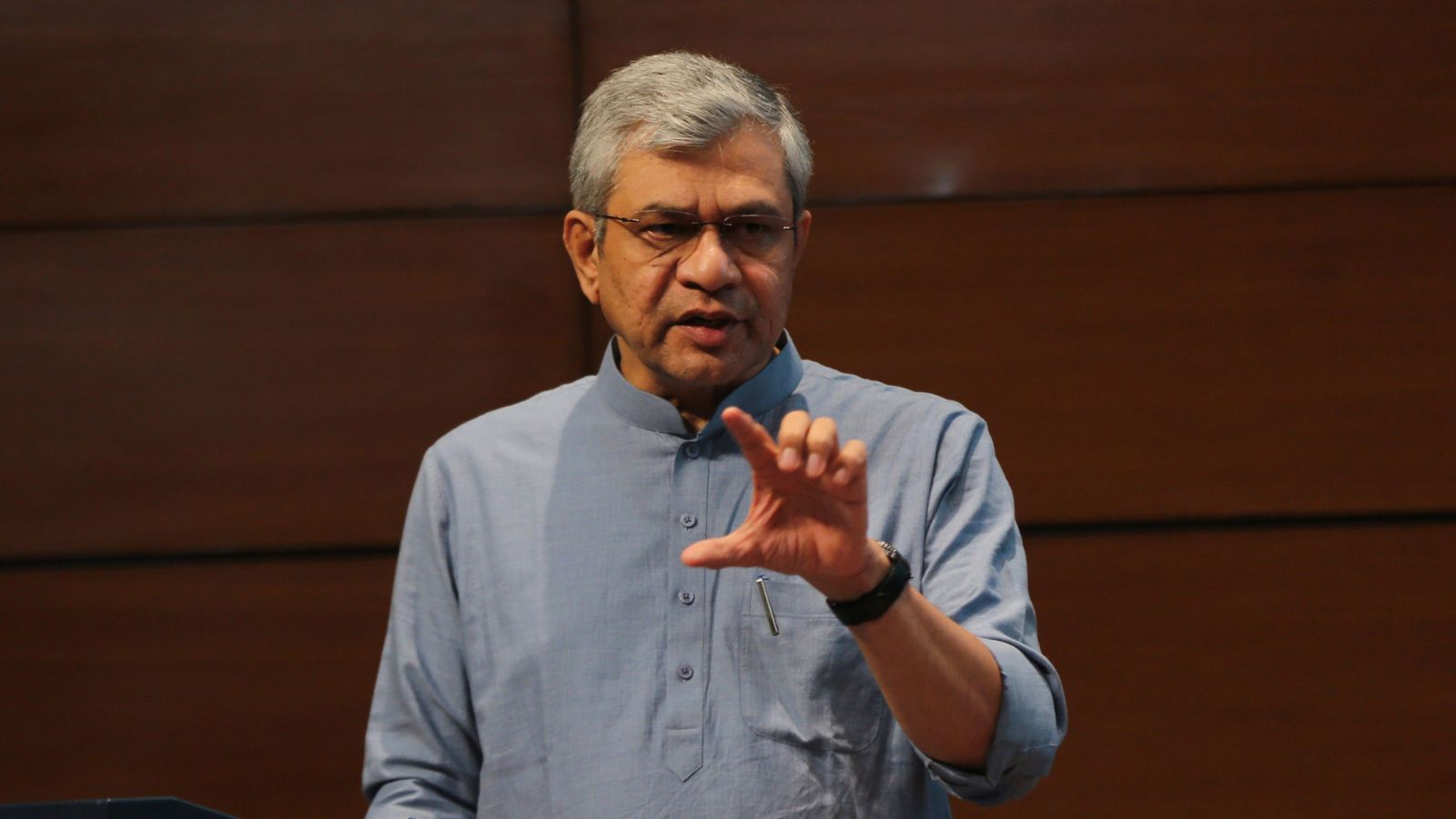
"The investment numbers that we are seeing today are of the order of Rs 1 lakh crore, or about $11-12 billion. Many of them don’t want us to take their names, but they will make those investment announcements after approvals from their board and shareholders."
Industry leaders echoed the government’s optimism, noting that India’s vast pool of engineering talent, combined with targeted government incentives, makes it an ideal destination for de-risking global technology supply chains. Executives from Applied Materials highlighted that their India Vision 2035 is not merely about setting up commercial outposts, but about fostering a deep, self-sustaining innovation hub capable of designing next-generation silicon architectures locally.
Furthermore, domestic conglomerates are playing a pivotal role. By collaborating with global chemical and material leaders such as Fujifilm and JSR Corporation, companies like Tata Electronics are ensuring that the upcoming Dholera ecosystem will not suffer from logistic bottlenecks or material scarcities, effectively localizing the highly complex chemical supply chain required for sub-nanometer chip fabrication.
Geopolitical and Economic Implications
The convergence of $12 billion in new supply-chain commitments and major facility rollouts carries profound geopolitical and economic implications for India:
1. De-Risking Global Supply Chains
As geopolitical tensions and supply-chain fragilities expose the vulnerabilities of concentrated manufacturing hubs in East Asia, global technology firms are actively pursuing a "China Plus One" diversification strategy. India’s aggressive fiscal incentives, large engineering workforce, and massive domestic market position it as a prime beneficiary of this global realignment.
2. High-Value Job Creation and R&D Capabilities
The shift from simple assembly to advanced silicon ingot production, chemical localization, and specialized R&D (such as Applied Materials’ 140-acre research park) signals a qualitative upgrade in India’s technological capabilities. These projects will generate tens of thousands of high-paying jobs for specialized material scientists, chemical engineers, and VLSI (Very Large-Scale Integration) design professionals.
3. Long-Term Macroeconomic Stability
By successfully anchoring domestic fabrication and upstream material production, India can curb its ballooning import bill. Mitigating the projected $240 billion import burden by 2035 will protect the national economy against external supply shocks, stabilize foreign exchange reserves, and transform India from a pure consumer of electronics into a net exporter of high-tech foundational components.
As implementation proceeds over the next two to three years, the success of ISM 2.0 will likely determine whether India can successfully transition from a digital services powerhouse to an undisputed heavyweight in hardware manufacturing and advanced semiconductor engineering.



