In an era defined by the rapid ascent of generative AI and agentic workflows, the definition of corporate success is shifting. Microsoft is championing a new organizational paradigm: the "Frontier Firm." This concept envisions a workplace where human expertise, judgment, and context are seamlessly augmented by technology, allowing organizations to solve complex, global-scale challenges. However, the realization of this vision is fundamentally tethered to a physical reality—the need for a new generation of "frontier infrastructure."
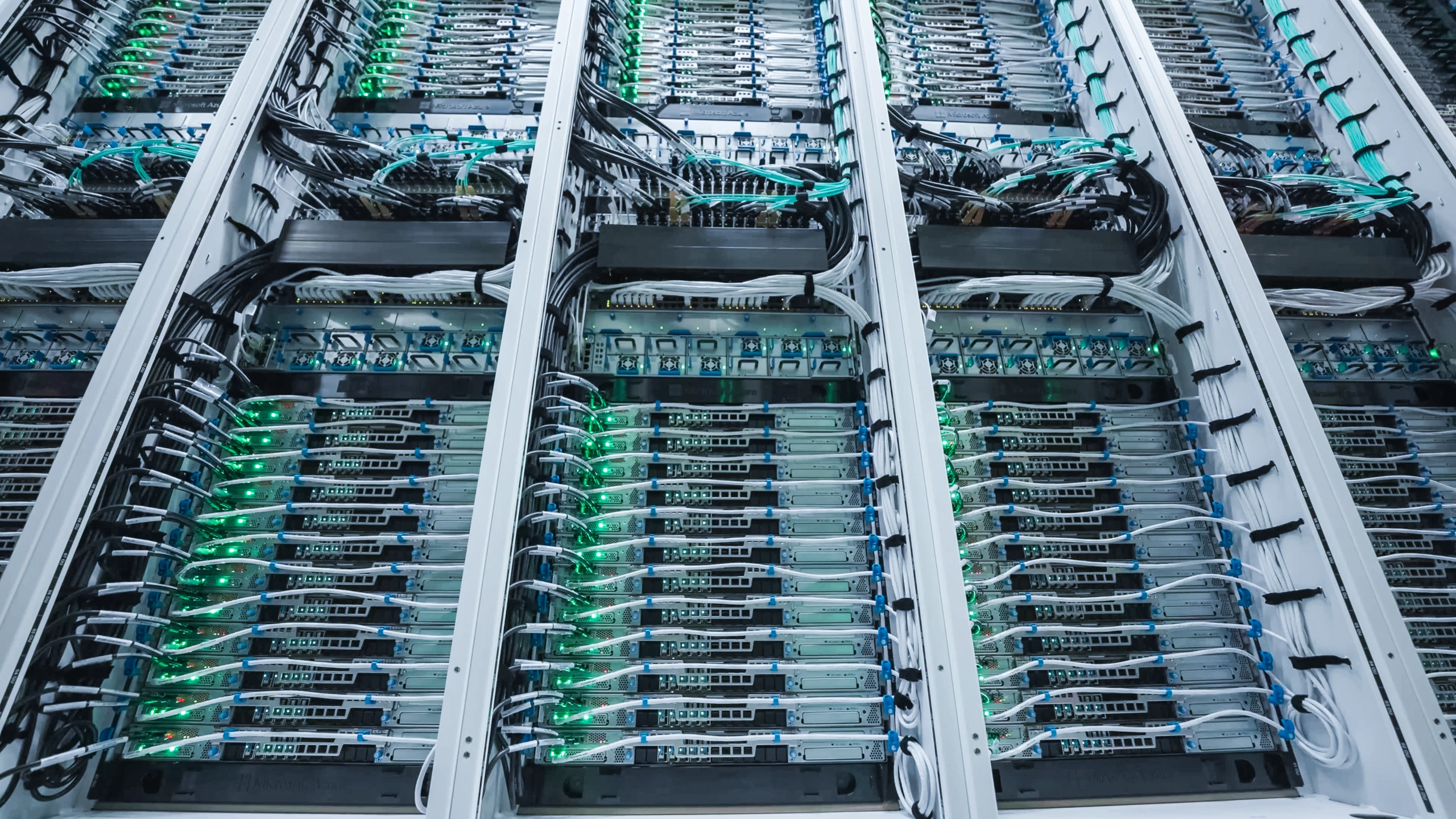
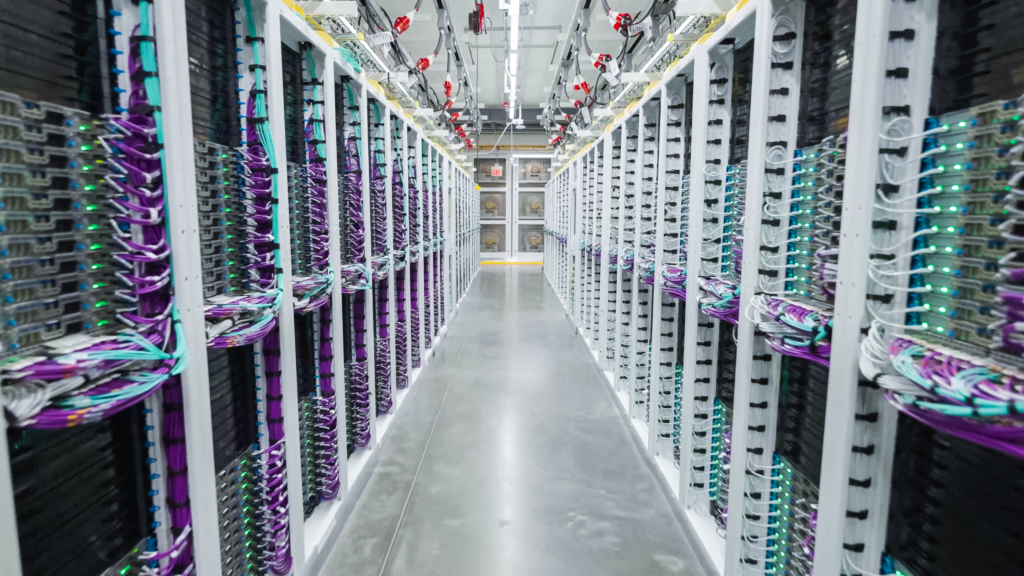
As Microsoft continues to scale its AI ambitions, it is moving beyond mere software development to redefine the very foundations of cloud computing. Through a holistic, full-stack approach that encompasses custom silicon, power delivery, cooling systems, and open-source networking, Microsoft is building the engine for the next phase of Super Intelligence.
The Evolution of AI Infrastructure: A Chronology of Innovation
Microsoft’s journey toward its current infrastructure strategy has been one of iterative, vertical integration. The path from general-purpose cloud computing to specialized AI acceleration did not happen overnight.
- Pre-2023: Microsoft relied heavily on industry-standard, off-the-shelf GPU and CPU configurations, realizing that the exponential growth of AI models would soon outpace the efficiency limits of commodity hardware.
- Late 2023: The announcement of the Maia and Cobalt series signaled a departure from reliance on external silicon providers. Microsoft began "designing in the loop"—a philosophy where silicon is architected alongside the specific production workloads (Teams, Copilot, Azure) it is intended to run.
- 2025: The deployment of the Maia 200 series across the United States, Europe, and Australia validated the efficacy of this custom-silicon approach, delivering significant efficiency gains for internal AI services.
- 2026: The OCP Global Summit serves as the launchpad for the next wave of infrastructure. Microsoft is now introducing the Maia 300, the Cobalt 200, and a suite of open-source initiatives like Tessera Integrated HSM, signaling a move toward a more modular, high-voltage, and secure AI fabric.
Silicon in the Loop: The Engine Room of Inference
As the industry pivots from model training to inference, the demands on hardware have changed. Inference is no longer just about raw power; it is about latency, cost, and the ability to handle multi-step, agentic tasks.
The Maia 300 Accelerator
The Azure Maia 300 is designed specifically for these "emerging" AI workloads. Unlike training-focused chips, which prioritize throughput over latency, the Maia 300 is optimized for long-context reasoning and sustained agentic interaction. According to Microsoft, the system is expected to deliver a 40% increase in tokens per watt compared to leading GPU-based systems. In a full-scale 96-accelerator rack configuration, the Maia 300 provides up to seven times the token throughput of its predecessor, the Maia 200.
The Cobalt 200: An Agent-Native CPU
While accelerators handle the heavy lifting of tensor math, agentic workloads place a massive burden on the CPU. Every AI agent interaction requires complex orchestration, data retrieval, and memory management. The Cobalt 200 is built to address this, delivering a 50% performance improvement over the Cobalt 100. Most importantly for the user experience, it reduces agent call latency by 33%, ensuring that AI assistants feel responsive rather than sluggish.
Supporting Data: Efficiency and Performance Metrics
The shift toward custom silicon is driven by hard data. Microsoft’s strategy hinges on the belief that software-defined hardware is the only way to achieve sustainable growth.
- Token Throughput: The Maia 200 series, currently in deployment, is already providing 1.7x more tokens per watt for Copilot and Teams workloads compared to industry-leading GPU infrastructure.
- Networking Efficiency: Through the Multipath Reliable Connection (MRC) architecture, Microsoft is rethinking Ethernet to scale beyond 100,000 GPUs. This architecture minimizes congestion and failure points, reducing the power and cost overheads typically associated with massive AI clusters.
- Security Performance: The Azure Boost Data Processing Unit (DPU) moves networking and security overhead off the CPU, resulting in a 4x increase in performance while simultaneously lowering power consumption.
Official Perspectives: The Open Compute Foundation and Collaboration
Microsoft’s strategy is not one of proprietary isolation. Instead, the company is doubling down on its partnership with the Open Compute Project (OCP) Foundation. The logic is clear: to scale infrastructure globally, the industry must move toward standardized interfaces.
"Compute creates intelligence, but networks make it usable at scale," noted an infrastructure lead at Microsoft during the recent OCP briefings. By spearheading the "Ethernet for Scale-Up Networking" (ESUN) workstream, which includes over 175 organizations, Microsoft is ensuring that its innovations—like the Optical Compute Interconnect (OCI)—become industry standards. This prevents vendor lock-in and allows the entire ecosystem to move faster.
Rethinking the Foundation: Power and Cooling
The most overlooked aspect of AI growth is the physical infrastructure of the datacenter. The energy demands of modern AI are forcing a transition to 800-volt direct current (VDC) power architectures.
Mt. Diablo and Power Delivery
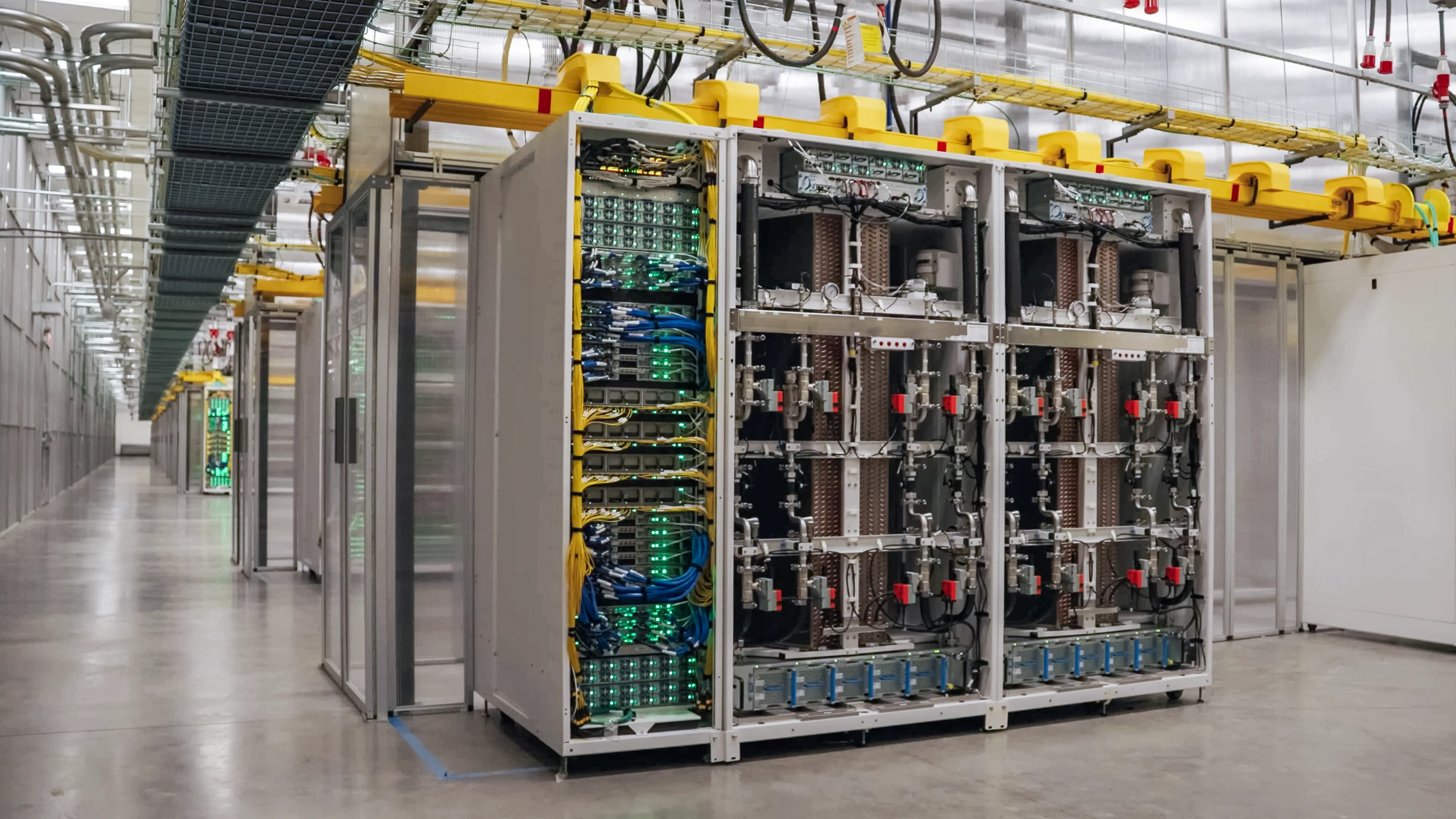
Microsoft’s "Mt. Diablo" architecture represents a radical departure from traditional power delivery. By separating power conversion from the compute rack, Microsoft allows for independent scaling. This modular approach supports loads from 100 kilowatts to over one megawatt, providing the flexibility needed for future, more dense server racks.
The Cooling Revolution: Mt. Atlas
Cooling is now a first-class design consideration. The third-generation Azure Heat Exchanger Unit, "Mt. Atlas," doubles cooling capacity while maintaining the same operational footprint as its predecessor. At the facility level, Microsoft is implementing "zonal cooling," a strategy that uses multiple independent water loops to cater to the specific thermal profiles of liquid-cooled accelerators versus air-cooled components.
Implications: A New Era of Security and Sustainability
The implications of these developments are twofold: the democratization of high-security AI and a massive shift in environmental responsibility.
The Tessera Integrated HSM
Security is often an afterthought in hardware design, but Microsoft is changing this with the Tessera Integrated HSM. By open-sourcing the architecture, specifications, and protocols for its hardware security modules, Microsoft is inviting the industry to participate in a shared security foundation. This is critical as quantum computing threatens traditional cryptographic standards; keeping keys protected within a hardware security boundary, rather than in application memory, is a non-negotiable requirement for the future of enterprise cloud.
The 2030 Sustainability Commitment
Microsoft’s infrastructure strategy is directly mapped to its 2030 goals: to be carbon negative, water positive, and zero waste. From the use of low-embodied-carbon steel and concrete to the recycling of 90% of server components via "Circular Centers," the company is acknowledging that the environmental cost of AI is a risk that must be mitigated.
Conclusion: Building the Frontier Together
The vision of the "Frontier Firm" is a collaborative one. By uniting silicon, networking, power, and cooling into a single, cohesive, and open-source-friendly stack, Microsoft is attempting to solve the "complexity problem" for its customers. The company recognizes that organizations do not want to manage the intricacies of massive-scale hardware; they want a platform that is reliable, secure, and ready to deploy.
As Microsoft moves toward the future, the message to the global community is clear: innovation at the frontier is not a solo pursuit. By advancing open interfaces and sharing the lessons learned from operating at the largest scale, Microsoft is ensuring that the intelligence of the next decade is accessible, affordable, and—above all—sustainable. The OCP Global Summit 2026 marks the beginning of this new chapter, where the infrastructure of the future is no longer just a blueprint, but a reality being built in datacenters across the globe.