Introduction: A New Era for WordPress Publishing
The release of a new default WordPress theme is always a significant milestone in the broader web development ecosystem, but the arrival of Twenty Twenty-Five marks a truly pivotal moment in the platform’s history. Developed and supported collectively by the global WordPress community, this flagship theme has rapidly ascended to monumental popularity, crossing the threshold of over one million active installations in remarkably short order.
Designed to embody simplicity, versatility, and adaptability, Twenty Twenty-Five is much more than just a fresh coat of paint for content creators. It represents the maturation of WordPress’s Full Site Editing (FSE) paradigm, offering an expansive suite of flexible design tools, pre-built block patterns, and sophisticated layout options. Whether deployed for personal blogging, professional portfolios, high-volume online magazines, or enterprise business websites, the theme provides a robust canvas tailored to modern digital publishing demands.
In this comprehensive report, we explore the core architecture, design philosophy, feature set, community impact, and broader implications of the Twenty Twenty-Five theme on the contemporary web development landscape.
Main Facts: What Defines Twenty Twenty-Five?
To understand why Twenty Twenty-Five has captured the attention of over a million site administrators worldwide, one must examine its foundational pillars. The theme is engineered around several core specifications that prioritize user agency, aesthetic diversity, and technical inclusivity.
Core Design Philosophy
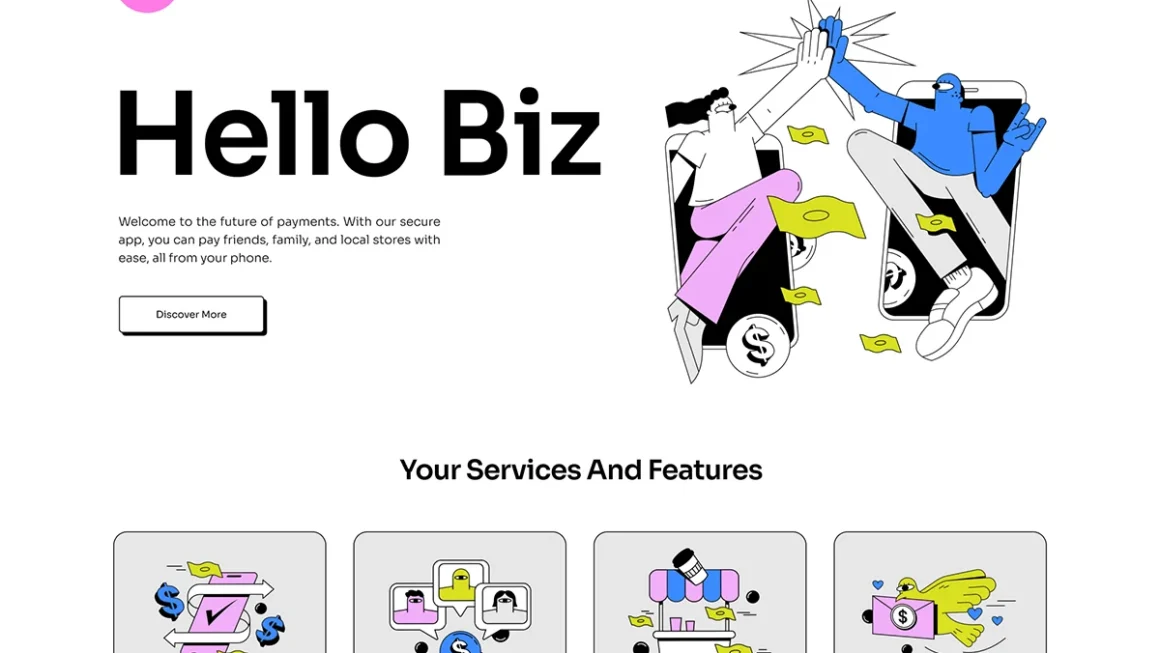
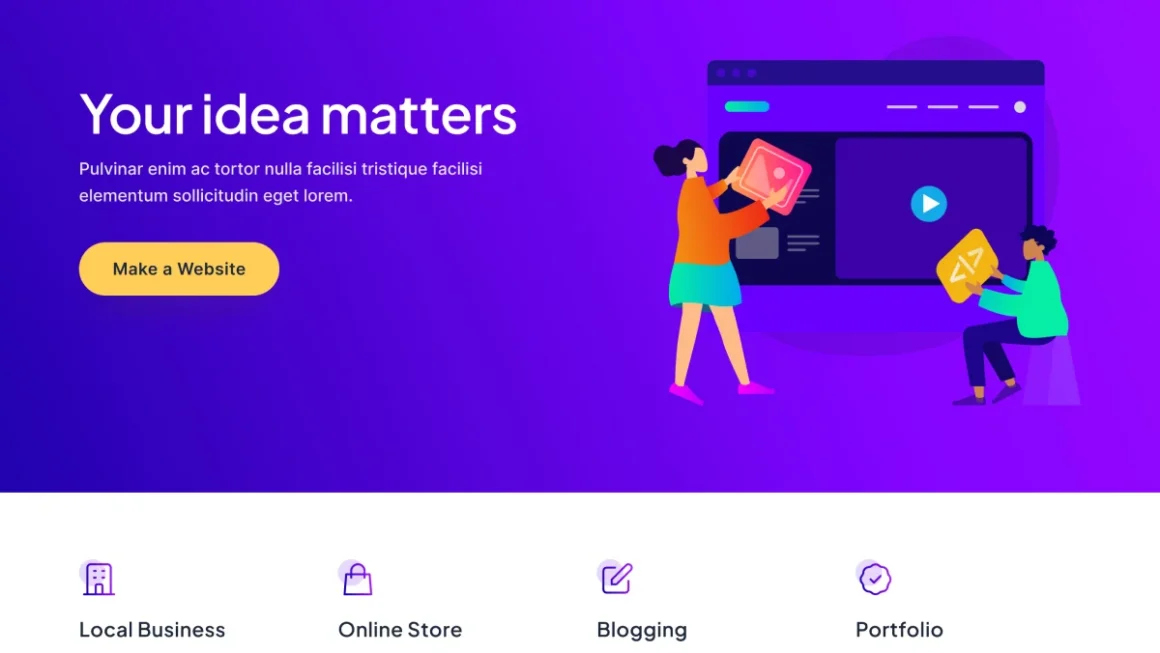
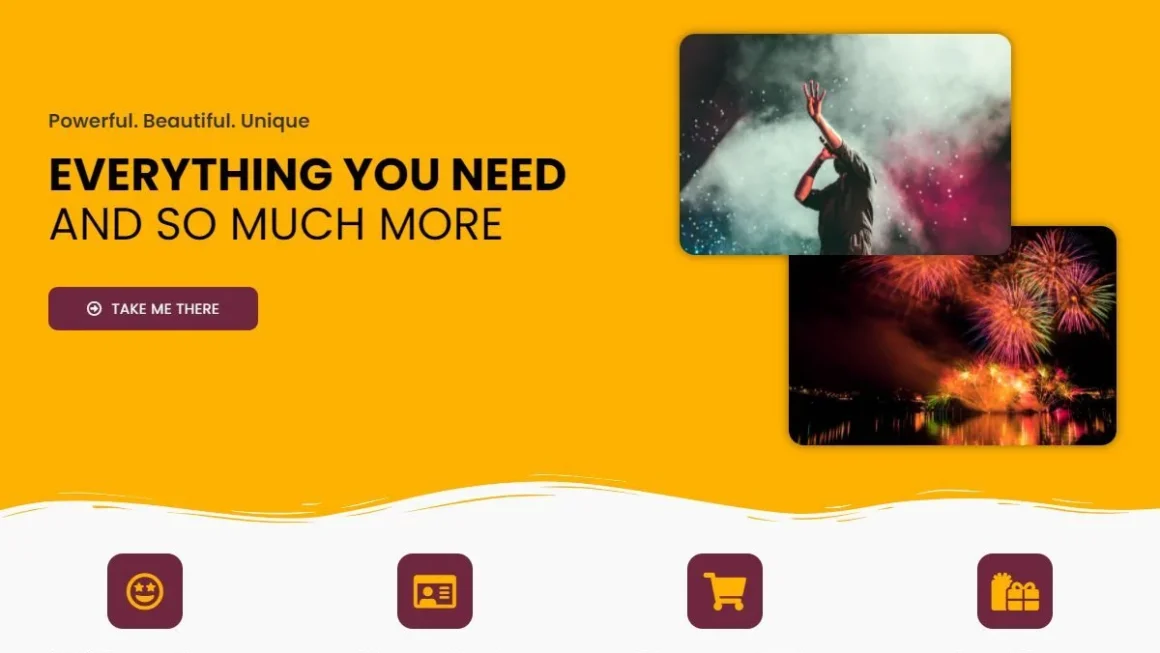
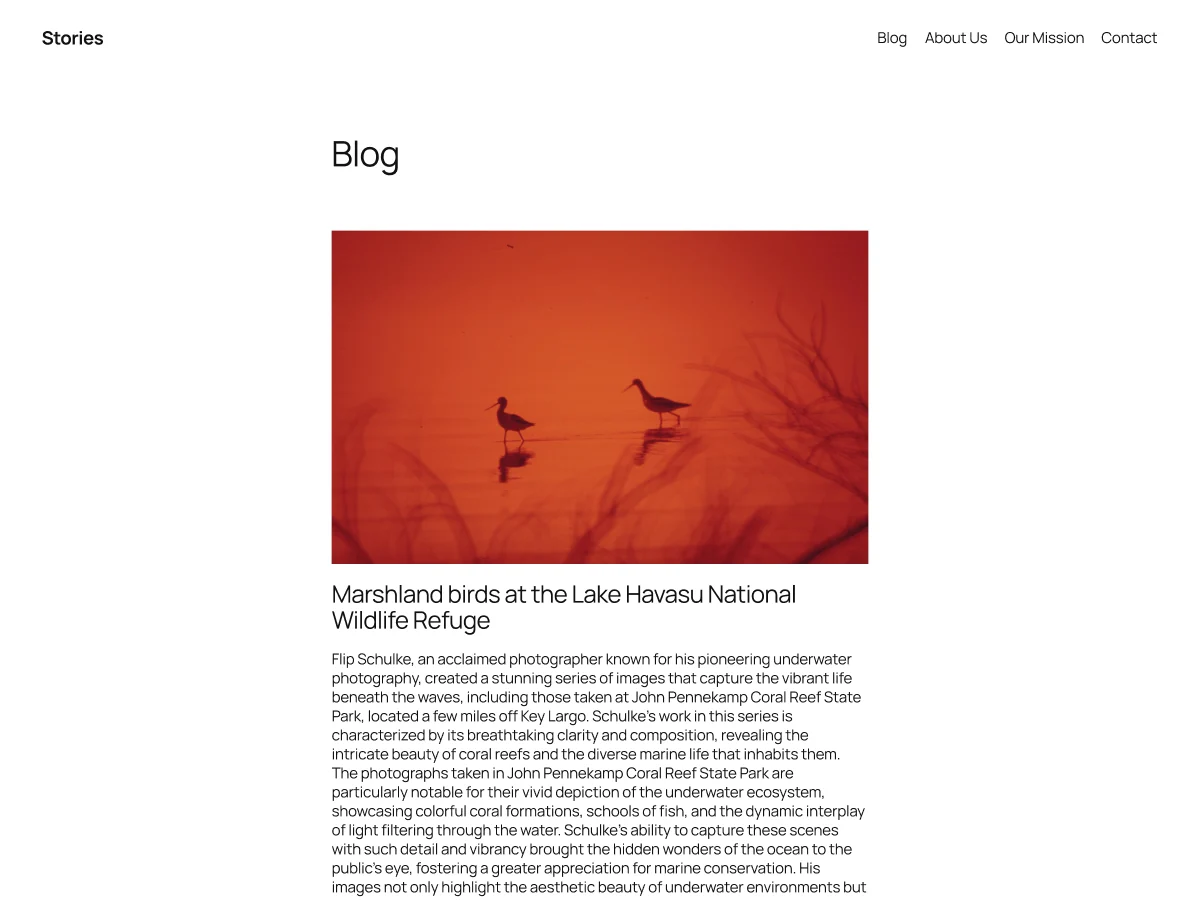
At its heart, Twenty Twenty-Five emphasizes minimalist elegance coupled with maximum flexibility. The theme moves away from rigid, one-size-fits-all layouts, instead providing a modular approach through the WordPress block editor. It offers a rich variety of patterns tailored for specific page types—ranging from dedicated service pages to high-converting landing pages. This flexibility ensures that users can craft highly specialized digital experiences without needing to write custom code or rely heavily on third-party page builders.
Typographical and Visual Versatility
Modern web design demands localized typography and adaptable color schemes. Twenty Twenty-Five addresses this by offering international typography support and diverse color palettes. This ensures optimal readability and visual harmony across various writing systems and linguistic structures. Accompanied by 16 distinct style variations, the theme allows site owners to completely transform their website’s aesthetic mood with a single click, shifting seamlessly from stark, text-focused editorial layouts to vibrant, image-heavy showcases.
Comprehensive Feature Ecosystem
As a native block theme, Twenty Twenty-Five leverages the full power of WordPress Full Site Editing. Its feature manifest includes:
- Accessibility Ready: Built to meet high standards of web accessibility, ensuring usability for visitors with diverse physical and cognitive needs.
- Block Editor Patterns & Styles: Extensive out-of-the-box layout combinations designed to accelerate site creation.
- RTL Language Support: Native compatibility for Right-to-Left writing systems such as Arabic, Persian, and Hebrew.
- Translation Readiness: Fully localized for dozens of languages worldwide, reflecting its community-driven ethos.
- Wide Blocks Support: Optimized for modern widescreen displays, enabling cinematic, immersive visual storytelling.
Chronology: The Journey to One Million Active Installations
The development and adoption of a default WordPress theme do not happen in a vacuum; they follow a meticulous lifecycle of community collaboration, rigorous testing, iterative refinement, and widespread global deployment.
Phase 1: Conceptualization and Community Ideation
Long before its official release, the framework for Twenty Twenty-Five was shaped by open discussions within the WordPress community, specifically driven by core contributors, theme developers, and designers. The overarching goal was clear: create a default theme that feels lightweight yet powerful enough to handle complex editorial and commercial workflows. Discussions focused heavily on refining the Full Site Editing experience, improving pattern discoverability, and ensuring that users of all technical skill levels could build compelling websites effortlessly.
Phase 2: Beta Testing and Iterative Development
During the development cycles, the theme underwent extensive community testing. Contributors scrutinized its block patterns, responsive behavior on mobile devices, and performance benchmarks. Feedback loops on platforms like GitHub and the Make WordPress Themes blog guided adjustments to spacing, typography hierarchies, and color contrast ratios. This collaborative development model ensured that Twenty Twenty-Five was battle-tested prior to its official debut, minimizing bugs and maximizing compatibility with core WordPress updates.
Phase 3: Official Launch and Rapid Adoption
Upon its release, Twenty Twenty-Five was immediately integrated into the WordPress ecosystem as the default theme for new installations. The response from the global community was swift. Within a remarkably brief timeframe, active installations surged past the one million milestone, placing it among the most rapidly adopted default themes in WordPress history. This rapid uptake underscores a growing developer and user confidence in native block themes as viable, high-performance alternatives to traditional, monolithic premium themes.
Supporting Data: Analytics, Features, and Global Reach
A quantitative analysis of Twenty Twenty-Five reveals the sheer scale of its deployment and the depth of its feature integration.
Usage and Engagement Metrics
- Active Installations: 1+ Million
- Style Variations Available: 16 unique visual configurations
- Translation Ecosystem: Available in over 40 distinct languages and regional variants
Language and Localization Breakdown
Reflecting its status as a truly global project, Twenty Twenty-Five has been translated into an expansive array of languages, ensuring that non-English speakers can deploy the theme natively. Supported localizations include, but are not limited to:
- European Languages: German (Standard, Austrian, and Swiss variants), French, Spanish (including Chilean and Mexican regional adaptations), Italian, Polish, Dutch, Swedish, Norwegian (Bokmål), Danish, Finnish, Estonian, Latvian, Albanian, Welsh, and Catalan (including Valencian).
- Middle Eastern & South Asian Languages: Arabic, Persian, Kurdish, Hebrew, Gujarati, Malayalam, Marathi, and Urdu.
- East Asian & Southeast Asian Languages: Japanese, Korean, Simplified Chinese, Traditional Chinese, Vietnamese, and Lao.
This extensive linguistic support is maintained through the collaborative efforts of volunteer translators on translate.wordpress.org, highlighting the collaborative community spirit that underpins the entire WordPress project.
Official Responses and Community Feedback
The reception of Twenty Twenty-Five within the broader WordPress ecosystem has generated significant discussion across support forums, developer blogs, and community meetups.
Developer and Designer Perspectives
Designers have lauded the theme for its embrace of whitespace, sophisticated typography pairings, and the sheer utility of its 16 style variations. By offering varied aesthetics out of the box, the theme empowers users to experiment with distinct visual brand identities without being locked into a rigid stylistic template. Furthermore, developers appreciate the clean, standards-compliant code structure, which makes child-theming and custom block development straightforward and maintainable.
User Support and Engagement
The WordPress support forum dedicated to Twenty Twenty-Five has served as a dynamic hub for user troubleshooting, feature requests, and community assistance. While transitioning to block-based full-site editing can occasionally present a learning curve for beginners transitioning from legacy classic themes, the robust collection of pre-built patterns and extensive documentation has significantly smoothed the onboarding process. Users frequently highlight the theme’s adaptability—noting how effortlessly it transitions from a minimalist personal journal to a high-end corporate portfolio.
For those encountering bugs, edge-case styling conflicts, or accessibility concerns, the Make WordPress Themes reporting infrastructure provides a direct channel to log issues, ensuring that the theme continues to receive ongoing maintenance and security patches from the community development team.
Implications: What Twenty Twenty-Five Means for the Future of Web Publishing
The runaway success and architectural design of Twenty Twenty-Five carry profound implications for the future of WordPress, web development standards, and content creation as a whole.
1. Solidifying Full Site Editing as the Industry Standard
For years, the debate surrounding WordPress Full Site Editing centered on its adoption curve and whether native block themes could truly compete with established third-party page builders like Elementor, Divi, or Beaver Builder. Twenty Twenty-Five serves as definitive proof that native FSE has matured. By offering high performance, deep customization, and intuitive visual editing without the bloat of external plugins, the theme sets a high benchmark for what native WordPress publishing can achieve.
2. Democratizing Professional Design
In the past, achieving a polished, modern aesthetic often required hiring a professional designer or purchasing expensive commercial themes. By packaging 16 distinct style variations, accessibility-ready frameworks, and versatile block patterns into a free, community-supported default theme, WordPress continues its mission of democratizing publishing. Small business owners, independent journalists, and creators with limited budgets now have access to enterprise-grade web design tools right out of the box.
3. The Power of Community-Driven Open Source
Finally, Twenty Twenty-Five stands as a testament to the efficacy of the open-source model. Developed, tested, translated, and supported by a decentralized global community, the theme reflects the collective expertise of thousands of contributors. As WordPress continues to evolve, this collaborative framework ensures that the platform remains adaptable, inclusive, and responsive to the changing needs of the modern web.
Conclusion
Twenty Twenty-Five is much more than a milestone version number; it is a masterclass in modern web theme design. By harmonizing simplicity, accessibility, internationalization, and advanced block editing capabilities, it has successfully secured the trust of over a million website owners worldwide. As the digital landscape continues to shift toward faster, cleaner, and more adaptable web experiences, Twenty Twenty-Five stands ready to power the next generation of digital publishing on the open web.