







By Tech Infrastructure Correspondent
October 28, 2026
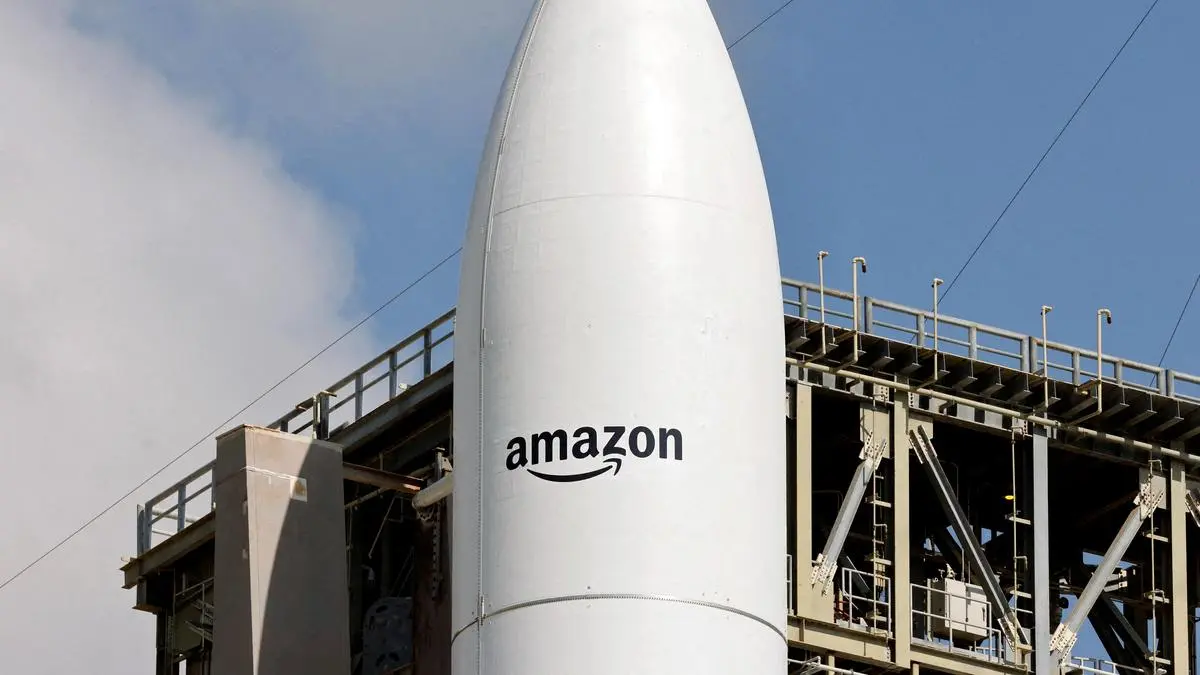
The landscape of global telecommunications has shifted fundamentally this week as the Federal Communications Commission (FCC) officially greenlit Amazon’s $11.5 billion acquisition of Globalstar. This regulatory milestone marks a decisive moment in the escalating "Space Race 2.0," as the e-commerce giant’s satellite arm, Amazon Leo, accelerates its efforts to construct a formidable orbital network capable of challenging Elon Musk’s SpaceX Starlink.
The move is not merely a corporate merger; it is a strategic maneuver to secure both the physical infrastructure and the regulatory spectrum rights necessary to dominate the emerging direct-to-device (D2D) connectivity market.
Main Facts: The Anatomy of the Deal
The FCC’s approval provides Amazon with a critical shortcut in its quest to establish a ubiquitous satellite internet network. Under the terms of the agreement, Amazon acquires not only Globalstar’s operational fleet—currently comprising two dozen satellites—but also its substantial portfolio of mobile-satellite spectrum and its established infrastructure.
For Amazon, the goal is twofold: scale and speed. With over 300 satellites launched since April 2025, Amazon Leo has been aggressive in its build-out, yet it remains significantly behind SpaceX, which currently operates a constellation exceeding 11,000 satellites. By folding Globalstar into its operations, Amazon gains an immediate boost to its technical capabilities and, perhaps more importantly, the existing partnerships that tie Globalstar to the world’s most valuable consumer brand: Apple.
Amazon has committed to a staggering $10 billion investment in the Leo project, with the target of having approximately 3,200 satellites operational in low Earth orbit (LEO) by 2029. The company remains on track to begin the roll-out of commercial satellite services by the end of 2026.
Chronology: A Path to Orbital Integration
To understand the weight of this acquisition, one must look at the rapid-fire timeline of events that led to this moment:
- 2024: Apple invests $1.5 billion in Globalstar to fund the expansion of iPhone satellite communications, securing a 20% equity stake in the process. This investment becomes the bedrock for Globalstar’s modernization.
- April 2025: Amazon Leo begins its accelerated launch schedule, deploying its first major cluster of satellites to initiate the build-out of its LEO constellation.
- Late 2025: Globalstar announces that an Apple-backed network expansion is underway, intended to grow its footprint from 24 to 54 satellites.
- Early 2026: Negotiations between Amazon and Globalstar reach a climax, with the $11.5 billion acquisition offer being put before the FCC for regulatory review.
- October 2026: The FCC grants final approval for the merger. As part of the transition, Amazon plans to acquire Apple’s 20% equity stake in Globalstar, effectively bringing the satellite provider fully under the Amazon umbrella while maintaining the existing operational agreements with Apple.
Supporting Data: The Economics of the Sky
The satellite communications industry is currently undergoing a massive capital infusion. The shift toward "direct-to-device" technology—which allows standard smartphones to connect to satellites without the need for bulky, specialized hardware—has created a "gold rush" mentality among tech titans.
The Numbers Behind the Network:
- Amazon Leo Target: 3,200 satellites by 2029.
- Starlink Current Status: 11,000+ satellites.
- Globalstar’s Revenue Base: Apple accounted for approximately 63% of Globalstar’s revenue in the previous fiscal year, highlighting the immense value of the Apple-Globalstar partnership.
- Investment Scope: Beyond the $11.5 billion acquisition price, Amazon has earmarked $10 billion specifically for the development of its Leo infrastructure.
The FCC’s interest in this sector is underscored by its upcoming vote, scheduled for Thursday, which aims to advance a new auction of wireless spectrum. This auction is specifically designed to foster "direct-to-device" services, ensuring that the regulatory environment keeps pace with the rapid innovation being driven by private companies.
Official Responses and Regulatory Outlook
The regulatory approval was met with a clear directive from the FCC regarding the public interest. Brendan Carr, Chair of the FCC, emphasized the strategic importance of the merger for American competitiveness.

"The FCC has empowered Amazon Leo to deliver fast, next-gen satellite broadband services, increase competition, and help communities stay connected all across the country," Carr stated in a press release following the vote.
For the FCC, the primary concern is preventing a monopoly in space. By encouraging Amazon to compete directly with SpaceX, the Commission hopes to drive down costs for consumers and ensure that rural and underserved areas receive reliable, high-speed connectivity. The approval is conditioned on Amazon’s continued adherence to space safety standards and its commitment to preventing signal interference with existing orbital assets.
Implications: The Future of Connectivity
The acquisition of Globalstar sends shockwaves through the telecommunications sector, with implications that reach far beyond the stock market.
1. The Death of the "Dead Zone"
The primary promise of the Amazon-Globalstar marriage is the total elimination of cellular dead zones. By integrating Globalstar’s mature, proven safety features—such as Emergency SOS and "Find My" functionality—into the broader Amazon Leo ecosystem, the company is positioning itself to provide a layer of safety that is built into the very fabric of global telecommunications.
2. A War of Attrition with SpaceX
The competition is no longer just about who has the most satellites; it is about who has the most efficient software stack and the most robust consumer ecosystem. SpaceX’s Starlink has a massive head start in sheer volume, but Amazon’s integration with its own massive retail and cloud infrastructure (AWS) creates a unique value proposition. Amazon can theoretically bundle satellite connectivity with Prime memberships, cloud storage, and device hardware in a way that SpaceX cannot.
3. Apple’s Strategic Pivot
Apple’s role in this saga is nuanced. By divesting its 20% stake to Amazon, Apple is essentially "outsourcing" the heavy lifting of satellite infrastructure management. However, the agreement ensures that Apple remains the primary beneficiary of Globalstar’s technology for its iPhones and Apple Watches. It is a win-win for Apple: they recover their capital investment while offloading the immense regulatory and engineering burden of maintaining an orbital constellation to Amazon.
4. The Global Regulatory Challenge
As thousands of new satellites populate low Earth orbit, the issue of "space junk" and orbital traffic management will become increasingly contentious. The FCC’s approval of the Amazon-Globalstar deal will likely set a precedent for how future orbital mergers are handled. Future scrutiny will focus on whether these massive constellations inhibit the ability of other nations to launch their own satellites or if they pose an undue risk of collisions.
Conclusion: A New Frontier
As we move toward the end of 2026, the consolidation of the satellite industry seems inevitable. The Amazon-Globalstar deal is the most significant indicator yet that satellite connectivity is transitioning from a niche service for explorers and the military to a fundamental utility for every smartphone user on the planet.
With the financial backing of Amazon, the technical foundation of Globalstar, and the consumer reach of Apple, the new entity is poised to challenge the status quo. The question that remains is whether the sky is wide enough for two such giants to coexist, or if the race to the stars will ultimately lead to a singular, dominant infrastructure provider. For now, the consumer stands to benefit from a new era of connectivity that is faster, more reliable, and, quite literally, out of this world.