





In an era where generative AI has democratized creative production, the marketing industry finds itself at a curious crossroads. If every competitor has access to the same sophisticated, AI-driven toolkits—from automated copywriting to predictive analytics—the traditional technological advantage is rapidly evaporating. This "commoditization of creativity" has left CMOs and brand stewards grappling with a singular, existential question: If AI can generate a campaign, what is left for the brand to own?
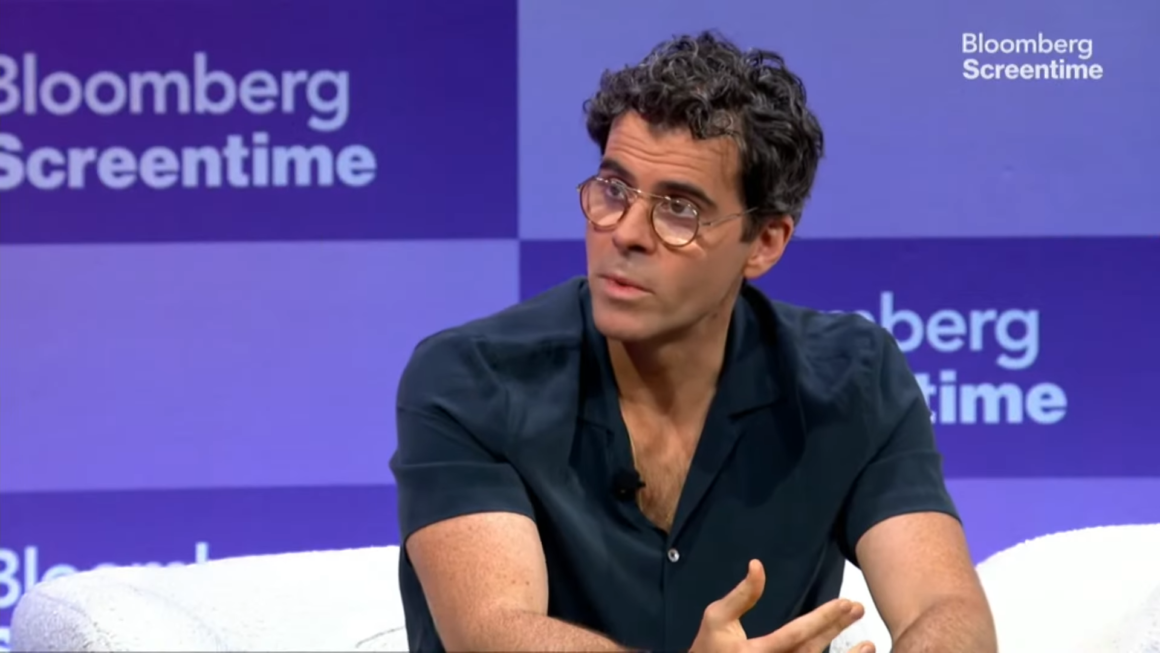
Live from the Marketing Vanguard stage at Brandweek 2026, Jenny Rooney, host of the Marketing Vanguard series, sat down with Cheryl Guerin, Mastercard’s EVP of global brand strategy and innovation, to unpack how a legacy giant maintains its edge when technology has become mere "table stakes."
The conversation, recorded in partnership with Tatari, offers a masterclass in balancing high-speed automation with high-touch human ingenuity. For Guerin, a veteran of Mastercard for nearly 26 years, the solution isn’t to out-tech the competition—it’s to double down on the human truths that algorithms cannot replicate.
The AI Paradox: Efficiency vs. Differentiation
For many organizations, the integration of AI is framed as a cost-cutting exercise—a way to trim headcount or accelerate output. Guerin, however, views AI as a mechanism for "higher-order thinking."
The 75% Rule
At Mastercard, AI is currently being leveraged to handle the mundane, repetitive inquiries that historically bottlenecked the marketing department. Guerin revealed that the company’s internal "brand assistant" now handles approximately 75% of the routine questions that were previously answered manually by human staff.
"The win isn’t simply efficiency," Guerin noted during the session. "The win is the liberation of our talent." By automating the low-level administrative and brand-governance tasks, Mastercard’s marketing team has been freed to focus on the "harder questions"—those involving long-term trust, complex creative strategy, and the unpredictable evolution of global culture.
The implication is clear: In the future, a brand’s competitive advantage will not be determined by its ability to use AI, but by how it deploys the human hours saved by that AI. If your team is still spending 75% of their time on manual tasks while your competitor is using those same hours to refine their creative storytelling, you have already lost the race.
Chronology of a Legacy: The Endurance of "Priceless"
It is a rarity in the marketing world for a campaign to survive three decades of digital transformation. Yet, Mastercard’s "Priceless" platform, which debuted in 1997, remains the heartbeat of the brand. Guerin’s career at Mastercard has spanned multiple technological eras, from the dawn of the internet to the current generative AI explosion, yet the core of the brand remains untouched.
The Evolution of a Concept
When "Priceless" launched, it was a subversive reaction to the material obsession of the 1990s. It shifted the focus from "things you can buy" to "experiences you can have." According to Guerin, the reason the platform has survived is that it is rooted in a fundamental human truth.
"We are constantly tracking shifts in culture, technology, and business," Guerin explained. "But we always come back to the human insight." She points to Gen Z as a critical validation of this strategy. Despite being the most "digital-native" generation in history, Gen Z displays a profound, even desperate, craving for in-person experiences and authentic community. By pivoting "Priceless" to focus on belonging and tangible connection, Mastercard has ensured that its core narrative remains more relevant today than it was in 1997.
The New Creative Ecosystem: Agencies vs. In-House
One of the most pressing challenges for modern CMOs is determining the split between external agency partners and internal capabilities. Mastercard’s relationship with its agency of record, McCann, is a legendary partnership that has spanned nearly as long as the "Priceless" campaign itself.
The Hybrid Model
Guerin maintains that the "big creative thinking" still requires the external, objective perspective of a high-level agency. However, the volume and velocity of modern marketing—fueled by social media, B2B requirements, and full-funnel performance marketing—necessitate a different approach.
Mastercard has significantly expanded its internal capabilities to handle the "speed-to-market" components of the business. The strategy is deliberate:
- External Partners: Retained for brand-defining, high-stakes creative work that requires deep cultural insights and long-term vision.
- Internal Teams: Empowered to execute high-frequency content, tactical B2B marketing, and rapid-response campaigns that require intimate knowledge of the brand’s daily pulse.
This hybrid model allows Mastercard to maintain the quality of a premium brand while possessing the agility of a startup.
Beyond Generalists: The "Passions Experts" Strategy
Perhaps the most unconventional element of Mastercard’s strategy is its approach to talent. In a world where many companies rely on generalist marketers to oversee broad categories, Mastercard leans heavily into "Passions Experts."
Connecting Culture to Commerce
Mastercard does not simply sponsor sports or music; they embed themselves in those subcultures. Guerin hires specialists who possess deep, granular knowledge of music, esports, motorsports, and traditional sports. These are not just marketers—they are community insiders.
This expertise provides two distinct advantages:
- Early Identification: Because these experts live and breathe their respective passions, they can identify emerging talent or cultural shifts before they hit the mainstream, allowing Mastercard to secure partnerships at a better value.
- Strategic Balance: By understanding the nuances of the community, the brand can balance high-visibility global names—like Lady Gaga—with smaller, highly targeted bets that resonate deeply with specific audiences.
"We don’t need to be the biggest spender in the category," Guerin noted. "We just need to be the most relevant." By speaking the language of these communities, Mastercard achieves a level of organic engagement that money alone cannot buy.
Implications for the Industry
The lessons from Mastercard’s 2026 brand strategy offer a roadmap for CMOs navigating the current climate.
1. The Death of the "Generalist"
As AI takes over technical execution, the premium on domain-specific expertise increases. Companies must move away from generic marketing roles and toward specialists who can curate AI outputs and infuse them with deep, human-centric cultural knowledge.
2. Agility is Saying "No"
Guerin argues that true agility is not about doing everything faster; it is about the discipline to say "no" to projects that don’t align with the brand’s core purpose. "Real agility sometimes looks like saying no," she said, emphasizing that focus is the ultimate brand preservative.
3. Trust as the Last Moat
In a world flooded with AI-generated content, trust is the only variable that cannot be automated. Mastercard’s long-term commitment to "Priceless" has built a layer of trust with consumers that protects the brand from the volatility of trends.
Conclusion
As we look toward the latter half of the decade, the narrative for successful brands is shifting. The winners will not be those who use the most advanced AI models, but those who use those models to clear the deck for deeper human connection.
Cheryl Guerin’s tenure at Mastercard stands as a testament to the idea that while technology changes the how, the why—the human truth at the center of the brand—is the only thing that keeps a business relevant for three decades and counting. In the age of the algorithm, the most disruptive thing a brand can do is remain profoundly, unapologetically human.