The smartphone industry has reached a critical inflection point. For years, the narrative surrounding foldable devices was dominated by two primary concerns: the visible crease on the inner display and the sheer bulk of the device when folded. Samsung, the pioneer that brought foldable technology to the mainstream, has spent the better part of a decade refining its "Z Fold" series. However, as Chinese manufacturers like Oppo, Vivo, and Honor have begun to push the boundaries of industrial design—producing devices that feel more like standard flagship phones than bulky tablets—the pressure on Samsung to innovate has intensified.
Now, as we approach the next iteration of its flagship, reports suggest that Samsung is preparing a definitive response. The upcoming Galaxy Z Fold 7 is not just another iterative update; it is being positioned as a challenger for the title of "the world’s slimmest book-style foldable."
Main Facts: The Anatomy of a Slimmer Foldable
The latest intelligence, primarily surfacing from industry insiders and reputable leakers like Ice Universe, suggests that the Galaxy Z Fold 7 will represent a radical departure from the design language established by its predecessors.
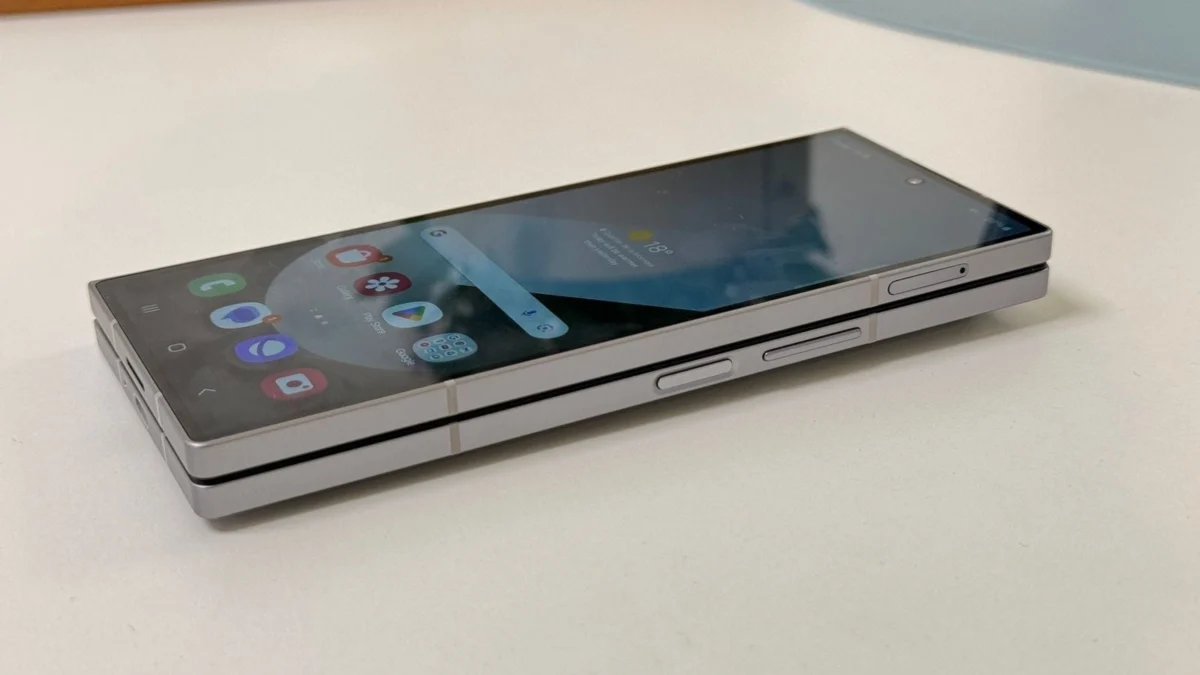
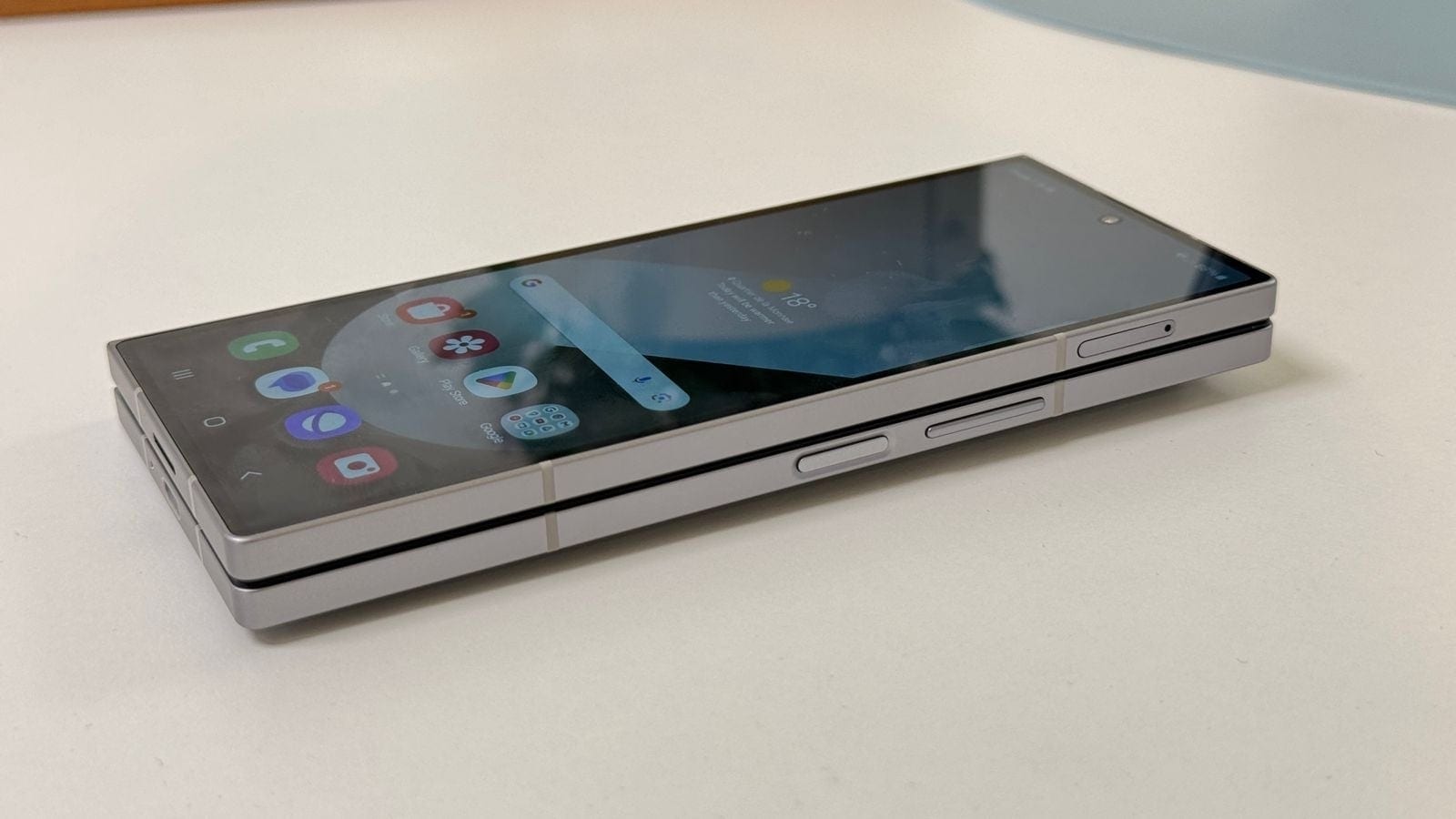
According to these reports, the device is expected to measure an astonishing 3.9mm in thickness when fully unfolded. To put this into perspective, the current Galaxy Z Fold 6 measures 5.6mm when unfolded. This reduction of 1.7mm is massive in the world of precision engineering, where every fraction of a millimeter requires a complete redesign of the internal motherboard layout, battery architecture, and hinge mechanism. When folded, the device is tipped to measure 8.9mm, a figure that would make it significantly more pocketable and ergonomic than any previous generation of the Fold series.
This aggressive pursuit of slimness puts Samsung in direct competition with the Oppo Find N5, which currently holds the industry benchmark for ultra-slim design at 4.2mm unfolded. By targeting the 3.9mm mark, Samsung is not merely aiming to match its competitors; it is aiming to set a new industry standard.
A Chronology of Refinement: From Bulky Prototype to Sleek Flagship
To understand the magnitude of this potential jump, one must look at the historical trajectory of the Galaxy Z Fold series.
- The Genesis (2019): The original Galaxy Fold was an experiment in durability and form factor. It was thick, heavy, and featured a prominent gap when folded. It proved the concept of the foldable, but it lacked the refinement expected of a premium flagship.
- The Iterative Phase (2020–2022): The Z Fold 2 through Z Fold 4 introduced meaningful improvements, including the "Hideaway Hinge," which allowed the phone to stand at various angles, and the transition to stronger, more reliable glass (Ultra Thin Glass). However, the "thickness" remained a point of contention for many users.
- The Refinement Phase (2023–2024): With the Galaxy Z Fold 5 and Z Fold 6, Samsung focused on "zero-gap" folding and lighter materials. The Z Fold 6, while significantly more polished, maintained a footprint that still felt substantial in the pocket.
- The Ultra-Slim Ambition (2025): The Z Fold 7 represents the first time in the series’ history that Samsung has prioritized the physical profile over traditional internal architecture. This shift indicates that Samsung has finally mastered the internal component miniaturization required to deliver a device that is as thin as a standard smartphone while maintaining flagship-level performance.
Supporting Data: Engineering Challenges and Hardware Specs
Achieving a 3.9mm profile is not a simple task of removing material; it requires a complete overhaul of how a phone is constructed.
Battery and Thermal Management
The most significant hurdle in reducing thickness is the battery. The Galaxy Z Fold 7 is expected to retain a 4,400mAh battery capacity. While critics might point to the lack of a capacity increase, sustaining this level of power in a significantly thinner chassis is an engineering feat. It suggests that Samsung has likely utilized a new, high-density battery cell technology or a dual-cell arrangement that allows for thinner profiles without sacrificing the total energy storage.
The Display and Hinge
Reports indicate that the Z Fold 7 will feature an 8-inch main display and a 6.5-inch cover display. The increase in the cover display size is particularly noteworthy, as it suggests that the "narrow" aspect ratio that plagued early Fold models is being permanently abandoned in favor of a wider, more usable screen. Furthermore, the implementation of a new, reinforced hinge mechanism is expected to drastically reduce the visibility of the "crease," which has historically been the primary aesthetic drawback of Samsung’s foldables.
The Powerhouse Under the Hood
Despite the slim frame, performance is not being sacrificed. The device is slated to be powered by the Snapdragon 8 Elite processor. This chipset, known for its extreme efficiency and raw power, is essential for maintaining a premium experience. With 12GB of RAM and storage options reaching up to 1TB, the Z Fold 7 is positioned to handle intensive multitasking, gaming, and AI-driven features—all while running on a chassis that is significantly thinner than the competition.
Official Responses and Industry Outlook
While Samsung has not officially confirmed these specifications, the company has consistently signaled its intent to lead the "premium" foldable market. In recent investor calls, Samsung executives have emphasized a focus on "form factor innovation" and "user-centric design," hinting that the next generation of foldables would address the "bulkiness" feedback received from the enthusiast community.
Industry analysts suggest that this move is a defensive necessity. With Chinese brands capturing significant market share in Europe and Asia through superior hardware designs, Samsung is at risk of losing its status as the default "go-to" for foldable technology. By launching the thinnest book-style foldable, Samsung aims to regain the narrative of innovation, effectively silencing critics who claimed that the company had become complacent.

Implications: What This Means for the Consumer
The pursuit of an ultra-slim foldable is not just a marketing gimmick; it has real-world implications for the end-user experience.
- Ergonomics: A thinner device is easier to hold, lighter to carry, and less obtrusive in a pocket. For a device meant to be carried every day, this is the most critical usability upgrade possible.
- Professional Aesthetic: As foldables continue to replace traditional tablets for business professionals, a thinner, more refined device looks more professional in a boardroom or formal setting.
- The "Mainstream" Factor: The barrier to entry for foldables has always been the "clunky" feel. By matching the slimness of a traditional flagship, Samsung is removing the last major psychological barrier for the average consumer to make the switch from a standard slab phone to a foldable.
Looking Ahead: The Future of the Foldable Category
The upcoming launch of the Galaxy Z Fold 7 is set to occur in less than two months. As the leaks continue to mount, it is becoming clear that we are witnessing the beginning of the "slim era" for foldable devices.
If the rumors regarding the 3.9mm thickness, the 8-inch main display, and the 200MP camera sensor hold true, the Galaxy Z Fold 7 will be a powerhouse of both design and utility. It will effectively force every other manufacturer to return to the drawing board to compete with Samsung’s new standard.
For the consumer, the implications are positive. Competition breeds innovation, and the battle for the "thinnest" crown is ultimately resulting in better, more usable, and more durable devices. As we move closer to the official unveiling, the tech world remains on high alert, waiting to see if Samsung can indeed deliver on its promise of a device that is as thin as it is powerful.
Stay tuned to our coverage as we continue to track the developments surrounding the Galaxy Z Fold 7, from official teasers to the final launch event. The future of the smartphone is getting thinner, and it appears Samsung is determined to lead the charge.