











Main Facts: The Chronic Challenge of Content Ideation
For content creators, marketers, and digital publishers, the most debilitating barrier to consistency is not the act of writing itself, but the agonizing vacuum of the blank page. While inspiration strikes spontaneously—yielding effortless prose and fluid narratives—the rigid demands of a corporate publishing schedule often force writers to stare blindly at keyboards, grappling with absolute mental paralysis.
Traditional brainstorming methods, such as resorting to generic search engine queries, frequently fall short. General web searches typically yield superficial content categories—such as routine reviews, personal rants, comparative evaluations, or formulaic "Mad Libs-style" headlines—rather than concrete, high-utility topics.
Experienced publishers recognize a fundamental truth of digital media: There are two distinct categories of content—the material you personally want to write, and the information your audience is actively searching to find.

Building a sustainable, high-performing editorial calendar requires pivoting away from subjective guesswork and toward data-backed, audience-driven ideation strategies. This comprehensive guide outlines 27 actionable frameworks designed to systematically eliminate writer’s block, uncover hidden search demand, and deliver undeniable value to your target audience.
Chronology: The Evolution of Content Research
Over the past decade, the landscape of digital content creation has undergone a profound transformation. Understanding this chronological evolution illustrates why modern publishers must look beyond basic keyword planning to stay competitive.
- The Early 2010s (The Keyword Era): Content strategy was largely defined by simple volume metrics. Publishers relied heavily on basic tools like the Google Keyword Planner to identify high-traffic search terms, frequently resulting in thin, keyword-stuffed articles designed solely for search engine crawlers.
- The Mid-2010s (The Rise of Social Curation and Aggregation): Platforms like BuzzSumo emerged, shifting the industry’s focus toward viral metrics and social sharing patterns. Creators began looking at what content resonated socially, attempting to replicate viral hooks and trending listicles.
- The Late 2010s to Present (Data-Driven Intent and User-Centric SEO): Modern ideation demands a sophisticated hybrid approach. Today’s top publishers utilize advanced SEO suites (such as Ahrefs and SEMrush), deep intent-mining tools (like Answer the Public), and rigorous audience feedback loops. The focus has shifted from merely capturing traffic to satisfying complex user queries, mining competitor gaps, and upcycling legacy content to meet modern quality standards.
Supporting Data: Leveraging Advanced Tools and Metrics
To move beyond superficial brainstorming, publishers must master the technical tools that expose actual audience demand. The modern content strategist’s toolkit relies on specific quantitative and qualitative metrics:

1. Question and Preposition Mapping
Tools like Answer the Public aggregate millions of search queries to visualize the exact questions users ask around a core subject. By filtering queries by prepositions (can, with, without) and interrogatives (how, why, what), writers can identify precise informational gaps. Supplementing this with tools like Ubersuggest helps uncover modifier phrases such as tutorials, guides, and comprehensive lists.
2. Competitive Intelligence and Backlink Auditing
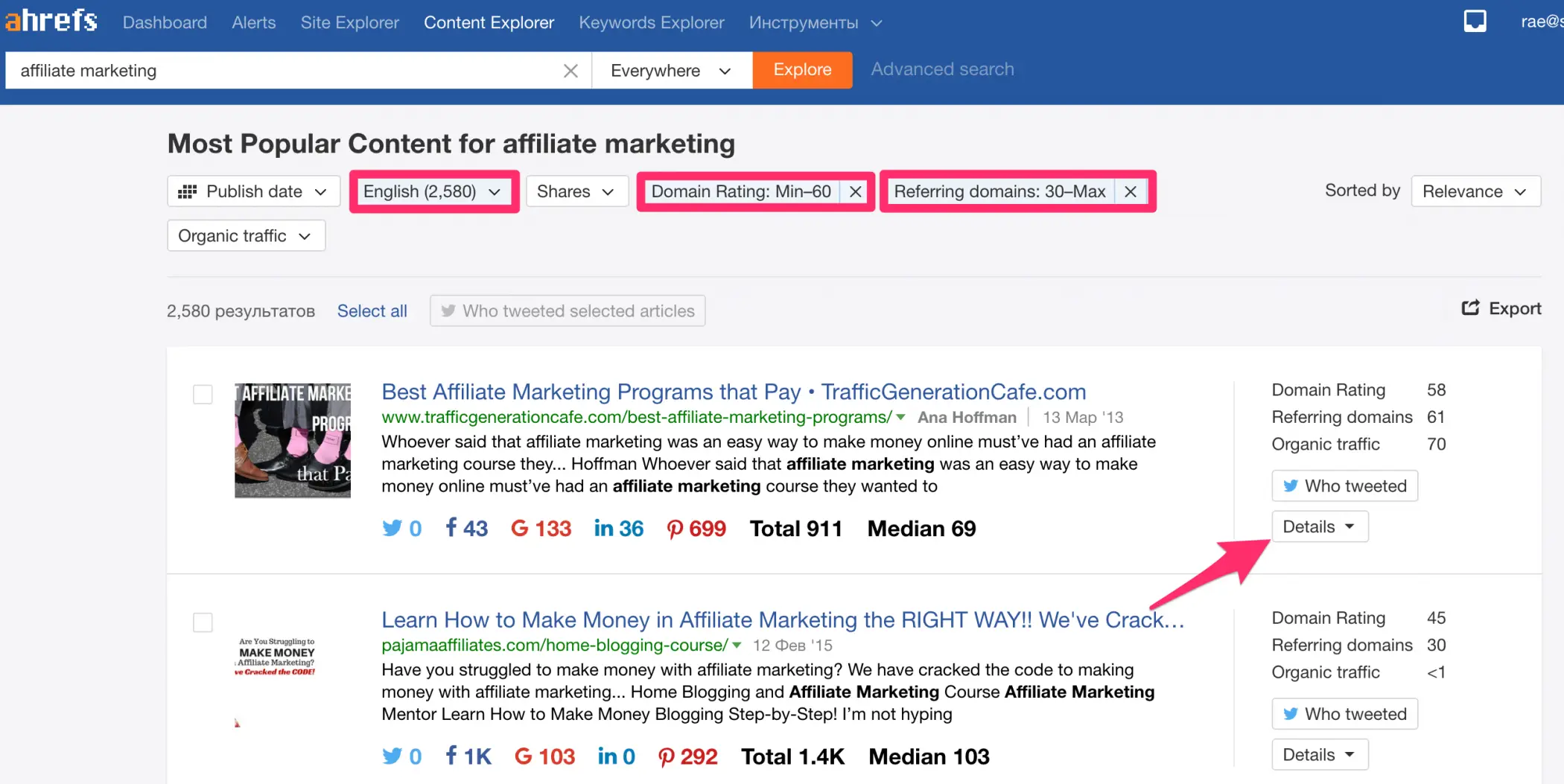
Advanced platforms like Ahrefs and SEMrush allow publishers to analyze competitor domains not just for traffic, but for actual linked authority. By filtering a competitor’s top content for pages with a high referring domain count (e.g., 30+ backlinks) and moderate domain ratings (<60), creators can pinpoint proven content frameworks that are ripe for "upcycling"—the practice of taking an existing, popular piece of content and drastically improving its depth, design, and modern relevance.
3. Internal Search Analytics
A site’s internal search bar is an underutilized goldmine. By tracking internal queries via Google Analytics (or plugins like Search Meter for WordPress), publishers can instantly identify what visitors are looking for after arriving on the site—revealing topics where existing content is either missing or inadequate.
Official Industry Frameworks: 27 Ways to Find Winning Topics
To systematize your content creation process, implement these 27 proven strategies, categorized for clarity:
Leveraging Search Intent & Keyword Data
- Answer the Public Queries: Target exact questions and prepositions to build highly specific informational guides.
- Traditional Keyword Research: Utilize robust platforms like SEMrush and Spyfu (or free alternatives like Keywordtool.io) to locate high-intent search terms.
- Google Search Console (Overall Keywords): Identify terms for which your site already ranks on the second page, then optimize and expand that content to push into the top positions.
- Google Search Console (Page-Level Analytics): Discover secondary long-tail keywords driving impressions to existing pages and spin them off into dedicated articles.
- Competitor Content Gap Analysis: Use SEMrush’s Domain vs. Domain report to uncover high-performing keywords and topics your competitors rank for, but you do not.
Upcycling and Content Optimization
- Upcycle Industry Content: Find popular, older content using Ahrefs, verify its backlink profile, and write a vastly superior, updated version.
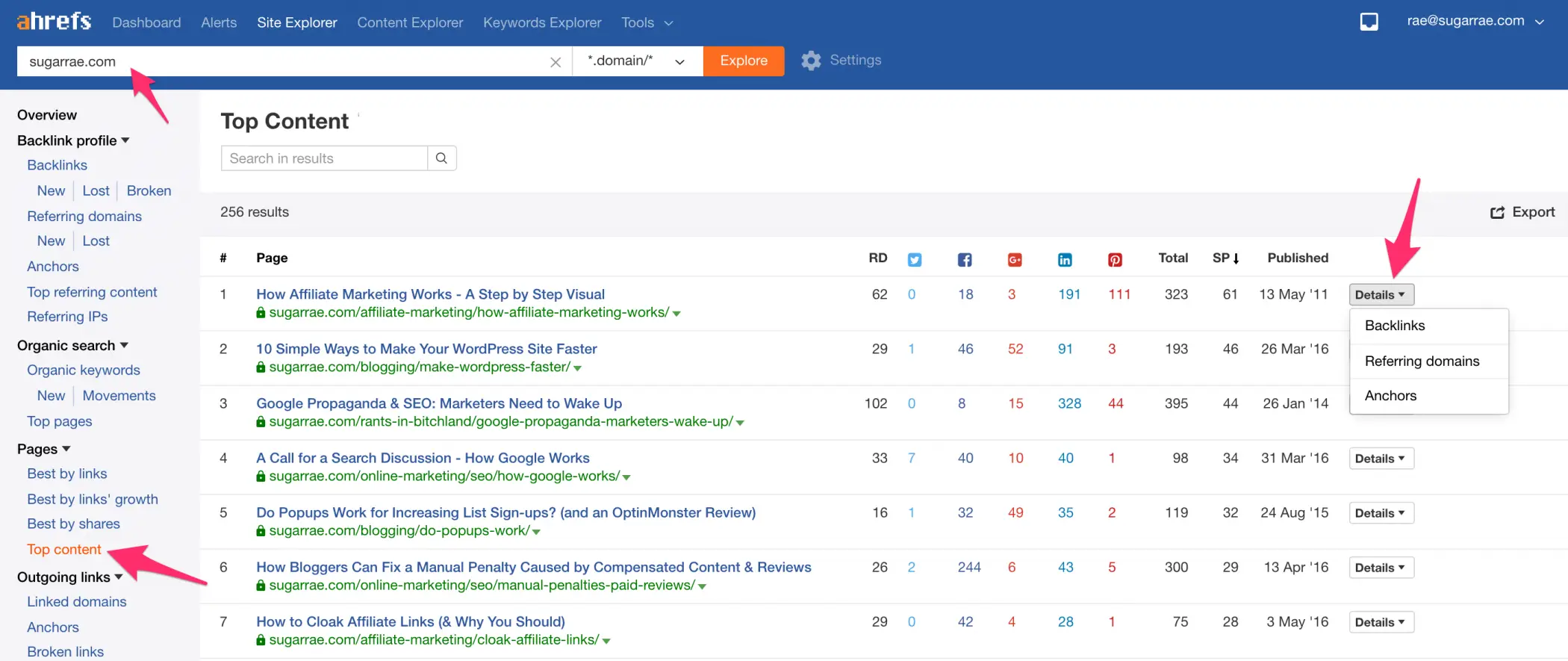
- Upcycle Competitor Content: Analyze rival top content, identify structural weaknesses or outdated information, and build a definitive alternative.
- Reinvigorate Your Own Legacy Posts: Audit your archives for outdated posts, expand their scope, and redirect old URLs to fresh, comprehensive assets.
- Repurpose Cross-Medium Content: Transform transcripts from webinars, podcasts, slide decks, and email newsletters into comprehensive blog posts.
Direct Audience Research
- Ask Your Audience Directly: Use targeted email segments to ask subscribers about their single biggest challenge regarding a specific niche topic.
- Mine Internal Site Searches: Review what users type into your website’s search bar to find immediate content demand.
- Read the Comments: Scour the comment sections of high-ranking industry posts—and your own archives—for lingering reader questions.
- Track "Threepeats": Maintain a spreadsheet of reader questions; once a specific inquiry is asked three times, it graduates to your editorial calendar.
Community and Forum Mining
- Search Q&A Platforms: Explore sites like Quora, Reddit, and Ask Metafilter to find persistent consumer queries.
- Mine Reddit AMAs: Search
site:reddit.com AMA [topic]to uncover detailed questions from niche experts and enthusiasts. - Scan Niche Message Boards: Use Google search operators combined with phrases like "need advice" or "how do I" on dedicated industry forums.
- Participate in Niche Twitter Chats: Track chat hashtags using tools like Tweetreports.com, filtering specifically for question marks (
?).
Product and Resource Inspiration
- Transform Products into Problem-Solvers: Instead of writing generic product reviews, detail the specific problems a tool solves and how readers can replicate the solution.
- Mine Amazon Q&A: Check the customer question sections on Amazon product pages related to your niche to address common consumer pain points.
- Explore Amazon Book Listings: Review book titles and table of contents via Amazon’s "Look Inside!" feature to map out comprehensive subtopics.
- Analyze Presentation-Sharing Sites: Search platforms like Slideshare and SlideServe to find high-level industry frameworks that can be localized or expanded.
- Subscribe to Niche Magazines: Identify concise articles in print or digital publications and write the exhaustive, deep-dive versions online.
- Monitor Industry Conferences: Track speaker Q&A sessions, live-blogging coverage, and conference recordings for burning audience questions.
- Mine Expert Interviews: Analyze published interviews with niche leaders; expand upon the brief answers they provide due to space limitations.
- Revive Dead Competitor Sites: Use Archive.org and Wayback Downloads to crawl defunct competitor websites, extract their historical title tags via Screaming Frog, and upcycle their best concepts.
- Set Up Hyper-Targeted Google Alerts: Configure alerts using exact-match quotation marks and discussion filters (e.g.,
[topic] "need advice") to catch fresh forum threads. - Leverage Pinterest Discovery: Search visual keywords to identify trending DIY projects, infographics, or alternative use-cases for standard industry products.
Implications: The Future of Sustainable Publishing
The shift from sporadic, emotion-driven writing to rigorous, data-backed ideation carries profound implications for digital publishers.
In an increasingly saturated digital ecosystem, mediocre, surface-level content faces swift obsolescence. Search engines are continuously refining their algorithms to reward depth, accuracy, and genuine user satisfaction. By adopting a systematic approach to content research—relying on quantitative keyword data, competitor gaps, direct audience feedback, and the upcycling of legacy assets—publishers insulate themselves against writer’s block.
Ultimately, curing the blank page is not a matter of waiting for lightning to strike. As Thomas Edison famously noted, "Opportunity is missed by most people because it is dressed in overalls and looks like work." By embedding these 27 frameworks into a disciplined editorial routine, creators can ensure a steady stream of authoritative, high-value content that continuously resonates with audiences and search engines alike.



