










By Tech & Mobile News Desk
Published: October 2026
Main Facts
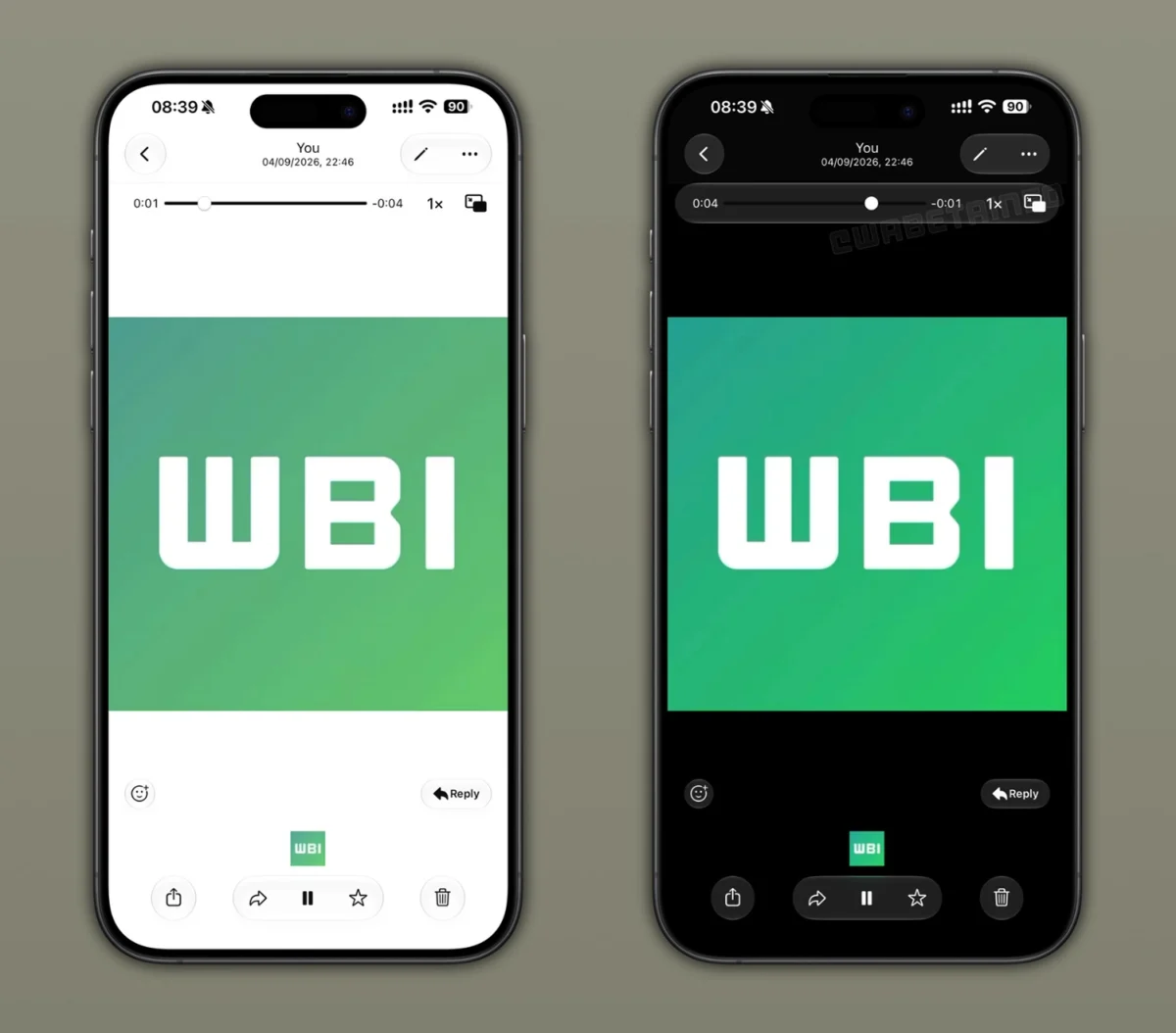
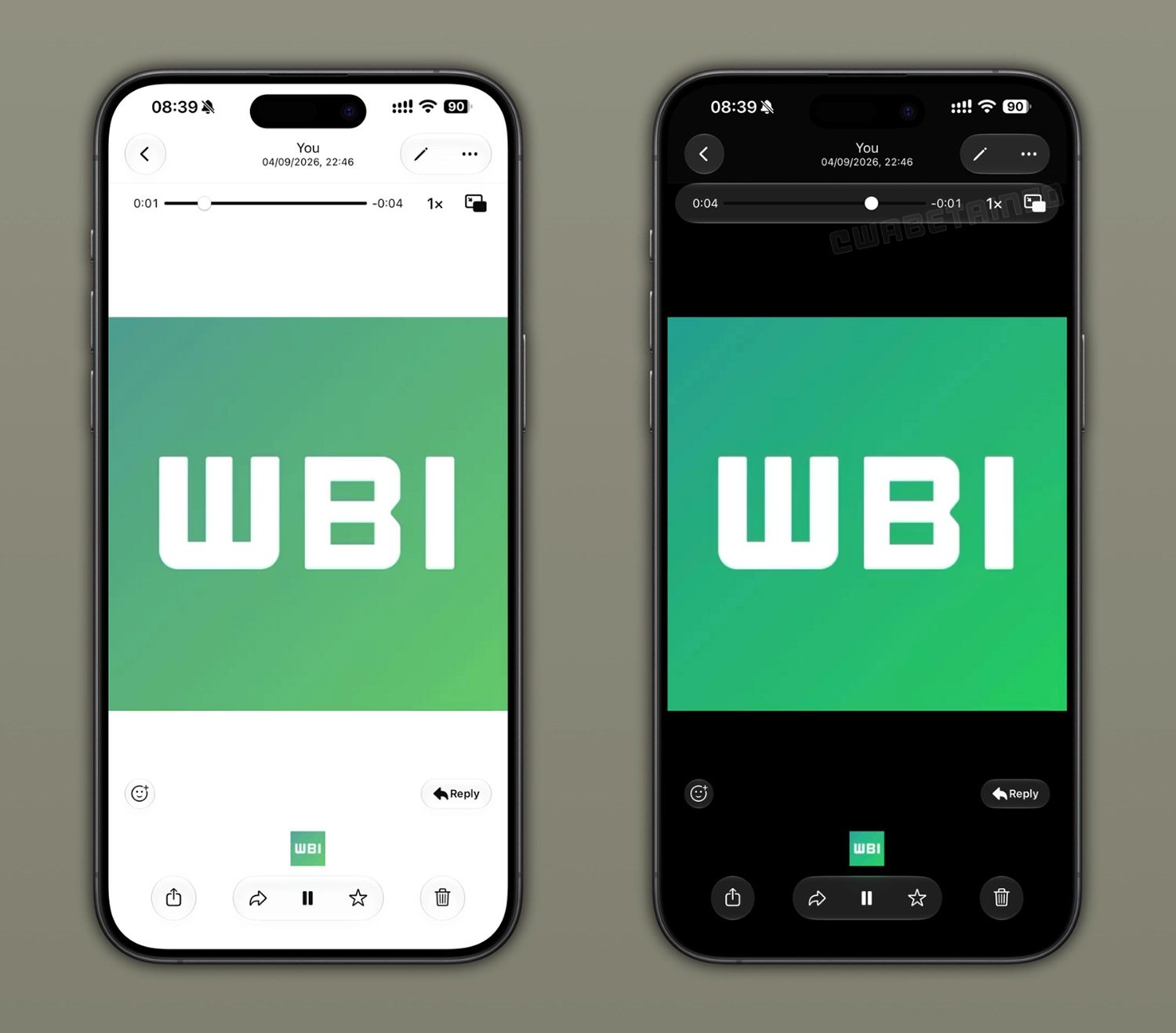
Meta-owned messaging giant WhatsApp is pushing forward with its protracted interface modernization, bringing its signature "Liquid Glass" design language to the platform’s built-in video player. According to reports from feature tracker WABetaInfo, the latest update replaces legacy UI elements with a sleek, translucent progress bar and a completely revamped bottom control bar, offering a more modern and immersive media-viewing experience.
The update, which was initially previewed in testing phases earlier this year, aligns the video player’s aesthetics with the broader design trends established in recent operating system iterations. Features of the updated video player include:
- Floating Translucent Progress Bar: Positioned at the top of the screen, the progress bar features rounded corners and a frosted-glass texture.
- Dynamic Theming: In light mode, the element adopts a clean, white glass-like layout, while dark mode transitions the background into a deep, tinted dark glass effect.
- Refreshed Controls: The bottom control bar has been redesigned to minimize visual clutter, offering users a more seamless and contemporary playback experience.
Despite these exciting updates, the deployment remains part of WhatsApp’s famously slow and methodical rollout strategy. While beta testers and select public users are beginning to see the changes, many accounts worldwide still feature the older interface.
Chronology: The Evolution of WhatsApp’s Liquid Glass Redesign
The journey toward a unified, glass-inspired WhatsApp interface has been a gradual marathon rather than a sprint. A look back at the timeline highlights Meta’s deliberate, phased approach to overhauling one of the world’s most popular messaging applications:
- October 2025: Meta quietly begins initial internal and closed-beta testing of the "Liquid Glass" aesthetic, sparking early speculation among tech analysts regarding a massive visual overhaul for iOS and desktop platforms.
- May 2026: Following months of scarce availability and restricted testing pools, WhatsApp officially announces the broader public rollout of the Liquid Glass design for iOS devices. However, user reports quickly indicate that the switch is far from universal, with many finding their apps untouched.
- June 2026: Expanding past the iPhone, beta builds for the dedicated iPad app introduce elements of the Liquid Glass interface, signaling that Meta intends to scale the look across tablet form factors.
- July 2026: The desktop environment receives attention as the Liquid Glass overhaul makes its way to the native WhatsApp Mac application, bringing unified translucency to desktop users.
- August 2026: Feature spotters at WABetaInfo discover code and previews indicating that media playback elements—specifically the in-app video player—are next in line for the glass treatment.
- October 2026: WhatsApp officially begins rolling out the Liquid Glass video player update to users via server-side toggles, marking one of the final major UI components to transition to the new design language.
Supporting Data & Ecosystem Integration
The introduction of the Liquid Glass video player highlights a broader industry shift toward translucent, depth-based user interfaces. Inspired heavily by modern design principles popularized in recent software environments—most notably elements resembling the visual depth introduced since iOS 26—Meta has systematically replaced flat, opaque UI elements with gradients, blur effects, and floating control layers.
However, data from user feedback and tech community forums (such as 9to5Mac reader reports) reveals a distinct fragmentation in the user experience:
- Fragmented Deployment: Unlike updates that deploy universally via an app store patch, Meta heavily relies on server-side rollouts. This results in situations where two users running the exact same app version on identical hardware may experience completely different interfaces.
- Component-by-Component Overhaul: Rather than flipping a single switch for the entire application, WhatsApp has redesigned features granularly—starting with core navigation, moving to message reactions and chat bubbles, expanding to iPad and Mac clients, and finally reaching edge-case utilities like media players.
This phased rollout minimizes the risk of catastrophic bugs affecting billions of active daily users, but it has left a portion of the user base waiting months to see a uniform design language across the app.
Official Responses and Developer Insights
While Meta has kept formal press announcements regarding the day-to-day rollout relatively quiet, insight from independent tracker WABetaInfo has provided deep technical clarity on how the new player operates.
According to WABetaInfo‘s technical breakdown:
"With the latest update, WhatsApp is adopting the progress bar with the same translucent, glass-like appearance available in other sections of the app. The progress bar appears as a floating element at the top of the screen with a translucent background and rounded corners. In light mode, the background is white with a glass-like layout. In dark mode, the background turns dark. Note that WhatsApp is also refreshing the control bar at the bottom of the screen. This makes the interface more immersive and consistent with the Liquid Glass design language…"
Developers and UI/UX analysts have noted that this design choice serves both aesthetic and functional purposes. By making controls translucent, the app maximizes the visible screen estate for video content, ensuring that UI chrome feels less obtrusive when users are trying to watch media shared within chats or status updates.

Implications for Users and the Future of Messaging UI
As WhatsApp continues to flesh out its Liquid Glass ecosystem, the implications for the end-user and the broader tech landscape are multifold:
1. Visual Consistency Across Platforms
For years, cross-platform messaging apps struggled to maintain a native look and feel while keeping brand identity intact. By bringing Liquid Glass from iOS to iPadOS, macOS, and refining its internal media tools, Meta is forging a cohesive design identity. Whether a user opens WhatsApp on a Mac laptop or an iPhone, the visual language increasingly speaks with a unified voice.
2. The Psychology of Slow Rollouts
For eager consumers, Meta’s slow rollout model can be a source of frustration. When a design change is publicized, users naturally expect immediate access. The reality of server-side toggles means that patience is required. However, from an engineering perspective, this protects server stability and allows developers to catch edge-case rendering bugs before they impact billions of devices simultaneously.
3. What’s Left to Redesign?
With the video player now adopting the translucent treatment, virtually all major consumer-facing components of WhatsApp have transitioned to the Liquid Glass paradigm. Observers note that only minor sub-menus, legacy settings pages, and archive folders remain as holdouts. As these final components receive updates in the coming months, WhatsApp’s years-long visual transformation will finally reach completion, setting the stage for whatever design trends Meta plans to pursue next.

Users looking to check if the new video player is available on their devices are advised to ensure their application is updated to the latest version via the iOS App Store or respective app repositories, though availability ultimately depends on Meta’s ongoing server-side enablement.



