










The global smartphone industry has reached a precarious inflection point. For years, the market has been defined by incremental upgrades—slight camera improvements, faster processors, and marginal battery gains. However, consumers are increasingly signaling a collective fatigue, holding onto their existing devices for longer periods and showing little interest in minor annual updates. In this climate of stagnation, Samsung, the world’s largest smartphone manufacturer, is preparing to execute a daring strategic pivot.
Next week, at a highly anticipated launch event in London, Samsung will unveil its latest vision for the future of mobile: a new, "passport-style" foldable smartphone. This device, widely expected to be named the Galaxy Z Fold 8 Wide, represents more than just a new hardware release; it is a calculated attempt to upend the status quo and reignite consumer demand in an ultra-premium segment that remains remarkably resilient despite broader economic headwinds.
The Main Facts: A New Form Factor for a New Era
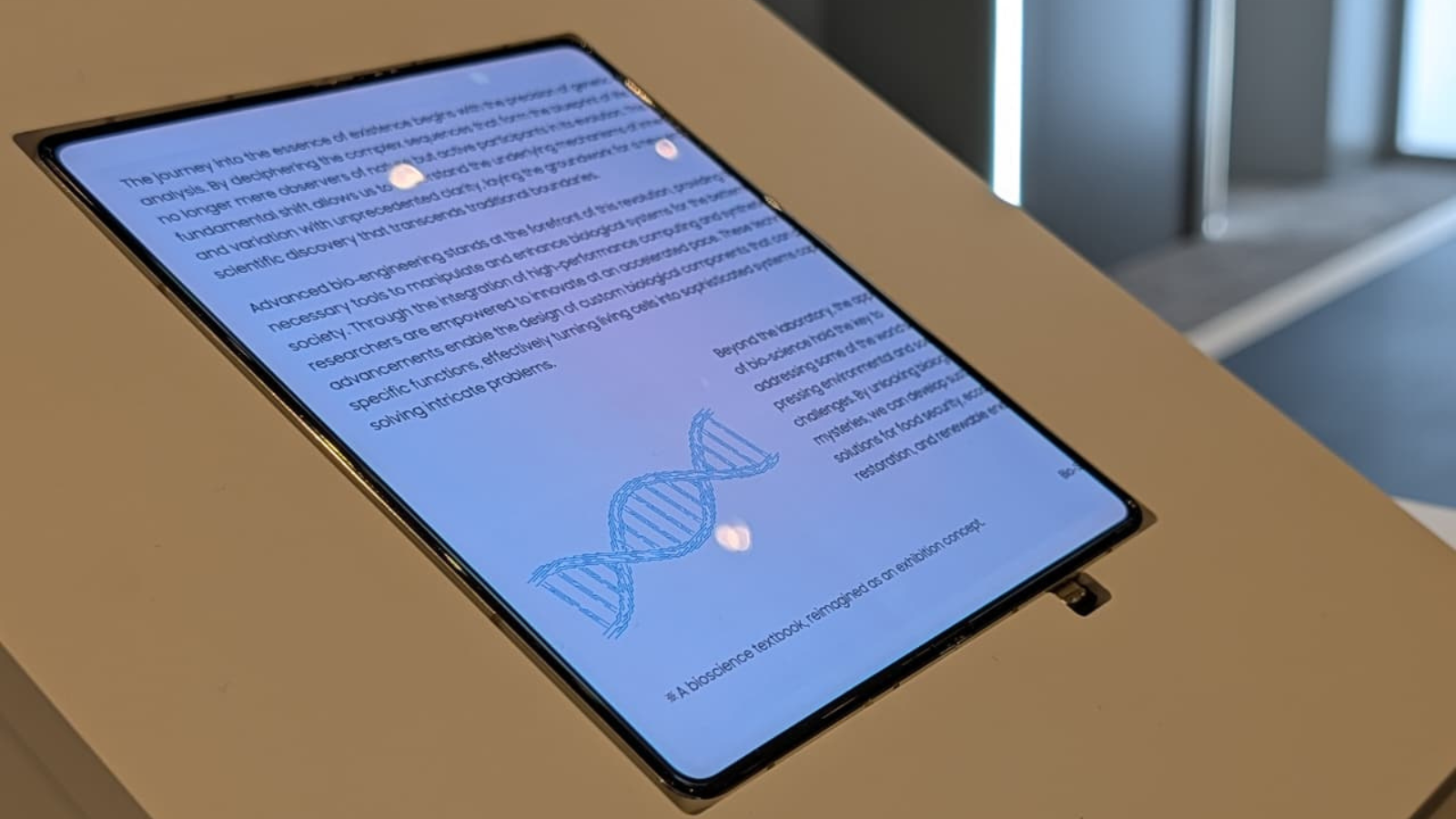
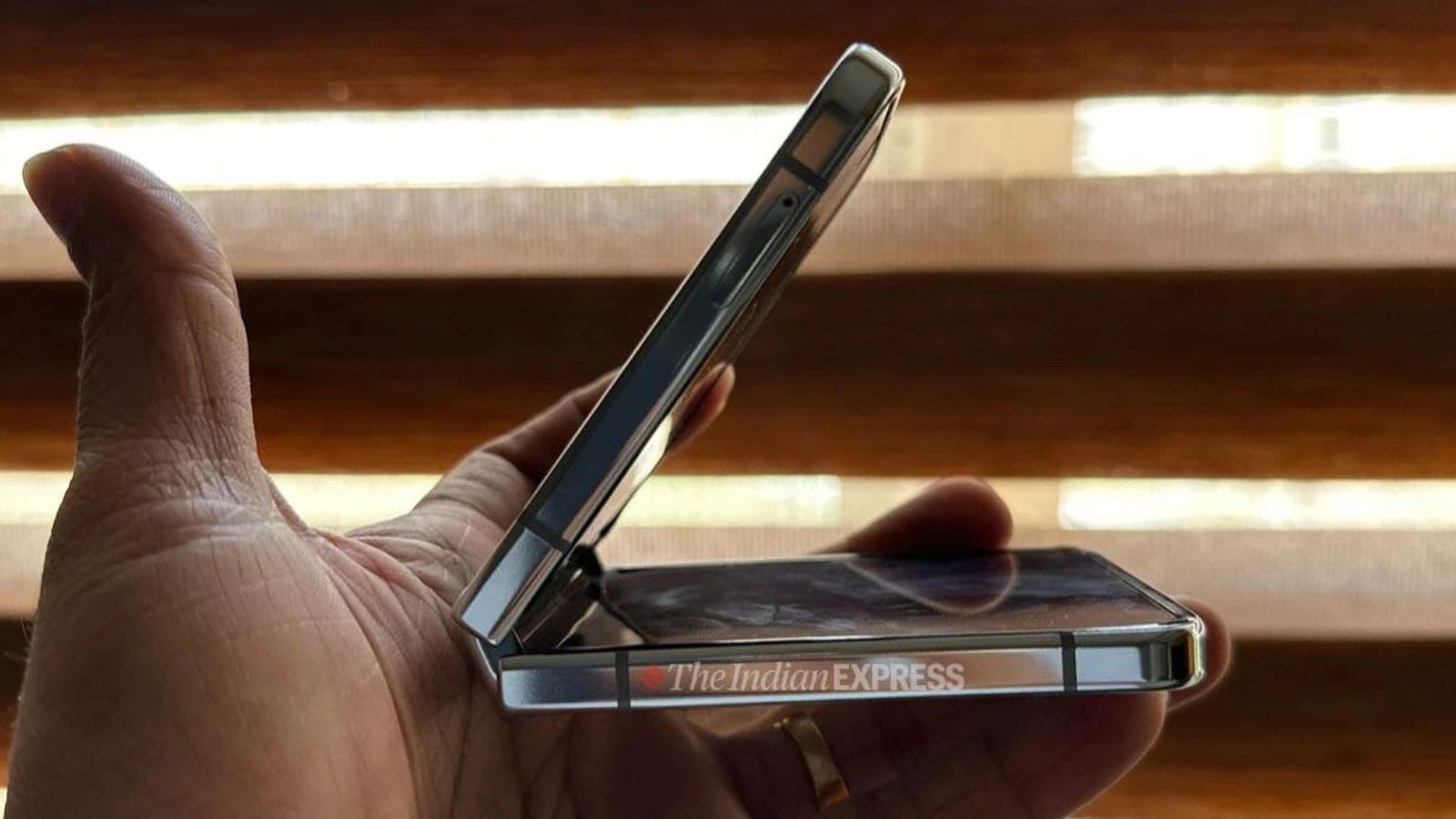
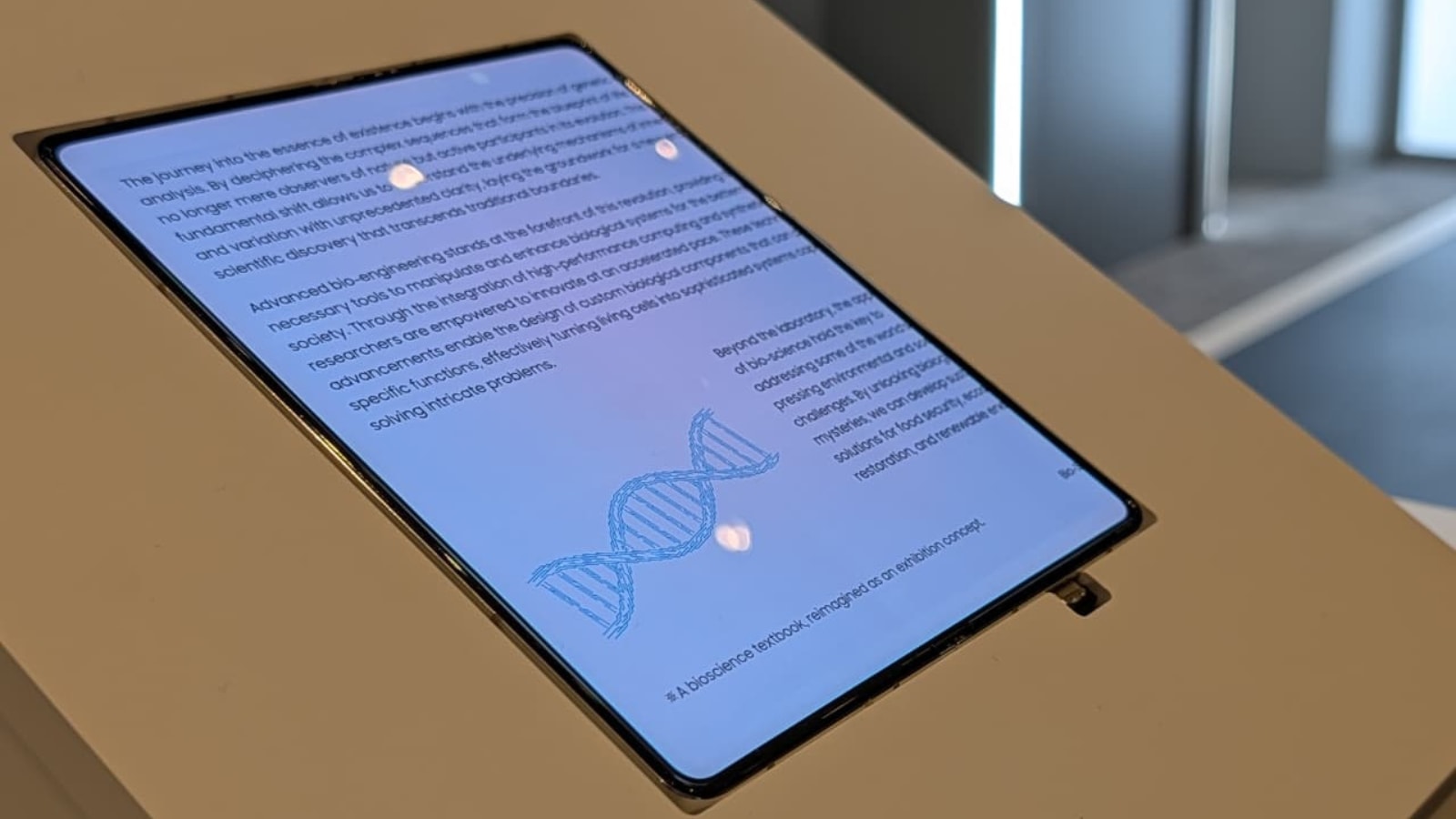
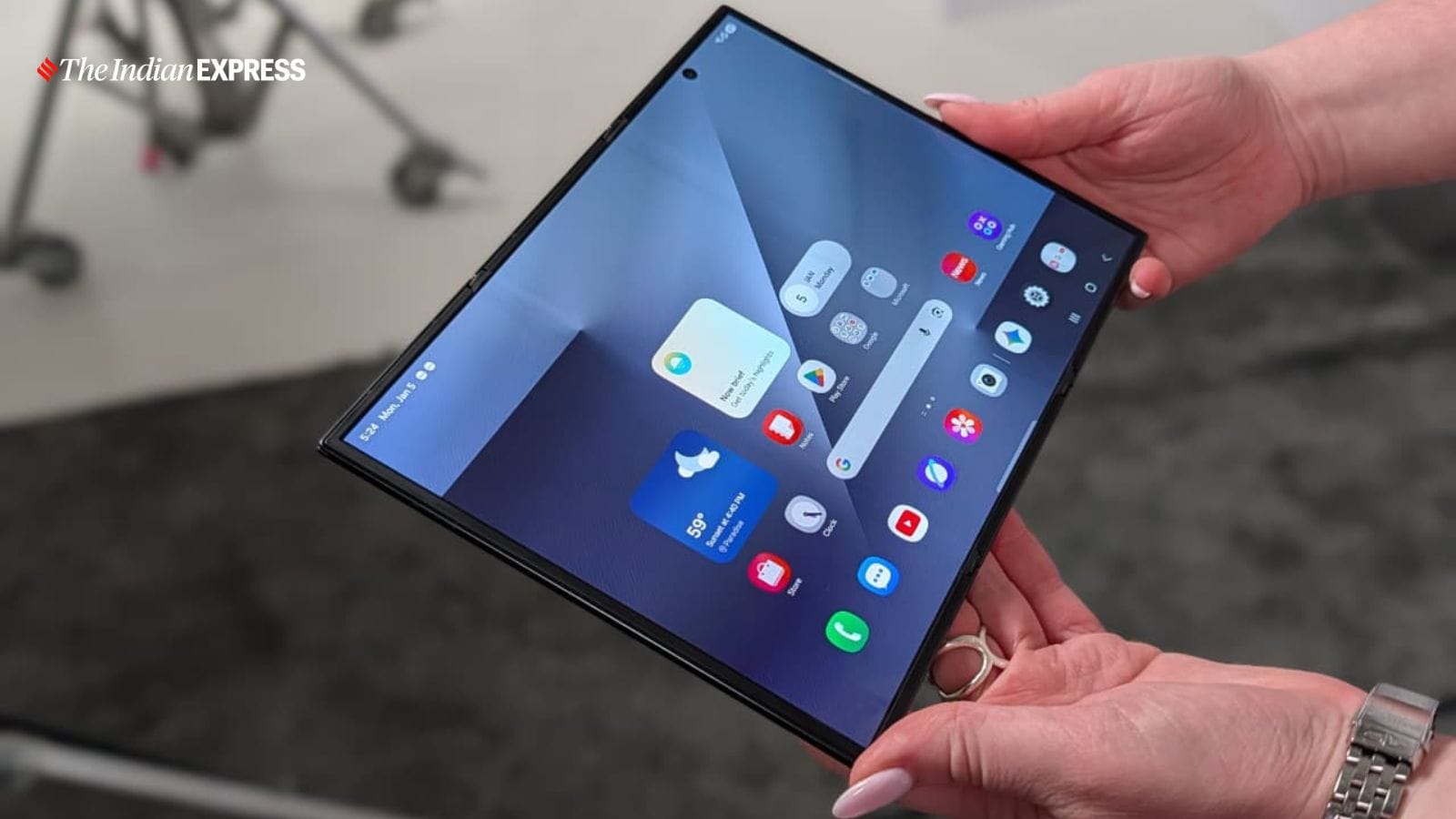
The upcoming launch is set to be one of the most significant in recent memory. Industry insiders and leaks suggest that the Galaxy Z Fold 8 Wide will feature a distinctive, boxy design with a "passport" aspect ratio. When folded, the device will offer a wider, more usable cover screen; when unfolded, it will open into a tablet-sized canvas optimized for media consumption and multitasking.

This shift in design philosophy is a direct response to the limitations of current "book-style" foldables. While existing devices have successfully captured a niche audience of power users and tech enthusiasts, their elongated, narrow aspect ratios often result in black bars during video playback and a cramped typing experience on the cover display. The new passport-style design aims to bridge this gap, offering a more natural viewing experience that feels less like a compromise and more like a deliberate, premium choice.
Samsung’s pivot is not happening in a vacuum. It follows a year of experimentation, including the company’s brief trial of a $3,000 tri-fold device. While that product was pulled from shelves within two months, the lessons learned—specifically regarding the consumer appetite for wider, more immersive displays—have clearly informed the development of the Galaxy Z Fold 8 Wide.
A Chronology of Foldable Evolution
To understand the magnitude of Samsung’s current move, one must look back at the company’s trajectory in the foldable space.
- 2019: The Genesis: Samsung pioneered the foldable category with the original Galaxy Fold, a device that, while plagued by early durability concerns, proved that a single, flexible display could fundamentally change the mobile experience.
- 2020-2021: Refining the Form: Samsung expanded its lineup to include the clamshell-style Galaxy Z Flip and the refined Z Fold series. This era was defined by improving hinge reliability and software integration.
- 2022-2024: Mainstreaming: During these years, Samsung worked to bring prices down and durability up, targeting the mainstream professional with the book-style Z Fold 7.
- 2025: The Trial: The introduction of the $3,000 experimental tri-fold device signaled that Samsung was willing to push boundaries, even if it meant risking commercial failure to test market viability.
- 2026: The Pivot: Now, with the launch of the Z Fold 8 Wide, Samsung is moving from experimental innovation to a bifurcated strategy, offering both professional-grade productivity devices and content-first, passport-style foldables.
Supporting Data: The Economics of the Premium Segment
While the smartphone market as a whole struggles with weak demand and global geopolitical tensions—including a memory chip supply crunch and the ongoing conflict in Iran, which threaten to escalate production costs—the ultra-premium segment remains a bright spot.
According to Runar Bjorhovde, a principal analyst at Omdia, the foldable market is at a crossroads. "The Galaxy Z Fold 7 was Samsung’s first foldable to surpass three million lifetime unit sales," Bjorhovde notes. "However, the flip series is facing a decline. The market is clearly signaling that it wants more differentiation."
The data supports this: foldable smartphones command an average selling price (ASP) roughly four times higher than that of traditional slab smartphones. Despite this, consumers in North America, Europe, and China are showing an increased willingness to pay for devices that offer unique experiences. Forecasts for 2026 suggest a 33% growth in foldable shipments, reaching 27.1 million units. While this is a small fraction of the 1.23 billion smartphones sold globally, the high profit margins associated with these devices are critical for manufacturers looking to maintain growth in a saturated market.

The AI Factor: A Double-Edged Sword
The current push into premium hardware is happening simultaneously with an unprecedented surge in memory chip costs. The global boom in AI data center construction has created a massive bottleneck in the semiconductor supply chain.
"In the second quarter of 2026, DRAM costs for manufacturers were four to five times higher than in the same period a year ago," Bjorhovde explains. This cost pressure has forced brands to reconsider their pricing strategies. Samsung’s decision to move forward with its launch despite these headwinds displays a high level of confidence in its supply chain resilience compared to competitors who have slowed their release schedules.
Implications: The Battle for the Future of Mobile
The launch of the Z Fold 8 Wide carries significant implications for the industry at large.
1. Divergence Over Convergence
Francisco Jeronimo, Vice President of Client Devices at IDC, suggests that the market will not converge on a single form factor. Instead, it will diverge. "The book-style device will continue to lean toward professional productivity users who value a familiar closed experience," Jeronimo says. "The passport-style, however, addresses the content consumption market directly. It is designed for those who prioritize video, reading, and browsing."
2. The Shadow of Apple
The timing of this launch is not accidental. By releasing a wide-format foldable just weeks before the rumored Apple "iPhone Fold," Samsung is making a strategic attempt to negate Apple’s potential first-mover advantage in the "mainstream" foldable space. Samsung is essentially setting the design language for the industry, hoping that when Apple eventually enters the market, it will be playing by the rules established by the South Korean giant.
3. Ecosystem Lock-in
For Samsung, the hardware is only the beginning. The goal is to keep users within the Galaxy ecosystem. By offering a diverse range of high-end foldables, smartwatches, and potentially new smart glasses, Samsung is creating a "walled garden" that is increasingly difficult for users to leave.
4. The Risk of the "Premium" Ceiling
The primary risk remains the consumer’s wallet. With AI-driven job market anxiety and the rising cost of living, even the most loyal customers are scrutinizing their spending. The success of the Z Fold 8 Wide will ultimately hinge on whether Samsung can convince the public that a wider screen is worth the inevitable price hike.
Conclusion
Samsung stands at a critical juncture. It is no longer enough to simply iterate on the foldable concept; it must now prove that the form factor can be a daily driver for the average affluent consumer, not just a toy for early adopters. By embracing the passport-style design, Samsung is betting that the future of the smartphone is not found in the slab, but in the fold.
As the London event approaches, the industry will be watching closely. Whether this new device becomes a standard-bearer for the next decade of mobile technology or a footnote in the history of experimental hardware remains to be seen. However, one thing is certain: in a world of homogeneous, rectangular slabs, Samsung is daring to fold the map in a new direction.