









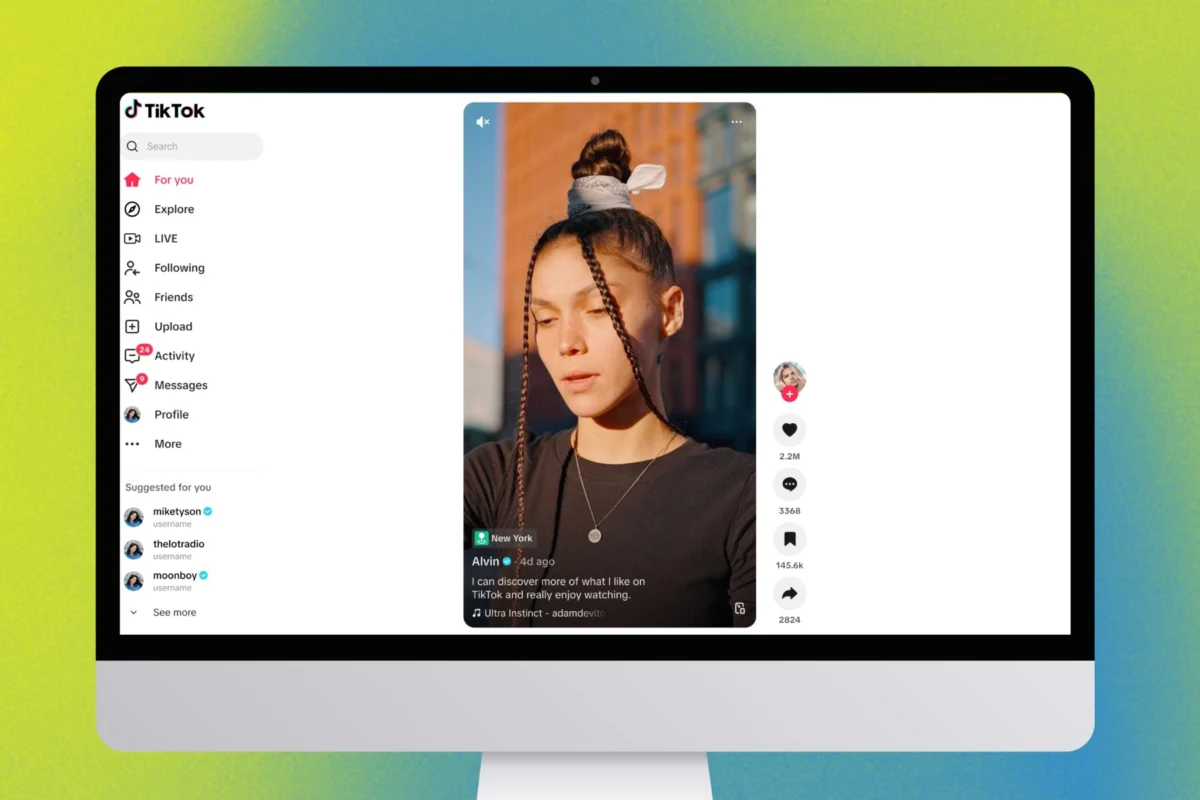
In an era where generative artificial intelligence has made the creation of hyper-realistic digital avatars easier than ever, the boundaries of identity have become increasingly blurred. Recognizing the growing threat of unauthorized digital mimicry, TikTok has begun testing a robust, opt-in "Likeness Detection" tool designed to empower creators to combat AI-generated deepfakes that hijack their faces and personas.
This move marks a significant pivot in how social media giants manage the intersection of creative technology and digital rights, placing the platform in direct competition with YouTube’s own efforts to curb non-consensual AI content.
The Mechanics of Protection: How the Tool Works
TikTok’s new initiative is built upon a foundation of identity verification and proactive monitoring. Currently in a limited beta phase for select creators within the United States, the tool acts as a digital shield against the unauthorized use of a user’s likeness.
To participate in the program, creators must undergo a rigorous identity verification process via Jumio, a third-party identity verification service. This process requires users to provide a real-time, live selfie alongside valid government-issued identification. According to a spokesperson for the platform, TikTok does not retain these sensitive identification documents post-verification. The facial biometric data extracted during the process is strictly siloed and utilized exclusively to create a reference point for the detection algorithm.
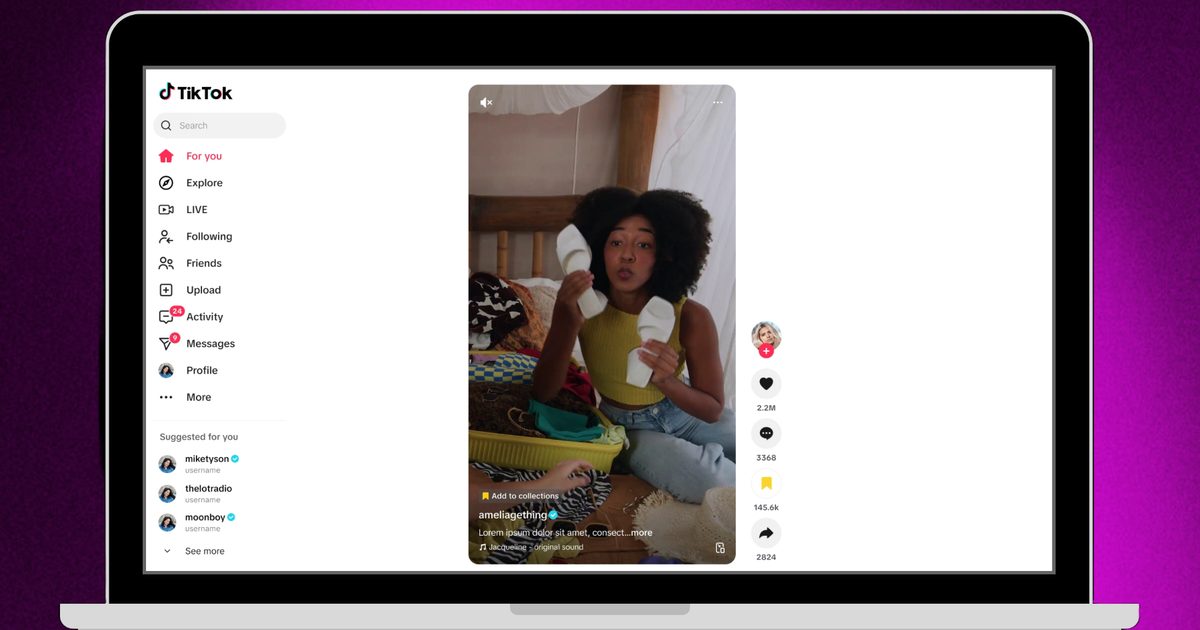
Once a creator has successfully verified their identity, the platform’s AI systems begin scanning the ecosystem for content that bears a striking resemblance to the creator’s facial features. If the system detects a potential match—meaning a video that likely utilizes the creator’s face—it flags the content. The creator then has the authority to review these flagged posts and report any that are deemed to be unauthorized impersonations or malicious deepfakes.
A Growing Trend: The Industry’s Response to Deepfakes
The rise of AI-driven deepfakes has sent shockwaves through the creator economy, with high-profile influencers and celebrities frequently finding their images used in deceptive advertisements, political misinformation, or defamatory content.
TikTok’s decision to implement this detection system follows a broader industry trend. YouTube, for example, has already rolled out a sophisticated likeness detection tool for creators over the age of 18, which was later expanded to provide comprehensive protections for celebrities and professional talent agencies. By joining this movement, TikTok is signaling that the era of "wild west" AI generation on major platforms is drawing to a close.
The urgency of these measures is highlighted by the recent public outcry surrounding Meta’s "Muse Image" feature. Earlier this year, Meta introduced an AI-powered image generation tool that allowed users to generate images of themselves using their own public Instagram photos. The feature, which opted all users in by default, faced immediate and fierce backlash from privacy advocates and users concerned about the lack of consent and the potential for abuse. Meta ultimately withdrew the feature after just three days, citing a "missed mark" in their rollout strategy.
TikTok’s approach contrasts sharply with the "opt-out" culture that has plagued other platforms. By mandating an "opt-in" verification process, TikTok ensures that the tool is utilized only by those who actively seek protection, thereby maintaining a higher standard of user agency.
The Chronology of Digital Identity Rights
The battle against deepfakes is not new, but the sophistication of the technology has reached a critical tipping point.
- 2023–2024: The proliferation of easy-to-use generative AI tools led to a surge in "influencer impersonation," where bad actors used deepfake technology to promote fraudulent crypto-schemes or non-existent products.
- Early 2025: YouTube solidified its stance by offering creators a dashboard to flag unauthorized likenesses, effectively setting the industry standard for platform-level intervention.
- July 2026: Social media consultant Matt Navarra first spotted and reported on TikTok’s testing of the Likeness Detection tool, bringing the platform’s quiet efforts to the public eye.
- Present Day: The program remains in a restricted testing phase, with platform officials gathering data on accuracy, false positives, and user experience to refine the detection algorithms.
The Technical and Ethical Implications of Biometric Verification
The implementation of this tool raises complex questions regarding the centralization of biometric data. While TikTok has emphasized that they do not store ID documents, the very nature of using a third-party service like Jumio creates a dependency on external vendors.
Ethicists and privacy experts have long cautioned against the "normalizing" of biometric scanning for social media access. However, in the context of the current digital landscape, many creators feel that the trade-off—giving a platform a temporary scan of their face in exchange for protection against mass-scale identity theft—is a necessary sacrifice.

The effectiveness of this technology will hinge on its "precision-to-recall" ratio. If the tool is too sensitive, it could flag legitimate fan art, parody content, or transformative works, potentially chilling free expression. Conversely, if it is too lax, it will fail to catch sophisticated deepfakes that utilize style-transfer techniques rather than direct facial mapping. The platform’s ability to distinguish between harmless mimicry and malicious intent will be the true test of the system’s viability.
Impact on the Creator Economy
For the average content creator, the rise of AI represents both a tool and a threat. While creators can use AI to enhance their own videos, the risk of having their "digital twin" used to spread misinformation is a career-ending possibility.
The introduction of this tool serves as a "trust and safety" anchor. By providing a direct pipeline to report deepfakes, TikTok is effectively shifting the burden of policing from the victim to the platform. This is a crucial evolution for the creator economy, as it allows creators to focus on content production rather than playing a perpetual game of "whack-a-mole" with impersonator accounts.
Furthermore, this development sets a precedent for how platforms might handle "digital personas." As we move toward a future where influencers might license their likenesses to AI companies for advertising, the infrastructure that detects unauthorized use will necessarily evolve into the infrastructure that manages authorized digital licensing.
Looking Ahead: The Future of Digital Authenticity
As we gaze into the future of social media, the focus will likely shift toward "provenance"—the ability to verify that a piece of media was created by a human or an authorized AI system. While TikTok’s new detection tool is a reactive measure, the industry is simultaneously working on proactive solutions, such as C2PA (Coalition for Content Provenance and Authenticity) watermarking, which aims to bake metadata into files at the point of creation to prove their origin.
However, until such standards are universally adopted, detection tools like those being tested by TikTok and YouTube will remain the primary defense for users. The platform’s willingness to experiment with these tools, despite the logistical hurdles and privacy concerns, underscores the reality that digital identity is now the most valuable asset a creator possesses.
In conclusion, TikTok’s foray into likeness detection is a necessary, if overdue, response to the realities of the AI age. By centering the tool around creator verification and opt-in control, the platform is attempting to find a balance between innovation and protection. Whether this system will be enough to stem the tide of deepfakes remains to be seen, but it is clear that the platforms of tomorrow will be defined by their ability to protect the human identity behind the screen. As the technology matures, the success of these initiatives will be measured not just by the number of deepfakes removed, but by the sense of security and autonomy returned to the creators who build these communities.