







By Tech Desk Analysis
Published: October 2026
Main Facts: The Digital Jump Scare Gripping X
Social media platforms are constantly iterating, A/B testing, and rolling out new features designed to capture user attention, boost engagement, and drive monetization. However, the latest UI element deployed on X (formerly Twitter) has crossed the line from aggressive marketing into the realm of the surreal.
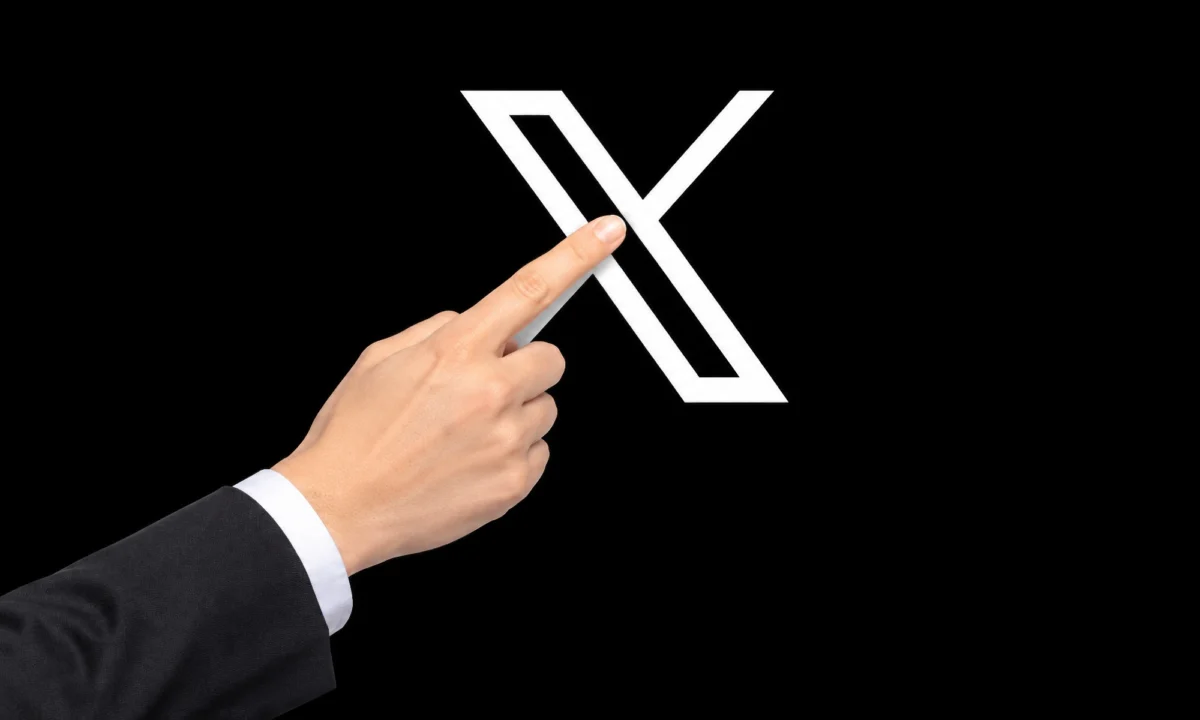
Over the past few days, a growing number of users opening the X app to draft a post have been greeted by an uninvited, highly intrusive guest: a large, disembodied graphic of a pointing hand. Without uttering a word, delivering a tooltip, or providing explanatory text, the digital digit hovers menacingly over the compose screen, locking its gaze entirely on the "Promote" button.

For a user base already conditioned to tune out the standard suite of digital upselling tactics—such as subtle, glowing upgrade banners or polite pop-ups prompting subscriptions to premium tiers—this floating appendage is nearly impossible to ignore. It is obstructive, eerie, and entirely sudden. While some users have laughed off the bizarre interface choice as an early Halloween prank, the broader sentiment across the platform is one of annoyance, confusion, and mild bewilderment.
Chronology: A Timeline of Leadership Shakeups and Creepy UI
To understand how a floating hand ended up haunting the compose screen of millions of users, it is necessary to examine the rapid sequence of product leadership changes at X over the past year.
- August 2025: Nikita Bier steps down from his role leading X’s product team after nearly a year of driving aggressive, engagement-focused growth initiatives. Bier’s tenure was widely associated with high-visibility, sometimes controversial interface elements designed to maximize platform interaction.
- Late October 2026: Users begin reporting the sudden appearance of the mysterious pointing hand within their draft screens. Screenshots rapidly circulate across the platform, with users joking that the heavy-handed marketing tactic is the most "Nikita-coded" design choice imaginable.
- Monday, October 26, 2026: Peter Sellis officially steps into the spotlight, announcing via X that he is joining the company to lead Product. In his introductory post, Sellis expresses enthusiasm for expanding human consciousness to the stars and making "shitposting multiplanetary."
- Present Day: X remains officially silent regarding the origin and purpose of the hand. With the platform transitioning under new product leadership while concurrently navigating seasonal calendar events, neither Bier nor Sellis has claimed direct responsibility for the ghostly digital finger.
Supporting Data: User Reception and the Economics of Promotion
While X has historically relied on programmatic advertising and algorithmic recommendations to encourage users to spend money on promoted posts, direct UI coercion is a distinct escalation.

According to user-submitted metrics and viral screenshots shared across the platform—such as those posted by prominent user Dylan Abruscato—the prompt appears abruptly during the final stages of drafting a post. Abruscato noted in a viral post that the massive, in-your-face arm was "so obstructive, yet so effective" at catching the eye, even if its ultimate utility as a sales tool remains deeply questionable.
Industry analysts tracking conversion rates note a psychological phenomenon known as "design fatigue." When digital products employ overly aggressive, intrusive UI elements—often categorized in UX design as "dark patterns" or high-friction nudges—they frequently achieve the opposite of their intended effect. Instead of enticing casual users to open their wallets and allocate budget toward amplified reach, an aggressive, following finger tends to generate friction, driving users away from the promotion ecosystem entirely. Even digital marketers who regularly utilize X’s paid amplification tools have expressed skepticism, arguing that being stalked by a cartoon hand across the compose window is more likely to trigger annoyance than a purchase.
Official Responses: Silence from Corporate Headquarters
As of press time, X has maintained absolute radio silence regarding the pointing hand. Corporate communications channels have not issued a press release, and official support accounts have ignored direct queries from confused users and tech journalists alike.

This lack of transparency has fueled two primary schools of thought within the tech community:
- The Seasonal Prank Theory: With Halloween mere days away, a subset of the user base believes the hand is a tongue-in-cheek, seasonal aesthetic choice—a digital ghost haunting the app. Under this theory, the feature is temporary and will vanish into the ether shortly after October 31.
- The New Leadership Rollout Theory: Alternatively, industry watchers speculate that the feature is an aggressive, permanent product test initiated during the transition between outgoing and incoming product teams. With Peter Sellis taking the helm of the product division just as the hand made its debut, many wonder if this aggressive push toward monetization is a harbinger of a more heavy-handed commercial strategy under the new administration.
Without official confirmation from X, both theories remain speculative.
Implications: The Future of UX and Platform Monetization
The "pointing hand" phenomenon touches on a broader, increasingly contentious debate within the technology sector regarding the boundaries of user experience (UX) and aggressive platform monetization.

As social media companies face continuous pressure to improve revenue streams and demonstrate profitability to stakeholders, product teams are constantly tempted to push the envelope. Traditional banner ads and passive call-to-action buttons no longer suffice in capturing an increasingly desensitized audience’s attention. Consequently, companies are experimenting with high-impact, disruptive visual elements designed to force engagement.
However, there is a fine line between effective marketing and user alienation. Platforms built on community trust, real-time discourse, and organic expression risk eroding user goodwill when their interfaces begin to feel hostile or predatory. If the pointing hand is indeed a permanent feature designed to pressure users into buying promoted posts, X may soon discover a harsh economic truth: creeping out your user base is a remarkably effective way to empty your conversion funnel.
Until X provides clarity—or quietly pushes an update that banishes the spectral finger back to the digital netherworld—users are left with little choice but to draft their thoughts around the intrusion, hoping that their next post isn’t met with an even more startling UI surprise.