











Introduction and Main Facts
The walled gardens of mobile operating systems have long relied on hardware exclusivity to drive hardware sales. When Google launched its flagship Pixel 11 series earlier this year, it packed the new lineup with a suite of sophisticated, on-device artificial intelligence capabilities. Among these, tools like Magic Cue and Magic Capture turned heads, but it was a novel voice-typing system called Rambler that truly captured the imagination of power users.
Rambler represents a generational leap over legacy voice-to-text dictation tools. Rather than simply transcribing raw phonetic sounds in real-time, Rambler processes spoken audio contextually. It automatically strips away conversational filler words (such as "um," "uh," and "like"), cleans up grammar, adjusts formatting, seamlessly inserts appropriate emojis, and can even dynamically rewrite text into different stylistic tones—ranging from formal corporate prose to casual colloquialisms.
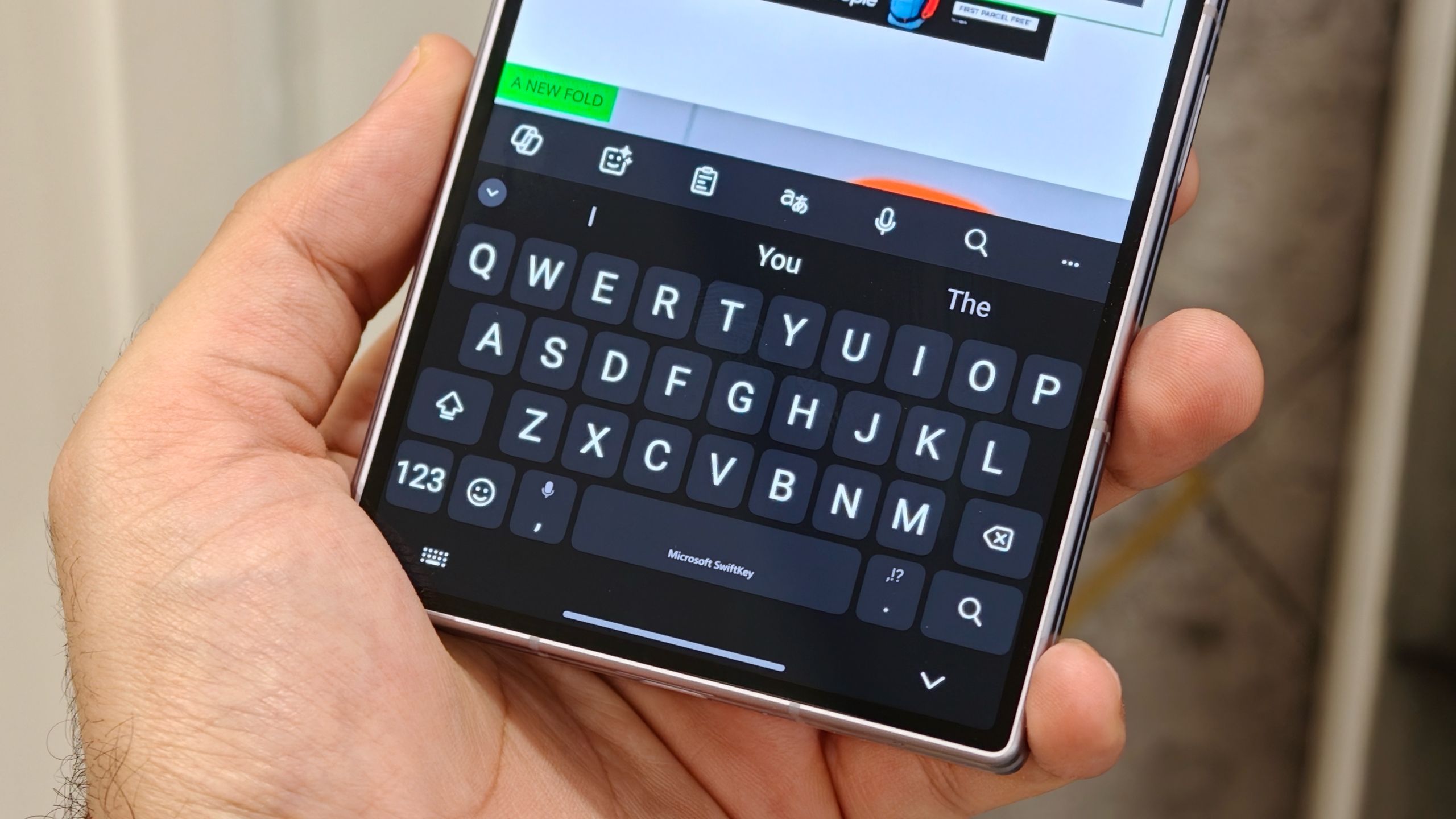
However, until recently, experiencing this advanced AI capability required shelling out for a brand-new Pixel 11 device. That changed when independent developer Akshay Kadam released PixelBoard, a modified iteration of Google’s ubiquitous Gboard application. Hosted on GitHub, PixelBoard effectively bypasses Google’s device-level restrictions, allowing users running various non-Pixel Android smartphones to unlock and utilize the coveted Rambler feature.
While this unauthorized mod opens up a fascinating window into the future of cross-device AI parity, it arrives with notable caveats. Sideloading modified APK (Android Package) files inherently introduces security vulnerabilities and privacy considerations. Furthermore, because Google’s backend infrastructure and proprietary algorithms govern the feature, the workaround sits on precarious ground, subject to being broken by a routine server-side patch or app update at any moment.
Chronology of Events: From Pixel 11 Exclusive to Open-Source Workaround
To fully understand how Rambler escaped the confines of Google’s hardware ecosystem, it is helpful to trace the timeline of its release and subsequent modification:
- Early 2026 (The Pixel 11 Launch): Google debuts its Pixel 11 smartphone lineup. Alongside hardware refreshes, the company heavily markets its new proprietary software ecosystem, featuring AI enhancements powered by next-generation on-device machine learning models. Rambler is introduced as a premier feature designed to revolutionize how users compose messages, emails, and notes via voice.
- The Post-Launch Window: Tech reviewers and early adopters praise Rambler for its high accuracy and intelligent editing features. Unlike desktop-class AI voice tools that often require third-party dictation apps, Rambler is deeply integrated into the operating system’s keyboard interface. However, early teardowns and developer analyses confirm that the feature relies on specific system flags, software libraries, and hardware hooks unique to the Pixel 11’s Tensor processing architecture.
- The Discovery Phase: Recognizing the underlying framework of Google’s keyboard application, independent developers begin dissecting the Gboard app packages to determine if the hardware check can be circumvented. They discover that while the heavy lifting of the AI processing may lean on cloud or local processing models, the user-facing gatekeeper is primarily a device-recognition script within the software package itself.
- Recent Days (The PixelBoard Release): Developer Akshay Kadam publishes a modified version of Google’s Gboard app, dubbed PixelBoard, to GitHub. By patching the APK binaries, Kadam successfully tricks the application into believing it is operating on a native Pixel 11 device. This allows users of Samsung, Motorola, OnePlus, and other Android brands to install the modified keyboard, configure it as their default input method, and immediately access the Rambler voice-typing engine without owning Pixel hardware.
Supporting Data: Understanding Rambler vs. Traditional Android Voice Typing
To grasp why the release of PixelBoard is causing excitement—and concern—within the Android community, one must examine the technological gulf separating legacy voice typing from modern AI-driven solutions like Rambler.
The Evolution of Android Input Methods
| Feature / Capability | Traditional Android Voice Typing (Gboard Legacy) | Rambler (Google Pixel 11 AI Voice Typing) |
|---|---|---|
| Processing Style | Live, phonetic streaming transcription. | Post-speech batch processing (activated via "Done"). |
| Handling of Fillers | Transcribes everything verbatim ("um," "uh," stutters). | Automatically filters and strips out conversational filler. |
| Grammar & Formatting | Minimal automatic punctuation; often requires manual fixing. | Contextually adds punctuation, capitalizes correctly, and structures text. |
| Tone Adaptation | None; outputs literal transcription. | Capable of rewriting text in formal, casual, or professional tones. |
| Interactivity | Basic voice commands for deletion or punctuation. | Understands spoken corrections on the fly and inserts emojis naturally. |
| Device Accessibility | Available universally across modern Android devices via Gboard. | Officially exclusive to the Pixel 11 series (until unofficial workarounds). |
As the data illustrates, Rambler shifts voice input from a glorified transcription tool to an active writing assistant. Traditional voice typing often resulted in frustrating walls of unpunctuated text filled with conversational stumbles. Rambler’s approach—waiting until the user finishes speaking to deliver a polished, ready-to-send block of text—mimics the workflow of dedicated desktop AI transcription utilities.
By porting this capability via PixelBoard, Kadam has essentially bridged a multi-year feature gap for non-Pixel users, proving that the software barriers maintained by OEMs are often arbitrary marketing decisions rather than insurmountable hardware limitations.
Official Responses and Industry Context
Google has not yet issued a formal public statement regarding the PixelBoard repository or developer Akshay Kadam’s specific workaround. However, the tech giant’s historical stance on modified APKs, system-level app modifications, and unauthorized access to proprietary AI tools provides a clear picture of how this situation will likely evolve.
Major smartphone manufacturers invest heavily in software exclusivity to differentiate their products in a saturated market. When consumers can purchase a mid-range or budget-friendly Android device from a competitor and instantly unlock flagship-tier software features via a simple GitHub download, the perceived value of upgrading to an expensive flagship diminishes. Consequently, tech companies typically respond to such exploits through one of two primary methods:
- Server-Side Restrictions: Companies can modify API endpoints and verification protocols on their backend servers. If a client app attempts to access an AI processing pipeline without presenting legitimate device tokens or authorization credentials, the server can instantly reject the request, rendering the feature inert regardless of client-side code modifications.
- App Store and Repository Policing: While GitHub is decentralized, Google frequently issues Digital Millennium Copyright Act (DMCA) takedown notices or trademark-related complaints against repositories that host modified versions of its proprietary applications containing copyrighted source code and binaries.
Independent security analysts have also weighed in on the broader implications of using modified system-level applications. Because a keyboard app maintains total visibility over everything a user types—including passwords, credit card numbers, private messages, and authentication codes—installing a third-party APK from an unverified developer introduces severe threat vectors. Even if an independent developer has benevolent intentions, a modified APK could inadvertently expose sensitive user data if the underlying source code has been altered or compromised.
Implications: What PixelBoard Means for the Future of Android Customization
The emergence of PixelBoard highlights a recurring theme in the Android ecosystem: the eternal tug-of-war between manufacturer walled gardens and the open-source community’s desire for universal access.
1. The Erosion of Artificial Exclusivity
For years, manufacturers have restricted advanced software features to newer hardware generations, often citing processing requirements that independent developers later prove to be flexible. While heavy AI models genuinely require robust neural processing units (NPUs), much of the interface logic and feature gating resides entirely within software flags. PixelBoard demonstrates that users are increasingly unwilling to accept arbitrary software boundaries when their underlying hardware is otherwise fully capable of handling modern workloads.
2. Security vs. Feature Accessibility
The viral interest in PixelBoard underscores a persistent user dilemma: the willingness to trade security and data privacy for cutting-edge functionality. Sideloading modified APKs bypasses the secure verification checks of the official Google Play Store. Cybersecurity experts consistently warn against installing modified core applications—especially keyboards—due to the catastrophic potential for data harvesting. The popularity of Kadam’s project serves as a reminder that official channels must do a better job of rolling out features transparently, or tech-savvy consumers will inevitably seek alternative, riskier avenues.
3. Pressure on OEMs to Accelerate Feature Rollouts
As independent developers continue to crack and port flagship features to older or competing devices, original equipment manufacturers face mounting pressure to democratize software updates. If users can easily circumvent exclusivity walls, hardware makers may need to pivot their value propositions away from software artificial intelligence gatekeeping and focus more heavily on build quality, battery innovation, and genuine hardware superiority.
Conclusion
The release of PixelBoard and the porting of Google’s Pixel 11 Rambler feature to non-Pixel devices marks a fascinating milestone in mobile software modification. It highlights the ingenuity of the independent developer community while exposing the fragile nature of hardware-locked software features. Whether Google chooses to shut down this specific workaround via server-side blocks or choose a path of passive tolerance remains to be seen. In the interim, users tempted by the siren song of advanced AI voice typing on their non-Pixel smartphones must weigh the allure of cutting-edge technology against the very real risks of running unverified, modified system applications.



