








For the modern freelancer, Upwork has long served as the digital town square—a massive, bustling marketplace where millions connect to find project-based work. However, as the digital landscape shifts, an increasing number of independent professionals are discovering that relying on a single platform is a precarious business model. Whether driven by rising service fees, intense competition, or evolving platform policies, the mandate for the modern independent worker is clear: diversification is the key to long-term career stability.

The Case for Platform Diversification
The freelance economy is no longer a monolithic entity; it is a fragmented ecosystem of specialized talent networks, remote job boards, and niche-specific marketplaces. Relying on one platform creates a "single point of failure." When that platform changes its algorithm, adjusts its commission structures, or undergoes policy shifts, the freelancer’s income is immediately compromised.

Strategic diversification—maintaining a presence across three to four platforms—not only mitigates risk but also opens the door to higher-paying, long-term contracts that are often hidden away from the saturated "bidding wars" found on larger, generalist platforms.
A Chronology of the Modern Freelance Shift
The evolution of remote work has moved in waves. The early 2010s were defined by the rise of "gig" platforms, where quantity often outweighed quality. By 2020, the global shift to remote work forced companies to reconsider how they source talent. Today, in 2026, we are witnessing a "professionalization" of the freelance sector.
- 2020-2022: The surge in remote work adoption led to an explosion of users on platforms like Upwork and Fiverr, causing significant market saturation.
- 2023-2024: Freelancers began to experience "platform fatigue," leading to a search for niche boards that prioritize vetted talent.
- 2025-2026: The current trend highlights a pivot toward hybrid talent networks and direct-hire job boards, where companies seek long-term remote partners rather than one-off gig workers.
Supporting Data: Why Niche Matters
Market research indicates that freelancers who diversify their acquisition channels report a 35% higher average hourly rate compared to those confined to a single marketplace. Furthermore, niche platforms—those catering specifically to developers, translators, or creative designers—boast a significantly higher conversion rate for proposals. This is because these platforms filter out "low-intent" clients, connecting experts with employers who understand the true value of specialized labor.
Top Alternatives to Explore in 2026
To help you build a more robust career, we have categorized the most effective alternatives to Upwork based on their operational models.
The Remote Job Boards
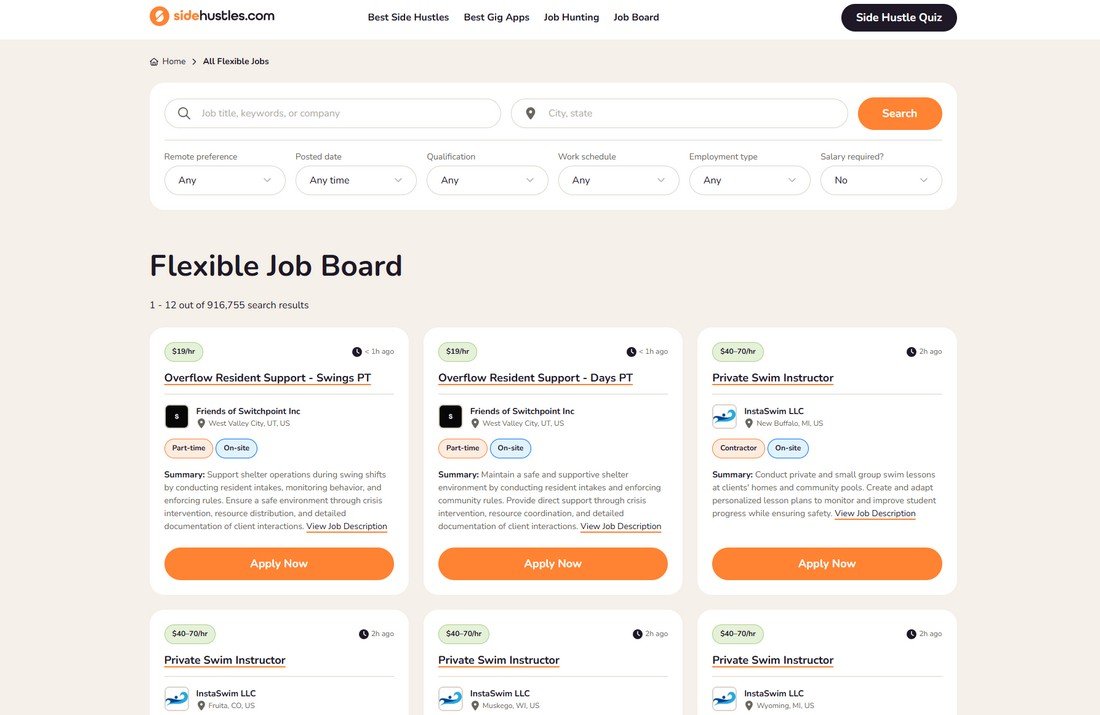
These platforms act as curated directories for companies hiring remote-first talent, often providing a more "traditional" hiring experience.
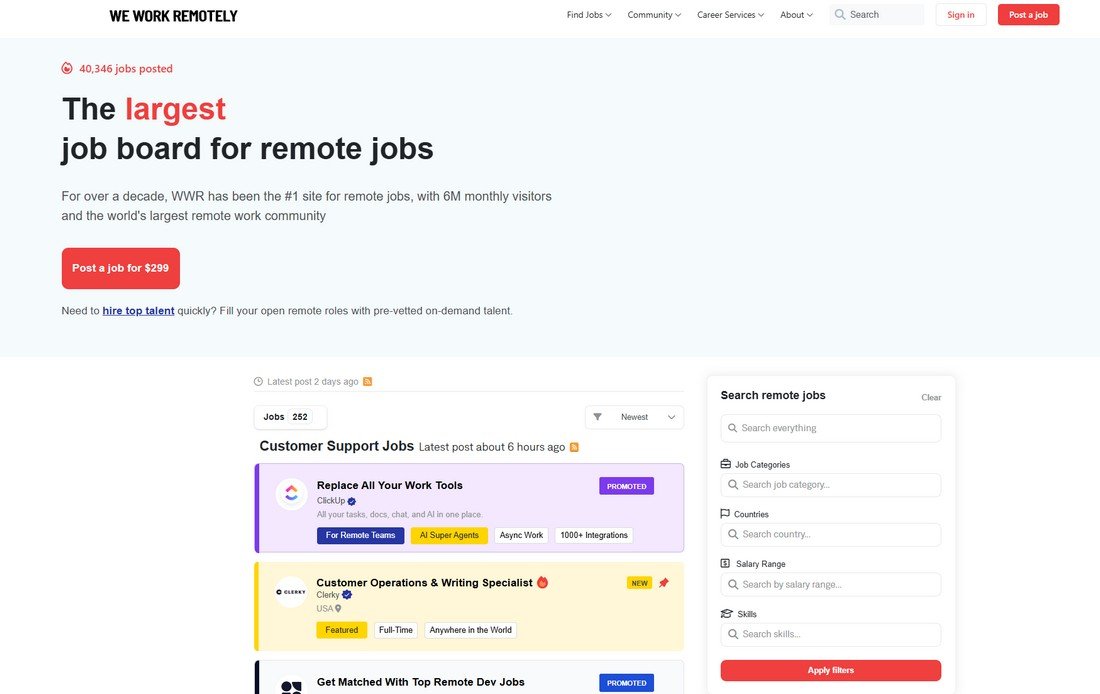
- We Work Remotely: A long-standing staple in the remote work community. It offers high-quality listings from companies that are intentionally built to be distributed.
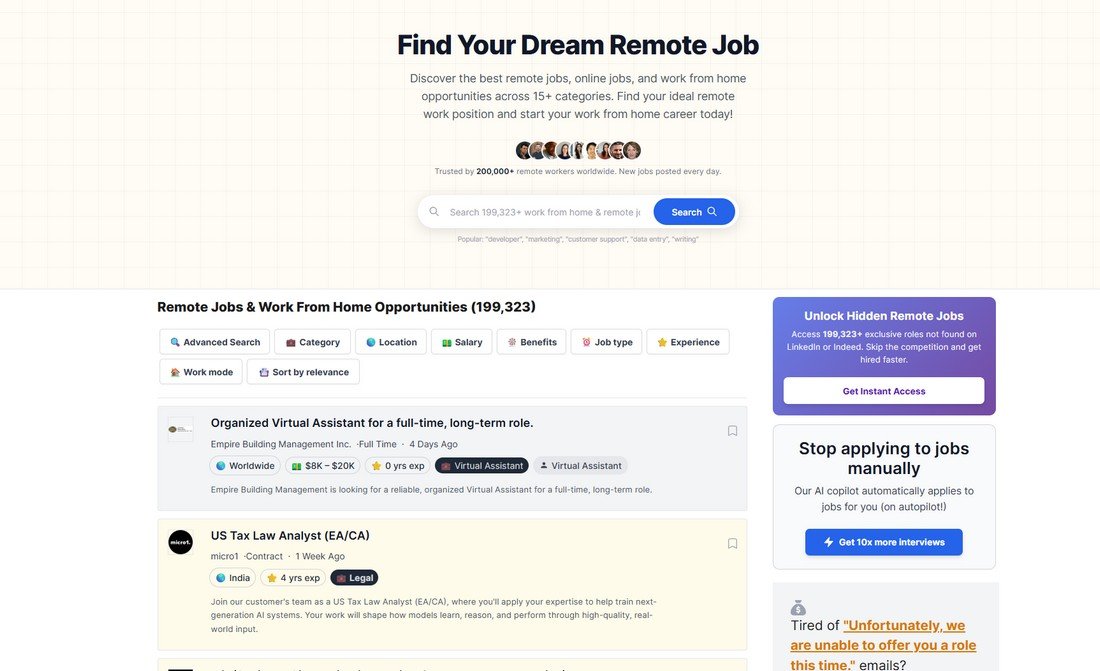
- DailyRemote: An aggregator that filters opportunities from across the web. Its strength lies in its volume and the frequency of new listings.
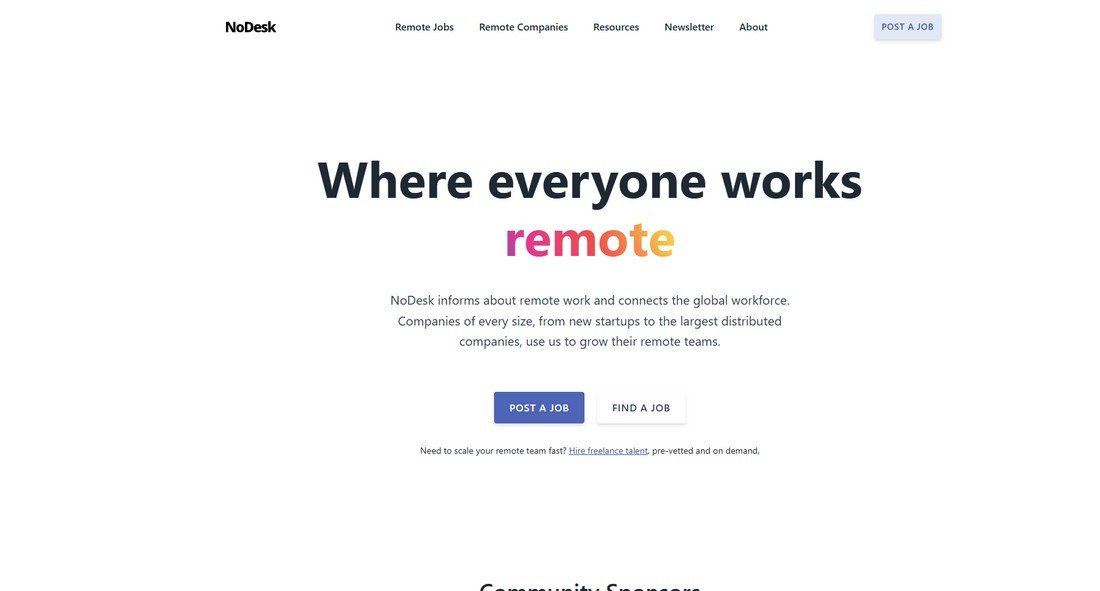
- NoDesk: Beyond just a job board, NoDesk maintains a directory of remote-friendly companies, which is an excellent tool for proactive outreach.
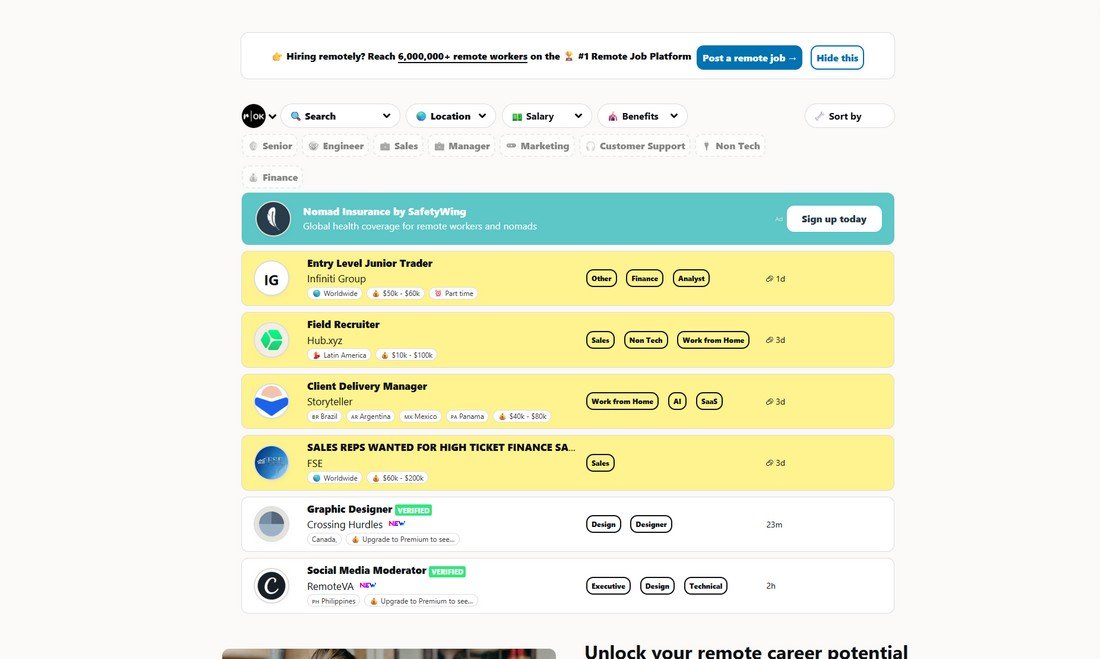
- RemoteOK: Known for its simplicity and transparency, many listings here include salary ranges upfront, eliminating the "guessing game" in negotiations.
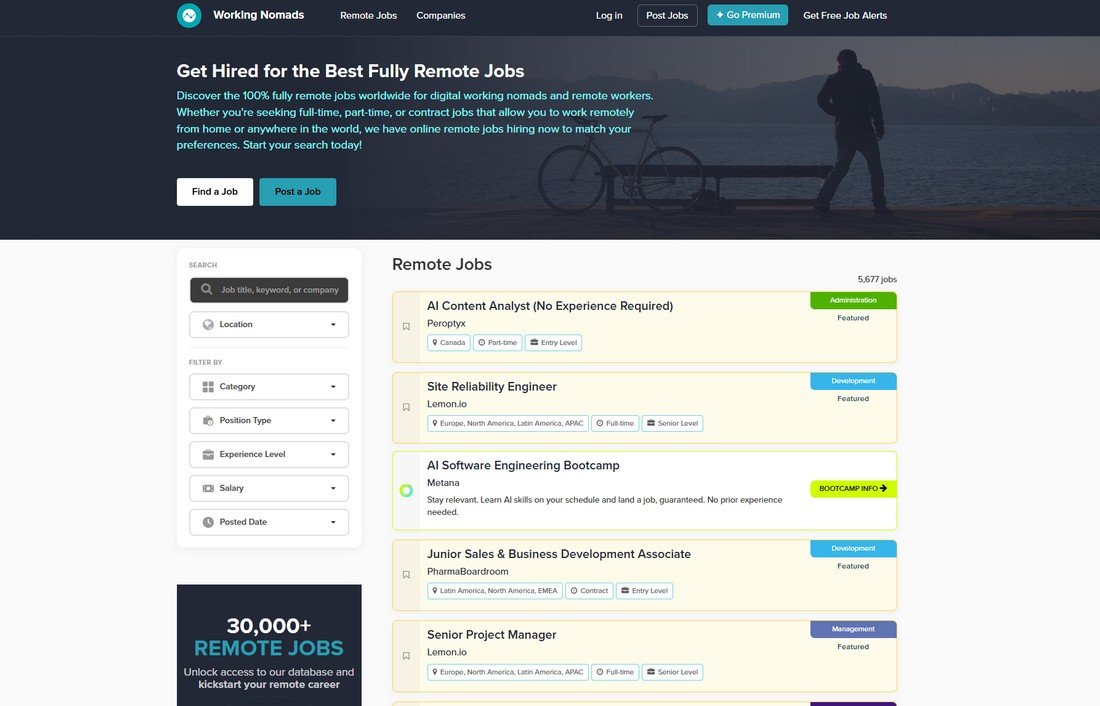
- Working Nomads: This platform excels in curation, organizing jobs into clean, intuitive categories that save you time on your daily search.
- Remotive: A favorite among startup enthusiasts. It maintains a strict quality threshold for listings, filtering out the "noise" found elsewhere.
- Jobspresso: Offers a dual approach: a standard job board paired with a resume database, allowing companies to discover you.
- Wellfound (formerly AngelList): The gold standard for those looking to join fast-moving startups. It is the premier destination for equity-focused and high-growth opportunities.
- SkipTheDrive: An excellent aggregator that helps you avoid the daily grind of checking dozens of individual career pages.
- Virtual Vocations: A comprehensive, multi-industry board that is particularly strong for administrative and professional services.
- Authentic Jobs: A highly respected board that attracts premium design, marketing, and development agencies.
The Specialized Marketplaces
These platforms, like Upwork, allow you to bid on work but often feature lower competition or specific professional requirements.
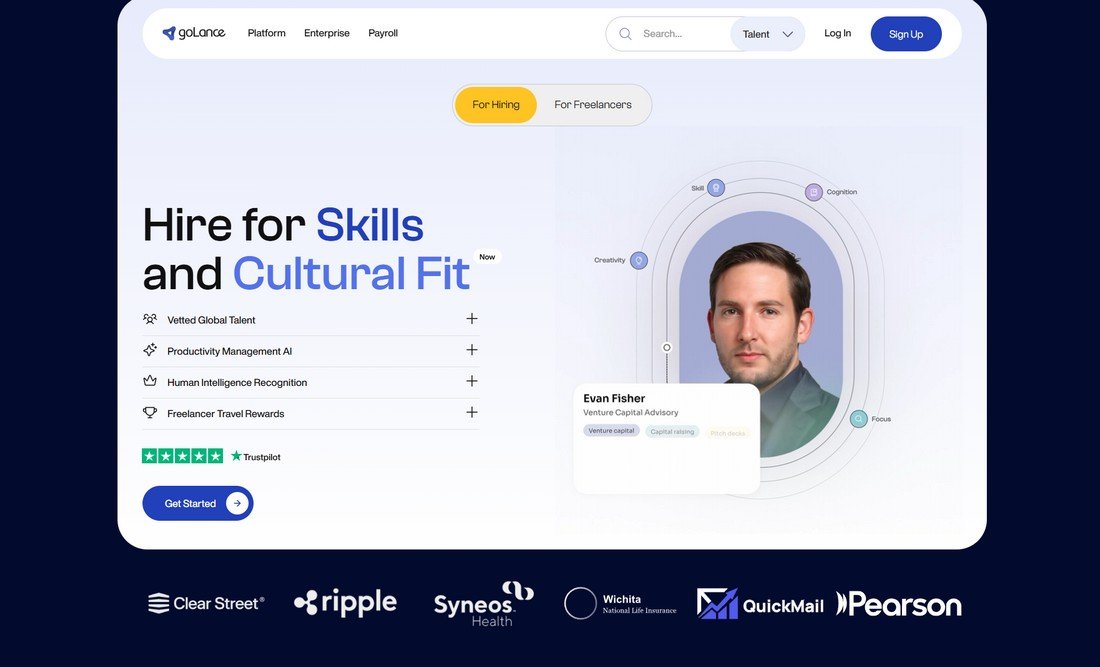
- goLance: A rising star in the freelance space, goLance is increasingly viewed as the most direct competitor to Upwork, offering a similar, yet often more manageable, ecosystem.
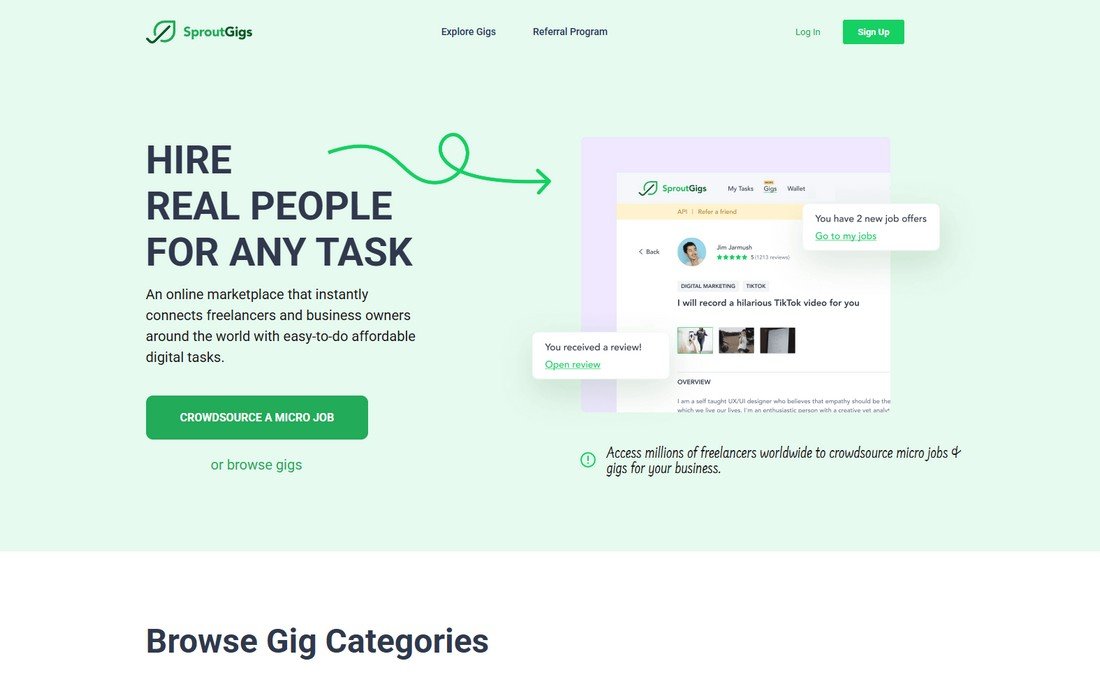
- SproutGigs: Highly recommended for beginners. It bridges the gap between micro-tasks and full-scale project work, providing a low barrier to entry.
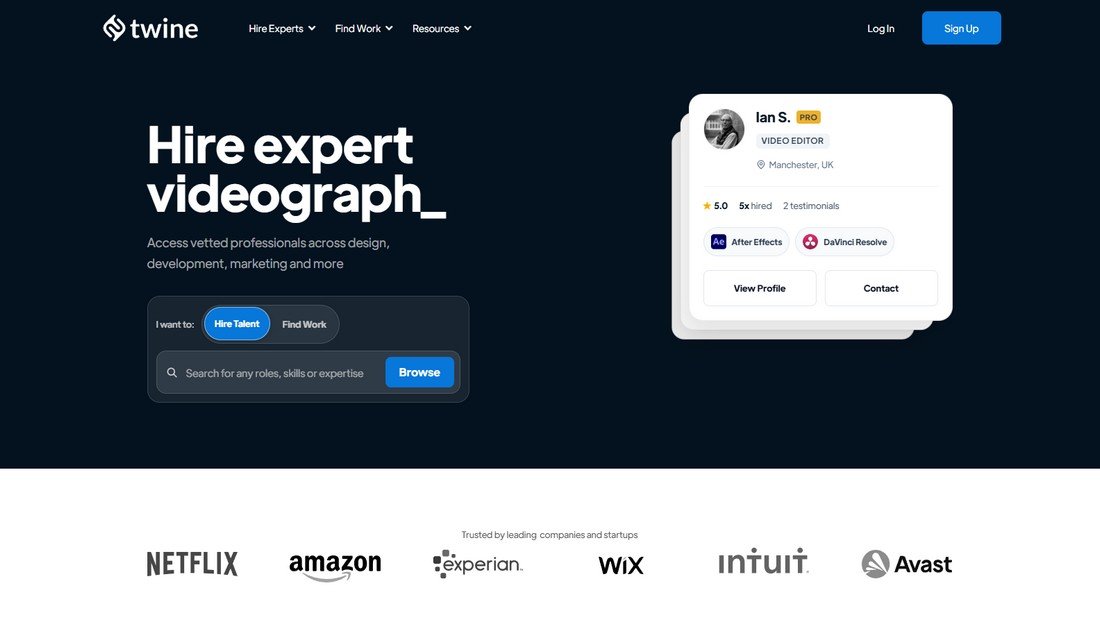
- Twine: The destination for the creative economy. If you are an animator, musician, or video editor, Twine’s client base is tailored to your craft.
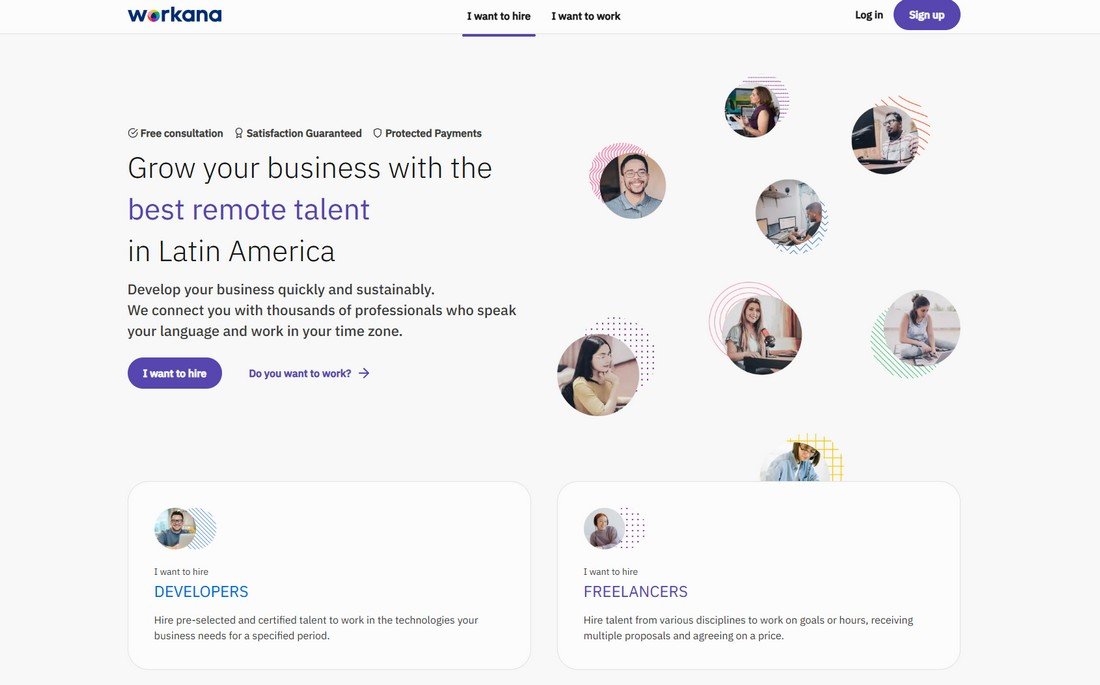
- Workana: The leading choice for those targeting the Latin American market. It is an essential platform for those seeking to expand their global reach.
- ServiceScape: A platform that maintains a laser focus on writing, editing, and translation, ensuring that your profile is only seen by relevant, high-intent clients.
- ProZ: The industry-standard hub for language professionals. While the competition is fierce, the professional network and resources are unmatched.
The Talent Networks
These platforms operate more like recruitment agencies, where vetting is a prerequisite for entry.
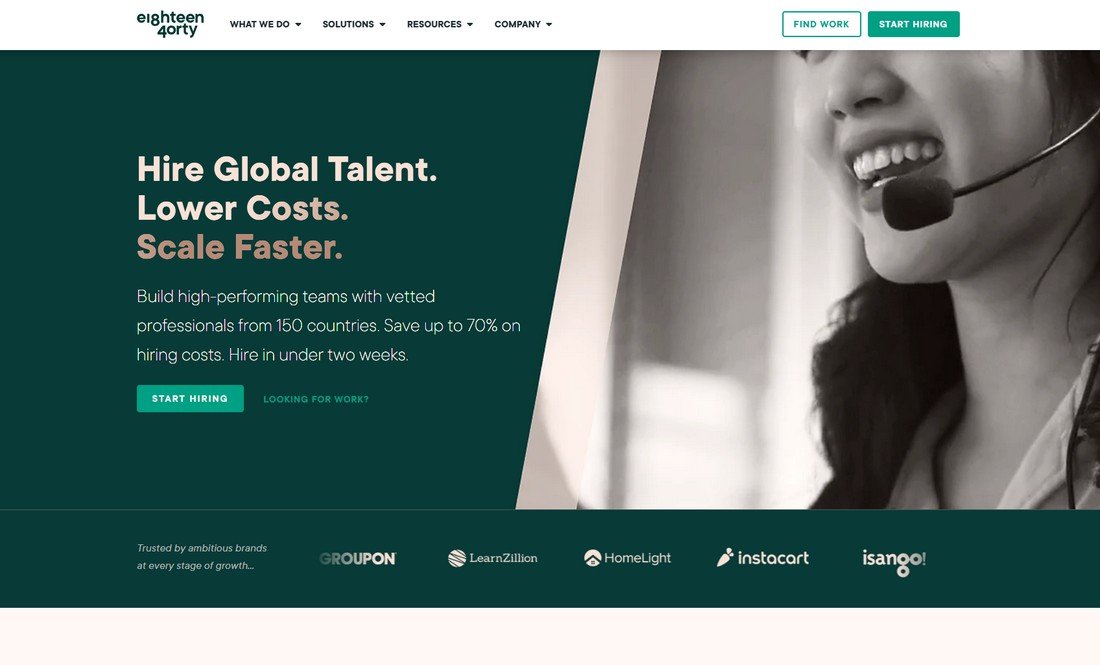
- 1840 & Company: Operates on a high-trust model. You must pass a vetting process, but the reward is access to exclusive, long-term corporate projects.
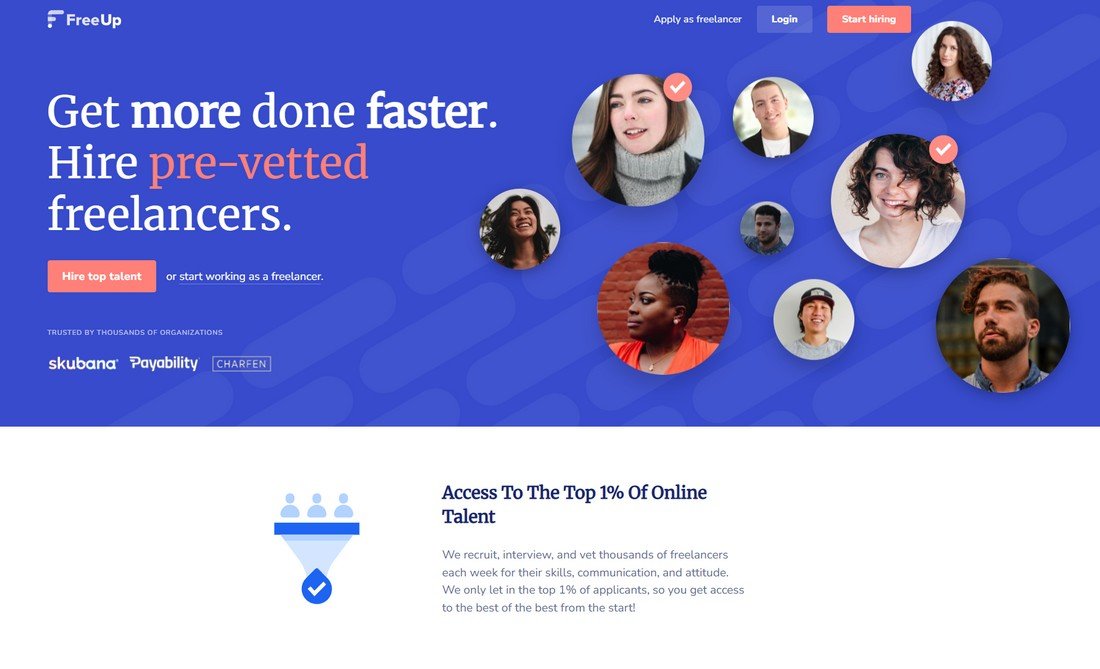
- FreeeUp: Similar to 1840 & Company, the barrier to entry is high, but the competition inside the platform is significantly lower than on open marketplaces.
- Robert Half Talent Solutions: For those seeking long-term contract work in finance, business, or tech, Robert Half provides the stability of a staffing agency with the flexibility of freelance work.
Official Industry Perspectives: Implications for the Future
Industry analysts suggest that the "Gig Economy" is evolving into the "Skill Economy." As AI tools automate low-level tasks, clients are increasingly looking for deep, specialized expertise.
"The era of the ‘generalist bidder’ is coming to an end," says one industry consultant. "Platforms that facilitate deep vetting and long-term professional relationships are the ones that will dominate the next decade."
The implication for freelancers is significant: you must move away from "transactional" relationships and toward "partnership" models. This means building a brand, maintaining a portfolio across multiple sites, and ensuring your presence is visible where your ideal clients congregate.
Strategic Implementation: How to Start
You do not need to register for all 20 platforms. That would be an administrative nightmare. Instead, follow this three-step strategy:
- Assess Your Niche: If you are a translator, prioritize ProZ. If you are a startup developer, prioritize Wellfound.
- Select Your Mix: Choose one large marketplace (e.g., goLance), one remote job board (e.g., We Work Remotely), and one talent network (e.g., FreeeUp).
- Optimize for Quality: Spend one week fully optimizing your profiles on these three platforms. A single, well-crafted profile is worth more than twenty "quick-apply" resumes.
Conclusion
The goal of every freelancer should be autonomy. By spreading your efforts across diverse platforms, you reclaim control over your career. You are no longer at the mercy of one company’s policy update; you are a business owner operating in a global market. Explore these platforms, test the waters, and start building the resilient, multi-stream career you deserve.
For those looking to accelerate their freelance journey, the 2026 edition of "Freelance Like A Pro" is now available. Featuring 21 essential lessons and 5 industry secrets, it is designed to help you navigate the complexities of the modern freelance landscape.