






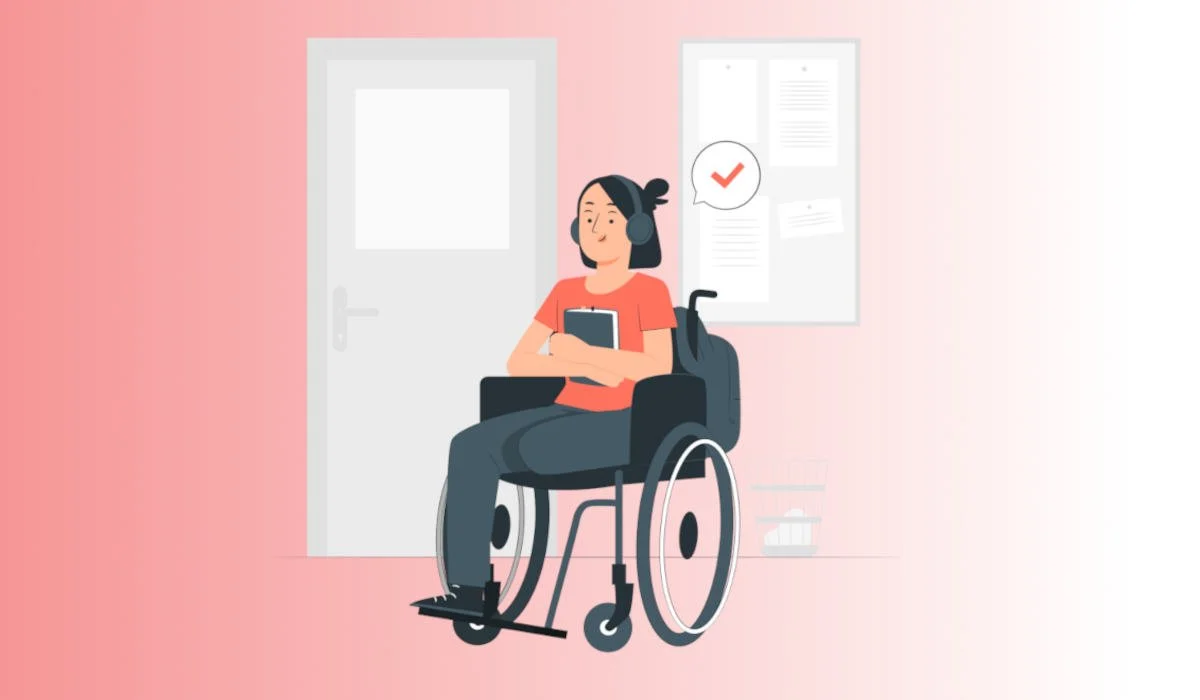
Global — Navigating life with a disability or chronic illness while striving to secure financial independence presents a profound socioeconomic challenge. For millions worldwide, physical barriers, rigid traditional workplaces, and a lack of accommodating infrastructure have long restricted access to gainful employment. However, the rapid expansion of the digital economy has catalyzed a paradigm shift. Today, remote work, digital entrepreneurship, and online freelancing are dismantling traditional barriers, offering viable, flexible pathways to self-reliance from the comfort of home.
Main Facts: The Reality of Remote Work for the Disabled Community
The modern labor market is experiencing an unprecedented shift toward location-independent employment. For individuals with mobility impairments, chronic pain conditions, or long-term illnesses, this evolution is more than a convenience—it is a lifeline.
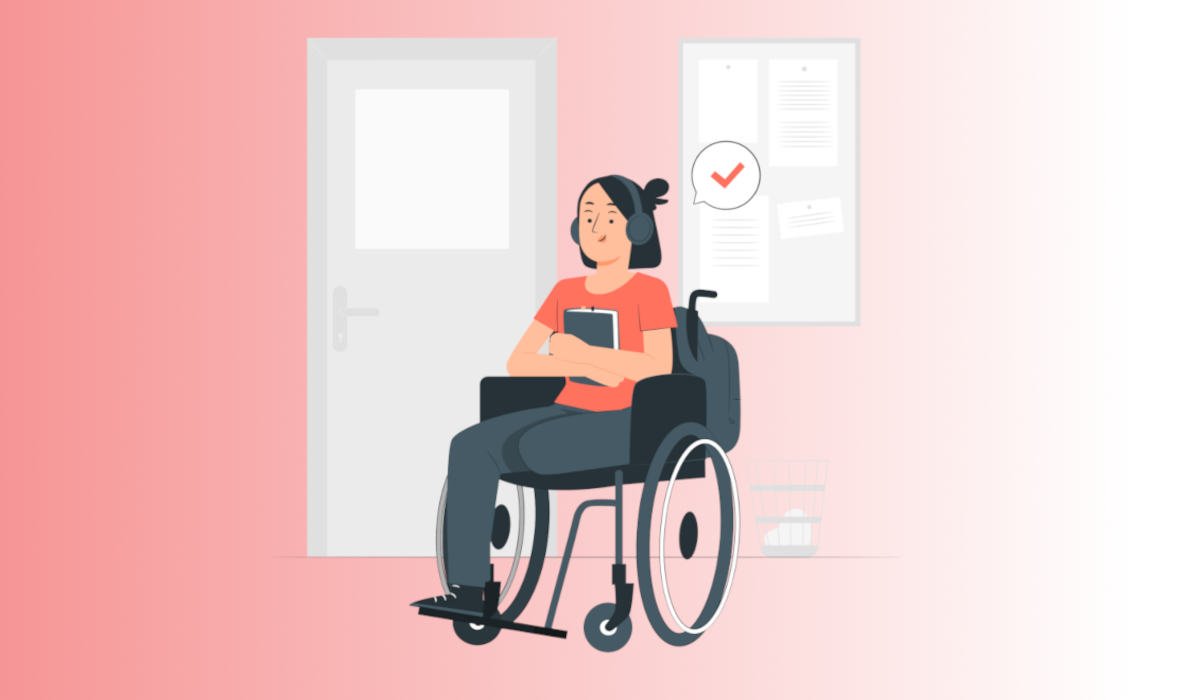
- The Remote Work Advantage: Digital platforms eliminate the physical commute, rigid daily schedules, and inaccessible architectural environments that traditionally marginalized disabled workers.
- Skill-Based Economy: The rise of the digital gig economy means employers increasingly evaluate talent based on portfolio output and demonstrable skills rather than physical presence.
- Economic Security: Supplemental government benefits often fall short of covering the true cost of living. Earning an independent income allows individuals to bridge this gap, support their families, and regain financial autonomy.
Chronology: A Personal Testament to Resilience and the Remote Revolution
The push for accessible remote work is deeply rooted in personal narratives of adversity and triumph.
- The Incident: Several years ago, a devastating accident altered the trajectory of one family when a bus struck a pedestrian crossing a street. Multiple complex surgeries saved her life, but left her permanently disabled, unable to walk or stand independently.
- The Struggle: Living as an expatriate in the United Kingdom while supporting relatives abroad, the sudden loss of mobility stripped her of her energetic career, plunging her into profound mental health struggles and clinical depression. While a modest UK government disability benefit provided basic sustenance, it highlighted a glaring disparity: most developing nations lack even this minimal safety net.
- The Turning Point: Witnessing a loved one grapple with powerlessness—yet eventually managing to live independently in a modest apartment through sheer determination—sparked a lifelong commitment to advocacy.
- The Transition to Digital Mastery: Overcoming initial struggles within the freelance marketplace, that same family established a full-time career as freelance writers. Today, this remote career fully sustains the household, proving that digital employment can transform adversity into sustainable economic freedom.
Supporting Data: The Expanding Landscape of Digital Opportunities
As digital infrastructure matures, the variety of accessible home-based income streams continues to multiply. Market research consistently demonstrates the explosive growth of remote industries, particularly content creation, digital marketing, and online education.

- Freelance Market Growth: Millions of businesses globally now outsource specialized tasks, creating a multi-billion-dollar freelance economy.
- The Rise of Audio and Podcasting: With millions of active podcasts globally, the demand for transcription and audio-to-text services has skyrocketed.
- E-Learning Expansion: The global shift toward online education has exponentially increased the need for remote tutors, instructional designers, and content creators.
Official Responses and Perspectives on Workplace Accessibility
Governments, labor organizations, and accessibility advocates increasingly emphasize that inclusion goes beyond physical ramps; it extends to digital and economic infrastructure.
- Redefining Productivity: Labor experts emphasize that modern organizations must embrace asynchronous communication and flexible performance metrics to fully integrate workers with chronic health conditions.
- The Call for Universal Digital Access: Advocacy groups continue to lobby international policy bodies to mandate web accessibility standards (such as WCAG) and fund digital skills training programs specifically targeted at marginalized communities.
- Empowerment Over Welfare: Policymakers increasingly recognize that sustainable support systems must transition from mere subsistence welfare to proactive economic empowerment—equipping individuals with the tools to generate independent wealth.
Implications: Building a Sustainable Future Without Leaving Home
Choosing to pursue an online career carries profound implications for personal dignity, mental health, and family stability. Being diagnosed with an illness or living with a permanent disability does not diminish an individual’s professional value or human importance.

By taking control of their income, individuals can break the cycle of dependence. Whether dedicating a few hours a day to test mobile applications or building a full-scale digital agency, the modern remote landscape ensures that physical limitations no longer dictate economic potential.
13 Viable Remote Career Paths and Income Streams
If you or someone you know is seeking a reliable way to earn an income from home, the following curated list of remote careers requires minimal physical strain and can be tailored to various skill levels.

1. Become a Freelancer
Freelancing is widely regarded as one of the premier career paths for individuals with disabilities or chronic illnesses. By packaging a marketable skill—such as content writing, graphic design, or web development—into discrete services, you can contract directly with international clients via global marketplaces. Platforms like Udemy, Skillshare, and EDx make learning these high-demand digital skills entirely accessible from home.
2. Find Transcription Jobs
Transcription involves listening to audio or video files and converting spoken words into precise text documents. Driven largely by the massive growth of the podcasting industry, podcasters, media agencies, and corporate researchers constantly require accurate transcripts for accessibility and blog publishing.
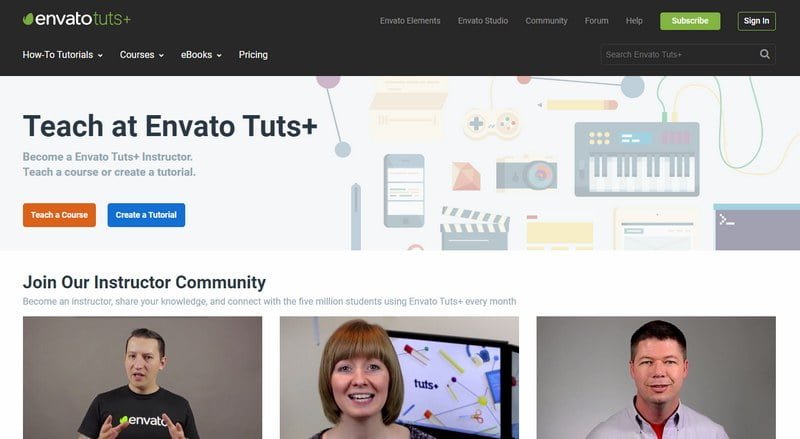
3. Write for Blogs and Digital Publications
If you possess a strong command of language and clear communication skills, digital publishing offers lucrative writing opportunities. Beginners can hone their craft by publishing articles on platforms like Medium to gather community feedback before pitching paid digital publications and niche blogs.
4. Become a Virtual Assistant (VA)
Virtual assistants provide essential administrative support to entrepreneurs, executives, and successful bloggers. Daily tasks typically involve managing email inboxes, organizing digital calendars, coordinating schedules, and occasionally overseeing secondary team members—all managed seamlessly via cloud-based communication tools.

5. Secure a Social Media Gig
For those who spend significant time navigating platforms like Instagram, Facebook, and Pinterest, social media management offers an engaging income stream. Small business owners frequently lack the bandwidth to maintain active social channels, hiring remote professionals to schedule posts, design graphics via Canva or VistaCreate, and engage with online communities.
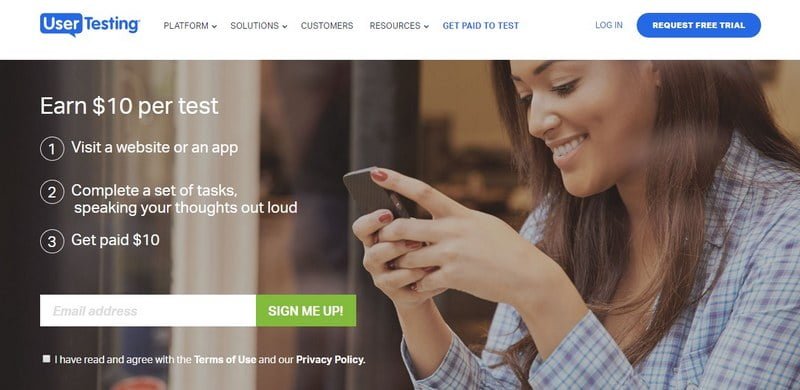
6. Test Mobile Applications and Websites
App testing is an ideal entry-level option requiring virtually no prior technical experience. Companies developing new software apps and websites hire independent testers to navigate pre-release versions, identify bugs, and report user-experience friction. Successful test submissions can yield substantial payouts per completed review.

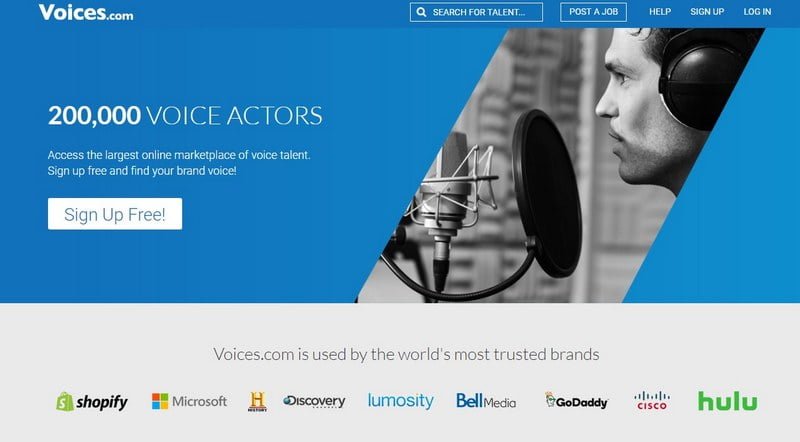
7. Become a Voice-Over Artist
Individuals blessed with clear articulation and a pleasant vocal tone can find rewarding work in the voice-over industry. Common projects include recording commercial advertisement reads for podcasts, creating video intros for content creators, and narrating corporate training modules.
8. Join a Customer Service Team
Remote customer support representatives interact with consumers via live chat, email, or ticketing systems to resolve technical issues and process inquiries. While hiring availability fluctuates, numerous enterprise brands maintain entirely remote support infrastructures.
9. Perform Translation Services
Bilingual and multilingual individuals can leverage their language fluency to translate articles, official documents, and digital books across languages. Translation platforms connect linguistic professionals directly with international publishing houses and corporate clients.
10. Become an Online Tutor
Academic qualifications and teaching experience can be fully monetized through online tutoring networks. Platforms such as Skooli connect qualified educators with students needing academic support, while services like Teachable enable educators to package and sell proprietary online courses.
11. Become a Proofreader
Proofreading requires meticulous attention to detail to catch spelling, punctuation, and grammatical errors in long-form documents, case studies, and research reports. A strong command of syntax makes this an ideal quiet, detail-oriented home career.
12. Design Social Media Graphics
The demand for eye-catching visual content remains perpetually high. Using beginner-friendly design suites like Canva or VistaCreate, designers can craft compelling quote graphics, promotional banners, and branding packages for global businesses via freelance marketplaces or direct social media outreach.
13. Build an Influencer Brand (Affiliate Marketing)
While building an independent audience takes time and consistent effort, establishing a personal niche brand on platforms like YouTube, Twitter, or Instagram can unlock powerful monetization avenues. Through affiliate marketing, creators recommend products they genuinely trust, earning a direct commission whenever a follower makes a purchase via their unique referral link.
Conclusion
The journey toward financial independence while managing a disability is rarely straightforward, demanding immense resilience, patience, and adaptability. As the timeless wisdom attributed to Martin Luther King Jr. reminds us:

“If you can’t fly then run, if you can’t run then walk, if you can’t walk then crawl, but whatever you do you have to keep moving forward.”
By embracing the diverse opportunities within the digital economy, individuals can forge a sustainable, independent future—proving that physical barriers need not dictate professional success.